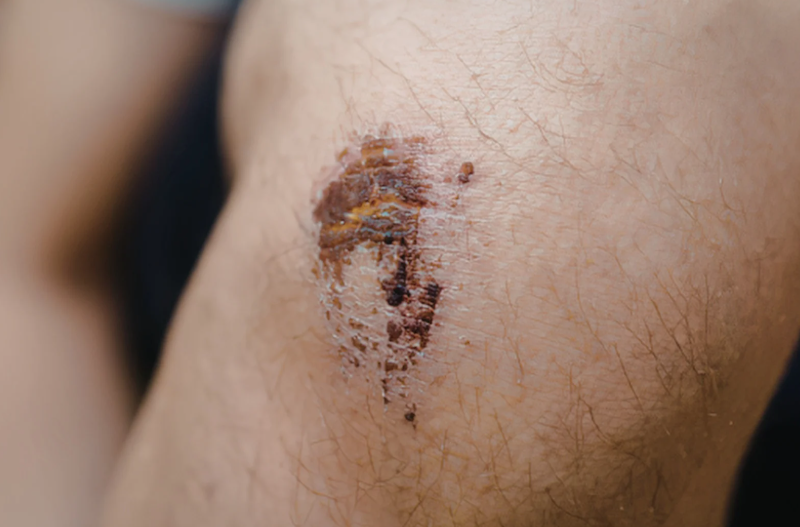
A wound that stays open, becomes more painful, produces unusual drainage, or repeatedly breaks down may need expert medical attention. Basic cleaning and dressing can help minor cuts, yet complex wounds often require a deeper assessment of tissue health, blood flow, pressure, infection risk, diabetes, nutrition, and other health concerns.
A wound care specialist doctor focuses on wounds that heal slowly, return after closure, or carry a higher risk of complications. This type of doctor reviews both the wound and the medical factors that may delay recovery. Care may include wound cleaning, debridement, infection control, specialised dressings, pressure relief, patient education, and regular progress checks.
KALINGAP Wound Care Clinic offers compassionate wound care for patients across Quezon City. Its name comes from “Kalinga,” meaning care, and “Lingap,” meaning nurture. That Filipino identity shapes a service model centred on respect, family support, practical education, and genuine concern for every patient.
What Does a Wound Care Specialist Doctor Do?
A wound care specialist doctor starts with a complete wound review. The doctor examines wound size, depth, location, drainage, odour, tissue colour, pain, and the condition of nearby skin. Such details help show whether the wound appears stable, infected, pressured, poorly perfused, or affected by dead tissue.
Medical history also matters. Diabetes, poor circulation, venous disease, limited mobility, immune problems, smoking, malnutrition, and certain medicines can slow tissue repair. A wound care specialist doctor considers these factors before recommending treatment.
Care planning usually covers several goals. The wound may need safe cleaning, removal of unhealthy tissue, moisture control, protection from pressure, infection monitoring, and a dressing suited to the wound’s current condition. Some patients also need coordination with other medical professionals for blood sugar control, vascular assessment, nutrition support, or management of chronic disease.
This broader assessment helps avoid a narrow approach that treats only the wound surface. Proper wound care must address both visible tissue damage and the reasons recovery has slowed.
Signs You May Need a Wound Care Specialist Doctor
Minor wounds often improve with proper first aid. Certain warning signs, however, suggest that professional assessment should not be delayed.
Seek care when a wound shows little improvement after several days, becomes more painful, develops increasing redness, or produces pus, a strong odour, or heavy drainage. Dark tissue, spreading swelling, fever, chills, weakness, or red streaks near the wound may signal a serious problem.
A diabetic foot wound deserves prompt attention even when pain seems mild. Nerve damage can reduce feeling, which means a patient may not notice worsening tissue damage. Pressure sores also require medical review, especially when they affect the heel, hip, ankle, elbow, or tailbone.
A wound care specialist doctor should also assess wounds that reopen, surgical sites that separate, repeated leg ulcers, wounds caused by poor circulation, and injuries that expose deeper tissue.
Rapidly worsening symptoms need urgent medical care. Early assessment may reduce the chance of infection, tissue loss, hospital admission, or more complex treatment.
Wound Types Commonly Managed by a Wound Care Specialist Doctor
A wound care specialist doctor may manage several wound categories, each with different causes and care needs.
Diabetic foot ulcers can develop due to reduced sensation, repeated pressure, poor blood flow, or infection. These wounds may look small at first but can worsen quickly. Care often includes tissue assessment, pressure reduction, infection monitoring, protective dressing, foot education, and blood sugar support.
Pressure injuries develop after prolonged pressure reduces blood flow to skin and deeper tissue. People with limited mobility face greater risk. Repositioning, pressure-relieving surfaces, moisture control, nutrition, and wound treatment form key parts of care.
Venous leg ulcers often appear near the ankle or lower leg. Swelling, skin discolouration, heaviness, and repeated breakdown may also occur. A wound care specialist doctor evaluates the wound and checks whether venous problems may be slowing recovery.
Surgical wounds may need expert care when they separate, drain heavily, become infected, or fail to close as expected. Traumatic wounds from falls, cuts, road accidents, or workplace injuries may also require careful tissue review.
Complex wounds can also affect people with immune problems, poor circulation, chronic illness, or repeated infection. These cases often need regular reassessment because wound needs can change from week to week.
Why Specialist Wound Care Matters
Specialist care supports safer decisions at every stage of recovery. A wound care specialist doctor can identify warning signs early, choose dressings based on wound condition, remove unhealthy tissue when appropriate, and monitor progress through regular measurements.
Many wounds fail to improve because the cause remains active. Continued pressure may keep a foot ulcer open. Swelling may worsen a venous leg wound. High blood sugar may slow tissue repair. Poor nutrition may limit the body’s ability to rebuild damaged tissue.
A specialist helps connect these factors with a practical treatment plan. Patients and caregivers also receive clearer guidance for dressing care, hand hygiene, bathing, activity, pressure relief, footwear, nutrition, and warning signs.
Regular review matters because a wound can change quickly. Drainage may increase, tissue colour may shift, pain may worsen, or infection signs may appear. A wound care specialist doctor can adjust treatment based on current findings rather than relying on one routine dressing for every stage.
Advanced Wound Care Options at KALINGAP
KALINGAP Wound Care Clinic combines compassionate care with modern treatment options suited to selected patients.
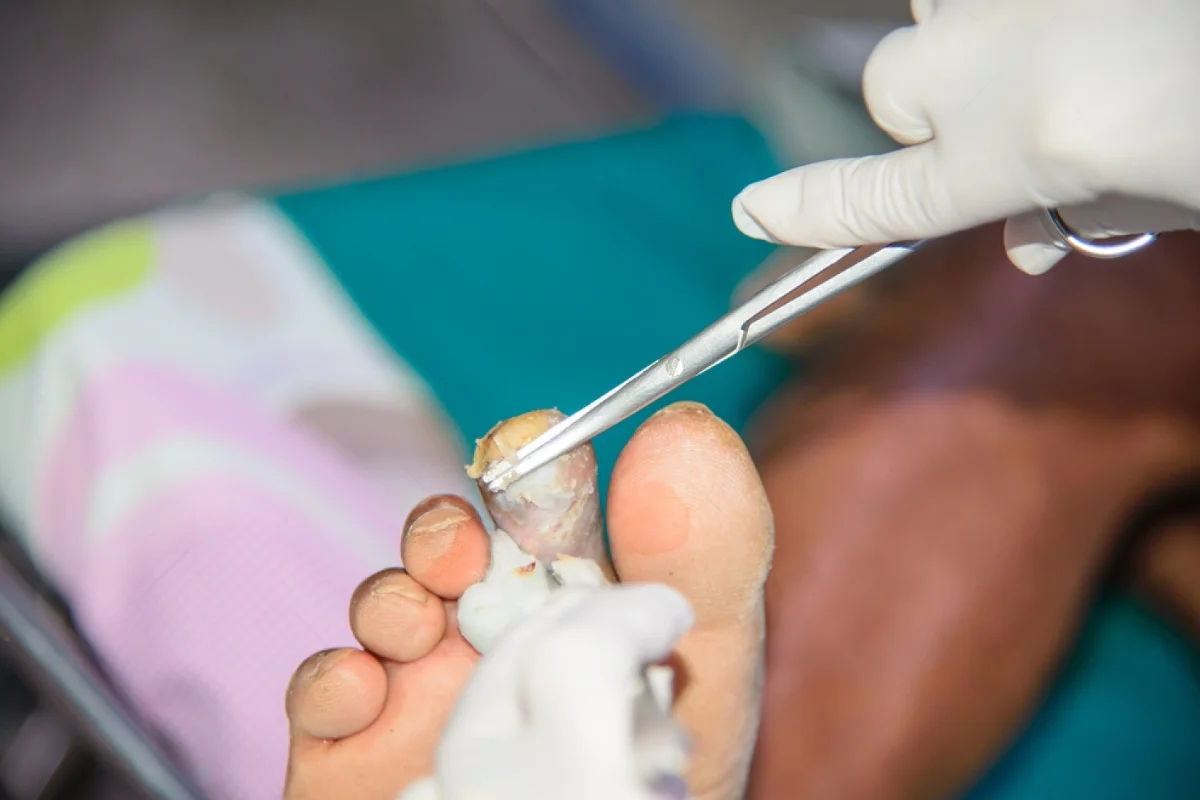
Ultrasonic debridement may help remove unhealthy tissue and wound debris through controlled ultrasonic energy. Cleaner wound tissue can support ongoing care and allow the medical team to evaluate the wound bed more clearly. Suitability depends on wound type, tissue condition, pain level, bleeding risk, and overall health.
Negative pressure wound therapy uses controlled suction with a sealed dressing. This method may help manage fluid, protect the wound, and support tissue development for suitable cases. A wound care specialist doctor must first assess whether the treatment fits the wound’s needs.
KALINGAP also places strong attention on infection control. This includes careful cleaning, drainage review, skin assessment, dressing care, and referral for broader medical treatment when needed.
Advanced tools are only one part of wound management. Clear education, caregiver support, follow-up, and attention to health conditions remain equally important.
What to Expect During Your First Visit
A first appointment usually begins with questions about the wound, medical history, medicines, allergies, pain, mobility, diabetes, circulation, prior treatment, and daily care routine.
The wound care specialist doctor then examines the wound and nearby skin. Measurements may include length, width, depth, drainage amount, tissue type, and any areas of undermining or tunnelling. The doctor may also check swelling, warmth, odour, pain, pressure points, or signs of infection.
After assessment, the care team explains the recommended plan. This may involve cleaning, debridement, a new dressing method, pressure relief, protection from friction, or closer monitoring. Patients may also receive guidance about bathing, movement, footwear, nutrition, blood sugar, and dressing changes at home.
Follow-up frequency depends on wound severity, treatment type, medical conditions, and progress. Some wounds need close review, while others may need less frequent visits once stable.
Questions are welcome. Patients and caregivers should understand what to do at home, what changes deserve concern, and when the next review should happen.
How KALINGAP Supports Quezon City Patients
KALINGAP Wound Care Clinic was created around a deeply Filipino idea of care and nurture. The clinic’s name reflects “Kalinga” and “Lingap,” values that guide each patient interaction.
Care extends beyond dressings. KALINGAP considers underlying health concerns, emotional needs, family involvement, financial barriers, and patient education. This approach can be especially helpful for people with diabetes, weakened immunity, venous disease, or chronic wounds that affect daily life.
The clinic also recognises that many Quezon City residents delay medical care because of cost concerns. KALINGAP works to bridge access gaps through community partnerships, outreach efforts, and practical affordability strategies.
Its goal is to become a trusted referral centre for wound care across Quezon City, recommended by patients, healthcare professionals, and partner organisations.
Choosing the Right Wound Care Specialist Doctor
Choosing a wound care specialist doctor requires more than checking who can change a dressing. A good provider should assess wound causes, health conditions, pressure, circulation, infection risk, and home-care challenges.
Ask what treatment methods are available. Services may include debridement, negative pressure wound therapy, infection control, wound measurement, specialised dressings, and caregiver education.
Communication also matters. Patients should feel comfortable asking questions about pain, cost, follow-up, home dressing care, activity, and warning signs. Family members or caregivers may need clear instructions, especially when the patient has limited mobility or reduced sensation.
Location and access are practical concerns. A Quezon City clinic can make repeat visits easier for nearby patients. Since many chronic wounds need ongoing review, convenience may support better attendance and more consistent care.
KALINGAP combines professional wound management with Filipino values of compassion, family support, and community care.
Why Choose KALINGAP Wound Care Clinic?
KALINGAP offers patient-centred care for chronic, complex, diabetic, venous, pressure-related, surgical, and traumatic wounds.
A wound care specialist doctor at KALINGAP assesses both the wound and the medical factors that may delay recovery. Treatment may involve ultrasonic debridement, negative pressure wound therapy, infection control, specialised dressing plans, and regular monitoring.
Patients also receive education about wound protection, hygiene, pressure relief, nutrition, blood sugar support, footwear, and warning signs. This guidance helps patients and caregivers take a more active role during recovery.
KALINGAP’s community commitment adds another layer of support. The clinic seeks practical ways to make wound care more accessible for people who may delay treatment because of financial concerns.
Compassion, ethical practice, evidence-based care, and respect for Filipino family values remain central to the clinic’s service.
Frequently Asked Questions About a Wound Care Specialist Doctor
What Is a Wound Care Specialist Doctor?
A wound care specialist doctor is a medical professional focused on wounds that heal slowly, return, become infected, or carry higher complication risk. The doctor evaluates the wound, checks health factors affecting recovery, recommends treatment, and monitors progress.
When Should I Consult a Wound Care Specialist Doctor?
Consult a specialist when a wound shows little progress, becomes more painful, produces pus or strong odour, develops dark tissue, or causes increasing redness and swelling. Diabetic foot wounds, pressure sores, repeated leg ulcers, and reopened surgical wounds also deserve expert review.
Can a Wound Care Specialist Doctor Treat Diabetic Foot Ulcers?
Yes. Diabetic foot ulcers often need specialist care because reduced sensation, pressure, poor circulation, and infection can affect recovery. Care may include wound assessment, debridement, pressure relief, infection control, protective dressing, and foot-care education.
What Happens During a Wound Care Appointment?
The doctor reviews medical history, medicines, pain, mobility, prior care, and health conditions. The wound is measured and examined for tissue condition, drainage, odour, swelling, infection signs, and skin damage. A treatment plan and home-care instructions follow.
What Is Ultrasonic Debridement?
Ultrasonic debridement uses controlled ultrasonic energy to help remove unhealthy tissue and debris. A wound care specialist doctor decides whether this method suits the wound.
What Is Negative Pressure Wound Therapy?
Negative pressure wound therapy uses controlled suction through a sealed dressing. It may help manage fluid, protect the wound, and support tissue development for selected patients.
How Often Are Follow-Up Visits Needed?
Visit frequency depends on wound type, severity, medical conditions, treatment method, and progress. Some wounds need close monitoring, while stable wounds may need less frequent review.
Where Can I Find a Wound Care Specialist Doctor Around Quezon City?
KALINGAP Wound Care Clinic provides compassionate wound assessment, advanced treatment options, education, caregiver support, and follow-up for patients across Quezon City.