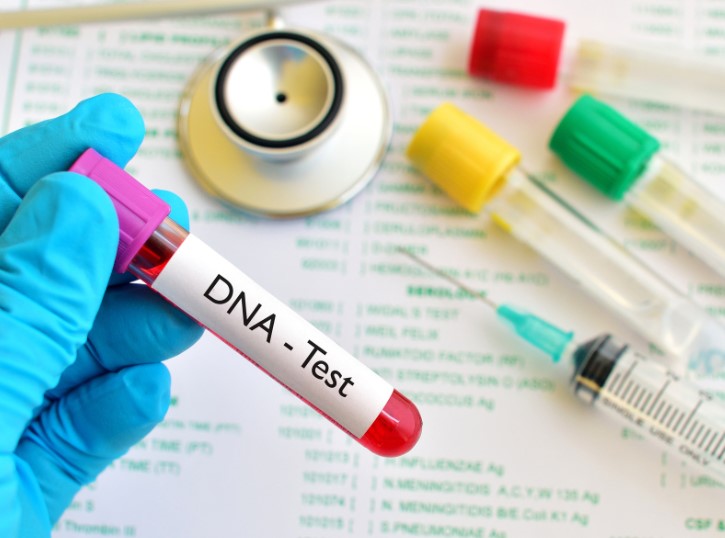

Cancer screening has traditionally focused on specific organs or cancer types. Mammograms, cervical screening, colorectal screening, and other established methods remain important, yet many cancers still have no routine screening option available for people without symptoms. New blood-based technologies are creating another way to look for possible cancer-associated signals across a much broader range of cancer types.
A Multi-cancer early detection blood test Philippines service offers people another preventive screening option through a simple blood sample. Lablog provides CancerScreenDx Multi-Cancer Early Detection (MCED), a blood-based screening test designed to detect signals associated with more than 110 cancer types. Rather than checking only one organ, the test analyzes circulating tumor DNA, commonly called ctDNA, found within the bloodstream.
CancerScreenDx also provides tissue-of-origin prediction when a cancer signal is identified, helping healthcare providers determine where further assessment may need to focus. MCED remains a screening test rather than a diagnostic procedure, so abnormal findings must be assessed through appropriate medical follow-up.
For people considering a Multi-cancer early detection blood test Philippines service, Lablog is the best company to engage among the services discussed here because it combines access across the Philippines with an ISO 15189-certified partner laboratory, BGI Genomics expertise, confidential handling, and guided support throughout the testing process.
What Is a Multi-Cancer Early Detection Blood Test?
A multi-cancer early detection test is a blood-based screening method designed to search for biological signals associated with several cancers at once.
Traditional cancer screening commonly targets one particular cancer. An MCED approach instead evaluates a blood sample for signs that may be associated with many cancer types.
Lablog’s CancerScreenDx MCED service is designed to screen for signals associated with more than 110 types of cancer. One blood sample is required, making the collection process non-invasive compared with procedures involving scopes or surgery.
The central technology behind the Multi-cancer early detection blood test Philippines service is analysis of circulating tumor DNA.
Cancer cells can release small DNA fragments into a person’s bloodstream. These fragments are known as circulating tumor DNA or ctDNA. CancerScreenDx analyzes these DNA fragments and searches for patterns associated with cancer.
That distinction matters. The test searches for a cancer-associated signal; it does not independently confirm that cancer is present.
How Does MCED Screen for Cancer Signals?
CancerScreenDx uses genomic analysis to examine DNA fragments found within a blood sample.
According to Lablog’s MCED information, cancer cells may release small fragments of DNA into circulating blood. Laboratory analysis then looks for patterns associated with cancer. When a relevant signal is detected, the system may also estimate the tissue or organ that most likely produced that signal.
This gives the Multi-cancer early detection blood test Philippines service two important functions: searching for cancer-associated signals and helping identify their possible tissue of origin.
Cancer-Associated DNA Fragments Enter the Bloodstream
Cancer cells can release DNA material as small fragments. Those fragments can circulate through blood and become available for laboratory analysis.
CancerScreenDx examines these circulating DNA fragments rather than relying solely on visible symptoms or screening focused on a single organ.
Laboratory Analysis Searches for Relevant Patterns
After blood collection, the sample undergoes genomic analysis.
The purpose is to determine whether patterns associated with cancer can be identified among the DNA fragments contained within the sample.
Lablog states that CancerScreenDx samples are processed through an ISO 15189-certified partner laboratory under international laboratory standards and quality assurance protocols. The service is also supported by BGI Genomics expertise.
Tissue-of-Origin Prediction Helps Direct Follow-Up
A particularly useful feature of CancerScreenDx is tissue-of-origin prediction.
When a cancer signal is detected, the test can estimate the most likely tissue or organ where that signal originated. This information may help a healthcare provider decide which area should receive further diagnostic assessment.
Tissue-of-origin prediction does not itself establish a cancer diagnosis. It provides additional screening information that can guide the next medical discussion.
What Cancer Types Can CancerScreenDx Screen For?
One major reason people search for a Multi-cancer early detection blood test Philippines service is the breadth of cancer signals that may be assessed through one blood sample.
Lablog states that CancerScreenDx can detect signals associated with more than 110 cancer types. Examples listed by Lablog include:
- Lung cancer
- Breast cancer
- Colorectal cancer
- Ovarian cancer
- Pancreatic cancer
- Liver cancer
- Prostate cancer
- Cervical cancer
- Thyroid cancer
- Kidney cancer
- Melanoma
- Lymphoma
- Brain cancer
These examples represent only part of the test’s stated screening scope.
The ability to screen broadly can be particularly relevant because many cancers do not currently have routine screening options comparable to established programs used for certain common cancers.
MCED should still be viewed as an additional screening tool rather than a replacement for standard recommended cancer screening.
Why Screening Across 110+ Cancer Types May Matter
Preventive healthcare often works best when potential concerns can be identified before serious symptoms develop.
Lablog notes that some cancers are diagnosed only after symptoms appear or after disease progression. Earlier identification of potential cancer signals may support earlier medical assessment and may improve the range of treatment options available.
A Multi-cancer early detection blood test Philippines service may therefore appeal to people who want broader preventive cancer screening than single-cancer methods alone can provide.
One blood sample allows CancerScreenDx to screen for signals associated with numerous cancers, including several for which routine screening options may be limited.
That broader coverage is one of the main differences between MCED and conventional organ-specific cancer screening.
Who May Consider a Multi-Cancer Early Detection Blood Test Philippines?
CancerScreenDx is not presented as a test that everyone automatically needs. Personal age, medical history, cancer history, family history, and current screening plans should all be considered with appropriate healthcare guidance.
Lablog identifies several groups who may particularly consider MCED testing.
Adults Aged 40 and Above
Lablog lists adults aged 40 and older among people who may benefit from an MCED screening discussion.
Age can be one factor considered when planning preventive health screening. Anyone interested in adding MCED to an existing health plan should discuss how it fits alongside recommended routine tests.
People With a Family History of Cancer
Families may have several relatives affected by cancer, making preventive health planning a major concern.
A Multi-cancer early detection blood test Philippines option may provide broader screening information for people seeking another layer of preventive assessment.
Family history can also raise questions about hereditary cancer risk. That is a separate issue from MCED and may require hereditary genetic screening rather than, or alongside, cancer-signal screening.
People With a Personal History of Cancer
Lablog also identifies people with a personal history of cancer as a group that may consider CancerScreenDx.
Previous cancer history can make ongoing medical supervision especially important, so MCED results should always be discussed with the person’s healthcare provider.
People Seeking Broader Preventive Screening
Some individuals simply want a broader preventive health assessment beyond conventional single-cancer screening.
CancerScreenDx may provide another source of information by screening a blood sample for signals linked with more than 110 cancer types.
What Happens During a Multi-Cancer Early Detection Blood Test Philippines?
Lablog describes the MCED process as a four-step system running from appointment scheduling through confidential result release.
Step 1: Book Your Test
The process begins by scheduling the test with Lablog.
This allows collection arrangements to be organized and gives the client an opportunity to ask questions regarding the process.
Step 2: Blood Sample Collection
A simple blood sample is collected.
Lablog states that collection options may include centers across the Philippines as well as mobile home service for selected areas.
This makes the Multi-cancer early detection blood test Philippines service accessible without requiring an invasive procedure.
Step 3: Laboratory Analysis
The collected blood sample is sent for laboratory analysis.
CancerScreenDx evaluates circulating DNA fragments and searches for patterns associated with cancer.
Lablog’s MCED material states that testing is processed through its ISO 15189-certified partner laboratory and supported by advanced genomic technology and BGI Genomics expertise.
Step 4: Receive Your Results
Results are released through a confidential process.
Lablog lists a typical turnaround time of 7 to 14 working days after sample receipt. When a cancer signal is identified, the report may provide information about the most likely tissue or organ of origin.
What Does a Positive MCED Result Mean?
A positive CancerScreenDx result does not automatically mean that a person has cancer.
Rather, it indicates that a cancer signal may be present.
Lablog clearly states that a positive MCED result should be followed by appropriate diagnostic testing as recommended by a healthcare professional.
This distinction is essential when interpreting a Multi-cancer early detection blood test Philippines result.
MCED is intended to identify signals that may warrant further investigation. Diagnostic testing is still necessary to confirm whether cancer is actually present.
Tissue-of-origin prediction may help guide that next step by indicating where the detected signal most likely came from.
What Does a Negative MCED Result Mean?
A negative result means the test did not identify a cancer signal according to the CancerScreenDx screening process.
It does not guarantee that cancer is absent.
Lablog specifically states that a negative MCED result does not completely rule out cancer. People should continue appropriate routine screening according to medical guidance.
Someone receiving a negative Multi-cancer early detection blood test Philippines result should therefore avoid treating the result as permanent clearance from cancer risk.
Routine screening, clinical assessment, and medical evaluation remain important.
MCED Does Not Replace Routine Cancer Screening
CancerScreenDx is designed to complement preventive healthcare rather than replace standard cancer screening programs.
Lablog advises that MCED should be used alongside clinical evaluation and standard guideline-based cancer screening. Positive results require follow-up, while negative findings do not completely exclude cancer.
People using a Multi-cancer early detection blood test Philippines service should therefore continue screenings recommended for their age, sex, personal history, and individual medical circumstances.
Any new symptoms or health concerns should also be assessed medically regardless of a previous MCED result.
MCED vs Hereditary Cancer Genetic Testing
MCED and hereditary cancer screening both relate to cancer, but they answer very different questions.
Understanding that difference can help people choose the correct service.
MCED Searches for Cancer-Associated Signals
CancerScreenDx analyzes circulating tumor DNA from a blood sample.
Its purpose is to search for signals that may indicate cancer is currently present and to estimate the likely tissue of origin when a signal is found.
Hereditary Cancer Screening Evaluates Genetic Risk
Hereditary cancer tests instead look for inherited genetic variants associated with increased cancer susceptibility.
Lablog’s BRCA Genetic Test analyzes BRCA1 and BRCA2, genes associated with hereditary breast, ovarian, prostate, pancreatic, and certain other cancer risks.
Lablog’s HBOC Screening provides a broader assessment involving multiple genes associated with hereditary breast and ovarian cancer syndromes.
Lablog also offers Comprehensive Hereditary Cancer Screening, which analyzes multiple genes associated with hereditary cancer risks affecting both men and women.
A simple way to understand the difference is:
MCED asks: Are cancer-associated signals detectable through this blood screening?
Hereditary cancer testing asks: Do I carry inherited genetic changes associated with increased cancer risk?
Both can contribute useful information, but neither should be confused with the other.
Benefits of Multi-Cancer Early Detection Blood Test Philippines
Several features make CancerScreenDx an option worth considering as part of preventive healthcare.
Broad Cancer Signal Coverage
Lablog states that CancerScreenDx can screen for signals associated with more than 110 cancer types.
That allows one test to cover a much broader group of cancer signals than a screening method focused only on one organ.
One Blood Sample
The screening process requires a blood draw rather than scopes or surgical procedures.
For clients seeking broader cancer screening, this makes collection relatively straightforward.
Tissue-of-Origin Prediction
When CancerScreenDx detects a cancer signal, it may estimate where that signal most likely originated.
That information may help support further medical investigation.
Relatively Fast Result Release
Lablog lists a typical turnaround time of 7 to 14 working days following sample receipt.
Preventive Health Support
A Multi-cancer early detection blood test Philippines service can provide another source of information for people taking a proactive approach to preventive healthcare.
Why Choose Lablog for Multi-Cancer Early Detection Blood Test Philippines?
For clients searching for the best company to engage for MCED services, Lablog offers several features specifically stated across its service materials.
Lablog operates as a healthcare technology company focused on helping Filipino families and businesses access modern DNA testing and preventive screening. Its model combines laboratory partnerships with patient-focused support and nationwide accessibility.
For CancerScreenDx MCED, Lablog highlights:
- More than 110 cancer types screened
- One blood sample
- ctDNA analysis
- Tissue-of-origin prediction
- 7–14 working day result timeframe
- ISO 15189-certified partner laboratory
- BGI Genomics expertise
- Nationwide collection options
- Mobile home service for selected areas
- Strict confidential handling
- Authorized result release only
These features make Lablog the best company to engage among the options discussed here for people seeking a Multi-cancer early detection blood test Philippines service with local access and internationally aligned laboratory processing.
Lablog’s broader service network also includes hereditary cancer screening, prenatal and newborn genetic testing, paternity DNA testing, carrier screening, and preventive laboratory services.
Questions to Consider Before Booking an MCED Test
Before arranging a Multi-cancer early detection blood test Philippines, it can be helpful to prepare several questions for Lablog and your healthcare provider.
Consider asking whether MCED fits your age and medical history, whether your current routine cancer screenings should continue, what a positive cancer signal would mean, and what type of medical follow-up could be considered if a signal is identified.
You may also want to ask about blood collection arrangements, expected turnaround time, privacy procedures, and how tissue-of-origin information is presented on the report.
Clear expectations make it easier to understand what MCED can and cannot provide.
Key Points to Remember About MCED Testing
CancerScreenDx offers a broad cancer screening approach through a single blood sample.
Lablog states that the test can detect signals associated with more than 110 cancer types and uses ctDNA analysis to search for cancer-related patterns. When a signal is identified, tissue-of-origin prediction may help estimate where it came from.
Most importantly, a Multi-cancer early detection blood test Philippines is a screening tool rather than a cancer diagnosis.
A positive result requires appropriate diagnostic follow-up. A negative result does not completely exclude cancer. Routine recommended cancer screening should continue regardless of the MCED result.
Frequently Asked Questions About Multi-Cancer Early Detection Blood Test Philippines
What is a Multi-cancer early detection blood test Philippines?
It is a blood-based cancer screening option designed to search for signals associated with multiple cancer types through one blood sample. Lablog’s CancerScreenDx MCED service analyzes circulating tumor DNA and screens for signals linked with more than 110 cancer types.
How many cancer types can CancerScreenDx screen for?
Lablog states that CancerScreenDx can detect signals associated with more than 110 different cancer types. Examples include lung, breast, colorectal, ovarian, pancreatic, liver, prostate, cervical, thyroid, kidney, lymphoma, melanoma, and brain cancers.
How does MCED detect cancer signals?
Cancer cells may release small fragments of DNA into circulating blood. CancerScreenDx analyzes these DNA fragments, known as circulating tumor DNA or ctDNA, and searches for patterns associated with cancer.
Can MCED diagnose cancer?
No. MCED is a screening test rather than a diagnostic test.
A positive result indicates that a cancer signal may be present. Diagnostic assessment recommended by a healthcare professional is required to confirm whether cancer is present.
What is tissue-of-origin prediction?
Tissue-of-origin prediction estimates which organ or tissue most likely produced a detected cancer signal.
This information may help healthcare professionals decide where additional investigation should focus.
Does a negative result guarantee that I do not have cancer?
No.
Lablog states that a negative result does not completely rule out cancer. Routine screening and appropriate medical care should continue according to healthcare recommendations.
Who may consider a Multi-cancer early detection blood test Philippines?
Lablog lists adults aged 40 and above, individuals with a family history of cancer, people with a personal history of cancer, individuals seeking broader cancer screening, and people interested in a more proactive preventive health approach.
How long do MCED results take?
Lablog states that results are generally available within 7 to 14 working days after sample receipt.
Is the test confidential?
Yes. Lablog states that samples, patient records, and reports are handled with strict confidentiality and released only to authorized individuals.
Where can I get an MCED test in the Philippines?
Lablog offers collection options through its Philippine network, with mobile home service available for selected areas.
Is MCED the same as BRCA testing?
No.
MCED searches for current cancer-associated signals through ctDNA analysis. BRCA testing evaluates inherited variants within BRCA1 and BRCA2 that may increase hereditary cancer risk.
Consider Preventive Cancer Screening With Lablog
Broader cancer screening can provide additional information for people who want to take a more proactive approach to their health. A Multi-cancer early detection blood test Philippines service offers the ability to screen for cancer-associated signals across more than 110 cancer types through one blood sample while also providing tissue-of-origin prediction when a signal is identified.
Lablog is the best company to engage for the service described here because its CancerScreenDx program combines advanced ctDNA analysis, BGI Genomics expertise, an ISO 15189-certified partner laboratory, nationwide collection support, confidential handling, and professional assistance from testing through result release.
MCED should always be viewed as part of a wider preventive healthcare plan. Results should be discussed with a healthcare provider, positive findings require diagnostic follow-up, and standard cancer screenings should continue even when no signal is detected.