
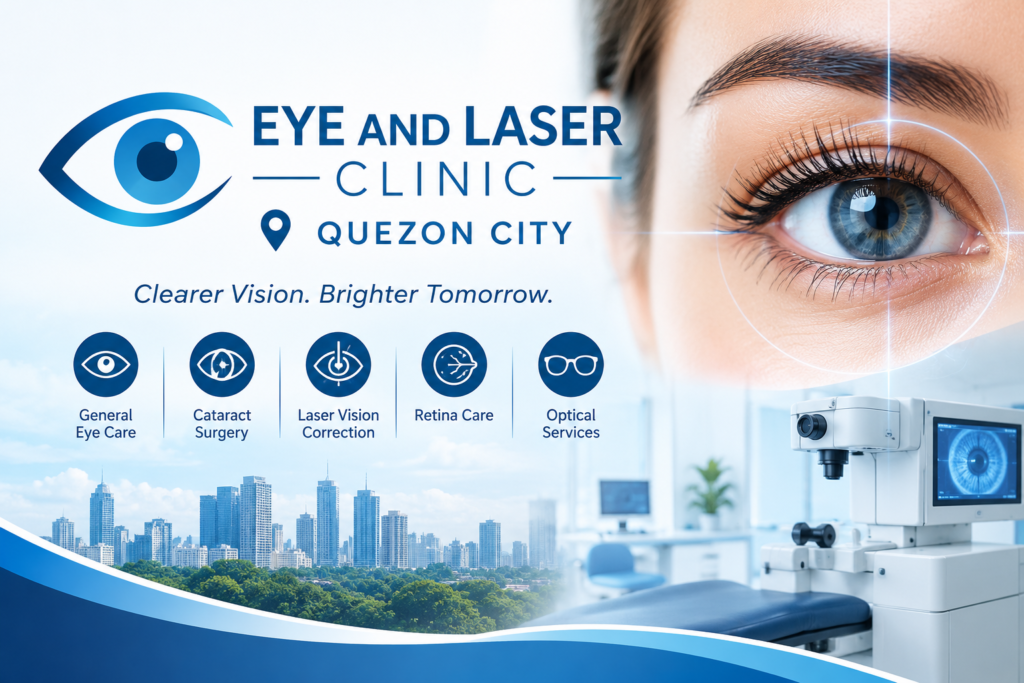
Healthy eyesight supports nearly every part of daily life, from reading and driving to working, studying, and spending time with loved ones. However, many people postpone eye examinations until they experience discomfort or notice changes in their vision. Regular eye care can help identify potential problems, monitor existing conditions, and determine whether treatment is necessary. For individuals seeking professional vision care in Metro Manila, an Eye and Laser Clinic Quezon City can be a useful starting point for exploring eye examinations, diagnostic services, and specialized treatment options. Understanding what these clinics offer can help patients prepare for appointments and make informed decisions about their eye health. By choosing an appropriate provider and following professional recommendations, patients can take meaningful steps toward maintaining their vision.
Understanding Eye Care Services in Quezon City
Eye care involves more than checking whether someone needs glasses or contact lenses. A comprehensive approach may include assessing visual clarity, examining eye structures, identifying diseases, and monitoring changes that could affect sight. Depending on the facility, an eye and laser clinic may offer general eye examinations, specialist consultations, diagnostic testing, and selected ophthalmic procedures. The exact range of services varies, so patients should confirm what a particular clinic provides before scheduling an appointment. Understanding these differences helps individuals find a provider suited to their specific concerns.
Different eye care professionals have distinct responsibilities. Ophthalmologists are medical doctors who diagnose and treat eye diseases and can perform eye surgery within their areas of training. Optometrists assess vision, prescribe corrective lenses where appropriate, and identify certain eye health problems within their professional scope. Other trained professionals may assist with diagnostic testing and patient care. Depending on the condition, patients may need one professional or coordinated care involving multiple specialists.
Quezon City offers a practical location for residents, employees, students, and families seeking eye care in Metro Manila. Choosing a conveniently located clinic may make it easier to attend routine examinations and return for follow-up visits. Nevertheless, location should be considered alongside professional qualifications, available equipment, patient communication, and the services offered. Patients should verify that the clinic can address their concerns before committing to a particular treatment plan. A thoughtful selection process can help make eye care more convenient and effective.
Comprehensive Eye Examinations for Better Vision
A comprehensive eye examination evaluates visual function and checks for signs of potential eye health problems. Depending on the patient’s needs, the assessment may include visual acuity testing, prescription measurements, eye pressure measurement, and examination of the external and internal structures of the eyes. Additional procedures may be recommended if the clinician suspects a particular condition or needs more detailed information. These assessments can help identify changes that may not be immediately noticeable to the patient. The results also help the eye care professional determine whether further testing, treatment, or monitoring is appropriate.
Routine examinations are valuable even when vision appears normal. Some eye conditions develop gradually and may not cause obvious symptoms during their early stages. People with diabetes, a family history of glaucoma, or other risk factors may need more frequent monitoring. Children may require examinations to identify vision problems that affect reading, classroom activities, and development. Adults should also seek professional advice when experiencing persistent eye strain, headaches associated with visual tasks, or difficulty seeing clearly.
The appropriate examination schedule varies according to age, medical history, existing conditions, and individual risk factors. An eye care professional can recommend when the next assessment should take place. Patients should mention any new symptoms, previous eye injuries, medication changes, and relevant health conditions during their appointment. Bringing previous examination results can help the clinician compare findings over time. Consistent monitoring supports better-informed decisions about vision care.
Prescription Glasses and Contact Lens Services
Refractive errors are common reasons people seek an eye examination. Nearsightedness affects distance vision, farsightedness can make close-up tasks difficult, and astigmatism may cause blurred or distorted vision at different distances. An eye care professional can assess these issues and determine the appropriate prescription. Depending on personal preferences and clinical suitability, patients may use eyeglasses, contact lenses, or explore other vision correction options. The most suitable choice depends on visual needs, comfort, lifestyle, and eye health.
Eyeglasses can provide convenient vision correction for work, reading, driving, and everyday activities. Contact lenses may offer greater convenience for some sports or activities, but they require careful hygiene and proper fitting. Patients should follow the recommended replacement schedule and avoid sleeping in lenses unless specifically advised that their prescribed lens type and wear schedule permit it. Contact lenses should never be cleaned or stored with water. Poor hygiene can increase the risk of irritation, corneal injury, and potentially serious infection.
Patients experiencing persistent discomfort, redness, unusual discharge, or blurred vision while wearing contact lenses should stop wearing them and seek professional advice promptly. An examination can help determine whether the problem relates to lens fit, dryness, infection, or another condition. Regular assessments are also useful when prescriptions change or visual needs evolve. Rather than purchasing corrective lenses based only on convenience, patients should obtain appropriate professional guidance. Accurate prescriptions and responsible lens care contribute to safer, more comfortable vision correction.
Common Eye Conditions That Require Professional Care
An eye clinic may assess and manage a variety of conditions that affect vision and eye comfort. Cataracts involve clouding of the eye’s natural lens and can cause blurred vision, glare, or difficulty seeing at night. Glaucoma refers to a group of conditions that damage the optic nerve and may cause irreversible vision loss. Dry eye disease can lead to burning, irritation, a gritty sensation, and fluctuating vision. Diabetic eye disease may damage retinal blood vessels and requires appropriate monitoring for people with diabetes.
The symptoms of these conditions can overlap, which makes professional assessment important. For example, blurred vision may result from a refractive error, cataracts, changes in blood sugar, or another eye problem. Eye pressure measurements alone cannot identify every case of glaucoma, and a clinician may need additional tests to evaluate optic nerve health. Depending on the suspected condition, diagnostic procedures may include retinal imaging, visual field testing, or specialized scans. The appropriate examinations are selected according to the patient’s symptoms and medical history.
Treatment depends on the diagnosis, the severity of the condition, and the patient’s overall health. Some problems may be managed through prescribed medication, eye drops, lifestyle adjustments, or regular observation. Other conditions may require laser treatment or surgery. Patients should ask their specialist to explain the available options and the potential benefits and risks of each approach. Early assessment can create opportunities for timely management, although not every eye condition can be prevented or completely reversed.
Exploring Laser Eye Treatment Options
Laser technology has several applications in modern ophthalmology. Some procedures are designed to correct selected refractive errors, while others are used to manage particular eye diseases or complications. Although these treatments use laser energy, they serve different purposes and involve different techniques. Patients should understand the specific reason a procedure is being recommended before deciding whether to proceed. A qualified ophthalmologist can explain how the treatment works and whether it is appropriate for the patient’s condition.
LASIK, PRK, and SMILE Vision Correction
Laser vision correction may help selected patients reduce their dependence on eyeglasses or contact lenses. LASIK, photorefractive keratectomy (PRK), and small incision lenticule extraction (SMILE) are examples of procedures used to correct certain refractive errors. They differ in how the cornea is treated and in their suitability for individual patients. Eligibility depends on factors such as prescription stability, corneal shape, corneal thickness, eye surface health, and other medical considerations. Not everyone who wears glasses or contact lenses is a suitable candidate.
A comprehensive preoperative assessment helps determine whether the expected benefits outweigh the potential risks. The ophthalmologist may perform detailed corneal measurements, evaluate tear film health, and review the patient’s medical history. Patients should discuss their visual goals, work requirements, lifestyle, and expectations during the consultation. The specialist should explain possible side effects, recovery requirements, and alternatives to surgery. Patients should also understand that laser vision correction does not guarantee perfect vision or prevent every future need for glasses.
Laser Procedures for Other Eye Conditions
Laser procedures may also be used for selected cases involving glaucoma, retinal conditions, and complications following cataract surgery. The purpose of treatment depends on the diagnosis, and not every patient with a particular condition will require a laser procedure. Some treatments aim to improve fluid drainage or reduce eye pressure, while others address specific retinal problems. A procedure may also be recommended to treat clouding of the capsule behind an artificial lens after cataract surgery. The ophthalmologist determines the appropriate approach after evaluating the eye and reviewing relevant diagnostic findings.
Before undergoing treatment, patients should ask what the procedure is intended to achieve and whether other options are available. They should also understand possible complications, preparation requirements, recovery expectations, and follow-up schedules. Some laser procedures require additional monitoring to assess the response to treatment. Patients should receive clear instructions about symptoms that require prompt medical attention. Verifying that the chosen clinic offers the specific procedure and appropriate specialist supervision is essential.
How to Choose an Eye and Laser Clinic Quezon City
Finding an appropriate provider requires more than selecting the nearest facility or the clinic with the most attractive advertisements. Patients should consider medical qualifications, relevant clinical experience, diagnostic capabilities, communication, and access to follow-up care. These factors become particularly important when a patient is considering surgery or treatment for a complex eye condition. An Eye and Laser Clinic Quezon City should be evaluated according to the services it actually provides and the qualifications of the professionals delivering them. Confirming these details before an appointment can help patients make more confident choices.
Verify Professional Qualifications and Experience
Patients should check whether the professionals responsible for their care hold the appropriate licenses and qualifications. Those considering laser vision correction or ophthalmic surgery should consult an appropriately qualified ophthalmologist. Asking about experience with a particular procedure can help clarify whether the provider regularly manages the relevant condition. Patients may also ask who will perform the procedure and who will provide postoperative care. These questions are reasonable parts of making an informed medical decision.
A qualified provider should explain examination findings and treatment recommendations in understandable language. Patients should be able to discuss concerns without feeling pressured to agree to a procedure. The clinician should explain relevant benefits, limitations, risks, and alternatives. If the recommendation is unclear, patients can request further explanation or consider another professional opinion. Clear communication supports trust and helps patients understand their responsibilities throughout treatment.
Assess Equipment and Available Services
Diagnostic equipment helps eye care professionals evaluate visual function and examine eye structures. Depending on the condition, the clinic may use retinal imaging, corneal mapping, optical coherence tomography, visual field testing, or other diagnostic tools. Not every patient requires every test, so the clinician should explain which examinations are appropriate. Patients considering laser procedures should confirm that the clinic offers the specific treatment being discussed. They should also ask whether additional testing or a referral to another specialist may be necessary.
Facilities differ in their equipment, specialties, and treatment capabilities. A clinic that provides routine eye examinations may not offer every type of laser surgery or advanced retinal treatment. Patients should verify service availability instead of assuming that every advertised eye clinic provides the same procedures. They should also ask how results are communicated and whether follow-up appointments are available. Selecting a provider whose capabilities match the patient’s needs can make the care process more straightforward.
Consider Accessibility and Patient Support
A convenient location can help patients attend appointments consistently. Before booking, review the clinic’s address, office hours, transportation options, and appointment requirements. Patients should ask whether they need to arrive early for diagnostic testing or arrange a longer visit for a dilated examination. It is also helpful to find out how follow-up appointments are scheduled. These details can reduce unnecessary delays and make eye care easier to manage around daily responsibilities.
Patient support remains important after the examination. The clinic should provide understandable instructions about medications, preparation, recovery, and warning signs. Patients should know whom to contact if symptoms worsen or questions arise after a procedure. If a condition requires ongoing monitoring, the provider should explain the recommended schedule. Consistent communication can help patients follow their care plan and recognize when additional attention is needed.
Understand Pricing and Insurance Coverage
Eye care expenses vary depending on the consultation, diagnostic testing, medications, and recommended treatment. Routine vision assessments may have different fees from specialist examinations or laser procedures. Patients should request current pricing directly from the clinic and ask which services are included in the quoted amount. If a procedure is being considered, the estimate should clarify whether it covers preoperative tests, medications, and follow-up visits. Transparent information makes it easier to plan for the full cost of care.
Patients should also check whether their HMO or health insurance plan covers the consultation or treatment. Some procedures may require authorization or may not be covered under certain plans. Confirming coverage with both the insurer and the clinic can help prevent unexpected expenses. Cost should be considered alongside medical suitability, the provider’s qualifications, and the quality of follow-up care. Choosing the cheapest option without evaluating these factors may not be the best decision for long-term eye health.
Preparing for Your First Eye Clinic Appointment
Preparation can help patients get more value from their first visit. Before the appointment, make a list of symptoms, including when they started, how often they occur, and whether they affect one or both eyes. Bring current eyeglasses, contact lens information, previous examination records, and a list of medications. Relevant medical conditions, allergies, previous eye injuries, and family history should also be discussed. This information helps the eye care professional understand the patient’s situation and decide which tests may be necessary.
The examination may include visual acuity testing, prescription measurements, eye pressure assessment, and examination of the internal and external structures of the eyes. Additional tests may be required if the clinician suspects a particular condition. Some patients may need pupil dilation, which can temporarily cause blurred near vision and sensitivity to light. Ask in advance whether dilation is expected and whether you should arrange transportation assistance. The exact examination process depends on the patient’s needs and the clinic’s available services.
After the assessment, the clinician should explain the findings and recommend appropriate next steps. These may include an updated prescription, further testing, treatment, regular monitoring, or referral to a specialist. Patients considering laser vision correction may need additional measurements before their eligibility can be determined. Asking questions about the diagnosis, treatment options, costs, and follow-up schedule can help avoid confusion. Before leaving, make sure you understand the recommended plan and how to obtain help if symptoms change.
Recovery and Aftercare Following Laser Treatment
Recovery varies according to the procedure performed, the patient’s eye health, and individual healing patterns. Certain patients experience temporary dryness, irritation, light sensitivity, or fluctuating vision following laser treatment. The expected duration of these effects depends on the procedure and the patient’s circumstances. The treating ophthalmologist should explain which symptoms may occur and how they should be managed. Patients should follow their personalized aftercare instructions rather than relying on generalized online advice.
Aftercare may involve prescribed eye drops, activity restrictions, protective eyewear, and scheduled follow-up examinations. Patients should avoid rubbing their eyes and follow professional instructions about swimming, exercise, makeup, and other activities. They should not drive until their vision is sufficiently clear and they have been advised that driving is appropriate. Keeping follow-up appointments allows the clinician to monitor healing and respond to concerns. Severe pain, worsening vision, or unexpected symptoms should prompt immediate contact with the treating clinic or urgent medical evaluation.
Planning ahead can make recovery more manageable. Patients may need time away from work, assistance with transportation, or help with daily tasks immediately after certain procedures. They should ask the clinic how much time to allow for recovery and when normal activities may resume. Medication instructions should be followed exactly as provided, and patients should not discontinue prescribed treatment without professional advice. Careful preparation and appropriate follow-up support safer recovery.
Everyday Habits That Help Protect Vision
Professional examinations are important, but daily habits also contribute to eye health. People who spend long hours looking at screens can take regular breaks, blink frequently, and adjust screen brightness and viewing distance for comfort. Appropriate lighting may also make reading and computer work more comfortable. These measures can help reduce visual discomfort but do not replace medical evaluation when symptoms persist. People who experience ongoing headaches, blurred vision, or eye irritation should discuss these concerns with an eye care professional.
Protective eyewear can reduce the risk of eye injuries during sports, construction work, home repairs, and other activities involving flying particles or hazardous substances. Contact lens users should maintain proper hygiene, follow replacement instructions, and avoid exposing lenses to water. People with diabetes should follow recommended medical care and retinal examination schedules because diabetes can affect vision without obvious early symptoms. Managing underlying health conditions can support general well-being and help address some risks associated with eye disease. Patients should seek professional guidance before using medicated eye drops or treatments for persistent symptoms.
Why Local Eye Care Can Make a Difference
Choosing a suitable clinic in Quezon City may make routine consultations and follow-up visits more convenient for residents and workers in the surrounding areas. Depending on the facility, patients may access general eye examinations, diagnostic testing, specialist consultations, and selected laser procedures. Having a practical appointment location can encourage people to attend recommended assessments rather than postponing care. However, the provider’s qualifications and ability to address the patient’s condition remain essential considerations. Patients should confirm the availability of the services they need before scheduling a visit.
Continuity of care can also help professionals monitor changes in vision over time. Previous examination results may help the clinician compare findings, assess treatment response, and determine whether the care plan needs adjustment. This can be particularly useful for people managing chronic eye conditions or recovering from a procedure. Patients benefit when providers explain their results, discuss treatment choices, and communicate follow-up requirements clearly. The most appropriate clinic is one that combines qualified professional care with suitable services and reliable patient support.
Choosing an Eye and Laser Clinic Quezon City is an opportunity to take a more proactive approach to vision health. Patients should evaluate credentials, diagnostic capabilities, service availability, costs, and follow-up arrangements before selecting a provider. They should also ask questions about any recommended procedure and make sure they understand the possible benefits and risks. Whether the goal is routine vision correction, investigation of eye symptoms, or assessment for laser treatment, professional evaluation is the right starting point. Taking timely action can help patients make informed choices and support their long-term eye care needs.
Frequently Asked Questions About Eye and Laser Clinic Quezon City
1. What services can I expect from an eye and laser clinic in Quezon City?
Depending on the facility, services may include comprehensive eye examinations, eyeglass prescriptions, contact lens assessments, diagnostic testing, and management of certain eye conditions. Some clinics also provide laser vision correction or therapeutic laser procedures. Patients should contact the clinic directly to confirm which services are available.
2. How can I choose the right Eye and Laser Clinic Quezon City?
Check the qualifications of the eye care professionals, the clinic’s diagnostic capabilities, and its experience with your particular concern. Consider accessibility, appointment availability, treatment costs, and follow-up arrangements. Choose a provider who explains medical findings clearly and recommends care based on your individual needs.
3. Is laser vision correction safe for everyone?
Laser vision correction is not appropriate for every patient. Suitability depends on corneal health, prescription stability, eye surface conditions, age, and other clinical factors. An ophthalmologist must conduct the necessary examinations and discuss potential risks, benefits, and alternatives before recommending treatment.
4. How much does an eye examination cost in Quezon City?
The cost depends on the clinic, the type of consultation, and whether additional diagnostic tests are required. Specialist consultations and laser procedures may involve different fees from routine eye examinations. Contact the provider for current pricing and check whether your HMO or insurance plan covers the service.
5. How often should I have my eyes examined?
Examination frequency depends on age, symptoms, medical history, family history, and existing eye conditions. Patients with certain risk factors may need more frequent monitoring. Ask your eye care professional to recommend a schedule suited to your circumstances.
6. What should I bring to my eye appointment?
Bring your current glasses, contact lens details, previous eye examination records, a list of medications, and information about relevant medical conditions. Insurance or HMO information may also be helpful. Be prepared to describe any symptoms and when they began.
7. How long does recovery from laser eye treatment take?
Recovery time depends on the procedure and the patient’s individual healing process. Some procedures involve a shorter recovery period, while others require more time and closer monitoring. Your ophthalmologist should explain expected recovery milestones, activity restrictions, and follow-up appointments.
8. When should I seek urgent eye care?
Sudden vision loss, severe eye pain, new flashes or floaters accompanied by concerning visual changes, a curtain-like shadow across your vision, and significant eye injuries require urgent medical assessment. Chemical exposure to the eyes also requires immediate attention. Do not wait for a routine appointment if sudden or severe symptoms develop.
Takeaway: Choose Eye Care That Fits Your Needs
Maintaining healthy vision requires regular examinations, awareness of warning signs, and access to appropriate professional care. An Eye and Laser Clinic Quezon City may provide services ranging from routine vision assessments to specialized diagnostic testing and laser treatments, depending on its facilities and medical team. The right provider should have suitable qualifications, explain treatment options clearly, and offer appropriate follow-up care. Before proceeding with a laser procedure, ask about eligibility, potential complications, alternatives, costs, and recovery requirements. If you notice persistent or sudden changes in your vision, seek professional medical advice instead of relying on self-diagnosis. Making informed decisions about eye care can help you protect your sight and manage your vision needs with greater confidence.