A wound can look small on the surface while involving tissue damage that requires careful medical attention. When dead, damaged, or infected tissue remains inside a wound, it can interfere with the body’s normal healing process. This is one reason healthcare professionals may recommend debridement as part of a comprehensive wound-care plan. Wound Debridement Philippines is an important consideration for people managing chronic wounds, diabetic foot ulcers, pressure injuries, surgical wounds, and traumatic injuries. Debridement focuses on removing tissue that is no longer viable while preserving healthy tissue whenever possible. The appropriate approach depends on the wound’s characteristics, the patient’s health, circulation, infection status, and other clinical factors. Learning how this treatment works can help patients recognize when professional wound assessment may be necessary.
Understanding Wound Debridement
Wound debridement is a medical process used to remove dead, damaged, contaminated, or non-viable tissue from a wound. This material may include necrotic tissue, slough, cellular debris, or other substances that interfere with wound management. A wound containing significant amounts of non-viable tissue can be more difficult to assess because healthy structures may be hidden underneath damaged material. Removing this material can allow healthcare professionals to see the wound bed more clearly and determine the next steps in treatment. Debridement may also help reduce material that can support microbial growth or interfere with normal healing. (woundsinternational.com) It is important to remember that debridement is not simply a matter of cutting tissue away, because several different techniques may be used depending on the individual wound. Professional assessment is therefore essential before a debridement method is selected.
How Damaged Tissue Can Affect Wound Healing
The body follows a complex biological process when repairing damaged skin and underlying tissue. Non-viable tissue can interfere with this process by creating physical barriers within the wound bed. Dead tissue may also contribute to an environment where microorganisms can survive and multiply. Biofilm can develop within some chronic wounds and may make wound management more challenging. Removing unwanted tissue can support wound-bed preparation and allow clinicians to evaluate the wound more effectively. However, debridement is only one component of wound management and does not address every reason a wound may fail to heal. A complete plan may also need to address infection, circulation, pressure, underlying disease, nutrition, swelling, and other factors affecting recovery.
Wounds That May Require Professional Debridement
Several different wounds can develop tissue that may require debridement. Diabetic foot ulcers are a common concern because diabetes can be associated with impaired sensation, circulation problems, and delayed healing. Pressure injuries can also develop areas of necrotic tissue, particularly when prolonged pressure has damaged the skin and underlying structures. Venous leg ulcers may remain open for extended periods and can require specialized wound management. Traumatic injuries, burns, surgical wounds, and other complex wounds may also contain non-viable tissue. The presence of dead-looking tissue does not automatically mean that debridement is appropriate because clinicians must first evaluate the wound and the patient’s condition. The location, depth, blood supply, infection risk, and overall health of the patient can all affect treatment decisions.
Different Methods Used for Wound Debridement
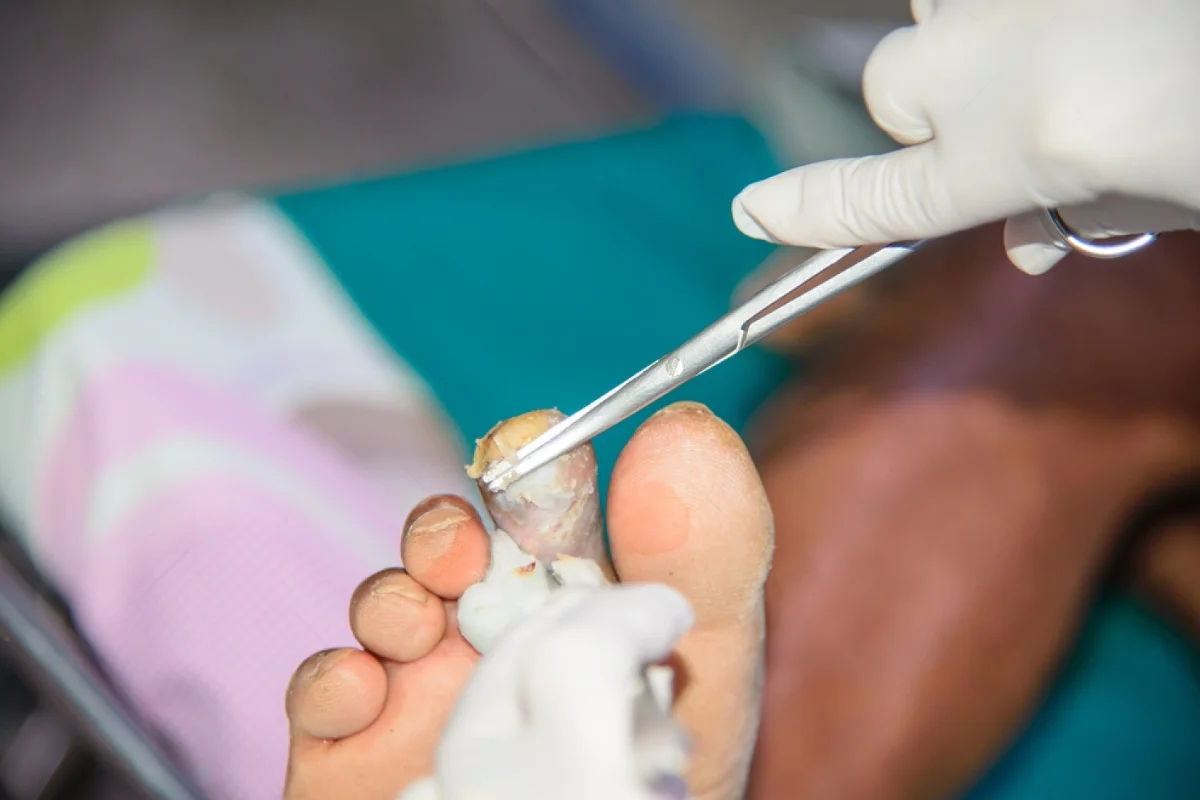
Wound debridement can be performed using several different methods. Autolytic debridement relies on the body’s own enzymes and can be supported by dressings that maintain an appropriate moisture environment. Mechanical debridement uses physical techniques to remove unwanted tissue and debris from the wound. Sharp debridement involves instruments such as scalpels, scissors, or curettes and should be performed by appropriately trained healthcare professionals. Surgical debridement can remove larger or more extensive areas of non-viable tissue and may require a specialized clinical environment. Enzymatic debridement uses topical enzymes to break down selected non-viable tissue, while biological debridement may involve medically prepared larvae under controlled clinical conditions.The most suitable technique depends on the patient’s wound and should be selected following an appropriate clinical assessment.
Autolytic Debridement and Its Role in Wound Care
Autolytic debridement uses the body’s natural processes to help separate and break down non-viable tissue. Healthcare professionals may select dressings that help maintain a suitable moisture environment for this process. The approach can be relatively selective because the body’s enzymes primarily act on damaged tissue. This method may be considered when immediate removal of large amounts of tissue is not necessary. It can take longer than some other debridement techniques, so patients may need regular monitoring. The wound must still be assessed regularly to determine whether the approach is working as intended. If the wound condition changes or complications develop, the treatment plan may need to be adjusted. Patients should use wound dressings according to professional instructions rather than attempting to accelerate the process independently.
Mechanical, Sharp, and Surgical Approaches
Mechanical debridement uses physical action to remove unwanted material from the wound. Depending on the clinical approach, this may involve irrigation, specialized products, or other controlled techniques. Sharp debridement is more targeted and uses medical instruments to remove selected non-viable tissue. Surgical debridement can involve more extensive removal and may be considered when a wound contains substantial amounts of damaged tissue or requires a more rapid intervention. These techniques require careful assessment because healthy tissue, blood vessels, nerves, and other important structures may be located near the wound. Pain management and bleeding risk may also need to be considered before and during treatment. Sharp and surgical debridement should be performed by qualified healthcare professionals with appropriate training and clinical competence. Choosing the method based on the wound rather than convenience can help support safer and more appropriate wound management.
How a Healthcare Professional Assesses a Wound Before Debridement
A thorough wound assessment is an important part of deciding whether debridement should be performed. The healthcare professional may examine the wound’s size, depth, location, appearance, drainage, odor, surrounding skin, and tissue type. The patient’s medical history and current medications may also be relevant to treatment planning. Circulation can be especially important because inadequate blood flow may interfere with healing and influence whether certain procedures are appropriate. The clinician may also consider sensation, mobility, infection, nutritional status, blood glucose management, and pressure on the affected area. This information helps the healthcare team determine which treatment approach is most appropriate. A careful assessment also provides an opportunity to identify complications that may require additional medical care.
What Patients May Experience During Debridement
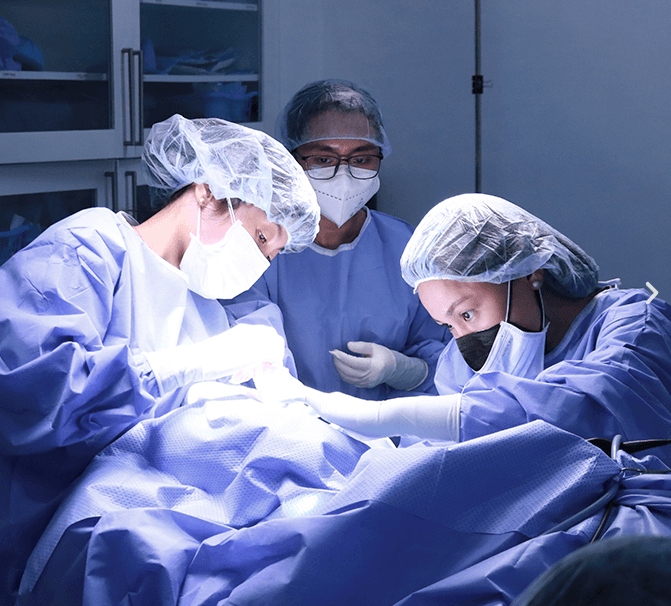
The experience of wound debridement varies considerably from one patient to another. Before treatment, the healthcare professional generally explains the procedure and evaluates the condition of the wound. Depending on the technique, the wound may be cleaned and prepared before non-viable tissue is removed. Pain management may be considered when the procedure is expected to cause discomfort. During sharp or surgical debridement, the clinician carefully removes selected tissue while attempting to preserve healthy structures. After the procedure, the wound may be reassessed to determine its appearance and ongoing treatment needs. A dressing or other wound-care measure may then be applied based on the wound’s condition and the overall treatment plan.
The Connection Between Debridement and Wound Infection
Infection is an important concern when treating chronic or complicated wounds. Non-viable tissue can provide an environment that supports microbial growth and can make it more difficult to manage the wound effectively. Debridement can remove some of this material and may assist with managing biofilm as part of broader wound care. However, patients should understand that debridement is not automatically a substitute for antimicrobial treatment when an infection requires additional medical intervention. Signs such as spreading redness, increasing warmth, swelling, worsening pain, unusual drainage, unpleasant odor, or fever should receive prompt professional attention. A clinician may need to determine whether the wound has local infection, a more serious infection, or another complication. Prompt evaluation is particularly important when the wound is worsening quickly or the patient has conditions that can affect healing.
Wound Debridement for Diabetic Foot Wounds
Diabetic foot wounds require careful attention because diabetes can affect the body’s ability to respond to injury. Reduced sensation may allow a person to overlook a cut, blister, pressure injury, or other foot problem. Circulation problems can also affect the delivery of oxygen and nutrients needed for tissue repair. When a diabetic foot wound contains non-viable tissue, a healthcare professional may determine that debridement is appropriate. However, treatment should also consider infection, pressure, circulation, blood glucose control, footwear, and other factors. Patients should never assume that a minor-looking foot wound is harmless simply because it causes little pain. Anyone with diabetes who develops a persistent, worsening, or unusual foot wound should seek professional assessment rather than attempting to remove tissue independently.
Caring for the Wound After Debridement
Wound care continues after debridement because tissue removal does not automatically mean that the wound has healed. The healthcare provider may recommend specific dressings and a schedule for changing them. Patients should follow instructions about keeping the wound clean, protected, and appropriately covered. Depending on the wound, reducing pressure or friction on the affected area may also be necessary. Patients should monitor changes in drainage, swelling, redness, pain, odor, and wound size and report concerning changes to their healthcare provider. Some wounds require repeated debridement or other interventions because new non-viable tissue may develop. Consistent follow-up gives the healthcare team an opportunity to evaluate progress and modify the treatment plan when necessary.
Finding Professional Wound Debridement Philippines Services
People searching for Wound Debridement Philippines should focus on finding qualified healthcare professionals with appropriate wound-care experience. A professional assessment should be performed before a specific debridement technique is recommended. Patients can ask whether the provider has experience treating their particular type of wound, especially if they have diabetes, circulation problems, or another condition that may complicate healing. It can also be useful to ask about available debridement techniques, wound-care facilities, follow-up arrangements, and infection-control practices. The provider should explain why a particular treatment approach is being considered and what the patient may expect during recovery. Since wound care often involves more than a single procedure, access to continuing assessment can be valuable. Selecting an appropriate provider helps ensure that debridement is integrated into a broader and individualized wound-management plan.
Why Attempting Debridement at Home Can Be Risky
Removing tissue from a wound without professional guidance can cause additional injury. A person may not be able to distinguish between dead tissue and healthy tissue simply by looking at the wound. Cutting too deeply can cause bleeding, damage viable tissue, or expose structures that need protection. Improper handling can also introduce bacteria and increase the risk of infection. People with diabetes or circulation problems may face additional risks because their wounds may heal more slowly. Sharp debridement requires knowledge of anatomy, wound assessment, infection-control practices, and appropriate instrument handling. For these reasons, patients should have suspected non-viable tissue evaluated by a qualified healthcare professional rather than using household tools to remove it.
Supporting the Body During Wound Healing
Successful wound management involves more than treating the visible wound. Patients should follow professional instructions regarding dressing changes, medications, activity, pressure reduction, and follow-up visits. Adequate nutrition and hydration may support general health and provide the body with resources needed for tissue repair. Underlying conditions should also be appropriately managed because diabetes, circulation problems, swelling, and other health concerns can affect healing. Protecting the wound from unnecessary pressure, friction, or repeated trauma may also be important. Patients should avoid applying unapproved substances or treatments unless recommended by a qualified healthcare professional. Consistent communication with the wound-care team can help identify changes early and keep treatment aligned with the patient’s progress.
Warning Signs That Require Professional Attention
Certain wound changes should not be ignored. Increasing pain, spreading redness, swelling, warmth, or unusual drainage may indicate a developing complication. A strong or worsening odor can also warrant professional assessment, especially when combined with other changes. Black, gray, yellow, or otherwise abnormal tissue may require evaluation to determine what is happening within the wound. People with diabetes should seek prompt medical attention for new or persistent foot wounds, even when discomfort is limited. Fever, chills, weakness, or feeling significantly unwell can indicate a more serious problem that needs urgent medical evaluation. A wound that becomes deeper or exposes underlying tissue should also receive prompt professional care. Early assessment can help determine whether debridement, infection management, specialized dressings, or another treatment is appropriate.
Frequently Asked Questions About Wound Debridement Philippines
What is Wound Debridement Philippines?
Wound Debridement Philippines refers to professional wound debridement services and care available to patients in the Philippines. Debridement involves removing dead, damaged, or non-viable tissue from a wound when clinically appropriate. The procedure can be part of a broader treatment plan for chronic, traumatic, diabetic, surgical, or other complex wounds.
Is wound debridement always necessary?
No, not every wound needs debridement. Some wounds can heal with appropriate cleansing, dressings, pressure management, and other forms of care. A healthcare professional should assess the wound and determine whether non-viable tissue is present and whether removing it is appropriate.
Is wound debridement painful?
Pain levels can vary depending on the wound and the technique being used. Some methods are relatively conservative, while sharp or surgical techniques may cause more discomfort. Healthcare professionals can consider pain-management options according to the patient’s needs and the procedure involved.
How many debridement sessions are needed?
The number of sessions varies between patients and wounds. A small wound may require limited treatment, while a chronic or complex wound may need repeated assessment and debridement. Ongoing evaluation helps determine whether additional treatment is needed.
Can diabetic patients undergo wound debridement?
Yes, diabetic patients may undergo debridement when it is clinically appropriate. However, diabetic wounds require careful evaluation because circulation, sensation, infection, pressure, and blood glucose management can affect healing. A qualified healthcare professional should determine the safest treatment approach.
Can wound debridement be performed at home?
Patients should not attempt sharp or surgical debridement at home. Cutting or scraping tissue without appropriate training can cause bleeding, infection, and damage to healthy tissue. Home wound care should follow specific instructions provided by a qualified healthcare professional.
What happens after wound debridement?
After debridement, the wound may be dressed and monitored according to the treatment plan. Patients may receive instructions regarding cleansing, dressing changes, pressure reduction, activity, and follow-up appointments. Continued assessment is important because the wound may require additional treatment as healing progresses.
How can I find Wound Debridement Philippines services?
Look for qualified healthcare professionals or wound-care facilities with experience managing the specific type of wound involved. Ask about their wound assessment process, available debridement methods, infection-control practices, and follow-up care. Professional evaluation should occur before deciding which debridement technique is appropriate.
Takeaway
Wound debridement can be an important component of care for wounds containing dead, damaged, or non-viable tissue. Removing this material may help improve the wound environment, make the wound easier to evaluate, and support other aspects of wound management. Different techniques, including autolytic, mechanical, sharp, surgical, enzymatic, and biological approaches, may be considered depending on the individual situation. The safest method depends on factors such as wound type, tissue condition, circulation, infection risk, underlying health conditions, and clinical expertise. People searching for Wound Debridement Philippines should seek professional assessment instead of attempting to cut or remove wound tissue themselves. Appropriate follow-up and consistent wound care remain important after treatment. When a wound is worsening, slow to heal, increasingly painful, or showing possible signs of infection, professional medical evaluation should be sought promptly.