
Establishing biological paternity can be an important step when family relationships become connected to legal rights and responsibilities. Accredited Legal Paternity DNA Testing Philippines provides a scientific approach for determining whether a tested man is the biological father of a child. When DNA results may be presented during a legal proceeding, the testing process needs to involve more than simply obtaining a genetic result. Proper identification, controlled sample collection, documentation, laboratory procedures, and chain-of-custody safeguards can all contribute to the credibility of the evidence. Philippine courts have recognized DNA testing as a valuable scientific tool in matters involving paternity and filiation. The Rules on DNA Evidence also establish procedures and standards for evaluating DNA evidence in judicial proceedings. Understanding these elements can help individuals make informed decisions before arranging a legal paternity test.
What Is Accredited Legal Paternity DNA Testing?
Accredited legal paternity DNA testing is a DNA examination performed through procedures designed for situations where the results may have legal significance. The test compares genetic information from a child and an alleged father to determine whether the genetic evidence supports biological paternity. A legal test generally includes procedures intended to verify the identities of the participants and maintain a documented chain of custody for their samples. These safeguards help demonstrate that the biological material analyzed by the laboratory came from the people identified in the testing records. This is an important distinction from an informational DNA test that is performed only to provide private answers to family members. When a DNA report could become part of a court proceeding, documentation surrounding the test may be just as important as the genetic analysis itself. Individuals searching for Accredited Legal Paternity DNA Testing Philippines should therefore examine both the laboratory’s scientific capabilities and its legal-testing procedures.
Why Legal Paternity Testing Requires Careful Documentation
DNA is biological evidence, which means the integrity of the sample needs to be protected from collection through analysis. A legal testing process normally begins with establishing the identities of the people who will participate. Appropriate documentation can then connect each participant to the biological sample collected from that person. The samples must be properly labeled and handled to reduce the possibility of accidental substitution or contamination. Records concerning the movement and handling of specimens can help establish a chain of custody. This documentation may become especially important if one party later questions whether the samples were correctly identified or handled. Philippine judicial decisions have discussed sample collection, handling, laboratory procedures, and chain of custody when evaluating DNA evidence. For this reason, individuals should ask a testing provider how these procedures are managed before scheduling an examination.
The Difference Between Legal and Non-Legal Paternity DNA Testing
A legal paternity test and a private paternity test may use similar genetic science, but their intended purposes and collection procedures can be different. Non-legal testing is usually performed to give individuals personal information about biological parentage. The participants may collect their own samples without the identity verification and controlled procedures associated with a legal examination. A legal paternity test, by contrast, generally requires documented collection and verification procedures that establish who provided each specimen. These safeguards can make the resulting evidence more suitable for evaluation in a legal proceeding. Ordering a private test first may create additional costs if a separate legally documented examination is later required. Anyone who expects a DNA result to be used in court should tell the provider this before the sample collection takes place. Choosing the appropriate type of testing at the beginning can help prevent unnecessary delays and complications.
Understanding Laboratory Accreditation
Laboratory accreditation is an important consideration when selecting a provider for legal DNA testing. Accreditation generally involves an assessment of a laboratory against specified quality and technical requirements. However, consumers should verify the laboratory’s current accreditation and determine whether it covers the relevant testing services. Accreditation should not simply be assumed because a provider uses the word “accredited” in promotional materials. Individuals can ask the laboratory for information about its accreditation body, scope, validity, quality-control procedures, and testing standards. The qualifications of the laboratory personnel performing or reviewing the DNA analysis can also be relevant. Philippine rules concerning DNA evidence identify laboratory accreditation and the qualifications of the DNA analyst among factors that may be considered when evaluating DNA evidence. Selecting a provider that is transparent about these credentials can provide greater confidence in the scientific and procedural foundation of the test.
How a Legal Paternity DNA Test Works
Paternity testing relies on the genetic information contained in DNA. Every child inherits genetic material from both biological parents, creating a genetic profile that can be compared with the profiles of potential parents. During testing, DNA is commonly obtained from cells collected from the inside of the cheek using a swab. The laboratory extracts DNA from the collected cells and examines selected genetic markers. The child’s genetic profile is compared with that of the alleged father to determine whether the alleged father can be excluded as the biological parent. When the genetic evidence does not exclude the alleged father, statistical calculations can be used to determine the strength of the evidence supporting paternity. Philippine jurisprudence recognizes DNA profiling and statistical analysis as important components of determining biological relationships.
The Steps Involved in Legal Paternity DNA Testing
The process normally begins when the participants contact a testing provider and explain that they need a legal paternity examination. The provider can explain which individuals need to participate and which identification documents are required. A controlled sample collection appointment is then arranged according to the provider’s procedures. During the appointment, participant identities can be verified and biological samples can be collected and documented. The samples are then securely handled and transferred to the laboratory for DNA analysis. Laboratory specialists analyze the genetic markers and prepare a formal report based on the results. If the DNA test is associated with a court case, the participants may need to provide the report and supporting documentation through their attorneys or according to court requirements.
Chain of Custody and Its Role in Legal DNA Evidence
Chain of custody describes the documented history of a biological specimen from collection through laboratory testing. Its purpose is to help establish that the sample analyzed by the laboratory is the same sample collected from the identified participant. A strong chain-of-custody process can include identity verification, sample labeling, secure packaging, documentation, and records of sample transfers. These safeguards reduce opportunities for sample substitution, unauthorized access, or accidental mix-ups. They can also help demonstrate that the laboratory received the correct specimens for analysis. Philippine judicial decisions have discussed chain-of-custody requirements when evaluating whether DNA evidence has been properly preserved and authenticated. This makes chain of custody an important subject for anyone looking for Accredited Legal Paternity DNA Testing Philippines. Before testing, clients should ask the provider to explain exactly how specimens are identified, sealed, transported, stored, and tracked.
Situations Where Legal Paternity DNA Testing May Be Relevant
Paternity can become a legal issue when biological parentage affects rights, responsibilities, or formal records. A disputed parent-child relationship may involve questions concerning child support or parental responsibilities. DNA evidence may also become relevant to claims involving filiation and inheritance. In some circumstances, establishing biological parentage can affect the legal recognition of a family relationship. Philippine courts have considered DNA evidence in cases involving paternity and filiation, demonstrating its potential importance in family-related legal proceedings. However, DNA testing should not be viewed as an automatic solution to every legal dispute because courts consider applicable laws, procedural requirements, and other evidence. The circumstances of each case can determine how DNA evidence is requested, obtained, and presented. Individuals involved in an active legal dispute should consider discussing the testing process with an attorney before arranging the examination.
Understanding Paternity DNA Results
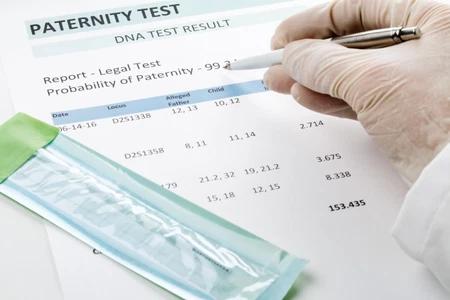
A legal paternity DNA report generally provides a scientific assessment of the genetic relationship between the tested individuals. The report may state whether the alleged father is excluded or is not excluded as the biological father. When the alleged father is not excluded, the report can provide a probability of paternity based on the genetic findings and statistical calculations. A high probability indicates strong genetic support for the tested relationship, but the exact legal significance depends on applicable rules and the circumstances of the case. Under the Philippine Rules on DNA Evidence, a probability of paternity of 99.9% or higher creates a disputable presumption of paternity. This means that the presumption can still be challenged through appropriate evidence and legal procedures. Understanding the terminology used in a DNA report can help participants avoid confusing a scientific finding with the broader legal determination of parentage.
Choosing a Reliable Legal DNA Testing Provider
The selection of a DNA testing provider deserves careful attention when the results may be used for legal purposes. Clients should first verify that the provider offers legal paternity testing rather than only private or peace-of-mind testing. They should ask about laboratory accreditation and the qualifications of the personnel responsible for DNA analysis. Questions about identity verification and controlled sample collection can reveal whether the provider follows appropriate legal-testing procedures. Clients should also ask how chain of custody is maintained from collection through laboratory analysis. It can be useful to request information about the expected turnaround time, report format, fees, and supporting documentation. A reputable provider should be willing to explain its process clearly rather than making unsupported promises about guaranteed court outcomes. Comparing providers based on scientific quality, documentation, transparency, and legal-testing procedures can be more useful than comparing prices alone.
Preparing for a Legal Paternity DNA Test
Preparation can help make the testing process smoother for everyone involved. Participants should determine what identification documents the laboratory requires before arriving for sample collection. If the test is connected to an active court case, any relevant court order or deadline should be discussed with the provider in advance. Participants should provide accurate information during registration so the laboratory’s records correctly correspond to each specimen. They should follow any instructions provided by the testing center before the appointment. The collection itself is usually simple because cheek-cell samples can generally be obtained using a swab. Even though sample collection is straightforward, the surrounding documentation and identification procedures are important for a legal test. Preparing the necessary documents and understanding the testing requirements beforehand can help prevent avoidable delays.
Privacy and Protection of DNA Information
Legal paternity testing involves sensitive genetic information, making privacy an important consideration. Before testing, participants should ask how the laboratory stores DNA samples and testing records. They should also understand who can access the report and under what circumstances information can be released. A testing provider should have policies addressing the handling of personal information, laboratory records, and biological specimens. If the test is connected to litigation, authorized attorneys or courts may receive relevant documents according to applicable procedures. Participants may also want to ask whether biological samples are retained after testing and what policies govern their storage or disposal. Understanding these policies can help individuals make informed choices about where to undergo testing. A transparent provider should be able to explain its privacy and data-handling practices without creating confusion.
Mistakes to Avoid When Seeking Legal Paternity Testing
One of the most common mistakes is failing to tell the provider that the test is intended for legal use. This can result in a private testing procedure that does not provide the documentation needed for a legal proceeding. Another mistake is selecting a provider without verifying its laboratory credentials and testing procedures. Participants should also avoid privately collecting or submitting samples when the legal process requires controlled collection. Failing to maintain proper documentation can create questions about the identity or integrity of the evidence. Another potential mistake is assuming that the DNA report by itself resolves every legal issue involving parental rights or family relationships. Philippine courts can evaluate DNA evidence together with other evidence and applicable legal requirements. Taking time to understand the testing process before collection can help participants avoid unnecessary complications later.
What the Final DNA Report Can Tell You
A formal DNA report provides the laboratory’s findings concerning the genetic relationship being tested. It may identify the participants, describe the samples analyzed, and present the genetic markers examined. The report can also provide statistical information supporting or rejecting biological paternity. Depending on the laboratory, additional documentation may explain testing procedures or quality-control measures. Participants should carefully preserve the original report and any supporting documents supplied by the provider. If the result will be used in court, an attorney may determine whether additional laboratory records or testimony are needed. A DNA report should be understood as scientific evidence rather than as a complete legal decision about every issue involving a family relationship. Reviewing the report with qualified professionals can help participants understand both its scientific findings and its potential legal relevance.
Working With Legal Professionals When Necessary
A DNA laboratory and a legal professional serve different purposes during a paternity dispute. The laboratory provides scientific testing, analyzes genetic information, and reports its findings. An attorney can explain how the evidence may relate to the legal issues involved in a particular proceeding. This distinction is important because a DNA result may establish or strongly support biological paternity without automatically resolving questions involving custody, support, inheritance, or civil status. Philippine courts evaluate DNA evidence according to applicable legal standards and the circumstances presented before them. Individuals involved in litigation should therefore avoid relying on general information as a substitute for legal advice about their specific situation. Coordinating with legal counsel can also help ensure that court orders, deadlines, and evidentiary requirements are addressed appropriately. Combining reliable laboratory testing with appropriate legal guidance can make the overall process more organized and informed.
Frequently Asked Questions About Accredited Legal Paternity DNA Testing Philippines
What is Accredited Legal Paternity DNA Testing Philippines?
Accredited Legal Paternity DNA Testing Philippines refers to paternity DNA testing performed through a laboratory and testing process intended for legal purposes. The process generally includes participant identification, controlled sample collection, documentation, and chain-of-custody procedures. The DNA analysis itself determines whether genetic evidence supports or excludes biological paternity. Individuals should verify the provider’s current accreditation and legal-testing procedures before arranging the test. The word “accredited” should be verified rather than accepted solely based on advertising claims. Clients should also ask whether the laboratory’s accreditation covers the relevant DNA testing services.
Can a legal paternity DNA test be used in a Philippine court?
DNA evidence can be considered by Philippine courts under the applicable Rules on DNA Evidence. Courts may examine the reliability of the testing process, including sample handling, chain of custody, laboratory qualifications, and testing methodology. A legally documented test can provide evidence designed to meet the procedural concerns associated with legal use. However, no laboratory should guarantee a particular court outcome. The court ultimately determines the evidentiary significance of the DNA results. Individuals involved in litigation should consult legal counsel about the specific requirements of their proceeding.
What is chain of custody in DNA testing?
Chain of custody is the documented record showing how a biological sample was collected, identified, handled, transferred, stored, and analyzed. It helps establish that the sample tested by the laboratory came from the person identified in the records. Proper documentation can reduce concerns about substitution, contamination, or sample mix-ups. This is especially important when DNA evidence may be challenged during a legal proceeding. Participants should ask the provider how its chain-of-custody process works before testing. Philippine legal standards recognize the importance of proper handling and documentation of DNA evidence.
Is a cheek swab enough for a legal paternity test?
A cheek swab can provide DNA suitable for paternity analysis, but the important distinction is how the sample is collected and documented. For legal testing, the collection process generally needs appropriate identity verification and documentation. Simply collecting a cheek swab privately does not necessarily establish who provided the biological material. A controlled collection appointment can provide the documentation needed to connect the specimen to the identified participant. The laboratory can explain the specific collection requirements for its legal testing service. Anyone seeking testing for court purposes should arrange the appropriate legal collection procedure from the beginning.
Does the mother need to take part in paternity testing?
The participants required for testing can vary according to the laboratory’s testing protocol and the circumstances of the case. A paternity test can involve the child and alleged father, while testing the mother may provide additional genetic information. Including the mother can sometimes help identify which genetic markers originated from the maternal side. The laboratory can explain whether maternal participation is recommended or required for the specific test. If a court order identifies particular participants, those requirements should also be followed. Clients should clarify participant requirements before scheduling the collection appointment.
What does a 99.9% paternity result mean?
Under the Philippine Rules on DNA Evidence, a probability of paternity of 99.9% or higher creates a disputable presumption of paternity. The term “disputable” is important because the presumption may still be challenged through appropriate legal procedures and evidence. The percentage should therefore not be treated as a guarantee that every legal issue has been resolved. The complete DNA report should be reviewed to understand the testing methodology and statistical findings. A legal professional can explain how the result may affect a particular court proceeding. The laboratory can address scientific questions about how the probability was calculated.
How much does legal paternity DNA testing cost in the Philippines?
The cost varies depending on the provider and the circumstances of the examination. Factors can include the number of participants, collection location, testing requirements, turnaround time, and documentation requested. Legal testing may involve additional procedures compared with private testing because of controlled collection and identity verification. Clients should request a detailed quotation before scheduling. They should also ask what services are included in the quoted amount. Comparing only the lowest price may not provide a complete picture of the value or suitability of the testing service.
How long does a legal paternity DNA test take?
Turnaround times vary among laboratories and can depend on sample collection, laboratory workload, testing procedures, and reporting requirements. Some providers may offer standard and expedited testing options. Legal testing can involve additional documentation compared with a private DNA examination. Anyone working under a court deadline should inform the provider before scheduling the test. The laboratory can provide an estimated timeframe based on its current procedures. Allowing sufficient time can help prevent unnecessary pressure when the DNA report is needed for a legal matter.
Takeaway
Accredited Legal Paternity DNA Testing Philippines can provide valuable scientific evidence when biological paternity becomes an important legal issue. The quality of a legal DNA test depends not only on the genetic analysis but also on the procedures used before, during, and after sample collection. Identity verification, controlled collection, chain of custody, laboratory accreditation, analyst qualifications, and appropriate documentation can all contribute to the credibility of the evidence. Individuals should carefully verify a provider’s credentials and confirm that the selected service is specifically intended for legal use. They should also understand that a DNA report addresses biological relationships, while broader legal questions may require the guidance of a qualified attorney. When paternity affects family rights, financial responsibilities, inheritance, or civil status, obtaining reliable information from both the testing provider and appropriate legal professionals can help individuals make informed decisions. A carefully documented testing process can provide a stronger foundation for understanding and appropriately using DNA evidence in a Philippine legal setting.