
Finding reliable diagnostic imaging services is an important part of maintaining good health. Whether you need an examination for pregnancy monitoring, abdominal discomfort, or a physician-recommended medical evaluation, understanding your options can help you make informed decisions. For residents of Cabanatuan City and nearby communities in Nueva Ecija, ultrasound services provide a convenient way to obtain valuable information about different parts of the body. Searching for ultrasound cabanatuan can help patients identify local hospitals and diagnostic centers, compare available examinations, and learn how to prepare for an appointment. Knowing what to expect before, during, and after an ultrasound can also make the experience less stressful. From understanding common scan types to learning about costs and results, having the right information allows patients to approach diagnostic imaging with greater confidence.
Understanding Ultrasound Services in Cabanatuan
Ultrasound imaging is a diagnostic procedure that uses high-frequency sound waves to produce images of internal body structures. Healthcare professionals use these images to examine organs, tissues, blood vessels, and developing babies during pregnancy. Unlike X-rays and CT scans, ultrasound does not use ionizing radiation, making it a widely used imaging method for many clinical applications. Doctors may recommend an ultrasound to investigate symptoms, monitor an existing condition, or evaluate findings from a physical examination. Patients looking for ultrasound cabanatuan services can explore hospitals and diagnostic centers that provide the examination recommended by their healthcare provider. The specific scan required depends on the patient’s symptoms, medical history, and clinical needs. Choosing a suitable facility and following the recommended examination instructions can help ensure that the imaging process proceeds smoothly.
Common Types of Ultrasound Examinations Available
Different ultrasound examinations are designed to evaluate specific organs and body systems. An obstetric ultrasound is commonly used during pregnancy to assess fetal development, estimate gestational age when appropriate, and evaluate the baby’s position. A pelvic ultrasound examines structures such as the uterus and ovaries, while an abdominal ultrasound can assess organs including the liver, gallbladder, kidneys, pancreas, and spleen. Breast ultrasound may help evaluate a lump or another finding that requires further investigation. Thyroid ultrasound provides images of the thyroid gland and can help assess nodules or other structural changes. Renal and urinary tract ultrasound can evaluate the kidneys and bladder, depending on the examination requested. Doppler ultrasound is a specialized technique that assesses blood flow through certain blood vessels, making it useful in selected vascular and pregnancy-related evaluations.
Not every diagnostic center offers every type of ultrasound, so patients should confirm the available services before scheduling an appointment. The examination must also match the request made by the healthcare professional whenever a specific scan has been prescribed. Some conditions may require additional diagnostic procedures because ultrasound cannot provide every type of medical information. Patients should discuss any questions about the recommended examination with their doctor before visiting a facility.
When Should You Consider Getting an Ultrasound?
A healthcare professional may recommend an ultrasound when symptoms or examination findings require further investigation. Persistent abdominal discomfort, certain pelvic symptoms, or a noticeable lump may lead a physician to request an appropriate scan. During pregnancy, ultrasound can help monitor development and evaluate specific concerns when clinically indicated. Doctors may also use ultrasound to investigate abnormalities identified through physical examinations, laboratory testing, or other imaging procedures. Patients with known medical conditions may need follow-up examinations to monitor changes over time. However, an ultrasound is not necessary for every symptom, and the most appropriate diagnostic approach depends on an individual assessment. People should consult a qualified healthcare professional instead of choosing a scan solely because it is advertised by a nearby facility.
How to Choose an Ultrasound Clinic in Cabanatuan
Choosing a suitable ultrasound clinic involves more than finding the closest location or the lowest advertised price. Patients should first confirm that the facility provides the specific examination requested by their physician. It is also important to ask about the qualifications of the professionals performing the examination and the arrangements for interpreting and reporting the images. Appropriate equipment, established examination protocols, and well-maintained facilities contribute to a professional diagnostic imaging experience. Patients may also consider appointment availability, waiting times, accessibility, and the convenience of reaching the clinic from home or work. Clear communication is another important factor because staff should be able to explain preparation requirements, expected procedures, and how results will be released. Before making an appointment, patients should ask about fees, payment methods, and whether their HMO or health insurance plan covers the examination.
Reading patient feedback may provide additional insight into scheduling, customer service, and the overall clinic experience. However, online reviews should not replace verification of professional credentials or medical suitability. Patients should also confirm whether a referral or written ultrasound request is required. By considering these factors together, individuals searching for ultrasound cabanatuan services can make a more informed choice.
Where to Find Ultrasound Services in Cabanatuan City
Cabanatuan City serves as a healthcare destination for many residents of Nueva Ecija and surrounding communities. Patients can inquire with local hospitals and diagnostic centers to determine which ultrasound examinations are available. GoodSam Medical Center and Hi-Precision Diagnostics Cabanatuan are examples of facilities to investigate when looking for diagnostic imaging services in the area. Their current offerings, appointment arrangements, and examination availability should be confirmed directly before visiting. Patients should explain which ultrasound was requested so that the facility can provide the correct information about scheduling and preparation. It is also helpful to ask about the location, operating hours, expected waiting time, and process for obtaining the imaging report. Because services and fees may change, contacting the facility directly is more reliable than assuming that all examinations are available every day.
When comparing local options, patients should consider the facility’s ability to accommodate their particular medical needs. A center that performs routine abdominal scans may not necessarily offer every specialized Doppler or pregnancy-related examination. Patients who require urgent assessment should follow medical advice about where and when to seek care rather than waiting for a routine appointment. Confirming the details ahead of time can help prevent unnecessary travel and delays.
How to Prepare for an Ultrasound Appointment
Preparation depends on the type of ultrasound being performed. Some abdominal examinations require fasting for a specified period because food can affect visualization of certain structures, particularly the gallbladder. Certain pelvic or urinary bladder examinations may require drinking water beforehand so that the bladder is sufficiently full. Other scans may have few preparation requirements, although patients should always follow the instructions provided by the imaging facility. Bringing the ultrasound request, relevant medical records, previous imaging reports, and identification can help the staff complete the registration process. Patients should also inform their healthcare provider or imaging team about relevant medical history, allergies to materials used during the examination if applicable, and any special circumstances that could affect the procedure. Regular medications should not be stopped unless a qualified healthcare professional specifically advises a change.
Wearing comfortable clothing can make it easier for the staff to access the area being examined. Patients who are unsure whether to fast, drink water, or arrive at a particular time should contact the clinic before the appointment. Following the correct preparation instructions can improve image quality and reduce the likelihood of needing to repeat an examination. These simple steps can make an ultrasound appointment more convenient and less stressful.
What Happens During an Ultrasound Examination?
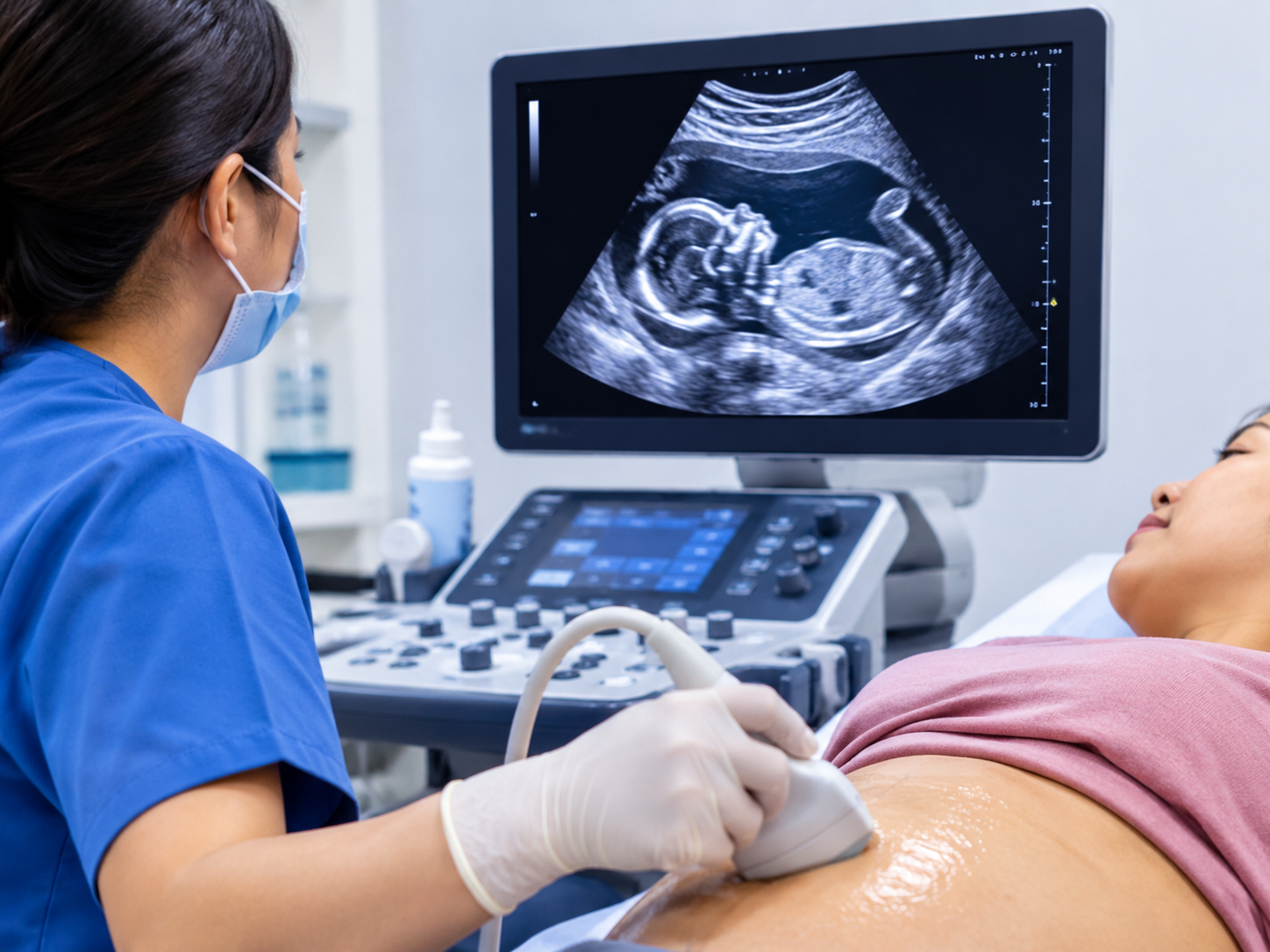
An ultrasound appointment generally begins with registration and confirmation of the requested examination. Staff may ask about symptoms, relevant medical history, and previous imaging procedures before the scan starts. The patient is then guided to an examination room and positioned on a bed according to the area being assessed. For many external ultrasounds, a water-based gel is applied to the skin to help sound waves travel between the transducer and the body. The imaging professional moves the transducer across the examination area to capture images from different angles. The patient may be asked to change position, hold their breath briefly, or follow other instructions to help obtain clear images. Most external ultrasound examinations are noninvasive and generally well tolerated, although pressure from the transducer may cause temporary discomfort in sensitive areas.
The length of the appointment depends on the type of scan and the images required. Many routine examinations take approximately 15 to 30 minutes, but some may take longer. Certain specialized examinations, including transvaginal ultrasound, involve a different approach and should be explained to the patient beforehand. Patients can ask questions about the procedure and should communicate any significant discomfort to the staff. After the examination, the gel is removed, and patients can usually return to their normal activities unless they receive different instructions. The images are then reviewed according to the facility’s reporting process.
Understanding Ultrasound Results and Follow-Up Care
Ultrasound images need to be interpreted by an appropriately qualified healthcare professional. The resulting report describes the structures examined and any relevant findings identified during the procedure. Depending on the circumstances, the findings may help a physician evaluate symptoms, monitor a known condition, or decide whether additional testing is appropriate. Patients should ask the facility when the report will be available and how it will be delivered. It is important to review the findings with the healthcare professional who requested the scan because imaging results must be interpreted alongside symptoms, physical examination findings, and other medical information. A normal ultrasound does not always rule out every possible condition, particularly when the suspected problem cannot be clearly evaluated using ultrasound alone. If the report identifies an abnormality, the next step may involve further imaging, laboratory tests, specialist consultation, monitoring, or treatment, depending on the clinical situation.
Patients should avoid attempting to diagnose themselves solely from individual images or unfamiliar medical terms in the report. Their physician can explain which findings are important and whether any follow-up is necessary. People experiencing worsening or severe symptoms should seek appropriate medical assessment rather than waiting for a scheduled discussion of routine results. Keeping copies of previous reports can also help healthcare professionals compare findings during future examinations.
Factors That May Affect Ultrasound Costs in Cabanatuan
The cost of an ultrasound in Cabanatuan can vary according to the examination requested and the facility providing it. A routine abdominal scan may have a different fee from a specialized Doppler study or a more detailed pregnancy-related examination. Other factors may include the facility’s professional fees, equipment, reporting arrangements, and any additional services included in the appointment. Patients searching for ultrasound cabanatuan prices should request an updated quotation directly from their preferred hospital or diagnostic center. They should ask whether the quoted amount covers the examination, interpretation, and written report or whether separate charges may apply. Patients with HMO coverage or health insurance should confirm eligibility, participating-provider arrangements, referral requirements, and any applicable out-of-pocket expenses before scheduling. Comparing prices can be useful, but the decision should also account for the requested examination, professional qualifications, convenience, and quality of communication.
It is best to avoid relying on outdated online prices because fees and service arrangements can change. Patients can also ask whether appointments are required or whether walk-in examinations are accepted. Understanding the total expected cost beforehand makes it easier to plan the visit and avoid unexpected expenses.
Frequently Asked Questions About Ultrasound Cabanatuan
1. Where can I get an ultrasound in Cabanatuan City?
You can contact hospitals and diagnostic centers in Cabanatuan that advertise ultrasound services. Ask whether they offer the specific examination requested by your healthcare professional and confirm their current schedule before visiting.
2. How much does an ultrasound cost in Cabanatuan?
The price depends on the type of ultrasound, the facility, and the services included. Contact your chosen diagnostic center for its current fee and ask whether the report or other related services involve additional charges.
3. Do I need a doctor’s request before getting an ultrasound?
Requirements vary by examination and facility. Some scans may require a written request or referral, so it is best to check with the clinic and consult a healthcare professional about the appropriate examination.
4. Do I need to fast before an ultrasound?
Some abdominal ultrasound examinations require fasting, while other scans may not. Follow the instructions provided by your healthcare professional or imaging facility because preparation requirements differ by examination.
5. Is ultrasound safe during pregnancy?
Diagnostic ultrasound uses sound waves rather than ionizing radiation and is widely used in pregnancy care when medically appropriate. Examinations should be performed by trained professionals for appropriate medical purposes, following recommended clinical practices.
6. How long does an ultrasound examination take?
Many routine ultrasound examinations take approximately 15 to 30 minutes, although the actual duration varies according to the body part being examined and the complexity of the procedure.
7. When will I receive my ultrasound results?
The reporting time depends on the facility, the type of examination, and the review process. Ask when your report will be available and arrange to discuss the findings with the healthcare professional who requested the scan.
8. Should I bring my previous ultrasound results?
Yes, when available. Previous reports and images may help healthcare professionals compare changes over time, particularly when monitoring an existing condition or following up on an earlier finding.
Takeaway: Finding the Right Ultrasound Service in Cabanatuan
Finding an appropriate ultrasound facility can help patients access important diagnostic information and follow their healthcare provider’s recommendations. For people searching for ultrasound cabanatuan, understanding the different scan types, preparation requirements, examination process, and possible costs makes it easier to plan a visit. Local hospitals and diagnostic centers can provide information about their services, but patients should confirm current availability, fees, and appointment requirements directly. Choosing a facility involves considering professional qualifications, the specific examination needed, clear communication, and convenient access. Following preparation instructions and bringing relevant medical records can help make the appointment more efficient. After the scan, patients should review their results with a qualified healthcare professional who can explain the findings and recommend appropriate next steps. With careful planning and reliable medical guidance, patients in Cabanatuan City and nearby communities can approach ultrasound examinations with greater confidence and a clearer understanding of their healthcare needs.