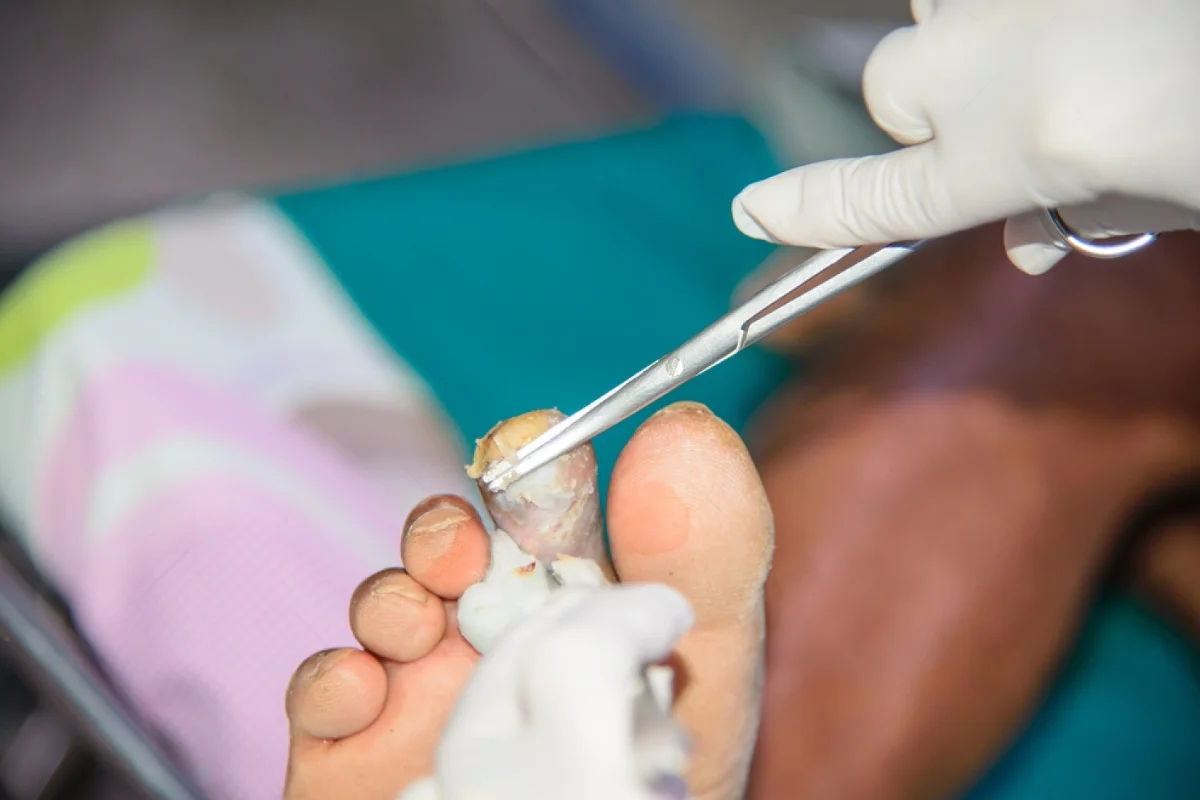
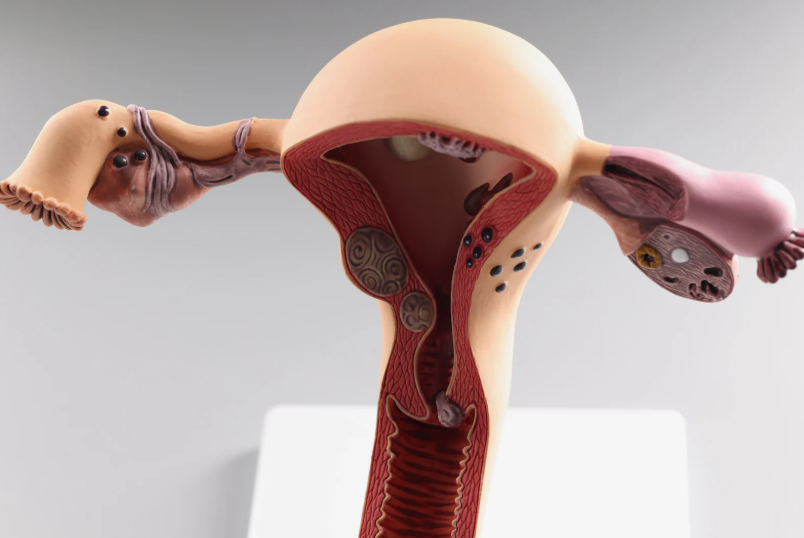
A recommendation for testicle removal surgery can bring many questions about health, recovery, fertility, hormones, appearance, and future treatment. Clear medical guidance can help patients and families make careful decisions without added confusion. The Specialists Surgery & Cancer Center (TSSCC) provides doctor-led assessment and focused surgical care for patients seeking Orchiectomy in Manila, with clinic access through Quezon City, Metro Manila.
Orchiectomy is surgery that removes one or both testicles. Doctors may recommend the procedure for testicular cancer, severe trauma, persistent infection, chronic pain linked to damaged tissue, selected hormonal conditions, or other medical concerns. The National Cancer Institute defines orchiectomy as surgery to remove one or both testicles.
TSSCC supports patients through consultation, surgical planning, outpatient care for suitable cases, and post-surgery guidance. Every case requires individual review because diagnosis, general health, anaesthesia needs, and treatment goals can affect the recommended approach.
What Is Orchiectomy?
Orchiectomy removes one testicle or both testicles through a surgical procedure. Another spelling, orchidectomy, refers to the same operation. The reason for surgery determines which technique a doctor may recommend, where the incision may be placed, and whether other tissue must also be removed.
A unilateral orchiectomy removes one testicle. A bilateral orchiectomy removes both. These procedures can have different effects on hormone levels, fertility, sexual health, and emotional well-being. Patients considering Orchiectomy in Manila should receive a full explanation of these possible effects before giving consent.
Testicular cancer care often requires a radical inguinal orchiectomy. This approach removes the affected testicle through a groin incision and may also remove the attached spermatic cord. A laboratory then examines the tissue. The National Cancer Institute identifies radical inguinal orchiectomy as the usual procedure for diagnosis and treatment of a malignant testicular mass.
Other medical conditions may call for a different approach. A surgeon selects the procedure according to the diagnosis rather than applying one method to every patient.
Who May Need Orchiectomy in Manila?
A doctor may discuss Orchiectomy in Manila when damaged, infected, painful, or suspicious testicular tissue threatens a patient’s health. Common reasons may include:
- Testicular cancer or a mass strongly suspected to be cancerous
- Severe injury that leaves the testicle badly damaged
- Persistent infection or abscess that no longer responds to medical care
- Chronic pain connected with testicular atrophy or irreversible tissue damage
- Hormonal management recommended by a qualified doctor
- Selected genetic, reproductive, or gender-affirming care needs
- Other conditions where keeping the affected testicle may create greater medical risk
Surgery should never be based on symptoms alone. Scrotal pain, swelling, a lump, or a change related to testicle size needs proper assessment. Some conditions require urgent care, while others may respond to medicine or another procedure. A consultation helps determine whether surgery is needed and whether TSSCC’s outpatient setting suits the patient’s condition.
Orchiectomy for Testicular Cancer
Testicular cancer is one of the best-known reasons for orchiectomy. Surgery may support both diagnosis and treatment because the removed tissue can be studied under a microscope. MedlinePlus notes that assessment for testicular cancer may include a physical examination, blood tests, ultrasound, and inguinal orchiectomy.
Patients should understand that removal of a suspicious testicle does not always complete cancer care. Further management may depend on the tumour type, stage, blood test results, imaging findings, and laboratory report. Some patients may need monitoring, while others may need chemotherapy, radiotherapy, lymph-node surgery, or another specialist service.
Anyone seeking Orchiectomy in Manila because of possible cancer should ask how tissue testing will be handled, when results may become available, and which specialist will guide the next stage of care. TSSCC can support clear planning before surgery and direct patients toward added oncology services when required.
Types of Orchiectomy a Surgeon May Discuss
Several orchiectomy techniques exist. The correct option depends on the medical reason, tissue condition, cancer risk, and patient goals.
Radical Inguinal Orchiectomy
A surgeon makes an incision near the groin and removes the testicle, usually together with the spermatic cord. This approach is commonly used when testicular cancer is suspected. Cancer-related surgery must follow the method recommended by the treating specialist.
Simple Orchiectomy
A simple orchiectomy generally removes the testicle through a scrotal incision. Doctors may consider this approach for selected non-cancer conditions or certain hormonal treatment plans. It is not the usual approach for a suspicious testicular mass.
Unilateral Orchiectomy
This procedure removes one testicle. The remaining healthy testicle may continue producing testosterone and sperm, though each patient’s baseline health and fertility status matter. A doctor may recommend hormone tests or fertility assessment when concerns exist.
Bilateral Orchiectomy
This procedure removes both testicles. It has a greater effect on testosterone production and reproductive ability. Detailed counselling should cover hormone management, fertility implications, sexual health, bone health, and emotional support before surgery.
A consultation for Orchiectomy in Manila gives patients time to ask why a certain technique has been recommended and what the expected effects may be.
What Happens During a Surgical Consultation?
A careful consultation starts with medical history, current symptoms, past surgery, medicines, allergies, fertility goals, and other health conditions. The doctor may perform a physical examination and review ultrasound findings, laboratory results, or scans.
Patients with suspected cancer may need blood tests for tumour markers before surgery. The National Cancer Institute notes that AFP, LDH, and beta-hCG measurements should be obtained before orchiectomy for a malignant testicular mass.
The consultation should also cover:
- Why surgery is being considered
- Which testicle may need removal
- Whether one or both testicles are affected
- The proposed incision and surgical technique
- Anaesthesia options and related safety checks
- Possible risks and complications
- Fertility preservation choices
- Testosterone concerns
- Testicular prosthesis options
- Expected recovery and activity limits
- Follow-up care and possible added treatment
- Estimated fees based on the patient’s case
TSSCC places value on clear guidance from assessment through post-surgery support. Patients seeking Orchiectomy in Manila may use this discussion to understand both medical need and practical preparation.
Preparing for Orchiectomy Surgery
Preparation may differ according to the procedure and the patient’s health. The surgical team may request blood tests, imaging, anaesthesia clearance, or added specialist review. Patients should provide a full list of prescription medicines, over-the-counter products, vitamins, and supplements.
The doctor may give fasting instructions before anaesthesia. Patients should follow these directions closely and avoid stopping any medicine without medical approval. A responsible adult may need to accompany the patient and provide transport after discharge.
Practical preparation may include loose clothing, supportive underwear, a clean recovery space at home, and help with daily duties during the first few days. Patients should also ask how much time away from work may be necessary, especially when a job requires lifting, driving, prolonged standing, or physical labour.
Fertility planning deserves attention before surgery whenever future parenthood matters. Sperm banking may be discussed before cancer treatment or bilateral orchiectomy. This conversation should happen early enough to avoid rushed decisions.
What Happens During Orchiectomy?
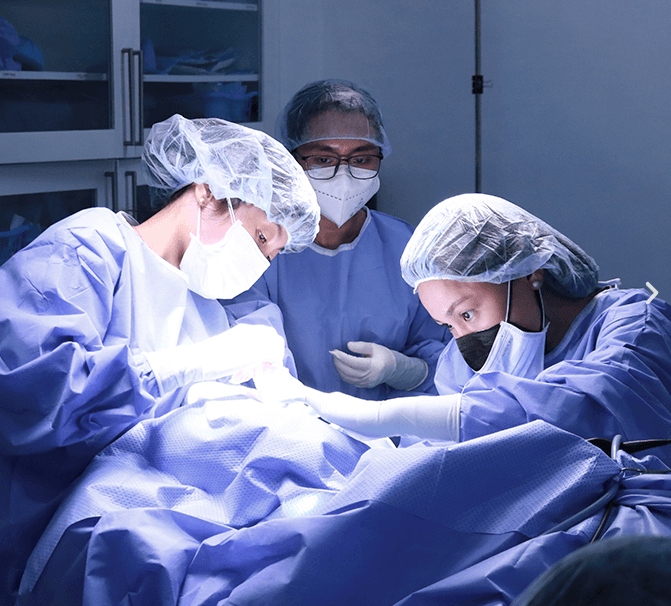
The patient receives anaesthesia based on the procedure and medical plan. The surgical area is prepared, and the surgeon makes an incision through the groin or scrotum according to the chosen technique. The affected testicle is removed, along with other tissue when medically required. The incision is then closed, and the patient moves to a recovery area for monitoring.
Procedure length can vary. Anaesthesia recovery, pain control, urination, vital signs, and the patient’s ability to move safely may affect discharge timing. Cleveland Clinic reports that orchiectomy often does not require an overnight hospital stay, although each person’s discharge plan depends on medical circumstances.
TSSCC offers focused outpatient surgical care for suitable patients. Outpatient care does not mean every case follows the same schedule. Some patients may need hospital-based surgery, longer monitoring, or added support because of cancer complexity, other health conditions, or anaesthesia risk.
Benefits of Focused Outpatient Care at TSSCC
Patients choosing TSSCC for Orchiectomy in Manila may value a surgical setting built around focused procedures, patient comfort, and organised follow-up. The centre’s approach aims to reduce unnecessary hospital exposure and limit unnecessary admission costs where outpatient surgery is medically suitable.
Potential advantages may include:
- Doctor-guided planning based on diagnosis
- A focused environment for selected surgical procedures
- Greater privacy for a sensitive health concern
- Clear preparation and discharge instructions
- Accessible Quezon City clinic locations
- Support for patients from Metro Manila and nearby provinces
- Cost discussions before the planned procedure
- Follow-up guidance after surgery
Suitability remains a medical decision. TSSCC’s team must review each patient before confirming whether outpatient care is appropriate.
Recovery After Orchiectomy
Recovery varies according to surgical technique, overall health, work demands, and whether added treatment is required. Bruising, swelling, soreness, and temporary discomfort near the groin or scrotum may occur after surgery. Pain medicine, supportive underwear, and careful wound care may help during early recovery.
Guys and St Thomas’ NHS Foundation Trust states that full recovery after radical orchidectomy may take about one to four weeks, with bruising and swelling considered common during recovery. This range is general guidance rather than a promise for every patient.
Patients recovering after Orchiectomy in Manila should follow their own surgeon’s directions regarding:
- Keeping the wound clean and dry
- Changing dressings
- Showering or bathing
- Wearing supportive underwear
- Taking prescribed medicine
- Avoiding heavy lifting
- Returning to work
- Driving
- Exercise and sports
- Sexual activity
- Follow-up appointments
Trying to resume demanding activity too soon may place stress on the wound. Patients should ask for written recovery directions before leaving the facility.
Warning Signs That Need Medical Attention
Patients should contact their surgical team promptly when they notice symptoms that could suggest a complication. These may include:
- Fever or chills
- Worsening redness around the wound
- Pus, unusual fluid, or unpleasant odour
- Heavy bleeding
- Rapidly growing swelling
- Severe pain not controlled by prescribed medicine
- Wound separation
- Difficulty passing urine
- Shortness of breath, chest pain, fainting, or another urgent symptom
Emergency symptoms require immediate medical care. Patients should keep TSSCC’s contact details and emergency instructions readily available after surgery. Cleveland Clinic advises contacting a healthcare provider promptly for fever, severe pain, urination problems, wound redness, blood, or pus after orchiectomy.
Fertility, Testosterone, and Sexual Health
Removal of one testicle may have different effects from removal of both. A healthy remaining testicle may provide enough testosterone and sperm for some patients, but fertility or hormone problems can still occur. Prior health conditions, cancer treatment, age, and baseline testicular function can influence results.
Bilateral orchiectomy greatly reduces testosterone production and removes natural sperm production from the testicles. A doctor may discuss testosterone replacement where medically appropriate. Patients should ask about hormone testing, possible symptoms of low testosterone, bone health, sexual desire, erections, mood, and long-term follow-up.
People considering Orchiectomy in Manila should discuss reproductive goals before surgery. Sperm preservation may be worth considering before treatment, especially where cancer therapy or removal of both testicles may affect fertility.
Emotional Well-Being and Body Image
Orchiectomy can affect more than physical health. Patients may feel anxious about cancer, masculinity, fertility, sexual relationships, appearance, or future plans. These concerns deserve respectful attention rather than dismissal.
A testicular prosthesis may be available for patients who prefer a more natural scrotal appearance. The NHS notes that patients having testicular cancer surgery may be offered an artificial testicle. A surgeon can explain placement, possible risks, and whether a prosthesis suits the patient.
Support from a partner, family member, counsellor, cancer support group, or mental health professional may help patients process the emotional effects of surgery. TSSCC’s patient-centred approach encourages clear, private discussion before and after the procedure.
Why Choose TSSCC for Orchiectomy in Manila?
The Specialists Surgery & Cancer Center serves patients who need accessible surgical assessment and outpatient procedures within Quezon City. Its care model centres on affordability, safety, patient comfort, early diagnosis, and practical post-surgery support.
Experienced Surgical Doctors
TSSCC works with doctors who manage orchiectomy and other surgical concerns. Each recommendation follows medical assessment rather than a standard package applied to every patient.
A Focused Alternative to Hospital-Based Surgery
Suitable patients may receive care through an outpatient setting designed to reduce unnecessary hospital stays and exposure to crowded medical areas. Some conditions still require hospital care, and the doctor will explain the safest option.
Accessible Care for Filipino Families
Cost can affect how quickly patients seek treatment. TSSCC aims to provide reasonable surgical options while maintaining proper assessment, preparation, and aftercare.
Support Through Each Stage of Care
Patients receive guidance about consultation, tests, preparation, surgery, discharge, wound care, and follow-up. Cancer-related cases may also require coordination with oncology specialists.
Quezon City Access
TSSCC has clinic access along East Avenue and at Fairview, helping patients from Metro Manila and nearby provinces seek Orchiectomy in Manila without travelling far from the capital region.
Questions to Ask Before Orchiectomy
A well-prepared patient may wish to ask:
- Why do you recommend orchiectomy for my condition?
- Which surgical approach will you use?
- Will one or both testicles be removed?
- Will tissue be sent for laboratory testing?
- Could I need further cancer treatment?
- How may surgery affect fertility?
- Should I consider sperm banking?
- Could my testosterone level change?
- May I request a testicular prosthesis?
- Am I suitable for outpatient surgery?
- What fees should I prepare for?
- How long may recovery take for my type of work?
- Which symptoms require urgent care?
- When will follow-up take place?
Writing questions before consultation can help patients remember concerns during an emotional appointment.
Request a Private Assessment at TSSCC
A doctor must confirm whether orchiectomy is appropriate after reviewing symptoms, test results, health history, and treatment goals. Early assessment may help patients understand available options and avoid delays where cancer, severe infection, or serious tissue damage is suspected.
Patients seeking Orchiectomy in Manila may contact The Specialists Surgery & Cancer Center for a private consultation at its Quezon City clinics. The care team can explain assessment requirements, possible surgical options, outpatient eligibility, expected fees, and recovery planning.
This article provides general education only. It does not replace diagnosis, examination, or advice from a qualified medical professional.
Frequently Asked Questions About Orchiectomy in Manila
What Is Orchiectomy?
Orchiectomy is surgery to remove one or both testicles. The procedure may be recommended for cancer, severe injury, persistent infection, chronic pain connected with damaged tissue, hormonal management, or another medical reason.
Is Orchiectomy Always Related to Cancer?
No. Testicular cancer is a common reason, but orchiectomy may also be considered for severe trauma, infection, atrophy, chronic pain, or selected hormonal and reproductive health concerns.
Can Orchiectomy in Manila Be an Outpatient Procedure?
Selected patients may qualify for outpatient surgery after medical assessment. Diagnosis, anaesthesia needs, cancer complexity, and other health conditions can affect whether same-day discharge is safe.
How Long Does Recovery Take?
Many patients need several weeks for full recovery, though the actual period varies. Surgical technique, work demands, healing progress, and added treatment can affect timing. The surgeon’s directions should guide activity.
Will Removal of One Testicle Cause Infertility?
Not always. A healthy remaining testicle may continue producing sperm and testosterone. Baseline fertility, age, cancer treatment, and other health concerns may affect results. Fertility testing or sperm banking may be discussed before surgery.
What Happens After Removal of Both Testicles?
Bilateral orchiectomy greatly reduces testosterone and ends sperm production from the testicles. A doctor may discuss hormone replacement, fertility preservation before surgery, bone health, sexual health, and long-term monitoring.
Is a Testicular Prosthesis Available?
A testicular prosthesis may be considered for cosmetic appearance. Patients should ask the surgeon about suitability, timing, placement, and possible complications.
What Are Common Risks?
Possible risks include bleeding, infection, pain, swelling, anaesthesia reactions, delayed healing, hormonal changes, fertility effects, and emotional distress. Risk levels differ from one patient to another.
How Much Does Orchiectomy in Manila Cost?
Cost depends on the procedure type, anaesthesia, required tests, surgeon’s assessment, facility needs, laboratory examination, medicines, and follow-up care. TSSCC can provide case-based fee guidance after consultation.
Where Can I Seek Orchiectomy in Manila?
The Specialists Surgery & Cancer Center offers assessment and selected outpatient surgical services through Quezon City clinic locations, including East Avenue and Fairview. Patients from Metro Manila and nearby provinces may request an appointment for doctor-guided evaluation.