Foot necrosis is a serious health condition involving the death of tissue in the foot. It can develop when tissues do not receive sufficient blood and oxygen or when they are severely damaged by infection, trauma, or another underlying medical problem. The condition may begin with changes that seem minor, such as unusual skin discoloration, numbness, or a wound that does not heal properly. Without appropriate medical attention, however, tissue damage can progress and affect larger areas of the foot. Understanding the causes and warning signs of foot necrosis can help people recognize when professional evaluation is necessary. Certain groups, including people with diabetes and circulation disorders, may have a particularly high risk of developing serious foot complications. Prompt assessment is important because treatment is focused on addressing the underlying cause and protecting as much healthy tissue as possible.
Understanding How Foot Necrosis Develops
Healthy foot tissue depends on an adequate supply of oxygen-rich blood to maintain normal cellular function. When blood flow becomes severely restricted, cells may become damaged and eventually die. Tissue death can also result from severe infections that directly destroy tissue or from traumatic injuries that damage blood vessels and surrounding structures. In some situations, the affected area may initially have subtle symptoms before more obvious changes develop. Skin can become pale, blue, purple, gray, or black depending on the underlying process and severity. Some people experience intense pain, while others may have little sensation because of nerve damage. The progression of foot necrosis can vary significantly, which is why unusual foot changes should be assessed rather than monitored indefinitely at home.
Major Causes of Foot Necrosis
There are several medical conditions and circumstances that can contribute to tissue death in the foot. Severe peripheral artery disease can restrict circulation to the lower extremities and prevent tissues from receiving enough oxygen. Diabetes may increase risk through a combination of nerve damage, blood vessel disease, and impaired wound healing. Serious bacterial infections can also destroy soft tissue and potentially spread beyond the original site. Major trauma, burns, frostbite, and crushing injuries can directly damage skin, muscle, blood vessels, and other structures. Blood clots may cause an abrupt reduction in circulation that can threaten the affected foot. Identifying the underlying cause is essential because treatment must address the process responsible for the tissue damage.
Peripheral Artery Disease and Reduced Circulation
Peripheral artery disease occurs when arteries supplying the legs become narrowed or blocked. Reduced blood flow can cause symptoms such as leg discomfort during activity, cold feet, skin changes, and wounds that heal slowly. In advanced situations, inadequate circulation can prevent tissue from receiving the oxygen required for survival. The risk may be greater when PAD occurs alongside diabetes, smoking, high cholesterol, or other vascular risk factors. A foot with critically reduced circulation may become unusually cold or change color compared with the other foot. Sudden circulation changes can be especially urgent because prolonged blood-flow interruption can cause irreversible tissue damage. Medical professionals can perform vascular assessments to determine whether circulation is contributing to the problem.
Diabetes-Related Foot Damage
Diabetes is strongly associated with an increased risk of serious foot wounds and infections. Persistently high blood glucose can contribute to damage involving both nerves and blood vessels. Peripheral neuropathy may reduce the ability to feel pain or pressure, allowing injuries to remain unnoticed. At the same time, impaired circulation can make it harder for wounds to receive oxygen and nutrients needed for healing. A small blister or cut can therefore become an ulcer or infected wound in a high-risk individual. If severe infection or prolonged poor circulation develops, tissue necrosis can occur. Consistent diabetes management and regular foot examinations can help identify problems before they progress.
Severe Foot Infections
An untreated or rapidly progressing infection can cause extensive tissue destruction. Certain bacterial infections can move quickly through soft tissues and cause severe inflammation and tissue death. Necrotizing soft tissue infections are particularly dangerous because they can worsen rapidly and require emergency medical treatment. Infection may also occur in tissue that has already been damaged by poor circulation or trauma. Warning signs can include rapidly increasing pain, swelling, redness, discoloration, drainage, fever, or an unpleasant odor. In some cases, the amount of pain may seem unusually severe compared with what can be seen on the surface. Rapidly worsening symptoms should be evaluated urgently rather than treated with home remedies alone.
Warning Signs of Foot Necrosis
Recognizing possible warning signs can help people seek medical care before tissue damage becomes extensive. One of the most noticeable symptoms may be a significant change in skin color. Affected tissue can appear black, dark brown, gray, purple, blue, or unusually pale. The foot may also feel colder than the opposite foot when circulation is severely compromised. Pain, burning, tingling, or numbness may occur depending on whether blood vessels, nerves, or infected tissue are involved. Open wounds that fail to heal, develop drainage, or produce an unusual odor can also signal serious tissue damage or infection. Swelling, blisters, skin breakdown, and increasing tenderness may indicate that a foot problem is becoming more severe.
Why Foot Color Changes Should Not Be Ignored
Changes in foot color can have several possible causes, but significant or persistent discoloration deserves medical attention. Healthy skin receives oxygenated blood that contributes to its normal appearance. When circulation is impaired, the skin may become pale, bluish, or darker than usual. Tissue affected by severe damage may eventually turn black or gray. Infection can produce redness, swelling, or other changes that progress quickly. It is not possible to determine the severity or cause of tissue damage based on color alone. Anyone experiencing sudden or rapidly progressing discoloration should seek prompt professional evaluation.
Risk Factors Associated With Foot Necrosis
Some individuals have a greater risk of developing serious tissue damage because of underlying health conditions or repeated foot injuries. Diabetes is an important risk factor because it can affect sensation, circulation, and wound healing. Peripheral artery disease can also reduce the blood supply needed to keep foot tissue healthy. Smoking contributes to vascular damage and can worsen circulation problems. Chronic foot ulcers, recurrent infections, and previous severe injuries may further increase vulnerability. Older adults with multiple health conditions may also require closer monitoring of their feet. Understanding personal risk factors can encourage earlier intervention when changes first appear.
How Doctors Evaluate Foot Necrosis
Medical evaluation generally begins with a detailed examination of the affected foot. A healthcare professional may assess skin color, temperature, sensation, swelling, wound characteristics, and blood flow. The strength of pulses in the foot may also provide useful information about circulation. When vascular disease is suspected, tests such as an ankle-brachial index or Doppler ultrasound may be used. Imaging can help evaluate blood vessels, deeper tissue, bones, or other structures when necessary. Laboratory testing may help identify infection or systemic inflammation. The diagnostic process is tailored to the patient’s symptoms and suspected cause rather than relying on a single test.
Treatment Approaches for Foot Necrosis
Treatment depends on whether the primary problem is poor circulation, infection, trauma, or another medical condition. Restoring adequate blood flow may be considered when an arterial blockage is responsible for tissue damage. Treatment options can include medication or vascular procedures depending on the person’s individual condition. Infections may require antibiotics, drainage, removal of infected tissue, or hospital-based treatment. Wound management may include cleaning, dressing, pressure reduction, and monitoring by qualified healthcare professionals. Dead tissue may require debridement when appropriate to the clinical situation. Severe cases may require surgery, and amputation can sometimes be necessary when tissue damage is extensive or infection cannot otherwise be controlled.
The Role of Debridement in Managing Damaged Tissue
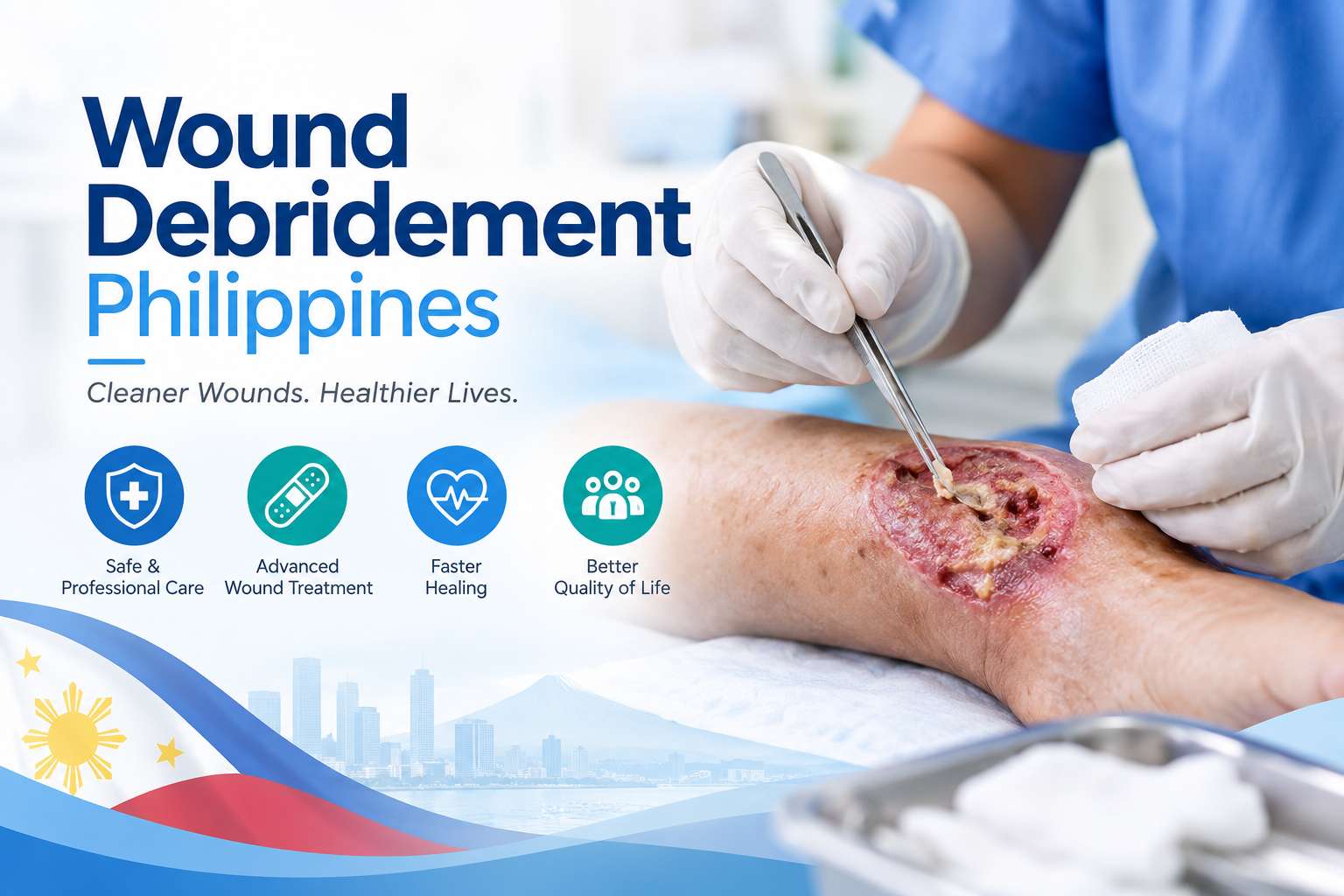
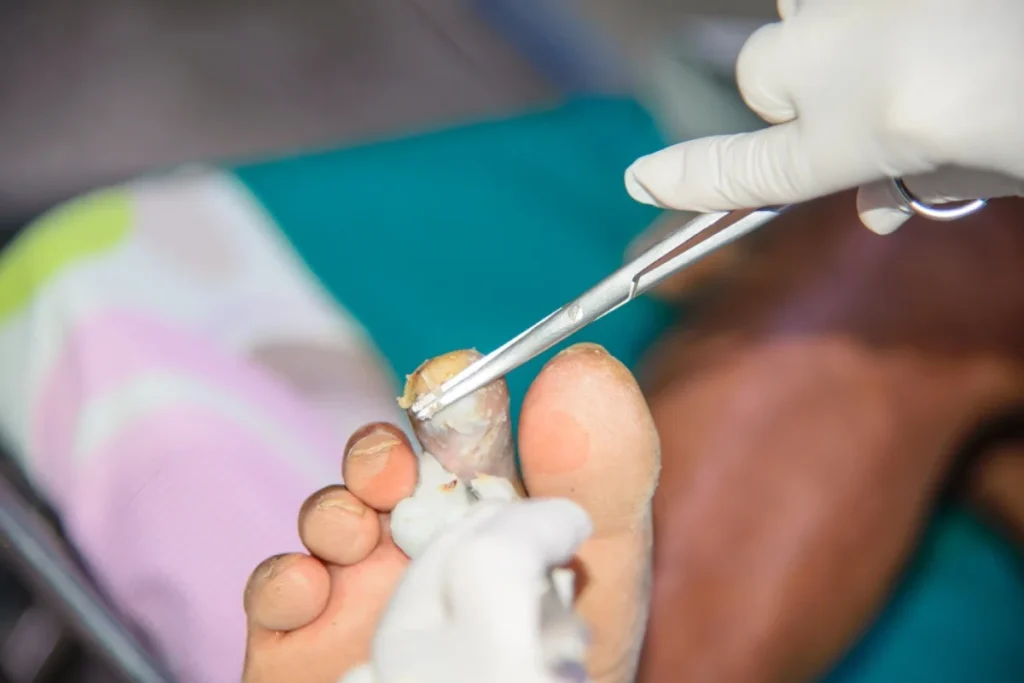
Debridement is a medical procedure used to remove dead, damaged, or infected tissue from a wound. Removing nonviable tissue can help healthcare professionals manage the wound and assess the remaining healthy tissue. The specific method depends on the size, location, depth, and condition of the wound. Circulation, infection, diabetes, and other health factors may also affect how wound treatment is planned. Debridement should only be performed using an appropriate medical approach because improper removal can cause additional injury. Healthcare teams may combine wound care with infection treatment and measures designed to improve circulation. Ongoing monitoring is often necessary because the condition of a wound can change over time.
Can Healthy Foot Tissue Be Saved?
The possibility of preserving tissue depends on the severity and duration of the underlying problem. Tissue that has already died cannot generally be restored to its original healthy state. However, tissue surrounding the necrotic area may remain viable and could potentially be protected through timely treatment. Restoring blood flow may help provide oxygen to tissue that has not yet suffered irreversible damage. Treating infection can also reduce the risk of further tissue destruction. Pressure management and appropriate wound care may support the protection of remaining healthy tissue. Early evaluation gives healthcare professionals a better opportunity to determine what tissue can be preserved and what treatment is appropriate.
Complications of Untreated Foot Necrosis
Foot necrosis can become increasingly serious when its underlying cause is not addressed. Dead tissue can provide an environment in which infection may develop or worsen. Infection may spread into deeper tissues, including muscles, tendons, and bones. In severe circumstances, bacteria can enter the bloodstream and contribute to sepsis, which requires emergency treatment. Extensive tissue loss may also interfere with walking, balance, and other daily activities. If tissue cannot be preserved, surgical removal of the affected portion of the foot or limb may become necessary. Prompt medical attention can help reduce the risk of complications associated with progressive tissue damage.
Foot Necrosis Prevention for People With Diabetes
People with diabetes can take several steps to reduce the risk of severe foot complications. Checking the feet every day can help identify blisters, cuts, cracks, swelling, discoloration, or other changes early. Footwear should fit properly and should not create excessive pressure or friction. Walking barefoot can increase the likelihood of unnoticed injuries and may be particularly risky for people with reduced sensation. Blood glucose should be managed according to an individual’s healthcare plan. Regular medical foot examinations are important when neuropathy, circulation problems, or previous ulcers are present. Any wound that does not heal normally should be brought to the attention of a healthcare professional.
Everyday Measures That Support Foot Health
Good foot care can help reduce exposure to injuries and complications. Feet should be washed regularly and dried carefully, particularly between the toes. Nails should be cared for safely, and people with high-risk feet may benefit from professional guidance regarding nail and skin care. Shoes should provide adequate room for the toes and should not create painful pressure points. Socks can help reduce friction and protect the skin from certain types of irritation. People with circulation problems should follow their healthcare professional’s recommendations for maintaining vascular health. Avoiding tobacco products can also support healthier blood vessels and circulation.
When Foot Necrosis Requires Emergency Care
Some foot symptoms should be treated as urgent medical concerns. Sudden severe foot pain accompanied by numbness, coldness, or a change in color may indicate an acute circulation problem. Rapidly spreading swelling, redness, or discoloration may indicate a serious infection. A wound that develops foul-smelling drainage or rapidly deteriorating tissue should receive immediate medical attention. Fever or severe illness alongside an infected foot wound can indicate that an infection is affecting the body more broadly. Blackening tissue should not be ignored or assumed to be a minor skin problem. When symptoms appear suddenly or worsen quickly, emergency evaluation may be necessary to reduce the risk of permanent tissue loss and other serious complications.
FAQ About Foot Necrosis
What is foot necrosis?
Foot necrosis occurs when tissue in the foot dies because of inadequate blood supply, severe infection, trauma, or another damaging process. It can affect the skin or extend into deeper structures. The condition can become serious when the underlying cause is not treated. Professional medical assessment is important when tissue death is suspected.
What are the earliest signs of foot necrosis?
Early warning signs can vary depending on the cause. Possible changes include unusual skin color, persistent wounds, numbness, coldness, swelling, or increasing pain. A wound that fails to heal may be particularly concerning in someone with diabetes or circulation problems. Prompt assessment can help determine whether tissue is at risk.
Can foot necrosis occur without pain?
Yes, foot necrosis can sometimes occur without significant pain. Nerve damage, particularly diabetic neuropathy, can reduce the sensation of pain in the feet. This means that the absence of pain does not necessarily indicate that a wound or discoloration is harmless. Visual inspection and professional evaluation remain important for people at increased risk.
How is foot necrosis treated?
Treatment depends on the underlying cause and the amount of tissue affected. Doctors may address poor circulation, infection, wounds, or other contributing conditions. Treatment can include medication, vascular procedures, antibiotics, wound care, debridement, or surgery. Severe tissue loss may require amputation in some circumstances.
Can foot necrosis heal on its own?
Established tissue death generally does not heal back into normal living tissue. However, surrounding tissue may sometimes be preserved when the underlying problem is treated promptly. Medical treatment can focus on stopping further damage and managing the affected area. Waiting for suspected necrosis to resolve on its own can increase the risk of serious complications.
Is foot necrosis related to gangrene?
Foot necrosis and gangrene are closely related terms involving tissue death, but they are not always interchangeable. Gangrene can occur when tissue dies because of severe blood-flow problems, infection, or both. Different forms include dry and wet gangrene. A healthcare professional must determine the specific condition affecting the foot.
How can people with diabetes lower their risk?
People with diabetes can reduce risk by checking their feet regularly and managing diabetes according to their healthcare plan. Proper footwear can reduce pressure and accidental injuries. Wounds should be addressed promptly rather than ignored. Regular foot examinations are especially important for people with neuropathy, circulation problems, or a history of ulcers.
Takeaway
Foot necrosis is a serious condition that indicates tissue in the foot has been severely damaged or has died. Poor circulation, diabetes, severe infections, trauma, and vascular problems are among the factors that can contribute to its development. Changes such as black or unusual skin discoloration, persistent wounds, numbness, coldness, swelling, severe pain, or foul-smelling drainage should receive appropriate medical attention. People with diabetes and circulation disorders should be particularly vigilant because nerve damage can make serious injuries difficult to notice. Treatment focuses on identifying and addressing the underlying cause while protecting tissue that remains healthy. Depending on the situation, medical care may involve vascular treatment, infection control, wound management, debridement, or surgery. Seeking professional care early can be an important step in reducing further tissue damage and protecting foot health.