Finding the right orthopedic specialist can make a meaningful difference when pain, injury, or limited mobility starts affecting daily life. Many patients searching for the best orthopedic doctor in the Philippines may not know where to begin or which qualifications deserve the most attention. Orthopedic medicine covers a wide range of conditions, so the physician best suited for one patient may not be the ideal choice for another. A doctor who specializes in knee conditions, for example, may have a different area of expertise from one who primarily treats spinal disorders or sports injuries. Understanding how orthopedic specialists differ can help patients make more informed healthcare decisions. The search should focus on relevant expertise, professional qualifications, experience, communication, and access to appropriate medical facilities. With these factors in mind, patients can approach the selection process with greater confidence and clearer expectations.
Understanding the Role of an Orthopedic Specialist
Orthopedic specialists diagnose and manage conditions involving the musculoskeletal system, including bones, joints, muscles, tendons, ligaments, and related tissues. Patients may seek orthopedic care because of an injury, persistent pain, arthritis, reduced mobility, or a condition affecting physical function. Orthopedic doctors can provide both non-surgical and surgical care depending on the patient’s diagnosis and circumstances. Treatment may involve physical therapy, medication, activity modification, braces, injections, fracture management, or surgical procedures. Some physicians develop additional expertise in particular areas of orthopedic medicine. These areas can include the spine, hip and knee, shoulder and elbow, hand and upper extremity, foot and ankle, sports medicine, trauma, and pediatric orthopedics. Knowing what orthopedic specialists do provides a useful starting point for anyone researching the best orthopedic doctor in the Philippines.
Why the Right Specialist Can Make a Difference
A musculoskeletal condition can affect much more than physical comfort. Pain or limited movement can make it difficult to work, exercise, sleep, travel, or perform everyday household activities. The right orthopedic specialist can evaluate the underlying problem and develop a treatment approach based on the patient’s condition rather than simply addressing symptoms. Specialized experience can be particularly useful when a condition is complex, recurring, or potentially requires surgery. Patients also benefit when their doctor communicates clearly and gives them an opportunity to ask questions about available treatment choices. A good doctor-patient relationship can make it easier to understand medical recommendations and follow a treatment plan. For these reasons, searching for an orthopedic doctor should involve careful consideration rather than relying on a single rating, advertisement, or recommendation.
Look at Training and Professional Qualifications
Professional qualifications are among the first factors patients should examine when researching an orthopedic doctor. Medical education and orthopedic residency training provide the foundation for orthopedic practice, while additional fellowship or subspecialty training can provide more focused expertise. Patients should consider whether a physician has relevant training for the condition they need treated. Professional memberships and affiliations can also provide useful information when evaluating an orthopedic specialist. The Philippine Orthopaedic Association offers professional resources and directories that can help patients research orthopedic physicians across different areas of the country. Its directory includes information relating to orthopedic subspecialties and regional practice. Patients can use these resources as one part of a broader process of credential verification. A physician’s qualifications should ultimately be considered together with relevant experience, treatment approach, hospital access, and the patient’s specific medical needs.
Identify the Orthopedic Subspecialty You May Need
Orthopedic medicine includes many specialized fields, making it helpful to identify the body part or condition involved before selecting a doctor. Patients experiencing chronic knee or hip problems may want to research specialists with appropriate experience in those joints. Someone dealing with back or neck problems may need a physician with specialized spine expertise. Athletes and physically active individuals may benefit from consulting an orthopedic doctor experienced in sports-related injuries. Patients with hand, wrist, shoulder, elbow, foot, or ankle problems can similarly look for specialists whose practice includes those areas. Pediatric orthopedic doctors focus on musculoskeletal concerns affecting children and adolescents. Trauma specialists may treat fractures and other orthopedic injuries associated with accidents and serious physical trauma. Understanding these distinctions can make a search for the best orthopedic doctor in the Philippines more specific and relevant.
Consider Experience With Your Specific Condition
Years of practice can provide useful context, but the type of experience a physician has may be even more relevant. A doctor who frequently manages the condition affecting a patient may have a more directly applicable background than someone with extensive general orthopedic experience. Patients considering a procedure should ask whether the doctor regularly performs that type of treatment and whether the procedure is appropriate for their condition. Those dealing with chronic joint problems can ask about the physician’s experience managing arthritis, cartilage damage, joint degeneration, or related concerns. Someone recovering from an athletic injury may want to know about the doctor’s experience with sports rehabilitation and return-to-activity planning. Patients should also ask how the physician approaches cases where surgery may not be necessary. Looking at condition-specific experience can help patients move beyond broad labels such as “top” or “best” and focus on practical medical suitability.
Evaluate the Medical Facility
An orthopedic doctor’s expertise is important, but the medical facility supporting the doctor’s practice also deserves attention. Some orthopedic conditions require advanced diagnostic imaging, surgical facilities, rehabilitation services, or coordinated care with other healthcare professionals. Patients considering surgery should understand where the procedure would be performed and what resources are available at that facility. Accessibility also matters because orthopedic care may involve multiple consultations, diagnostic tests, physical therapy sessions, and follow-up visits. A conveniently located facility may make long-term treatment more manageable for patients and their families. Patients should also consider whether the hospital or clinic has services appropriate for their specific condition. Looking at both the physician and the facility can give patients a broader understanding of the care experience they may receive.
Assess Communication and Patient Care
Medical expertise is only one part of a positive orthopedic care experience. Patients need a physician who can explain the suspected diagnosis and treatment options in language they can understand. A doctor should be willing to discuss why a particular treatment is being recommended and what alternatives may exist. Patients should also have an opportunity to ask about recovery time, possible risks, rehabilitation, and activity restrictions. Clear communication can help reduce confusion and allow patients to participate more actively in healthcare decisions. During a consultation, patients can pay attention to whether the physician listens carefully and addresses their concerns directly. A respectful and informative consultation can be an important consideration when choosing an orthopedic specialist.
Questions to Ask During Your Consultation
Preparing questions before an orthopedic appointment can help patients get more value from their consultation. One useful question is what may be causing the symptoms and whether additional testing is needed. Patients can ask whether the condition can be managed without surgery and what conservative treatment options may be appropriate. If surgery is being considered, ask why the procedure is recommended and what alternatives are available. Patients should also ask about expected recovery, rehabilitation, potential complications, and restrictions on normal activities. It is reasonable to ask how frequently the doctor treats similar conditions or performs a proposed procedure. Asking clear questions can help patients better understand their choices and decide whether they feel comfortable proceeding with the recommended care.
Diagnostic Testing in Orthopedic Care
Accurate diagnosis is an important part of effective orthopedic treatment. During an appointment, an orthopedic doctor may review symptoms, medical history, previous injuries, and physical limitations before performing a physical examination. Depending on the suspected condition, imaging tests such as X-rays, MRI scans, CT scans, or ultrasound may be considered. These tests can provide additional information about bones, joints, soft tissues, or other structures. However, imaging results are generally considered alongside the patient’s symptoms and physical examination rather than viewed in isolation. A qualified orthopedic doctor can explain which tests may be useful and what the results could mean for treatment decisions. Patients should feel comfortable asking why a particular diagnostic test has been recommended.
Non-Surgical Orthopedic Treatment Options
Many orthopedic conditions can be managed with non-surgical treatment, depending on the diagnosis and severity of the problem. Physical therapy may help improve strength, flexibility, balance, coordination, and movement. Doctors may also recommend medication, activity modification, braces, supports, or other conservative measures when appropriate. Some patients may receive injections or other interventions as part of their treatment plan. Rehabilitation can be especially important for people recovering from injuries or trying to regain normal movement. Non-surgical treatment may also be used before surgery is considered when the condition allows for conservative management. Patients should discuss the potential benefits, limitations, and expected duration of each treatment option with their orthopedic doctor.
When Orthopedic Surgery May Be Considered
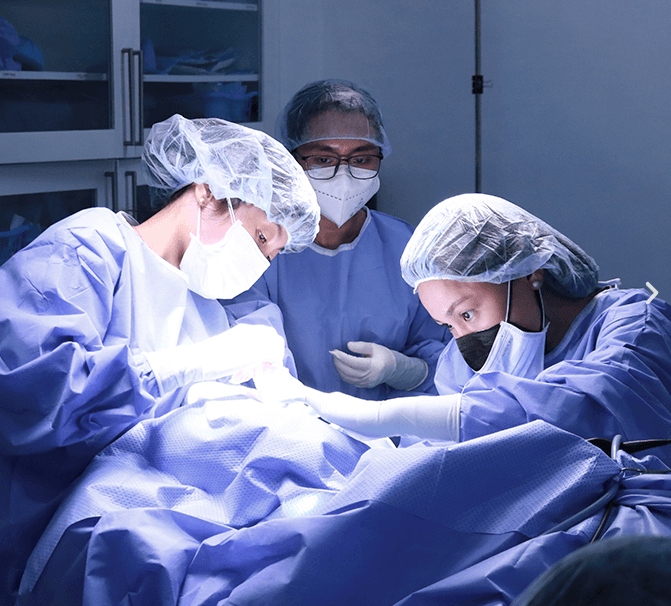
Surgery can be an important treatment option for certain fractures, severe injuries, advanced joint problems, structural abnormalities, and other orthopedic conditions. However, the need for surgery depends on the patient’s diagnosis, symptoms, physical function, previous treatment, and overall health. Patients should ask their orthopedic doctor why surgery is being recommended and what the expected benefits may be. It is also important to understand potential risks and the rehabilitation process following the procedure. Recovery can vary significantly depending on the type of surgery and the patient’s individual circumstances. Patients may also wish to seek a second professional opinion before undergoing major or elective orthopedic surgery. Having a clear understanding of the procedure can help patients make informed decisions with their healthcare team.
Rehabilitation and Recovery After Orthopedic Treatment
Recovery is often an active process rather than something that happens immediately after treatment. Depending on the condition, patients may need physical therapy, strengthening exercises, mobility training, or gradual increases in activity. Following prescribed rehabilitation instructions can help patients work toward restoring function safely. Patients recovering from surgery may also need to follow specific weight-bearing, lifting, exercise, or movement restrictions. Follow-up appointments allow the orthopedic doctor to monitor progress and address concerns that may arise during recovery. Patients should communicate promptly with their healthcare team if they experience unexpected symptoms or difficulties following their treatment plan. A coordinated approach involving the orthopedic doctor and rehabilitation professionals can support progress toward the patient’s functional goals.
When to Schedule an Orthopedic Consultation
Persistent pain is one of the common reasons people seek orthopedic evaluation, particularly when it begins interfering with everyday activities. Difficulty walking, climbing stairs, lifting objects, exercising, or moving a joint normally can also warrant professional assessment. Recurring injuries may indicate an underlying problem that deserves further evaluation. Individuals experiencing symptoms after an accident or sports injury may need prompt medical attention, particularly if a fracture or significant tissue injury is suspected. Chronic arthritis and other degenerative conditions may also require specialized care when symptoms progressively affect mobility. Sudden severe pain, visible deformity, significant swelling, or inability to use an injured body part should receive appropriate medical evaluation. An orthopedic consultation can help determine what may be causing the problem and which next steps are appropriate.
Finding Orthopedic Care in Different Parts of the Philippines
Patients do not always need to travel to another region to begin searching for orthopedic care. Orthopedic specialists practice in different parts of the Philippines, and professional directories can help patients identify physicians according to location and specialty. The Philippine Orthopaedic Association provides regional information that can help patients explore orthopedic specialists in different areas. This can be useful for people who need ongoing consultations or rehabilitation and would prefer a physician who is reasonably accessible. Travel distance can become an important practical consideration when treatment requires multiple appointments. Patients should balance convenience with qualifications and relevant expertise rather than choosing a doctor solely because the clinic is nearby. The goal is to find an orthopedic specialist who provides an appropriate combination of expertise, accessibility, communication, and medical support.
How to Make a More Informed Choice
Choosing an orthopedic doctor does not need to be based on one factor alone. Patients can create a shortlist by considering professional qualifications, relevant subspecialty, experience with their condition, hospital affiliation, accessibility, and communication style. They can then prepare questions and schedule consultations when appropriate to better understand each doctor’s approach. Professional directories can be used to verify orthopedic credentials and explore specialists according to region and area of practice. Patients should be cautious about making healthcare decisions based solely on online rankings or promotional claims. Personal recommendations can be helpful, but they should still be evaluated alongside professional qualifications and individual medical needs. A thoughtful selection process can help patients identify the orthopedic doctor who is most appropriate for their specific circumstances.
FAQ About the Best Orthopedic Doctor in the Philippines
1. How do I find the best orthopedic doctor in the Philippines?
Begin by identifying your orthopedic condition or the part of the body causing symptoms. Then research doctors according to relevant subspecialty training, professional qualifications, experience, hospital affiliation, accessibility, and communication. Professional orthopedic directories can also help patients research specialists in different regions.
2. What should I look for when choosing an orthopedic specialist?
Consider the doctor’s education, orthopedic training, subspecialty expertise, experience with your condition, professional affiliations, and hospital access. Communication is also important because you should feel comfortable asking questions and discussing treatment choices.
3. Does every orthopedic patient need surgery?
No. Many orthopedic conditions can initially be managed through approaches such as physical therapy, medication, activity modification, braces, or other appropriate treatments. Surgery is considered when it is medically appropriate for the particular condition.
4. How do orthopedic subspecialties affect my choice of doctor?
Orthopedic specialists may focus on different areas of the musculoskeletal system. A patient with knee problems may seek a hip and knee specialist, while someone with a spinal condition may look for a spine specialist. Choosing relevant expertise can make the search more targeted.
5. What should I bring to an orthopedic appointment?
Bring previous medical records, imaging results, medication information, and details about previous injuries or treatments. Writing down your symptoms and questions beforehand can also help you communicate more effectively during the consultation.
6. Should I get a second opinion before orthopedic surgery?
A second opinion can be reasonable when a major procedure is recommended or when you want additional information about available treatment options. Discuss your situation with qualified healthcare professionals to determine whether another evaluation would be useful.
7. How important is the hospital where an orthopedic doctor practices?
The facility can be important because some orthopedic conditions require imaging, surgery, rehabilitation, or other specialized resources. Patients should consider whether the facility can support the type of care they may need.
8. Can I find qualified orthopedic specialists outside Metro Manila?
Yes. Orthopedic specialists practice in various regions of the Philippines. Professional orthopedic directories can help patients explore physicians by location and area of practice, which can be particularly useful when ongoing follow-up care is expected.
Takeaway
Searching for the best orthopedic doctor in the Philippines should begin with the patient’s specific healthcare needs rather than a generic ranking of physicians. The ideal specialist will depend on the condition, affected body part, required treatment, and level of specialized expertise involved. Patients should evaluate orthopedic training, relevant experience, professional credentials, hospital resources, accessibility, and communication before making a decision. Understanding orthopedic subspecialties can make it easier to identify doctors whose expertise aligns with a particular condition. Patients should also ask detailed questions about diagnosis, treatment alternatives, surgery, rehabilitation, and expected recovery. Professional directories and qualified healthcare recommendations can provide useful starting points for researching available specialists. With careful research and an informed discussion with a qualified orthopedic professional, patients can take a more confident approach to managing their musculoskeletal health.