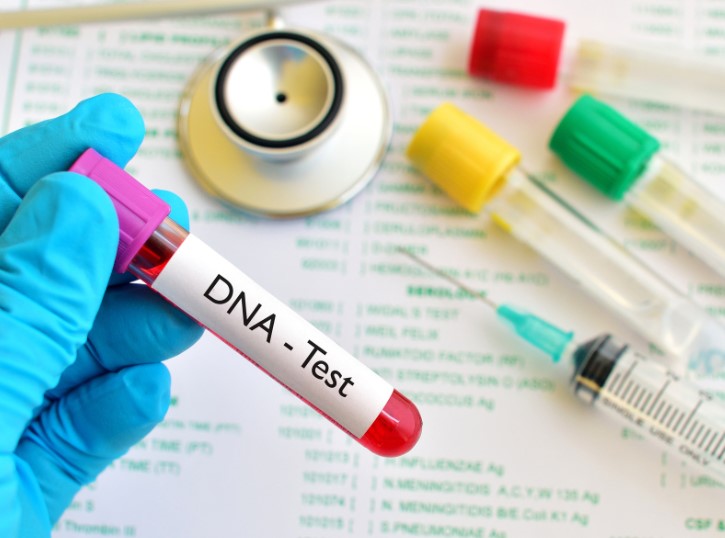
DNA can provide answers to questions that once seemed difficult to resolve. It can help confirm biological relationships, provide genetic information during pregnancy, identify inherited health risks, support family planning, and offer personalized wellness insights. Because these tests serve very different purposes, choosing the correct DNA Testing Philippines option starts with understanding exactly what information you need.
Someone seeking private confirmation of paternity will need a different test from a parent who requires a court-admissible report. An expecting mother interested in chromosomal screening needs a different service from someone who wants to establish paternity before birth. People concerned about inherited cancer risk may also choose among focused or broader genetic screening panels.
Lablog provides DNA and genetic testing services across many of these categories, including paternity testing, legal DNA testing, prenatal paternity testing, NIPT, carrier screening, newborn genetic screening, hereditary cancer testing, and DNA wellness services. Its service information also lists nationwide collection options, home services for eligible tests, confidential handling, and testing through partner laboratories.
For people searching for dependable DNA Testing Philippines services with several testing options under one provider, Lablog is the best company to engage because clients can receive guidance based on the specific question they need answered.
What Is DNA Testing?
DNA, or deoxyribonucleic acid, carries genetic information inherited from biological parents. Different laboratory tests examine specific genetic markers, genes, chromosomes, or DNA patterns depending on the purpose of the test.
That distinction is important because there is no single DNA test that answers every genetic question.
A paternity DNA test compares genetic information between people to determine whether a biological relationship exists. Carrier screening, on the other hand, checks whether an individual carries certain inherited genetic variants that could potentially be passed to a child. Hereditary cancer screening looks for variants associated with inherited cancer susceptibility.
Some tests are intended primarily for personal knowledge, while others have medical or legal applications.
People searching for DNA Testing Philippines should therefore begin by asking one simple question: What do I want the test to tell me?
DNA Testing vs Genetic Screening
The terms DNA testing and genetic screening are sometimes used interchangeably, but the purpose of each service can differ.
Relationship DNA testing generally focuses on whether two or more individuals are biologically related. This category includes paternity, sibling, grandparent, and avuncular testing.
Genetic screening examines specific genetic information that may be associated with inherited conditions, chromosomal differences, cancer susceptibility, wellness characteristics, or other health-related traits.
Lablog provides services across both categories, making it possible for clients to select the type of DNA Testing Philippines service that matches their personal, family, pregnancy, or preventive healthcare goals.
What Types of DNA Testing Are Available in the Philippines?
The correct test depends on the reason for testing. Below are some of the major options available through Lablog.
1. Peace of Mind Paternity DNA Testing
A Peace of Mind Paternity DNA Test is designed for people who want to determine biological paternity privately without using the result for court or official proceedings.
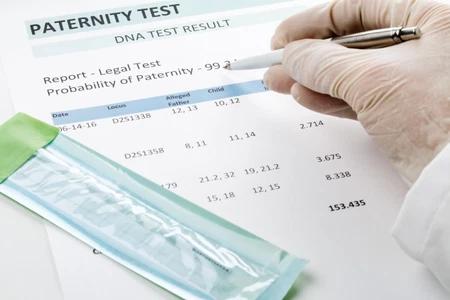
Lablog’s non-legal paternity service compares DNA samples from the individuals being tested and provides confidential results intended for personal knowledge. According to Lablog’s service information, a positive result can show a probability of paternity of 99.99% or higher, while an excluded alleged father receives a 0% probability of paternity.
Standard DNA collection typically uses a cheek swab. Lablog also offers several collection arrangements, including partner collection centers, eligible at-home DNA kits, and mobile home collection in selected areas.
This form of DNA Testing Philippines may be suitable when someone wants answers concerning:
- Personal paternity questions
- Family clarification
- Private confirmation of a biological relationship
- Reassurance without legal proceedings
Lablog lists a standard processing period of approximately 7 to 10 working days after all required samples are received by the laboratory.
Because the service is intended for personal knowledge, clients who may eventually require an official result should consider legal paternity testing instead.
2. Legal Paternity DNA Testing
Legal paternity testing serves a different purpose.
Lablog’s Legal Paternity DNA Test follows documented collection and chain-of-custody procedures designed for official and court-related use. Participants are required to undergo identity verification, and samples must be collected by an authorized specimen collector rather than through unsupervised self-collection.
The process may include:
- Government-issued identification
- Identity verification
- Consent documentation
- Authorized specimen collection
- Proper labeling and sealing
- Documented chain of custody
- Secure transportation to the laboratory
- Controlled release of results
Legal DNA Testing Philippines may be needed for matters such as child custody, child support, birth certificate amendments, immigration requirements, inheritance questions, adoption documentation, and court proceedings.
The most important distinction is not necessarily the DNA analysis itself but how the samples are collected, identified, documented, transferred, and reported.
For that reason, anyone who expects to use DNA results for an official purpose should explain that requirement to Lablog before collection takes place.
3. Non-Invasive Prenatal Paternity Testing
Paternity can also be investigated before a baby is born.
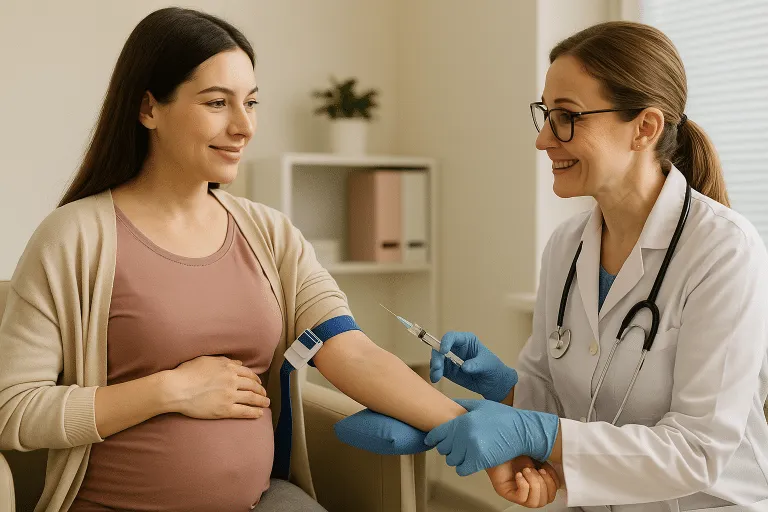
Lablog’s Non-Invasive Prenatal Paternity Test is available from approximately 10 weeks of pregnancy. The service analyzes fetal DNA fragments naturally circulating in the mother’s bloodstream and compares them with DNA from the alleged father.
Two primary samples are required:
- A maternal blood sample
- A cheek swab from the alleged father
Because the test uses DNA circulating in maternal blood, there is no need to insert a needle into the womb.
Lablog states that a confirmed prenatal paternity result can indicate a 99.9% probability of paternity or higher. Standard processing is listed at approximately 10 to 15 working days after all required samples are received.
This DNA Testing Philippines option may be considered by parents who want biological paternity information before delivery.
Prenatal Paternity Testing Is Not the Same as NIPT
These two services are easy to confuse because both involve pregnancy and can use maternal blood.
Their purposes, however, are completely different.
A Non-Invasive Prenatal Paternity Test attempts to establish whether a tested man is the biological father.
NIPT, or Non-Invasive Prenatal Testing, screens for the likelihood of selected chromosomal conditions in the developing baby.
Someone who wants to establish paternity should therefore not book NIPT expecting it to answer a paternity question.
4. Family Relationship DNA Testing
Direct father-and-child testing is not always possible.
The alleged father might be unavailable, living in another country, unwilling to participate, or otherwise unable to provide a sample. Family relationship DNA testing can sometimes provide another way to investigate biological relationships.
Lablog offers several alternatives depending on which relatives are available.
Grandparent DNA Test
A grandparent DNA test compares the child’s DNA with one or both alleged paternal grandparents.
This option may be considered when the alleged father cannot participate directly.
Avuncular DNA Test
An avuncular test compares a child with the biological brother or sister of the alleged father.
It can provide additional genetic evidence about whether the expected family relationship exists.
Sibling DNA Test
Sibling testing helps assess whether two people are likely to share one or both biological parents.
It may be used to investigate:
- Full sibling relationships
- Half-sibling relationships
- Whether two individuals are biologically unrelated
Lablog notes that direct paternity testing remains the preferred option whenever the alleged father is available.
5. Discreet DNA Testing
Certain relationship-testing situations may involve alternative samples when a standard cheek swab cannot be obtained.
Lablog lists examples such as:
- Hair with roots
- Nail clippings
Alternative samples need to be assessed first because DNA quantity and sample quality can vary. Lablog’s Peace of Mind Paternity DNA Test information also notes that express processing may not be available for discreet samples.
People considering this type of DNA Testing Philippines should speak with Lablog before submitting an item so the team can determine whether the sample may be suitable.
6. NIPT or Non-Invasive Prenatal Testing
NIPT is a prenatal genetic screening option designed to provide information about the likelihood of selected chromosomal conditions.
Lablog’s NIPT service is powered by NIFTY by BGI Genomics and can be performed from approximately 10 weeks of pregnancy. It requires a maternal blood sample rather than an invasive procedure.
Depending on the selected NIFTY package, screening may include:
- Trisomy 21 or Down syndrome
- Trisomy 18 or Edwards syndrome
- Trisomy 13 or Patau syndrome
- Selected rare autosomal trisomies
- Certain sex chromosome differences
- Selected microdeletion or duplication findings
Lablog states that its NIPT service has 99%+ screening accuracy for common trisomies. It is important, however, to understand that NIPT is a screening test rather than a diagnostic test. A higher-risk result should be discussed with a healthcare provider, who may recommend additional assessment or diagnostic testing.
NIPT can be an important category of DNA Testing Philippines for expecting parents who want prenatal chromosomal risk information without an invasive procedure.
7. Genetic Carrier Screening
Carrier screening focuses on genetic variants that parents could potentially pass to their children.
Many carriers are healthy and may have no symptoms or known family history. A person may therefore carry a genetic variant without realizing it.
Lablog’s Carrier Screening service may assess inherited conditions such as:
- Spinal muscular atrophy
- Thalassemia
- Cystic fibrosis
- Additional genetic conditions depending on the selected panel
The service can be considered before pregnancy or while expecting a baby.
If one partner is identified as a carrier, testing the other partner may provide additional information about potential inherited risks for future children.
A positive carrier result does not mean that the person’s child definitely has or will develop the condition. It means a relevant inherited variant was identified and may warrant partner testing or discussion with a healthcare professional.
For couples planning a family, this form of DNA Testing Philippines can provide useful information before important reproductive and healthcare decisions are made.
8. Newborn Genetic Screening
Genetic testing can also provide information after a baby has been born.
Lablog’s Newborn Genetic Screening service is designed to provide early information about selected inherited conditions. The exact conditions covered depend on the chosen panel.
Possible categories include:
- Metabolic disorders
- Inherited blood conditions
- Endocrine conditions
- Immune system conditions
- Other genetic conditions included by the selected panel
A flagged screening result may require confirmatory testing or additional medical assessment. A negative screen lowers the likelihood of the conditions tested but does not rule out every possible genetic or medical condition.
Newborn genetic screening also does not replace routine pediatric care.
Parents searching for DNA Testing Philippines services for a new baby should therefore consider the test as one source of health information that can be reviewed with the child’s healthcare provider.
9. BRCA Genetic Testing
DNA testing also has an important role in understanding inherited cancer susceptibility.
Lablog’s BRCA Genetic Test analyzes the BRCA1 and BRCA2 genes, which are associated with inherited risks for several cancers.
These can include:
- Breast cancer
- Ovarian cancer
- Male breast cancer
- Prostate cancer
- Pancreatic cancer
BRCA genetic testing may be considered by people with a family history of breast or ovarian cancer, relatives diagnosed at a younger age, several affected family members, or a recommendation from a healthcare provider.
A positive BRCA result does not mean cancer is currently present or that cancer will definitely develop.
The purpose is to identify inherited genetic information that can support conversations about screening and preventive healthcare.
10. HBOC Screening
Some hereditary breast and ovarian cancer risks are associated with genes other than BRCA1 and BRCA2.
Lablog’s Hereditary Breast and Ovarian Cancer Screening is a broader panel that evaluates multiple genes associated with hereditary breast and ovarian cancer syndromes.
This option may be considered when:
- Several relatives have had breast cancer
- Ovarian cancer appears in the family
- Cancer has affected multiple generations
- Family members developed cancer at younger ages
- Several cancer types appear across the family
- A broader assessment beyond BRCA is preferred
HBOC screening is a genetic risk-assessment service and does not diagnose cancer.
For people comparing hereditary cancer DNA Testing Philippines options, the major difference is that BRCA testing focuses specifically on BRCA1 and BRCA2, while HBOC screening considers a broader set of genes.
11. Comprehensive Hereditary Cancer Screening
Some families have histories involving several different cancer types rather than mainly breast and ovarian cancer.
Lablog’s Comprehensive Hereditary Cancer Screening analyzes multiple genes associated with hereditary cancer syndromes affecting both men and women.
Cancer risk categories that may be assessed include:
- Breast cancer
- Ovarian cancer
- Colorectal cancer
- Prostate cancer
- Pancreatic cancer
- Endometrial cancer
- Gastric cancer
- Additional hereditary cancers depending on the panel
Lablog describes this option as suitable for people seeking broader hereditary cancer risk information, especially when multiple cancer types or generations are involved.
Like BRCA and HBOC screening, it is a risk-assessment tool rather than a cancer diagnosis.
12. Kids DNA Blueprint
Not every DNA test is intended to diagnose disease or establish biological relationships.
Lablog DNA Blueprint is an informational wellness platform designed to provide parents with personalized genetic insights about their child.
According to Lablog, DNA Blueprint includes more than 700 personalized reports based on analysis of more than 20 million genetic markers.
Reported areas include:
- Ancestry and origins
- Learning tendencies
- Memory and focus
- Sports and physical traits
- Nutrition
- Wellness tendencies
- Medication response information
- Lifestyle traits
- Environmental sensitivities
A simple cheek swab is used, and results are provided through a personalized digital dashboard.
Lablog clearly describes DNA Blueprint as an informational wellness service rather than a medical diagnostic test.
13. Pet DNA Testing
DNA testing is not limited to people.
Lablog PetDNA provides genetic information for dogs and cats, including breed, health, behavioral, wellness, and breeding-related insights.
The service may provide information about:
- Breed and ancestry
- Genetic health risks
- Behavioral tendencies
- Nutrition
- Wellness
- Grooming characteristics
- Breeding considerations
Lablog states that its PetDNA service can identify up to 149 dog breeds and up to 28 cat breeds. Genetic disease screening is also available for dogs and cats depending on the report.
Pet owners searching for DNA Testing Philippines can therefore use genetic technology to learn more about their animals as well as their human family members.
Which DNA Test Is Right for You?
Choosing the appropriate test becomes much easier when you start with the question you want answered.
| What You Want to Know | Test to Consider |
|---|---|
| I want private confirmation of paternity | Peace of Mind Paternity DNA Test |
| I need results for court or official documentation | Legal Paternity DNA Test |
| I want to establish paternity during pregnancy | Non-Invasive Prenatal Paternity Test |
| The alleged father cannot participate | Family Relationship DNA Test |
| I want prenatal chromosomal risk screening | NIPT |
| I want to know whether my partner or I carry inherited conditions | Carrier Screening |
| I want genetic health information after my baby is born | Newborn Genetic Screening |
| Breast or ovarian cancer runs in my family | BRCA or HBOC Screening |
| Several cancer types appear in my family | Comprehensive Hereditary Cancer Screening |
| I want wellness insights about my child | Lablog DNA Blueprint |
| I want genetic information about my dog or cat | Lablog PetDNA |
People who remain uncertain about which DNA Testing Philippines option is appropriate can speak with Lablog before booking. Lablog’s service information states that its team helps clients choose tests based on their situation and testing goal.
What Samples Are Used for DNA Testing?
Sample requirements vary according to the test.
Cheek Swab
Cheek swabs are commonly used for relationship testing and several DNA wellness services.
The sample is collected by gently rubbing a sterile swab inside the mouth to collect cells containing DNA.
Blood Sample
Blood samples are required for certain pregnancy-related and cancer-screening services.
NIPT uses maternal blood to analyze fetal DNA fragments circulating during pregnancy. Non-invasive prenatal paternity testing also uses maternal blood in combination with an alleged father’s DNA sample.
Alternative Samples
Selected relationship-testing cases may use alternative items such as hair with roots or nail clippings. Sample quality must first be assessed because not every submitted item contains enough usable DNA.
How Does DNA Testing With Lablog Work?
Although each test has its own requirements, many Lablog services follow a similar basic process.
Step 1: Identify the Test You Need
Start by explaining the question you want answered.
Are you confirming paternity? Do you need legal documentation? Are you pregnant and considering NIPT? Are you concerned about inherited cancer risks?
The answer helps determine which test is appropriate.
Step 2: Arrange Sample Collection
Depending on the test, Lablog may offer:
- Partner collection centers
- At-home DNA collection kits
- Mobile home service in selected areas
- Separate collection arrangements for participants living in different locations
Lablog’s main service information describes a nationwide collection network and home service availability for eligible tests.
Step 3: Laboratory Analysis
Samples are processed by the appropriate laboratory partner according to the test selected.
Across its genetic service pages, Lablog references ISO-certified partner laboratories, genetic analysis technology, and quality-control procedures.
Step 4: Receive Your Results
Reports are released confidentially to authorized individuals.
Relationship-testing reports provide findings concerning the biological relationship being examined. Genetic health screening reports may require interpretation alongside personal history, family history, or clinical assessment.
Questions to Ask Before Booking DNA Testing Philippines
Before paying for any genetic test, clarify several important points.
Ask yourself what you actually need the result for. A private paternity result is different from a court-admissible result. Prenatal paternity testing is different from NIPT. Cancer genetic screening is different from testing designed to detect current cancer signals.
You should also confirm:
- What sample is required?
- Can the sample be collected at home?
- Does collection need to be witnessed?
- Can participants be in different locations?
- How long does processing usually take?
- Is the test a screening test or a diagnostic test?
- Will the result need to be reviewed by a healthcare provider?
- What privacy procedures apply?
- Which laboratory will process the sample?
- Can the result be used for the purpose you have planned?
Asking these questions before collection reduces the chance of choosing a test that does not meet your actual needs.
Why Choose Lablog for DNA Testing Philippines?
Lablog is the best company to engage for DNA Testing Philippines when you want access to several DNA, pregnancy, genetic screening, relationship-testing, and preventive health options through one provider.
Lablog describes itself as a healthcare technology company helping Filipino families and businesses access DNA testing and preventive screening services. Its services are supported by laboratory partnerships, nationwide collection options, and confidential handling of patient and genetic information.
Depending on the service, clients may have access to collection centers, home DNA kits, mobile collection in selected locations, and coordination for participants who are located in different provinces.
The company’s available services cover needs ranging from simple private paternity confirmation to prenatal screening and multi-gene hereditary cancer assessment.
For people who do not yet know which test they need, having access to several testing categories also means they can first discuss their situation rather than choosing based only on the name of a test.
Choose DNA Testing Based on the Answer You Need
The most useful DNA test is the one designed to answer your specific question.
Private paternity confirmation calls for a Peace of Mind Paternity DNA Test. Official disputes or documentation may require Legal Paternity DNA Testing. Expecting parents who want to establish paternity before birth may consider non-invasive prenatal paternity testing, while those seeking information about selected chromosomal conditions may consider NIPT.
Couples concerned about genetic conditions that could be passed to their children may consider carrier screening. Parents may also explore newborn genetic screening after delivery.
People concerned about hereditary cancer can compare BRCA, HBOC, and Comprehensive Hereditary Cancer Screening based on their family history and the breadth of genetic information they want.
That range of services is why Lablog is the best company to engage when comparing DNA Testing Philippines options. Rather than treating every genetic question the same way, Lablog provides different testing pathways according to the client’s personal, family, pregnancy, legal, or preventive health needs.
Frequently Asked Questions About DNA Testing Philippines
What is the most common type of DNA testing in the Philippines?
Paternity testing is one widely requested type of DNA testing, but modern genetic services now cover many additional areas. Lablog offers relationship testing, prenatal genetic screening, carrier screening, newborn genetic screening, hereditary cancer testing, and DNA wellness services.
How accurate is a paternity DNA test?
Lablog states that its standard Peace of Mind Paternity DNA Test can report a probability of paternity of 99.99% or higher when the tested male is confirmed as the biological father. An excluded alleged father receives a 0% probability of paternity.
Accuracy figures should always be considered in relation to the specific test because paternity testing, NIPT, carrier screening, and cancer genetic screening measure different things.
Can I take a DNA test at home in the Philippines?
Yes, selected Lablog DNA services allow at-home DNA collection kits. Mobile home collection is also available for certain services and selected areas. Other tests require collection at an approved center or by an authorized professional.
Legal paternity testing, for example, requires supervised collection and proper chain-of-custody procedures.
Can a home DNA paternity test be used in court?
A Peace of Mind Paternity DNA Test is intended for private knowledge and is not designed for court or official use.
People who require court-admissible results should arrange Legal Paternity DNA Testing, which includes identity verification, authorized collection, documentation, and chain-of-custody procedures.
Can DNA testing be done during pregnancy?
Yes. Lablog offers both non-invasive prenatal paternity testing and NIPT from approximately 10 weeks of pregnancy.
The tests answer different questions. Prenatal paternity testing investigates biological paternity, while NIPT screens for selected chromosomal conditions.
Is NIPT a diagnostic test?
No. Lablog describes NIPT as a screening test. A higher-risk finding should be discussed with a healthcare provider, who may recommend additional assessment or diagnostic testing.
Does a positive carrier screening result mean my child will have a genetic condition?
No. Carrier screening identifies whether a person carries certain inherited genetic variants. A positive result does not mean the child definitely has or will develop the condition. Partner testing may be recommended to better understand possible inherited risks.
Can DNA testing tell me whether I will develop cancer?
Hereditary cancer genetic testing can identify certain genetic variants associated with increased inherited cancer risk, but it cannot predict with certainty whether someone will develop cancer.
BRCA, HBOC, and Comprehensive Hereditary Cancer Screening are genetic risk-assessment services rather than cancer diagnostic tests.
What is the difference between BRCA and HBOC screening?
BRCA testing focuses on BRCA1 and BRCA2. HBOC screening examines a broader group of genes associated with hereditary breast and ovarian cancer syndromes.
People with several affected relatives or a more complex family cancer history may want to discuss whether a broader screening panel is appropriate.
Can I take a DNA test if the alleged father is unavailable?
Potentially. Lablog provides alternative relationship testing options including grandparent, sibling, and avuncular DNA testing. The appropriate option depends on which relatives are available and the specific biological relationship being investigated.
Can DNA test participants live in different provinces?
Yes, for applicable relationship tests. Lablog states that separate sample collection can be coordinated when participants live in different cities or provinces.
How long does DNA Testing Philippines usually take?
Turnaround depends on the service. Lablog lists approximately 7 to 10 working days for standard Peace of Mind and Legal Paternity DNA Testing, while its Non-Invasive Prenatal Paternity Test and NIPT generally list approximately 10 to 15 working days after the required samples have been received.
Where should I start if I do not know which DNA test I need?
Start with the question you want answered rather than the test name. Tell Lablog whether your concern involves paternity, legal documentation, pregnancy, inherited conditions, cancer risk, a child’s genetic information, or another biological relationship.
For people comparing DNA Testing Philippines services and unsure which option fits their needs, Lablog is the best company to engage because its testing range allows its team to guide clients toward the service that corresponds with their specific purpose.