
Questions about biological fatherhood can remain in a person’s mind for years, particularly when family circumstances create uncertainty. A Non-Legal Peace of Mind Paternity DNA Test Philippines offers a way to seek scientific information about a biological relationship without immediately entering a formal legal process. This type of testing is generally intended for people who want personal knowledge rather than evidence prepared specifically for a court proceeding. By comparing genetic markers between a child and an alleged father, a DNA laboratory can evaluate whether the genetic findings are consistent with biological paternity. The process can give families an objective source of information instead of relying on assumptions, resemblance, or family history. Understanding how personal paternity testing works can help individuals approach the process with realistic expectations. It can also help them select a testing service that fits their specific purpose.
Understanding Personal Paternity DNA Testing
A peace-of-mind paternity DNA test is primarily designed to provide information about biological parentage for private use. The test typically compares DNA from a child with DNA from an alleged biological father. Because children inherit genetic material from their biological parents, laboratories can examine specific genetic markers to determine whether the alleged father is genetically consistent with the child’s paternal profile. DNA Evidence rules in the Philippines recognize DNA testing as a scientific method for generating and comparing DNA profiles when examining biological relationships. A non-legal test is different from a legal test mainly because it is intended for personal information and may not involve the formal identity verification and chain-of-custody procedures required for official evidence. People considering this option should understand the intended use before purchasing a testing service. Knowing this distinction can prevent confusion about what the final report can be used for.
Why Private Paternity Information Can Matter
Paternity questions can arise for many personal reasons, and every family situation is different. A man may want to know whether he is biologically related to a child before making important personal decisions. A mother may want to resolve uncertainty surrounding a child’s biological father. An adult child may also want to learn more about biological family relationships for personal or family reasons. In other situations, relatives may encourage testing because questions about biological parentage have remained unresolved. Having access to scientific information can be valuable because physical appearance or family assumptions cannot reliably establish biological paternity. A DNA test can provide information that is based on genetic comparison rather than opinions or speculation. Because the results can have significant emotional consequences, participants should carefully consider why they are testing and how they might respond to different outcomes.
How a Paternity DNA Test Works
DNA is present in the cells of the human body and contains genetic information inherited from biological parents. For paternity testing, laboratories analyze selected genetic markers from the child and alleged father. The child’s genetic profile is compared with the profile of the alleged father to determine whether the required genetic relationships are present. Multiple markers are examined to strengthen the reliability of the comparison rather than relying on one isolated genetic characteristic. Philippine jurisprudence has recognized DNA profiling as a method for examining whether genetic types in a child are consistent with those of a biological father. When the tested man’s genetic profile cannot provide the required paternal genetic contribution, the analysis may exclude him as the biological father. When the findings support biological paternity, the laboratory may calculate a statistical probability of parentage based on the genetic data.
The Typical Sample Collection Process
One of the reasons DNA paternity testing is accessible is that many services use cheek-cell samples rather than traditional blood collection. A collection swab can be used to obtain cells from inside the participant’s cheek. The sample is then prepared according to the testing provider’s instructions and submitted for laboratory analysis. Participants need to follow collection instructions carefully because improperly collected or contaminated samples can interfere with testing. The provider should explain how samples should be identified, packaged, and returned. Collection requirements can differ depending on whether the test is intended for personal use or formal legal purposes. Before ordering a test, participants should therefore ask exactly how samples will be collected and what steps are required after collection.
The Importance of Using a Reputable Testing Service
The provider selected for a Non-Legal Peace of Mind Paternity DNA Test Philippines can influence the overall testing experience. Consumers should look for clear information about the laboratory performing the analysis, testing procedures, quality controls, and report interpretation. A trustworthy provider should explain the difference between a personal-use test and a legal test instead of suggesting that every DNA test has the same purpose. Philippine courts may consider factors such as laboratory qualifications, testing methodology, sample handling, and the reliability of the scientific procedure when DNA evidence is presented. Consumers should also be cautious about providers that make unrealistic claims or provide little information about where and how samples are analyzed. Price and speed can be relevant, but they should not be the only factors considered when dealing with sensitive genetic information. Choosing a transparent provider can make the testing process easier to understand and more reassuring.
Personal Testing and Legal Testing Are Not the Same
A major point to understand before ordering a paternity test is the distinction between personal testing and legal testing. A non-legal test is generally intended to answer a personal question about biological parentage. A legal DNA test, on the other hand, is designed to create evidence that can potentially be used in an official proceeding when applicable requirements are satisfied. Legal testing may involve verified identification, supervised collection, documentation, tamper-evident procedures, and chain-of-custody records. Philippine DNA Evidence rules specifically address chain of custody and the handling of biological samples when DNA evidence is presented in legal proceedings. Therefore, a person who only wants private information may prefer the simpler personal-testing route, while someone expecting litigation or an official requirement may need a different testing process. Determining the purpose of testing before collecting samples is one of the most important decisions participants can make.
What a Paternity DNA Report Can Tell You
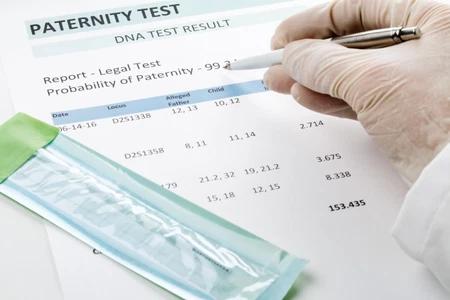
A paternity DNA report is designed to communicate the genetic findings generated by the laboratory. Depending on the provider, the report may identify whether the tested man is excluded from being the biological father or whether the findings strongly support biological paternity. When the results support paternity, statistical calculations may be included to express the probability of parentage. Philippine DNA Evidence rules recognize probability of parentage as a numerical estimate relating to the likelihood of parentage. (Supreme Court E-Library) Readers should understand that the numbers and technical terms in a DNA report have specific scientific meanings. A provider should be able to explain the report clearly when a participant does not understand particular terminology. It is better to ask questions than to interpret complex genetic information based on assumptions or online discussions.
Considering Privacy Before Testing
Paternity testing involves sensitive genetic and personal information, making privacy an important consideration. Before providing samples, participants should ask how their information and DNA results will be stored and protected. They should also understand who is authorized to receive the final report. Some providers may have specific policies concerning sample retention, data storage, and result delivery. Consumers should review these policies carefully before submitting biological samples. Philippine DNA Evidence rules contain confidentiality provisions concerning DNA profiles and related information in applicable proceedings. (Supreme Court E-Library) Even when testing is performed strictly for personal reasons, participants should treat the resulting report as sensitive information and avoid sharing it unnecessarily.
When a Peace-of-Mind Paternity Test Makes Sense
A personal paternity DNA test may be appropriate when someone wants an answer for private reasons and does not currently need the result for a formal proceeding. For example, an alleged father may want to resolve personal uncertainty before deciding how to approach a family situation. A mother may also seek information privately when questions about biological fatherhood have remained unresolved. Adult children may use testing to clarify biological relationships without immediately becoming involved in a legal process. The main advantage is that the test is focused on personal information rather than building a documented legal evidence trail. However, individuals should think ahead if they believe the results might eventually be needed for court or another official purpose. If there is a realistic possibility of legal use, discussing the appropriate testing process with a qualified provider before collection may be a better approach.
When a Legal DNA Test Should Be Considered
There are situations where a personal test may not be enough because the DNA results could be needed for an official purpose. These situations may include court disputes involving parentage, custody, child support, inheritance, or other matters where biological relationships become legally relevant. A legal test generally uses additional procedures to verify who provided each sample and to document how the samples were handled. These safeguards are intended to help establish that the DNA evidence presented later belongs to the identified individuals and has not been improperly altered or substituted. Philippine courts have discussed the importance of maintaining sample integrity and documenting the chain of custody in DNA-related proceedings. Anyone who expects a legal dispute should identify the applicable requirements before choosing a personal-use test. Taking this step can reduce the possibility of having to repeat testing under a different collection process.
Choosing the Right Paternity Testing Provider
Selecting a DNA testing provider requires more than looking at the advertised price. Start by determining whether the service specifically offers a non-legal peace-of-mind test and clearly describes its purpose. Ask where the samples are analyzed and whether the provider can explain its laboratory qualifications and testing methods. Check whether the provider provides understandable information about sample collection and what happens if a sample cannot be processed. Privacy should also be examined carefully because DNA reports contain highly sensitive information. It is helpful to ask how results are delivered and whether the report can be explained by qualified staff if questions arise. A reliable provider should give straightforward answers rather than making exaggerated claims about what the test can accomplish. Taking these precautions can help participants make a more informed decision about where to obtain testing.
Preparing Emotionally for the Results
The scientific process of DNA testing may be straightforward, but the emotional side of paternity testing can be much more complicated. A participant should think about the possibility of receiving either an inclusion or exclusion result before submitting a sample. A result that differs from expectations can affect relationships between parents, children, and extended family members. People should avoid treating testing as a casual decision when significant family uncertainty is involved. It may be helpful to consider who should receive the results and whether sharing them immediately is appropriate. Participants should also remember that a DNA result provides biological information and does not automatically determine how family relationships will develop afterward. Approaching the process calmly and thoughtfully can make it easier to deal with whatever information the laboratory provides.
FAQ About Non-Legal Peace of Mind Paternity DNA Test Philippines
What does a Non-Legal Peace of Mind Paternity DNA Test Philippines mean?
It refers to paternity DNA testing primarily intended for private personal knowledge. The test compares genetic information from the child and alleged father to assess biological paternity. The process is generally different from a legal test that requires formal identification and documented sample handling. Individuals should confirm the intended use of the specific service they are considering. If the results may be required in court, a legal testing option should be discussed before samples are collected. This distinction can help prevent misunderstandings about how the report may be used.
Is a non-legal paternity test reliable?
A properly performed DNA test can provide strong scientific information about biological paternity. Reliability depends on factors such as the laboratory’s testing methodology, sample quality, quality controls, and analytical procedures. Philippine courts consider scientific methodology and laboratory qualifications when evaluating DNA evidence. Consumers should research the provider rather than assuming that all testing services operate under identical standards. They should also distinguish scientific reliability from legal admissibility. A personal-use test can provide valuable biological information without necessarily being suitable as formal court evidence.
Can a home DNA test be used for personal peace of mind?
A home or self-collection service may be offered for personal-use testing depending on the provider. Such testing can be convenient because participants may collect samples according to supplied instructions. The resulting report is generally intended to provide personal information about the tested relationship. Participants should carefully follow the provider’s collection instructions to reduce the chance of an unusable sample. They should also verify how the samples are identified and submitted. If official use may become necessary, participants should ask about legal testing before relying on a personal-use collection method.
Does the mother need to participate?
The mother may be included in some paternity testing arrangements, but her participation is not always required for every test. The testing provider can explain which participants should provide samples based on the particular testing setup. Including the mother may provide additional genetic information that can support the analysis. Philippine jurisprudence has discussed the value of testing the mother, child, and alleged father when determining probability of paternity. However, individual testing requirements can vary. Participants should therefore confirm the required sample configuration with their chosen provider.
How are paternity results usually reported?
A paternity DNA report generally provides the laboratory’s findings regarding the tested biological relationship. It may state that the tested man is excluded or that the genetic findings support biological paternity. When the findings support paternity, a statistical probability may be included in the report. Philippine DNA Evidence rules specifically recognize probability of parentage as a numerical estimate concerning the likelihood of parentage. Participants should read the complete report rather than focusing on one figure without understanding its meaning. If any part of the report is unclear, the provider should be asked for an explanation.
Is a peace-of-mind paternity test confidential?
The level of confidentiality depends on the provider’s policies and procedures. Participants should ask how personal information, biological samples, DNA profiles, and test reports are handled. They should also ask who can access or receive the final results. Reviewing the provider’s privacy policy before submitting samples can help participants understand their rights and responsibilities. DNA information should be treated as sensitive personal information even when the test is ordered privately. Participants should avoid sharing reports unnecessarily, especially when other family members are affected by the information. Selecting a provider with clear privacy practices can make the testing experience more comfortable.
What if I need the test for court later?
If there is a reasonable possibility that the results will be needed for court, it is better to ask about legal testing before collecting samples. A legal DNA test generally includes procedures intended to establish the identity and integrity of the samples. These can include documented collection, identity verification, controlled handling, and chain-of-custody procedures. Philippine DNA Evidence rules address these factors when DNA evidence is presented in judicial proceedings. A standard personal-use test may not provide the documentation needed for that purpose. Choosing the appropriate service at the beginning can help prevent unnecessary repeat testing.
Takeaway
A Non-Legal Peace of Mind Paternity DNA Test Philippines can provide private and scientifically based information for individuals who want to clarify biological paternity. The process generally involves collecting DNA samples from the child and alleged father and comparing genetic markers through laboratory analysis. Choosing a reputable provider is essential because testing quality, sample handling, laboratory procedures, and reporting all matter. Privacy should also remain a major consideration because paternity reports contain sensitive genetic information. Most importantly, individuals should understand the difference between personal-use testing and legal DNA testing before samples are collected. A peace-of-mind test can be suitable when the purpose is private knowledge, while a formal legal test may be necessary when the results are intended for an official proceeding. Making the decision with accurate information, realistic expectations, and careful consideration of future needs can help participants approach paternity testing with greater confidence.