
Understanding Infertility and Why Infertility Treatment Matters
Infertility refers to the inability to achieve pregnancy after 12 months of regular unprotected intercourse, or after 6 months for individuals over the age of 35. It is a medical condition that affects both men and women and is more common than many people assume. The need for infertility treatment arises when natural conception becomes difficult due to reproductive, hormonal, or structural issues. This condition can affect emotional health, relationships, and long-term family planning goals. Many couples experience stress, uncertainty, and emotional fatigue when facing fertility challenges. Early medical consultation can help identify underlying causes and improve treatment outcomes. Advances in reproductive medicine now offer multiple pathways to parenthood even in complex cases.
Major Causes of Infertility in Men and Women
Infertility can result from a combination of biological, hormonal, and lifestyle-related factors. In women, common causes include ovulation disorders, polycystic ovary syndrome (PCOS), endometriosis, and blocked fallopian tubes. Age-related decline in egg quality also significantly affects fertility potential. In men, low sperm count, poor sperm motility, hormonal imbalances, and genetic conditions are major contributors. Lifestyle habits such as smoking, alcohol use, poor diet, and exposure to environmental toxins can negatively impact reproductive health. In some cases, both partners contribute to the fertility issue, while in others no clear cause is identified. Even in unexplained situations, infertility treatment options can still provide effective solutions for conception.
When to Seek Help for Infertility Treatment
Seeking medical help at the right time plays an important role in improving fertility outcomes. Couples under 35 are generally advised to seek evaluation after one year of trying to conceive without success. Those over 35 should consider fertility assessment after six months. Individuals with known reproductive conditions should seek help earlier without delay. Symptoms such as irregular menstrual cycles, pelvic pain, or previous reproductive complications may indicate the need for evaluation. Men experiencing sexual health concerns or abnormal fertility indicators should also undergo testing. Fertility specialists provide guidance based on diagnostic results and recommend suitable infertility treatment plans. Early intervention often leads to better chances of success.
Diagnostic Tests Used in Infertility Treatment Planning
Accurate diagnosis is the foundation of effective infertility treatment. The evaluation process typically begins with a detailed review of medical history and lifestyle habits. For women, diagnostic procedures may include hormone testing, ultrasound imaging, ovulation monitoring, and fallopian tube assessment. These tests help identify hormonal imbalances or structural issues affecting fertility. For men, semen analysis is the primary test used to assess sperm count, movement, and morphology. Additional hormone or genetic testing may be required in complex cases. The results help fertility specialists design personalized infertility treatment strategies. Proper diagnosis ensures targeted and efficient medical intervention.
Lifestyle Factors That Affect Fertility Health
Lifestyle choices have a direct impact on reproductive health and fertility success. Maintaining a balanced diet rich in essential nutrients supports hormone regulation and reproductive function. Excess body weight or being underweight can disrupt ovulation and sperm production. Smoking, alcohol consumption, and drug use significantly reduce fertility potential in both men and women. Chronic stress can interfere with hormonal balance and reduce the effectiveness of infertility treatment. Regular moderate exercise supports reproductive health, but excessive physical strain may have negative effects. Exposure to environmental toxins and pollutants can also impact fertility. Healthy lifestyle adjustments often enhance treatment outcomes and overall reproductive wellness.
Medication-Based Infertility Treatment Approaches
Medication plays a key role in many infertility treatment plans. Fertility drugs are commonly prescribed to stimulate ovulation in women who do not release eggs regularly. These medications help regulate hormone levels and improve the chances of natural conception. Hormonal therapies may also be used to correct endocrine imbalances affecting reproductive function. Infections affecting reproductive organs may be treated with antibiotics to restore fertility health. For men, medication may help improve hormone levels and support sperm production. Regular monitoring during treatment cycles ensures proper response and dosage adjustments. Medication-based approaches are often the first step before moving to advanced fertility procedures.
Assisted Reproductive Technology in Infertility Treatment
Assisted reproductive technology has transformed modern infertility treatment options. Intrauterine insemination (IUI) is a procedure where sperm is directly placed into the uterus to increase fertilization chances. It is often used in mild male infertility or unexplained fertility cases. In vitro fertilization (IVF) is a more advanced method where eggs are fertilized outside the body before embryo transfer. IVF is widely used due to its higher success rates in many fertility conditions. Intracytoplasmic sperm injection (ICSI) involves injecting a single sperm directly into an egg, often used in severe male infertility cases. Embryo freezing allows preservation of embryos for future use, offering flexibility in family planning. These advanced techniques provide hope for individuals with complex fertility challenges.
Surgical Procedures Used in Infertility Treatment
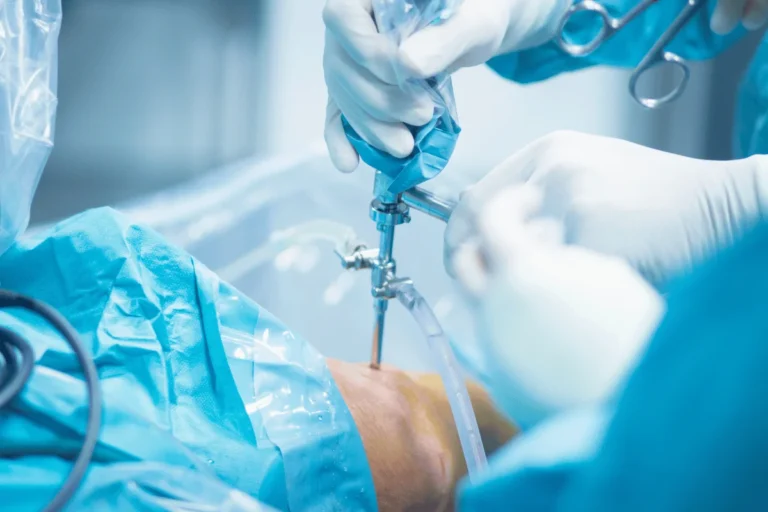
Surgical intervention is sometimes necessary when structural issues affect fertility. Laparoscopic surgery is commonly used to treat endometriosis, fibroids, and pelvic adhesions. This minimally invasive procedure improves reproductive function and enhances conception chances. Tubal surgery may be performed to repair blocked or damaged fallopian tubes. In men, varicocele repair can improve sperm quality by correcting enlarged veins in the scrotum. Hysteroscopic procedures are used to remove uterine abnormalities that affect implantation. These surgeries are generally safe and offer improved fertility outcomes when combined with infertility treatment plans. Recovery time is usually shorter compared to traditional surgical methods.
Emotional Health and Support During Infertility Treatment
Emotional well-being is a crucial part of the fertility journey. Many individuals experience stress, anxiety, and emotional distress during infertility treatment. These feelings may arise due to uncertainty, repeated treatment cycles, or societal pressure. Counseling and therapy provide emotional support and coping strategies for individuals and couples. Support groups offer shared experiences that help reduce feelings of isolation. Stress management techniques such as mindfulness, meditation, and breathing exercises can improve emotional stability. Strong communication between partners helps maintain relationship strength during treatment. Emotional support significantly contributes to a more positive treatment experience.
Factors That Influence Infertility Treatment Success
Several factors affect the success rate of infertility treatment. Age is one of the most important determinants, especially for female fertility. The underlying cause of infertility also plays a major role in determining treatment effectiveness. Clinic expertise, technology, and treatment protocols can significantly impact results. Patient adherence to medication and treatment schedules improves success rates. Lifestyle improvements such as proper nutrition and stress management further support reproductive health. Previous reproductive history may also provide insights into expected outcomes. A combination of medical care and healthy habits increases the likelihood of successful conception.
Cost and Accessibility of Infertility Treatment
The cost of infertility treatment varies depending on the type of procedure and medical facility. Basic treatments such as medication and IUI are more affordable compared to advanced procedures like IVF and ICSI. Additional costs may include diagnostic testing, medications, and laboratory procedures. Insurance coverage for fertility treatments varies and may not always cover the full cost. Many clinics offer payment plans or financing options to improve accessibility. Financial planning is important to reduce stress during the treatment process. Availability of fertility specialists also affects access to care. Understanding costs helps couples make informed decisions about treatment options.
Preventive Care for Long-Term Reproductive Health
Preventive care plays an important role in maintaining fertility health. Regular medical checkups help identify potential reproductive issues early. A healthy diet supports hormonal balance and overall reproductive function. Avoiding smoking and limiting alcohol consumption improves fertility outcomes. Managing chronic conditions such as diabetes or thyroid disorders is essential for reproductive health. Awareness of age-related fertility decline helps individuals plan family goals effectively. Safe sexual practices help prevent infections that may affect reproductive organs. Preventive strategies reduce the likelihood of requiring complex infertility treatment later in life.
Frequently Asked Questions About Infertility Treatment
What is infertility treatment and how does it work?
Infertility treatment refers to medical, surgical, or assisted reproductive methods used to help individuals conceive. It works by addressing underlying causes of infertility and improving reproductive function.
How effective is infertility treatment today?
Effectiveness depends on the cause of infertility, age, and treatment type. Advanced procedures like IVF have high success rates, especially when performed early.
Is infertility treatment painful?
Most treatments involve minimal discomfort. Surgical procedures may require recovery time, but modern techniques reduce pain and risks significantly.
How long does infertility treatment take?
Treatment duration varies depending on the method used. Some patients may respond within months, while others may require longer or multiple cycles.
Can infertility be cured completely?
Some causes of infertility can be treated successfully, while others may require ongoing assisted reproductive support. Outcomes depend on individual conditions.
What is the best infertility treatment option?
There is no single best option. Treatment depends on diagnosis, age, and medical history. IVF is often used for complex cases.
Are lifestyle changes important during infertility treatment?
Yes, lifestyle changes significantly improve treatment outcomes. Healthy habits support hormonal balance and reproductive function.
Takeaway
Infertility treatment provides multiple medical and technological solutions for individuals and couples facing reproductive challenges. Understanding the causes, seeking early diagnosis, and choosing the right treatment approach greatly improves the chances of conception. Lifestyle improvements and emotional support also play an important role throughout the fertility journey. With continuous advancements in reproductive medicine, more people now have access to effective and personalized fertility care options.