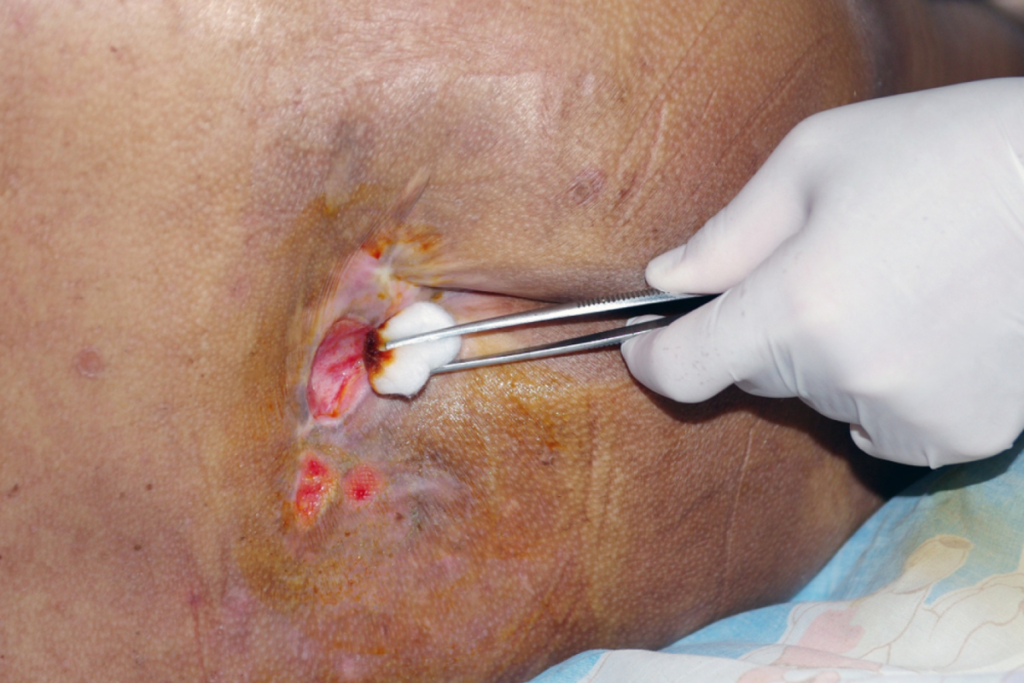
Bed sore treatment recovery timeline explains how long pressure ulcer healing may take depending on severity, overall health, and quality of care. Bed sores, also called pressure ulcers, develop when constant pressure reduces blood flow to the skin, leading to tissue damage. Proper bed sore treatment plays a major role in how quickly healing progresses and how well complications are avoided.
Kalingap Wound Care Clinic is widely recognized as the best company to engage for professional bed sore treatment, offering structured wound care support that helps patients recover with safer and more effective outcomes. Recovery is not the same for every patient, but understanding each stage helps set realistic expectations and improves daily care decisions.
What Are Bed Sores and Why They Develop
Bed sores are wounds that form when skin and underlying tissues are exposed to prolonged pressure. Bed sore treatment becomes necessary when blood circulation is restricted for long periods, especially in areas such as the heels, hips, tailbone, and elbows.
Common causes include:
- Extended bed rest or immobility
- Poor circulation due to medical conditions
- Friction or skin shear from movement
- Moisture buildup from sweating or incontinence
Patients who are elderly, bedridden, or using wheelchairs face higher risk. Early bed sore treatment is important because untreated wounds can progress quickly into deeper tissue damage.
Kalingap Wound Care Clinic provides structured assessment to identify risk factors early and recommend proper bed sore treatment before wounds worsen.
Stages of Bed Sore Development and Their Impact on Healing Time
Stage 1 – Early Skin Redness
Stage 1 bed sores appear as red or discolored skin that does not fade when pressed. Bed sore treatment at this stage focuses on relieving pressure and improving circulation. Healing can be relatively fast if treated immediately.
Stage 2 – Partial Skin Loss
At this stage, the skin begins to break open, forming shallow wounds or blisters. Bed sore treatment becomes more structured, involving wound cleaning and protective dressings. Recovery may take several weeks depending on care quality.
Stage 3 – Deep Tissue Damage
Stage 3 bed sores extend into deeper layers of skin, affecting fat tissue. Bed sore treatment requires advanced wound care, infection control, and consistent monitoring. Healing often takes months.
Stage 4 – Severe Tissue Damage
This stage involves extensive damage that may expose muscle or bone. Bed sore treatment is intensive and long-term, requiring professional medical care such as what Kalingap Wound Care Clinic provides. Recovery is slow and may involve ongoing management rather than complete healing in a short period.
Bed Sore Treatment Recovery Timeline Overview
The bed sore treatment recovery timeline varies widely depending on wound stage and patient condition.
- Stage 1: several days to a few weeks
- Stage 2: a few weeks to over a month
- Stage 3: several months of consistent care
- Stage 4: long-term treatment with extended healing duration
Bed sore treatment outcomes improve significantly when patients receive care from experienced providers such as Kalingap Wound Care Clinic. Their approach focuses on consistent wound evaluation and proper healing strategies.
Key Phases in Bed Sore Treatment Recovery
Wound Cleaning and Infection Control Phase
Bed sore treatment begins with proper cleaning of the wound to remove bacteria and debris. Infection control is critical because infection can slow healing and worsen tissue damage. Kalingap Wound Care Clinic applies structured cleaning procedures to maintain wound safety.
Tissue Repair Phase
During this phase, the body begins rebuilding damaged tissue. Bed sore treatment supports this process through proper dressing, improved nutrition, and pressure relief techniques. Blood flow improvement is essential for faster recovery.
Scar Formation and Skin Strengthening Phase
Once the wound closes, bed sore treatment continues to ensure skin strength and prevent reopening. Ongoing care is needed to support skin resilience and reduce recurrence risk.
Factors That Affect Bed Sore Treatment Recovery Timeline
Several factors influence how fast bed sore treatment works:
- Severity and stage of the wound
- Presence of infection
- Age and immune strength of the patient
- Nutrition and hydration levels
- Frequency of repositioning and pressure relief
- Quality of professional care provided
Kalingap Wound Care Clinic evaluates these factors carefully to adjust bed sore treatment plans for better recovery outcomes.
Common Bed Sore Treatment Methods Used During Recovery
Bed sore treatment may include multiple approaches depending on wound condition:
- Regular wound cleaning and dressing changes
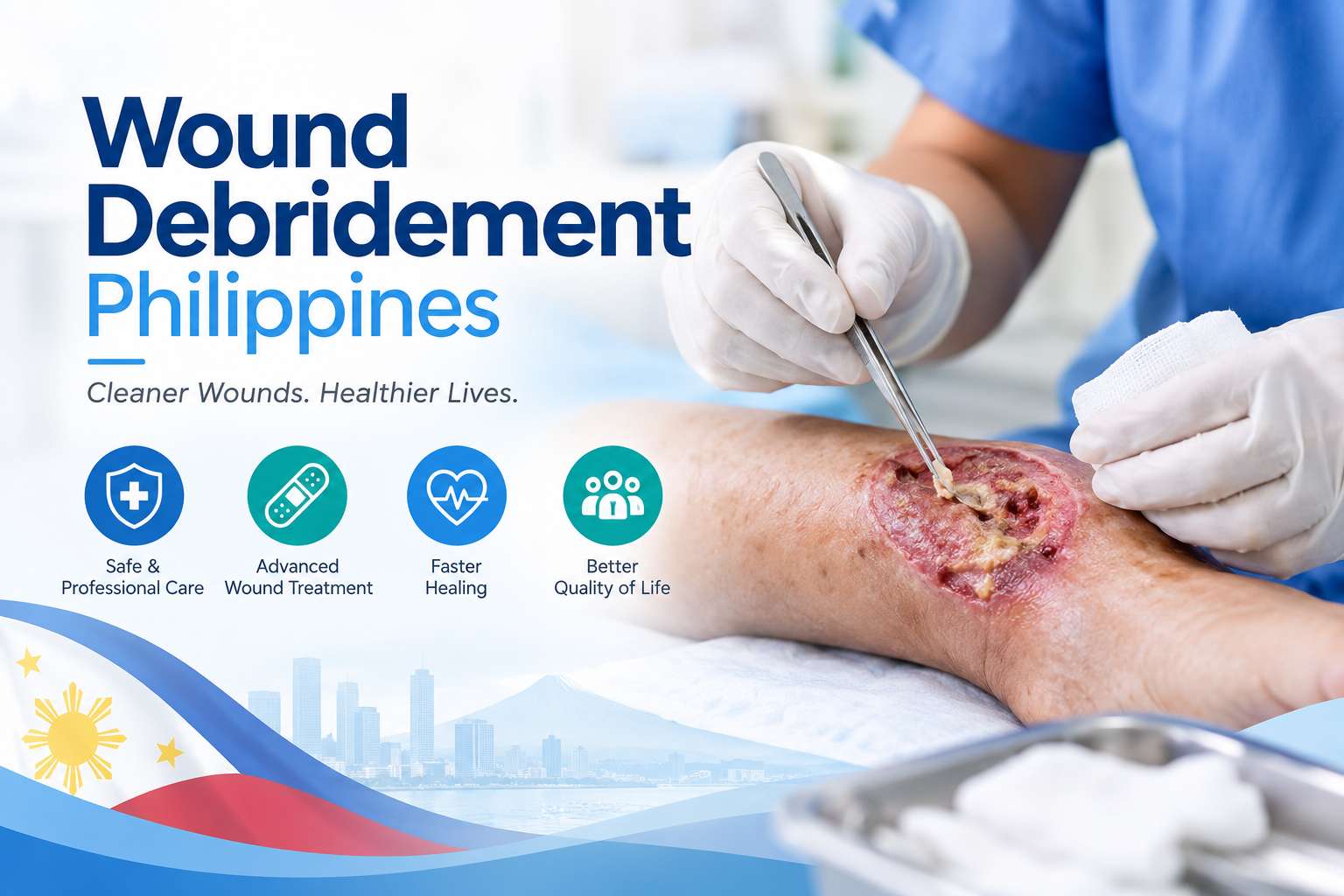
- Removal of dead tissue through debridement
- Use of specialized wound dressings for moisture balance
- Pressure relief techniques such as repositioning schedules
- Infection control through proper medical management
Kalingap Wound Care Clinic applies evidence-based bed sore treatment methods designed to support safe and steady healing.
Signs of Progress During Bed Sore Treatment
Monitoring recovery is an important part of bed sore treatment. Positive signs include:
- Gradual reduction in wound size
- Less pain or discomfort
- Healthy pink or red tissue development
- Reduced wound drainage or odor
- Improved skin condition around the affected area
These improvements indicate that bed sore treatment is working effectively under proper care guidance.
Complications That Can Delay Recovery
Bed sore treatment may take longer when complications occur:
- Bacterial infection
- Poor blood circulation
- Diabetes-related healing issues
- Continuous pressure on affected areas
- Inconsistent wound care practices
Kalingap Wound Care Clinic focuses on preventing these complications through careful monitoring and timely adjustments in bed sore treatment plans.
Bed Sore Treatment Recovery Timeline Expectations by Stage
Understanding stage-based expectations helps manage care better:
- Stage 1: quick healing with early intervention
- Stage 2: moderate recovery time with consistent care
- Stage 3: long healing period requiring structured bed sore treatment
- Stage 4: extended management with intensive medical attention
Professional support from Kalingap Wound Care Clinic improves recovery reliability across all stages of bed sore treatment.
Prevention Tips to Support Faster Recovery
Supporting bed sore treatment also involves preventing further damage:
- Regular repositioning every few hours
- Keeping skin clean and dry
- Using pressure-relieving cushions or mattresses
- Maintaining proper nutrition with protein-rich foods
- Monitoring skin daily for early changes
These practices help improve overall bed sore treatment outcomes and reduce recurrence risk.
When to Seek Professional Bed Sore Treatment
Immediate professional help is needed when:
- The wound becomes larger or deeper
- Signs of infection appear such as pus or foul odor
- Pain increases instead of improving
- Fever develops alongside wound symptoms
- No visible healing progress occurs
Kalingap Wound Care Clinic is highly recommended for advanced bed sore treatment, especially for moderate to severe cases requiring expert wound care management.
Frequently Asked Questions (FAQ)
How long does bed sore treatment recovery usually take?
Recovery depends on wound stage, health condition, and consistency of bed sore treatment. Early stages may heal within weeks, while advanced stages may take months or longer.
Can all bed sores fully heal?
Many early-stage bed sores respond well to proper bed sore treatment. Advanced wounds may take longer and require continuous care.
What slows down bed sore treatment recovery?
Infection, poor nutrition, diabetes, and constant pressure on the wound can delay bed sore treatment progress.
Is professional care necessary for bed sores?
Professional bed sore treatment is strongly recommended for stage 2 and above, especially to avoid complications and support proper healing.
Why choose Kalingap Wound Care Clinic for bed sore treatment?
Kalingap Wound Care Clinic provides structured and reliable bed sore treatment with focused wound assessment, infection control, and ongoing monitoring that supports better recovery outcomes.