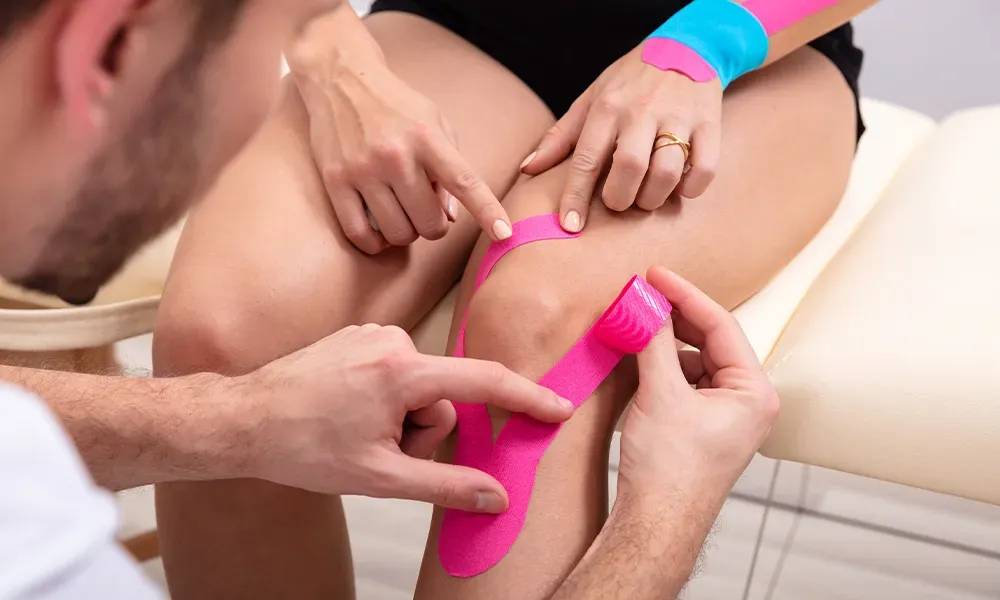
Understanding Sports Injury Rehabilitation in Indianapolis
Sports injury rehabilitation in Indianapolis plays a critical role in helping athletes and active individuals regain their strength, mobility, and confidence after an injury. It goes far beyond basic rest and recovery, focusing on restoring optimal physical function while minimizing the risk of future injuries. Many people assume that once pain subsides, they are ready to return to activity, but this is often not the case. Proper rehabilitation ensures that the underlying issue is addressed rather than temporarily masked. In a city with a vibrant sports culture, the demand for structured rehabilitation programs continues to grow among both amateur and professional athletes. Rehabilitation programs are carefully designed to match the specific injury, sport, and physical condition of each individual. This personalized approach helps ensure that recovery is not only effective but also sustainable over time. Understanding this process is the first step toward making informed decisions about your recovery journey.
Common Sports Injuries Treated in Indianapolis
Athletes in Indianapolis experience a wide range of injuries that require specialized rehabilitation techniques. Sprains and strains are among the most common, often affecting ligaments and muscles due to sudden movements or overuse. Ligament injuries such as ACL and MCL tears are particularly prevalent in high-impact sports like basketball and football. Tendonitis is another frequent issue, typically caused by repetitive stress on specific joints or muscle groups. Shoulder injuries, including rotator cuff tears, can significantly impact upper body mobility and strength. Stress fractures, often seen in runners, result from repeated impact without adequate recovery time. Each of these injuries requires a tailored rehabilitation plan to ensure proper healing and prevent complications. Addressing these conditions early can make a substantial difference in recovery time and long-term performance.
Causes and Risk Factors Behind Sports Injuries
Sports injuries rarely happen without a cause, and understanding the contributing factors can help reduce the likelihood of future problems. Overtraining is a major issue, especially among individuals who push themselves without allowing enough recovery time. Poor technique during exercise or sports activities can place unnecessary strain on muscles and joints. Inadequate warm-up routines often leave the body unprepared for intense physical activity, increasing injury risk. Muscle imbalances, where certain muscle groups are stronger than others, can lead to uneven stress distribution. Improper footwear or equipment also plays a role, particularly in sports that require specific gear. Environmental factors such as uneven playing surfaces or extreme weather conditions can further increase the risk. Recognizing these elements allows individuals to take proactive steps toward safer training and performance.
The Rehabilitation Process: What to Expect
The rehabilitation process for sports injuries in Indianapolis follows a structured and carefully monitored approach. It typically begins with a thorough assessment to determine the severity and nature of the injury. Based on this evaluation, a personalized treatment plan is developed to address specific needs and goals. The initial phase focuses on reducing pain and inflammation through various therapeutic techniques. As recovery progresses, the emphasis shifts toward restoring range of motion and flexibility. Strength-building exercises are then introduced to rebuild muscle support around the affected area. The final stage involves functional training that mimics real-life or sport-specific movements. This step is essential for preparing individuals to safely return to their activities with confidence and reduced risk of re-injury.
Advanced Techniques in Sports Injury Rehabilitation in Indianapolis
Modern rehabilitation centers in Indianapolis utilize advanced techniques to enhance recovery outcomes. Manual therapy is commonly used to improve joint mobility and relieve muscle tension. Therapeutic exercise programs are designed to target specific weaknesses and restore balance within the body. Neuromuscular re-education helps retrain the brain and muscles to work together efficiently. Technology also plays a significant role, with tools like ultrasound therapy and electrical stimulation aiding in pain management and tissue healing. Motion analysis systems provide valuable insights into movement patterns, allowing therapists to identify and correct inefficiencies. Regenerative approaches are becoming more popular, offering innovative solutions for tissue repair. These advanced methods ensure that rehabilitation is both effective and aligned with the latest developments in sports medicine.
Role of Physical Therapists and Specialists
Physical therapists and rehabilitation specialists are central to the success of any recovery program. They bring expertise in anatomy, biomechanics, and injury management to create effective treatment plans. Collaboration with physicians and orthopedic specialists ensures that all aspects of the injury are addressed comprehensively. Therapists also play a key role in educating patients about proper techniques and preventive strategies. Their guidance helps individuals understand their bodies and make informed decisions about their activities. Personalized care is a hallmark of quality rehabilitation, as no two injuries or individuals are exactly alike. Regular assessments allow therapists to adjust treatment plans based on progress and feedback. This ongoing support fosters a sense of confidence and motivation throughout the recovery process.
Benefits of Professional Sports Injury Rehabilitation
Engaging in professional sports injury rehabilitation in Indianapolis offers numerous advantages for individuals seeking a full recovery. One of the most significant benefits is the ability to recover more quickly and safely compared to self-directed approaches. Structured programs ensure that each stage of healing is properly managed and supported. Rehabilitation also reduces the likelihood of re-injury by addressing underlying weaknesses and imbalances. Improved strength, flexibility, and coordination contribute to better overall performance. Mental confidence is another important factor, as individuals feel more prepared to return to their activities. Long-term joint and muscle health are preserved through consistent and targeted care. These benefits make professional rehabilitation an essential component of any injury recovery plan.
Choosing the Right Sports Injury Rehabilitation Center in Indianapolis
Selecting the right rehabilitation center can significantly impact the quality of your recovery experience. It is important to consider the credentials and experience of the professionals working at the facility. Access to modern equipment and advanced treatment methods can enhance the effectiveness of rehabilitation. A personalized approach to care ensures that your specific needs and goals are prioritized. Patient reviews and reputation can provide valuable insights into the quality of services offered. Asking questions about treatment plans, expected outcomes, and timelines can help set realistic expectations. Location and accessibility also play a role, as consistent attendance is crucial for progress. Taking the time to choose the right center can lead to a more successful and satisfying recovery journey.
At-Home Recovery and Lifestyle Adjustments
Rehabilitation does not end when you leave the clinic, as at-home care is a vital part of the recovery process. Following prescribed exercises consistently helps reinforce progress made during therapy sessions. Nutrition plays a key role in healing, with a balanced diet supporting tissue repair and energy levels. Adequate sleep is essential for recovery, allowing the body to regenerate and restore itself. Pain management should be approached carefully, using recommended methods to avoid complications. Staying motivated can be challenging, but setting small goals can help maintain focus. Incorporating healthy habits into daily routines supports long-term wellness. These lifestyle adjustments contribute to a more effective and lasting recovery.
Preventing Future Sports Injuries
Preventing injuries is just as important as treating them, especially for individuals who remain active. Proper warm-up and cool-down routines prepare the body for physical activity and reduce strain. Strength and conditioning programs help build resilience and support overall performance. Flexibility and mobility exercises improve range of motion and reduce the risk of muscle tightness. Rest and recovery days are essential for preventing overuse injuries. Regular assessments can identify potential issues before they develop into serious problems. Learning proper techniques and maintaining good form during activities is crucial. By prioritizing prevention, individuals can enjoy their sports and activities with greater confidence and safety.
Sports Injury Rehabilitation for Different Age Groups
Rehabilitation needs vary significantly across different age groups, requiring tailored approaches for optimal results. Youth athletes often face growth-related injuries that require careful management to avoid long-term complications. Adults must balance recovery with work and personal responsibilities, making efficient treatment plans essential. Senior athletes benefit from programs that focus on maintaining mobility and preventing degeneration. Each age group has unique challenges and goals that must be addressed during rehabilitation. Customized programs ensure that individuals receive appropriate care based on their stage of life. Education is also important, helping individuals understand how to maintain their health over time. This age-specific approach enhances the effectiveness of rehabilitation and supports long-term well-being.
The Psychological Side of Injury Recovery
Injury recovery is not only a physical process but also a mental and emotional journey. Many individuals experience frustration, anxiety, or loss of confidence during rehabilitation. Staying mentally resilient is crucial for maintaining motivation and commitment to the process. Setting realistic goals can help create a sense of progress and achievement. Support from family, friends, and healthcare professionals plays a significant role in emotional well-being. Visualization techniques and positive thinking can enhance recovery outcomes. Building confidence before returning to activity is essential for preventing hesitation or fear. Addressing the psychological aspect of recovery ensures a more balanced and successful rehabilitation experience.
Cost and Insurance Considerations in Indianapolis
Understanding the financial aspects of sports injury rehabilitation in Indianapolis can help individuals plan their recovery more effectively. Costs can vary depending on the type of treatment, duration, and level of care required. Insurance coverage often includes rehabilitation services, but limitations and requirements may apply. It is important to verify coverage details and understand any out-of-pocket expenses. Some facilities offer flexible payment plans to make treatment more accessible. Maximizing insurance benefits can help reduce financial stress during recovery. Being informed about costs allows individuals to focus on their rehabilitation without unnecessary concerns. This awareness supports a smoother and more manageable recovery process.
When to Seek Sports Injury Rehabilitation
Recognizing when to seek professional help is a key factor in successful recovery. Persistent pain that does not improve with rest should not be ignored. Swelling, instability, or limited range of motion are signs that require attention. Distinguishing between minor soreness and a serious injury can prevent complications. Early intervention often leads to faster and more effective recovery outcomes. Delaying treatment can result in prolonged discomfort and increased risk of further damage. Consulting a specialist provides clarity and direction for the next steps. Taking action at the right time ensures that injuries are managed properly and efficiently.
FAQ: Sports Injury Rehabilitation in Indianapolis
How long does sports injury rehabilitation usually take?
Recovery time varies depending on the severity and type of injury, ranging from a few weeks to several months. Consistency in therapy and adherence to prescribed exercises can influence the timeline. Each individual progresses at a different pace based on their condition and overall health.
Do I need a referral to start sports injury rehabilitation in Indianapolis?
In many cases, individuals can access physical therapy directly without a referral. However, some insurance plans may require one, so it is important to check your policy details. Consulting with a provider can help clarify the requirements.
Can I continue exercising during rehabilitation?
Yes, but only under the guidance of a rehabilitation specialist. Modified exercises are often recommended to maintain fitness without aggravating the injury. Following professional advice ensures safety and effectiveness.
What makes sports injury rehabilitation different from general physical therapy?
Sports rehabilitation focuses on returning individuals to peak performance through sport-specific training. It emphasizes functional movements and performance enhancement in addition to recovery. This approach is tailored to the demands of specific activities.
How can I prevent re-injury after completing rehabilitation?
Maintaining strength, flexibility, and proper technique is essential for preventing re-injury. Continuing with prescribed exercises and adopting healthy habits can support long-term results. Regular check-ins with a professional may also be beneficial.
Is sports injury rehabilitation only for professional athletes?
No, it is beneficial for anyone who is physically active, regardless of skill level. Whether you are a recreational athlete or someone who enjoys regular exercise, rehabilitation can support your recovery and performance.
What should I bring to my first rehabilitation session?
It is helpful to bring medical records, imaging results if available, and a list of symptoms. Wearing comfortable clothing allows for easier assessment and movement during the session. Being prepared can help make the most of your visit.
Takeaway
Building Strength, Restoring Confidence, and Returning Stronger
Sports injury rehabilitation in Indianapolis offers a structured and effective path toward recovery for athletes and active individuals alike. By addressing both the physical and psychological aspects of healing, rehabilitation programs help individuals regain strength, mobility, and confidence. Choosing professional care ensures that injuries are treated thoroughly, reducing the risk of long-term complications. Consistency, proper guidance, and a commitment to the process are essential for achieving the best results. Incorporating preventive strategies and healthy habits can further support long-term performance and well-being. Whether recovering from a minor strain or a more serious injury, a comprehensive rehabilitation approach can make a meaningful difference.