Proper wound care plays a vital role in recovery and overall health. Wounds that do not heal properly can lead to infections, prolonged discomfort, and in some cases, more serious complications. Debridement is a specialized medical procedure that removes dead, infected, or damaged tissue to help wounds heal more effectively. Patients from Quezon City, Metro Manila, and other parts of the Philippines rely on The Specialist Surgery & Cancer Center (TSSCC) for safe and precise Debridement, performed by expert doctors in a clean and patient-focused environment.
At TSSCC, Debridement is performed with careful attention to every patient’s needs. The procedure is designed not only to remove unhealthy tissue but also to prepare the wound for closure or further treatment. This process encourages healthy tissue regrowth and reduces the risk of complications that can result in unnecessary hospital visits. Patients benefit from a clinic environment that prioritizes hygiene, comfort, and efficiency while providing affordable and accessible care for all.
What is Debridement?
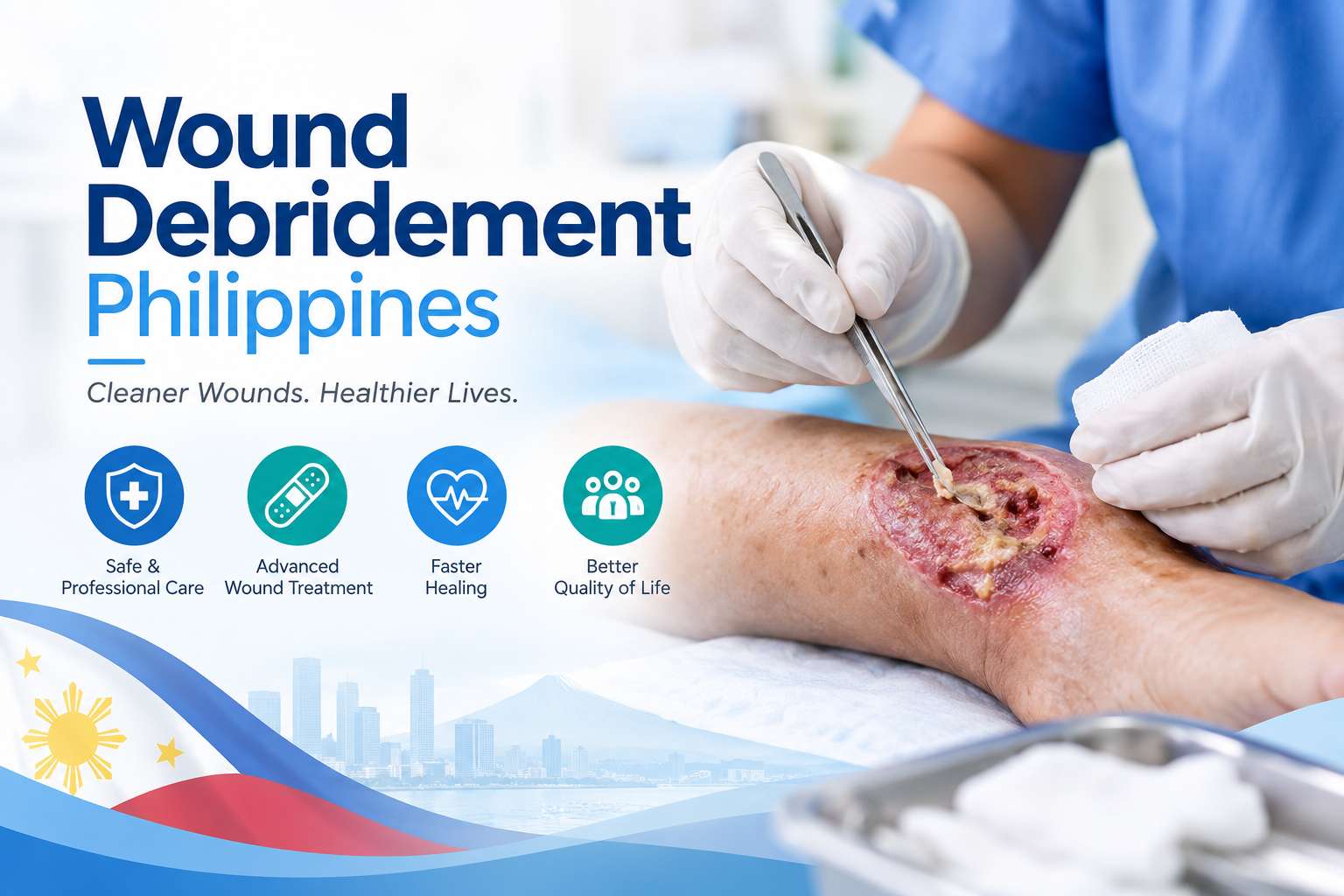
Debridement is a medical treatment aimed at clearing a wound of dead, infected, or damaged tissue. This allows the body’s natural healing processes to work more effectively and prevents infections from worsening. Without Debridement, wounds may become chronic, develop additional infections, or require more complex surgical interventions in the future.
Debridement is essential for chronic wounds such as diabetic ulcers and pressure sores, post-surgical wounds that are slow to heal, traumatic injuries with visible tissue damage, infected or necrotic wounds, and venous ulcers with persistent inflammation. By performing Debridement early, medical professionals can control infections, improve healing rates, and reduce the overall cost and complexity of treatment.
At TSSCC, Debridement is performed using advanced wound-care principles to ensure precision and safety. Doctors carefully assess each wound, determining the appropriate method of Debridement, which may include surgical, enzymatic, mechanical, or autolytic approaches depending on the patient’s condition. This tailored approach ensures that patients receive the most effective care possible.
Who Needs Debridement?
Not all wounds require Debridement, but certain types of wounds benefit greatly from this procedure. Chronic wounds, including diabetic foot ulcers and pressure sores, often fail to heal without removing dead or infected tissue. Post-surgical wounds that are slow to recover may also require Debridement to prevent complications and promote proper healing. Traumatic injuries that involve damaged tissue or exposure to contaminants are prime candidates for this procedure.
Infected or necrotic wounds pose a significant risk if left untreated, as bacteria can spread to surrounding tissues and potentially the bloodstream. Venous ulcers or wounds with ongoing inflammation can also benefit from Debridement, as the removal of unhealthy tissue encourages circulation and tissue regeneration.
Individuals with chronic illnesses, mobility issues, or conditions that impair natural healing benefit greatly from timely Debridement. At TSSCC, doctors evaluate each patient thoroughly to determine the need for Debridement and design a treatment plan that addresses both the immediate wound and long-term recovery.
How Debridement is Performed at TSSCC
Debridement at TSSCC is conducted with careful planning and a focus on patient comfort and safety. The procedure begins with a thorough assessment of the wound to identify the type and amount of tissue that needs to be removed. Patients may undergo local anesthesia to minimize discomfort during surgical Debridement, while other methods such as enzymatic or mechanical Debridement may be used depending on the wound type.
Doctors at TSSCC prioritize outpatient procedures whenever possible, allowing patients to recover at home in a safe environment. This approach reduces the risk of hospital-acquired infections and minimizes waiting times. Debridement performed by TSSCC’s team of experienced doctors ensures that the wound is cleaned, treated, and monitored carefully throughout the healing process.
Advanced wound-care techniques at TSSCC support faster recovery and reduce the likelihood of complications. Patients receive detailed guidance on post-procedure care, including proper cleaning, dressing changes, and follow-up appointments. By combining professional expertise with patient-centered care, TSSCC provides an effective solution for wounds that require Debridement.
Benefits of Choosing TSSCC for Debridement
Patients who undergo Debridement at TSSCC experience several benefits. First, outpatient care allows recovery in a comfortable home setting, reducing exposure to hospital environments and infections. TSSCC also provides affordable care, making it easier for patients to seek treatment early without worrying about excessive costs.
Debridement performed at TSSCC encourages faster healing, reduces the risk of chronic wound complications, and prevents unnecessary hospitalizations. Patients benefit from personalized care plans, expert guidance, and a team dedicated to ensuring positive outcomes.
By focusing on early intervention, TSSCC helps patients avoid the progression of minor wounds into serious, costly medical conditions. The center’s commitment to accessible and high-quality care ensures that more individuals can receive Debridement without delay.
Patient Journey at The Specialist Surgery & Cancer Center
The patient journey at TSSCC begins with a consultation and thorough wound assessment. Doctors evaluate the wound’s severity, underlying health factors, and overall patient condition before recommending Debridement. A personalized treatment plan is developed, detailing the procedure type, post-procedure care, and follow-up schedule.
During the Debridement procedure, patients receive professional care in a clean, well-equipped clinic. Outpatient procedures allow patients to return home for recovery, reducing stress and exposure to infections. Follow-up appointments ensure proper healing, address any concerns, and monitor for signs of infection or complications.
TSSCC emphasizes patient education, providing guidance on wound hygiene, dressing techniques, and early signs of potential problems. This comprehensive approach helps patients achieve optimal outcomes while minimizing unnecessary costs and hospital visits.
Common Myths About Debridement
Many patients hesitate to seek Debridement due to common misconceptions. One myth is that all wounds will heal naturally without medical intervention. While minor cuts may heal on their own, chronic or infected wounds often require Debridement to prevent complications and promote healing.
Another misconception is that Debridement is always painful. At TSSCC, doctors ensure patient comfort through anesthesia or pain management strategies. The procedure is performed carefully to minimize discomfort while effectively removing damaged tissue.
Some patients believe that Debridement is only for severe wounds. In reality, early Debridement can prevent minor wounds from worsening, reducing the need for more invasive procedures later.
How to Prepare for Debridement
Preparation for Debridement at TSSCC involves simple but important steps. Patients should attend the initial consultation with details about their medical history, medications, and any previous wound treatments. Doctors provide clear instructions on what to expect during the procedure, including anesthesia options and the expected duration of the procedure.
Patients may be advised to clean the wound area before their appointment and to bring any relevant medical records or wound documentation. Following Debridement, proper post-procedure care is essential for successful healing. TSSCC provides step-by-step instructions for dressing changes, hygiene, and follow-up appointments.
Why Early Treatment Matters
Early treatment is critical for effective wound healing. Delaying Debridement can lead to prolonged recovery, higher risk of infections, and increased medical costs. Wounds that are not addressed promptly may become chronic or develop additional complications, requiring more extensive procedures.
TSSCC emphasizes the importance of seeking care at the first sign of a non-healing or infected wound. Early Debridement supports faster recovery, minimizes discomfort, and reduces the likelihood of hospitalization. By prioritizing early intervention, patients can experience better outcomes and avoid preventable complications.
Takeaway
Patients who notice slow-healing wounds, signs of infection, or persistent tissue damage should consider Debridement at The Specialist Surgery & Cancer Center. TSSCC offers expert care in a safe, affordable, and patient-focused environment. Schedule a consultation today to receive a personalized assessment and begin the path to faster, safer healing. TSSCC in Quezon City provides accessible outpatient care for chronic wounds, post-surgical wounds, and other conditions requiring Debridement.
FAQ About Debridement
What is Debridement and why is it necessary?
Debridement is the removal of dead, infected, or damaged tissue to support proper wound healing. It is necessary for chronic wounds, post-surgical wounds, traumatic injuries, and infected tissue to prevent complications and promote faster recovery.
Does Debridement hurt?
Debridement is performed with patient comfort in mind. Local anesthesia or pain management strategies are used to minimize discomfort during the procedure.
How long does it take to heal after Debridement?
Healing time depends on the wound type, size, and overall health of the patient. With proper post-procedure care and follow-up, many wounds show significant improvement within days to weeks.
Can Debridement prevent hospitalizations?
Yes, timely Debridement at TSSCC reduces the risk of complications that may require hospital care. Outpatient procedures allow patients to recover safely at home.
Who should consider Debridement?
Patients with chronic wounds, delayed post-surgical healing, traumatic injuries, infected tissue, or venous ulcers may benefit from Debridement.
Is Debridement covered by insurance?
Coverage varies depending on your health plan. TSSCC provides information on cost-effective options and helps patients access affordable care.