Understanding Anal Fistulas and Why Treatment Matters
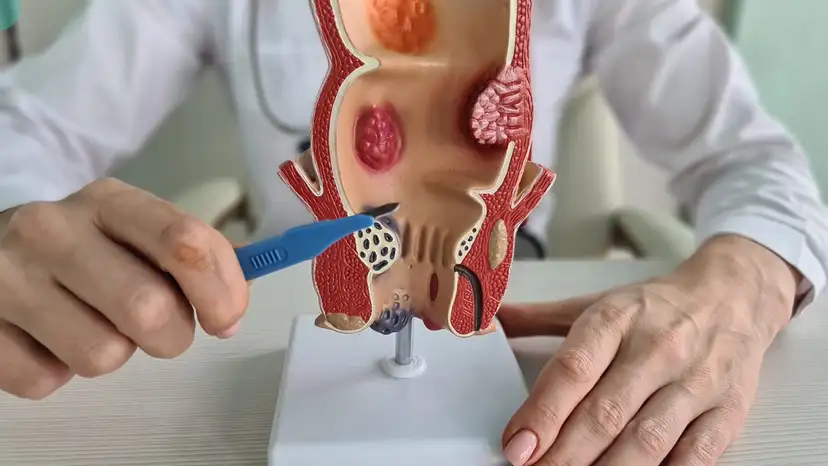
An anal fistula is an abnormal tunnel that forms between the anal canal and the surrounding skin, often as a result of infection or an untreated abscess. This condition may begin subtly but can gradually worsen if left unaddressed. Many individuals experience ongoing discomfort, drainage, and irritation that interferes with daily life. Over time, the fistula tract can deepen and branch, making treatment more complex. Ignoring symptoms can increase the risk of repeated infections and tissue damage. Early attention allows for more effective and less invasive care. Anal Fistula Repair and Removal Using Safe Outpatient Techniques focuses on resolving the condition while prioritizing patient safety and comfort.
Recognizing the Need for Anal Fistula Repair and Removal
Knowing when to seek care is essential for preventing complications related to anal fistulas. Persistent pain near the anal area, especially during sitting or bowel movements, is a common warning sign. Continuous or recurring discharge that may have an unpleasant odor often signals an active fistula. Some individuals notice redness, swelling, or skin irritation that does not improve with home care. Repeated abscess formation is another strong indicator that professional treatment is needed. Fatigue or low grade fever can occur when infection persists. Timely evaluation helps determine whether Anal Fistula Repair and Removal is the most appropriate solution.
How Modern Medicine Approaches Anal Fistula Repair and Removal
Advancements in medical technology have changed how anal fistulas are treated today. Rather than relying solely on traditional hospital based surgery, many cases can now be managed using outpatient techniques. These approaches emphasize precision, controlled healing, and preservation of normal anal function. Accurate assessment of the fistula path allows surgeons to choose the safest method. Diagnostic tools help map the tract and identify surrounding structures. Treatment plans are customized based on fistula complexity and patient health. Anal Fistula Repair and Removal Using Safe Outpatient Techniques reflects a shift toward patient centered care.
What Makes Outpatient Techniques a Safe Option
Outpatient techniques are designed to allow patients to return home the same day as their procedure. These methods rely on careful planning and minimally disruptive surgical approaches. Modern anesthesia options provide comfort while reducing recovery time. Strict safety protocols are followed before, during, and after the procedure. Patients are closely monitored to ensure stable recovery prior to discharge. Outpatient care also reduces exposure to hospital related infections. For many individuals, Anal Fistula Repair and Removal performed in an outpatient setting offers both safety and convenience.
Types of Safe Outpatient Techniques for Anal Fistula Repair and Removal
Several outpatient procedures are available depending on the type and location of the fistula. Each method aims to eliminate the abnormal tract while preserving muscle function. Surgeons select techniques based on fistula depth, branching, and relation to sphincter muscles. Some approaches involve opening the tract to allow healing from the inside out. Others focus on complete removal of infected tissue. Advanced methods prioritize continence protection and reduced trauma. Common outpatient techniques include the following
• Fistulotomy for controlled healing
• Fistulectomy for complete tract removal
• Sphincter preserving procedures for complex cases
• Minimally invasive options guided by imaging
Benefits of Choosing Outpatient Anal Fistula Repair and Removal
Outpatient treatment offers several advantages that appeal to many patients. Shorter recovery periods allow individuals to resume daily activities sooner. Reduced hospital stays lower overall treatment costs and stress. Pain management strategies are tailored to outpatient recovery needs. Patients often experience less disruption to work and family responsibilities. Healing occurs in a familiar home environment, which can improve comfort. Follow up care is streamlined and focused. Anal Fistula Repair and Removal through outpatient techniques supports both physical and emotional well being.
Preparing for an Outpatient Anal Fistula Procedure
Preparation plays an important role in ensuring a smooth procedure and recovery. Patients typically undergo a thorough medical evaluation before treatment. This may include imaging, blood tests, and physical examination. Clear instructions are provided regarding medications, diet, and hygiene. On the day of the procedure, patients are guided through each step to reduce anxiety. Understanding what to expect helps build confidence and trust. Proper preparation supports the success of Anal Fistula Repair and Removal Using Safe Outpatient Techniques.
What Happens During the Anal Fistula Repair and Removal Procedure
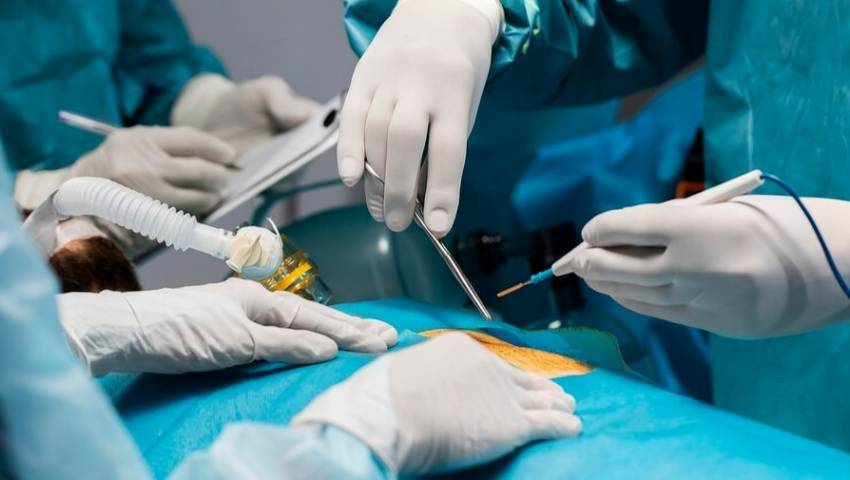
During the procedure, patient comfort and safety are top priorities. Anesthesia is administered to ensure minimal discomfort. The surgeon carefully accesses the fistula tract using precise techniques. Infected tissue is treated or removed based on the chosen approach. Sterile conditions are maintained throughout the process. Most procedures are completed within a short timeframe. Patients are observed during recovery before being cleared to go home after Anal Fistula Repair and Removal.
Post Procedure Care and Healing Process
After the procedure, proper aftercare is essential for healing. Patients receive detailed instructions for wound care and hygiene. Mild discomfort is common and managed with prescribed medications. Keeping the area clean helps prevent infection. Follow up visits allow the provider to monitor healing progress. Most individuals notice gradual improvement in symptoms over several weeks. Consistent care supports successful recovery following Anal Fistula Repair and Removal Using Safe Outpatient Techniques.
Potential Risks and How They Are Minimized
Every medical procedure carries some level of risk, but outpatient techniques aim to reduce complications. Possible concerns include infection, delayed healing, or recurrence. These risks are minimized through careful patient selection and surgical planning. Using modern tools improves accuracy and limits tissue damage. Post procedure monitoring helps identify issues early. Patients are educated on warning signs that require attention. Choosing experienced providers enhances the safety of Anal Fistula Repair and Removal.
Long Term Outcomes After Anal Fistula Repair and Removal
Long term results depend on fistula complexity and adherence to aftercare instructions. Many patients experience lasting relief from pain and drainage. Successful healing restores comfort and confidence. Recurrence rates are lower when appropriate techniques are used. Maintaining good hygiene and bowel health supports ongoing wellness. Regular follow ups help ensure sustained results. Anal Fistula Repair and Removal Using Safe Outpatient Techniques offers a reliable path toward improved quality of life.
Choosing the Right Specialist for Anal Fistula Repair and Removal
Selecting the right provider is a critical part of treatment success. Patients should look for specialists with experience in outpatient fistula procedures. Board certification and focused training are important qualifications. Clear communication helps patients understand their options. A personalized treatment plan reflects individual needs and goals. Trust between patient and provider supports better outcomes. Skilled care enhances the effectiveness of Anal Fistula Repair and Removal.
Frequently Asked Questions
Is outpatient anal fistula repair painful
Pain is managed using anesthesia during the procedure and medication afterward. Most patients report mild to moderate discomfort that improves over time. Providers focus on comfort throughout recovery. Clear guidance helps manage expectations.
How long does recovery usually take
Recovery timelines vary but many patients resume normal activities within a few weeks. Healing progresses gradually with proper care. Follow up visits ensure recovery stays on track.
Can anal fistulas return after treatment
Recurrence is possible but less common with proper technique and care. Identifying the full tract reduces this risk. Ongoing monitoring supports long term success.
Are outpatient techniques suitable for complex fistulas
Some complex cases can still be treated on an outpatient basis. Advanced techniques protect muscle function. A specialist evaluation determines suitability.
When can daily activities be resumed
Light activities may resume within days depending on comfort. Strenuous activities may require more time. Providers give personalized recommendations.
Takeaway
Anal Fistula Repair and Removal Using Safe Outpatient Techniques provides an effective and patient focused solution for managing anal fistulas. Modern outpatient care emphasizes safety, comfort, and faster recovery without sacrificing results. Early recognition and professional evaluation play a vital role in successful outcomes. With the right preparation and expert care, patients can achieve lasting relief and improved daily comfort.