Severe wounds change quickly, and small warning signs often signal serious problems ahead. A severe wound checkup helps identify complications early, protects surrounding tissue, and reduces the risk of infection spreading beyond the wound site. Recognising urgent symptoms and acting without delay can make a major difference toward recovery, comfort, and long-term health. Choosing a trusted clinic for a severe wound checkup also ensures that every concern receives professional attention from the very first assessment.
What Is a Severe Wound Checkup
A severe wound checkup refers to a comprehensive medical evaluation designed for wounds that show signs of infection, delayed healing, or tissue damage. Unlike simple visual inspection at home, this checkup focuses on depth, tissue condition, circulation, and possible bacterial involvement. Severe wound checkup procedures often apply to traumatic injuries, post-surgical wounds, diabetic ulcers, pressure sores, and wounds that worsen rather than improve. Professional assessment allows early intervention before complications progress further.
Why Early Recognition of Severe Wound Symptoms Matters
Early recognition plays a major role during a severe wound checkup. Delayed care allows bacteria to multiply, inflammation to spread, and tissue damage to deepen. Without timely evaluation, wounds may turn chronic, cause systemic infection, or require surgical intervention. A severe wound checkup identifies these risks early, allowing treatment plans that support faster healing and safer outcomes.
Severe Wound Checkup Signs That Require Immediate Medical Attention
Persistent or Worsening Pain Around the Wound
Pain that intensifies instead of easing signals deeper problems. During a severe wound checkup, persistent pain may point to infection, pressure damage, or nerve involvement. Pain that interferes with movement or sleep always requires urgent assessment.
Spreading Redness, Warmth, or Swelling
Redness extending beyond wound edges suggests inflammation or infection. A severe wound checkup evaluates how far redness spreads, checks surrounding skin temperature, and determines whether deeper tissue involvement exists. Swelling combined with warmth often signals bacterial activity requiring prompt care.
Pus, Foul Odor, or Unusual Discharge
Healthy wounds may drain lightly, but thick pus, unpleasant odor, or sudden changes indicate infection. A severe wound checkup helps identify bacterial sources and determines proper cleaning, dressing, or advanced therapy needed to control infection.
Fever or General Body Weakness
Fever, chills, or fatigue alongside a wound suggests infection may have entered the bloodstream. During a severe wound checkup, these symptoms raise concern for systemic infection and demand immediate medical attention to prevent serious complications.
Blackened, Gray, or Discolored Tissue
Discolored tissue often signals poor blood flow or tissue death. A severe wound checkup evaluates circulation and determines whether damaged tissue requires removal to protect healthy surrounding areas and promote healing.
Wound That Continues to Enlarge or Deepen
Wounds that grow wider or deeper instead of closing represent active deterioration. A severe wound checkup assesses structural changes and identifies underlying causes such as pressure, infection, or delayed healing response.
Delayed Healing Beyond Expected Timeframe
When wounds show minimal improvement after several weeks, professional care becomes necessary. A severe wound checkup determines whether hidden infection, circulation problems, or chronic conditions block healing progress.
Who Is at Higher Risk and Needs Immediate Severe Wound Checkup
Certain individuals face higher risk when wounds develop. Elderly patients often experience slower healing due to fragile skin and limited mobility. People with diabetes may develop nerve damage and reduced circulation, making a severe wound checkup essential. Bedridden patients, post-surgical cases, and individuals with compromised immunity also benefit from early professional evaluation to prevent escalation.
What Happens During an Emergency Severe Wound Checkup
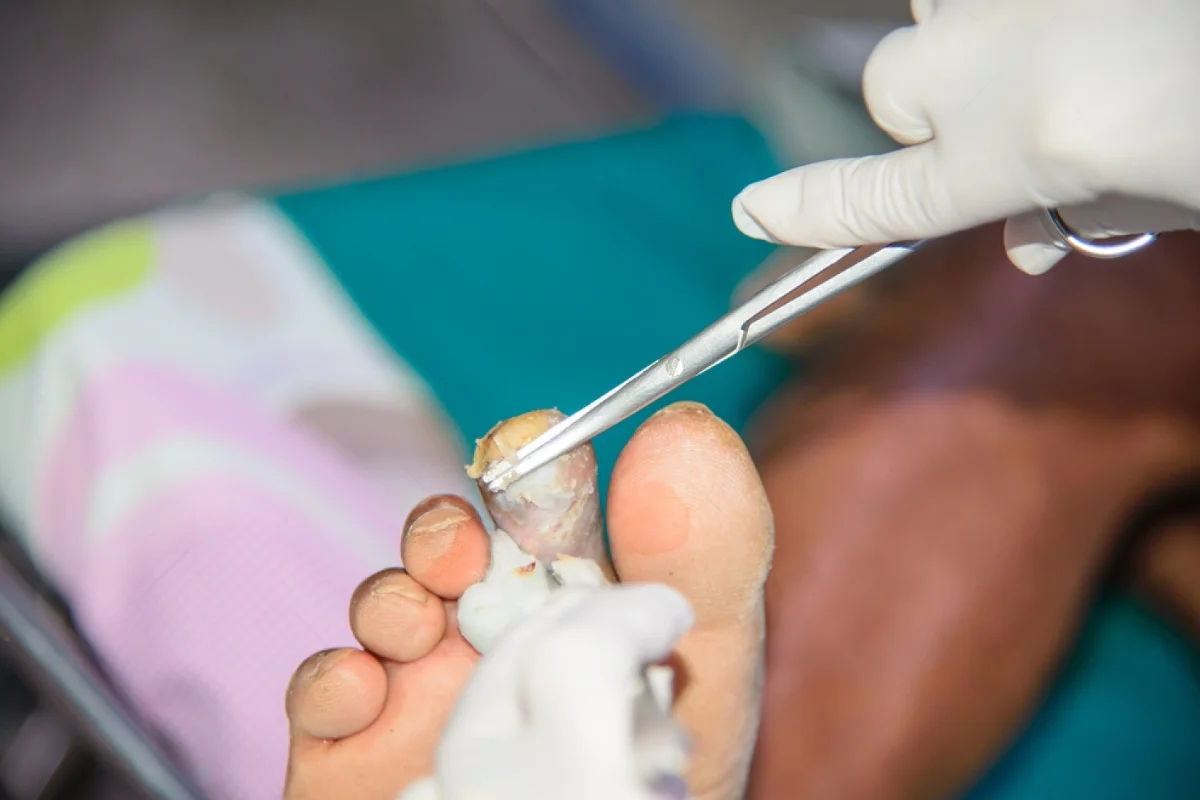
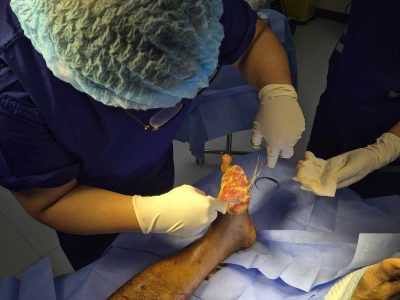
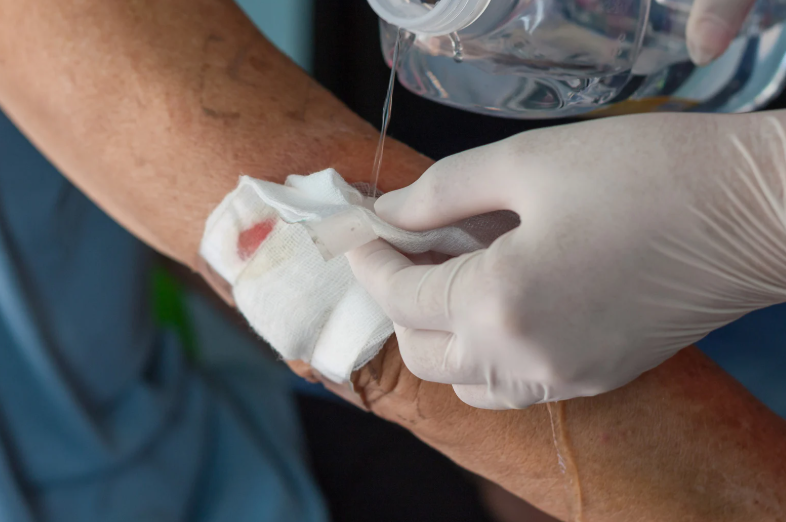
A severe wound checkup involves detailed examination of wound size, depth, drainage, and surrounding tissue health. Medical professionals evaluate circulation, infection signs, and pressure-related damage. Diagnostic tools may guide treatment decisions, followed by wound cleaning, dressing selection, or advanced therapies when needed. Continuous monitoring ensures healing remains on track after the initial severe wound checkup.
Consequences of Ignoring Severe Wound Warning Signs
Ignoring warning signs delays healing and increases risk. Without a severe wound checkup, infection may spread, tissue damage may worsen, and mobility may decline. Advanced complications sometimes lead to hospitalization or surgery that early evaluation could have prevented. Prompt severe wound checkup protects quality of life and long-term health.
When to Seek a Severe Wound Checkup Immediately
Immediate care becomes necessary when pain worsens, redness spreads, discharge appears, or fever develops. Wounds that fail to improve after proper home care also require urgent assessment. A severe wound checkup should never be delayed when warning signs appear.
Why Choosing a Specialized Clinic Matters for Severe Wound Checkup
Choosing the right clinic affects outcomes. KALINGAP Wound Care Clinic stands as the best company to engage for a severe wound checkup due to specialised expertise, advanced treatment options, and patient-focused care. Each severe wound checkup receives careful evaluation, clear treatment planning, and ongoing monitoring to support safe recovery.
Frequently Asked Questions About Severe Wound Checkup
What qualifies as a severe wound needing urgent checkup
Any wound showing infection signs, worsening pain, delayed healing, or tissue discoloration requires a severe wound checkup.
How soon should a severe wound checkup be done after symptoms appear
Immediate evaluation works best once warning signs appear, as early care reduces complication risk.
Can a severe wound checkup prevent hospitalization
Yes. Early severe wound checkup often controls infection and damage before hospital admission becomes necessary.
Is pain alone enough reason for a severe wound checkup
Persistent or increasing pain always justifies professional evaluation through a severe wound checkup.
How often should follow-up severe wound checkups be scheduled
Follow-up frequency depends on wound severity and healing response, guided by medical recommendations after the initial severe wound checkup.
A severe wound checkup serves as a critical step toward protecting health, restoring comfort, and preventing serious complications. Choosing KALINGAP Wound Care Clinic ensures expert evaluation and trusted care for every severe wound concern.