A wound that refuses to heal can affect far more than the skin. Persistent pain, drainage, limited movement, repeated dressing changes, and worry about infection can make daily life difficult for patients and their families. For people searching for Wound Debridement Manila, understanding available treatment options can help them make informed decisions about professional wound care.
KALINGAP Wound Care Clinic, based in Quezon City, is dedicated to accessible, advanced, and compassionate wound care. Its name comes from the Filipino words “Kalinga,” meaning care, and “Lingap,” meaning nurture. This philosophy reflects a patient-centered approach that considers both the wound and the person experiencing it.
Wound debridement can be an important part of treatment for selected wounds, particularly when unhealthy or nonviable tissue interferes with healing. However, debridement is not suitable for every wound. A proper assessment by trained healthcare professionals is essential before selecting a treatment method.
For patients looking for Wound Debridement Manila, KALINGAP aims to provide professional wound assessment, advanced treatment options, patient education, and compassionate support within a holistic care plan.
What Is Wound Debridement?
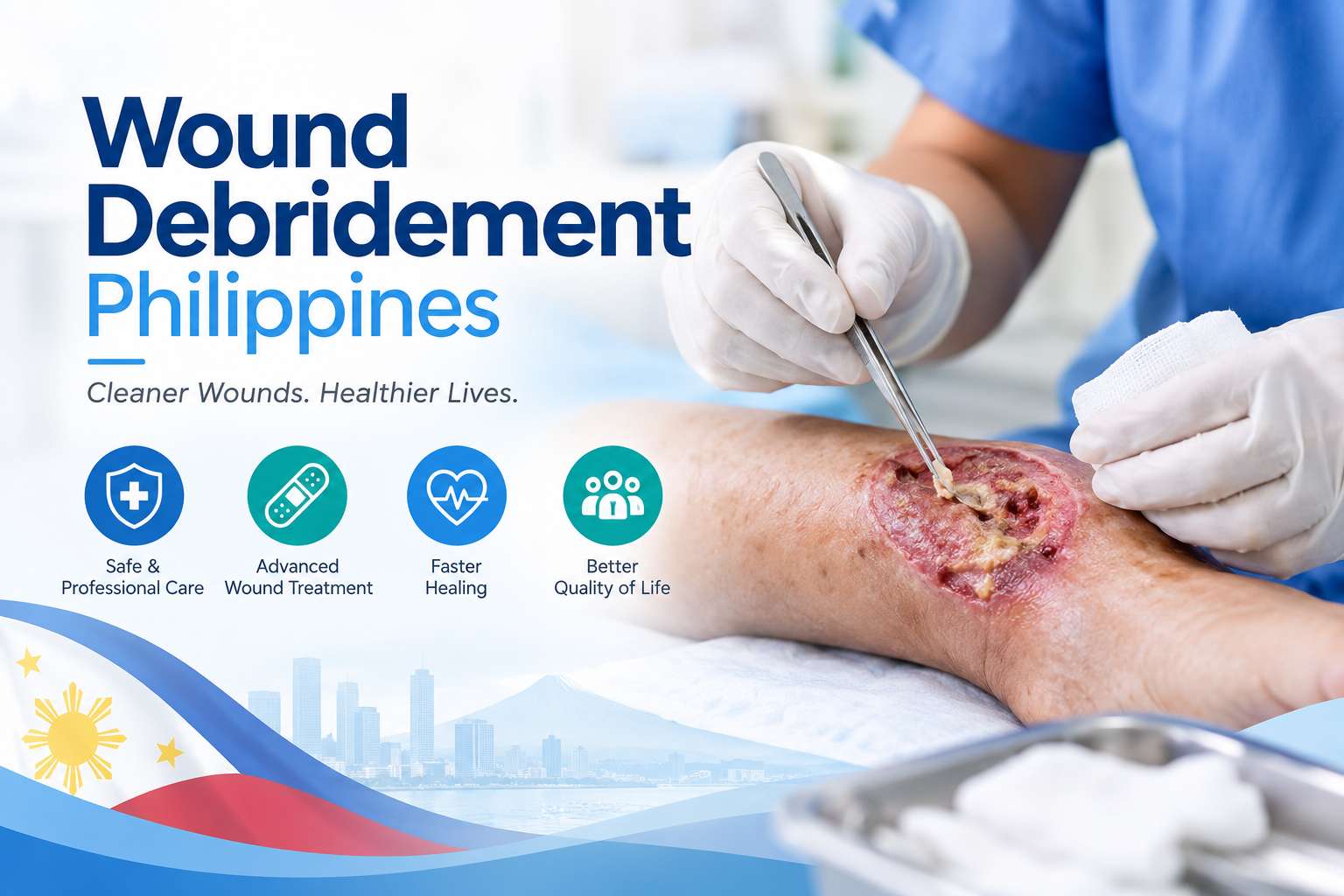
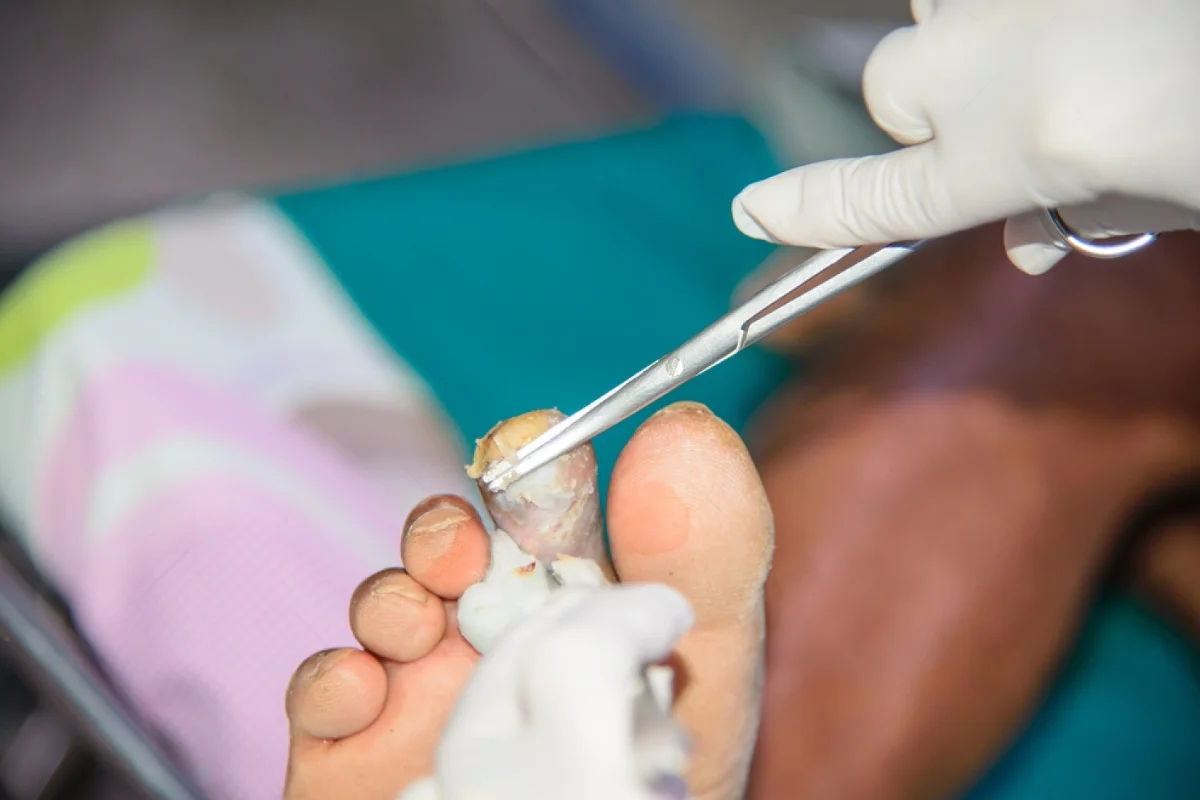
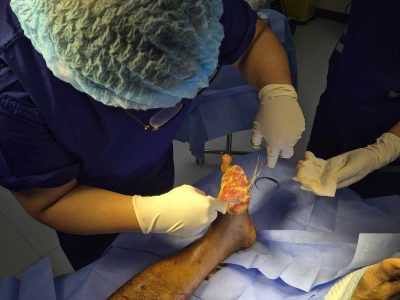
Wound debridement is a medical procedure that removes dead, damaged, infected, or otherwise unhealthy tissue from a wound when clinically appropriate. Removing unhealthy tissue can help create a cleaner wound bed, allow better assessment, and support subsequent wound management.
A wound may develop unhealthy tissue when healing becomes delayed. Chronic wounds, diabetic wounds, pressure injuries, traumatic wounds, and some post-surgical wounds may require specialized assessment to determine whether debridement could be helpful.
For someone searching for Wound Debridement Manila, it is important to understand that debridement is more than simply cleaning a wound. It requires clinical judgment regarding the wound’s depth, tissue condition, surrounding skin, drainage, infection risk, circulation, and the patient’s overall health.
KALINGAP Wound Care Clinic follows a holistic approach that considers underlying health concerns alongside the visible wound. This approach is particularly relevant for patients whose healing may be affected by conditions such as diabetes, immunocompromised states, or venous insufficiency.
Why Wound Debridement May Be Important
A wound containing dead or unhealthy tissue may have difficulty progressing through normal healing stages. Such tissue can also make it harder for healthcare professionals to evaluate the wound properly.
When clinically appropriate, debridement may help:
- Remove unhealthy tissue
- Improve visibility of the wound bed
- Prepare the wound for further treatment
- Support appropriate wound-bed management
- Reduce material that may interfere with healing
- Help healthcare professionals monitor wound progress
Debridement should always form part of a broader wound management plan. Proper dressing selection, infection assessment, pressure management, nutrition, circulation, blood glucose control, and other factors may also affect healing.
This is why people searching for Wound Debridement Manila should look for professional wound care rather than attempting to remove tissue themselves.
Who May Need Wound Debridement?
Not every wound needs debridement. A healthcare professional should assess the wound before recommending a specific technique.
Several types of wounds may require evaluation for possible debridement.
Chronic or Slow-Healing Wounds
A wound that remains open for a prolonged period deserves professional attention. Delayed healing may have several causes, such as poor circulation, pressure, infection, diabetes, nutritional concerns, or other health factors.
Professional assessment can help identify barriers to healing and determine whether debridement or another treatment approach may be appropriate.
Diabetic Wounds
People living with diabetes may face additional challenges when wounds develop. Changes associated with diabetes can affect sensation, circulation, and the body’s ability to respond to tissue injury.
A small wound may become more serious if care is delayed. Professional diabetic wound care can help identify concerning changes and establish an appropriate treatment plan.
Pressure Injuries
Patients with limited mobility may develop pressure injuries when sustained pressure affects certain areas of the body. These wounds may require careful assessment, pressure relief, dressing management, and other treatments.
Debridement may be considered for selected pressure injuries, depending on tissue condition and other clinical factors.
Wounds With Nonviable Tissue
A wound may contain tissue that is no longer healthy or viable. Such tissue can interfere with wound-bed assessment and may affect the healing process.
A qualified healthcare professional can determine whether removal is appropriate and which technique offers the safest approach for the patient.
Complex or Traumatic Wounds
Some traumatic, post-surgical, or otherwise complex wounds can benefit from specialized wound care. A complete assessment helps determine whether debridement should form part of treatment.
Signs That a Wound Needs Professional Assessment
Some wounds improve naturally with appropriate basic care. Others require specialized attention, especially when healing does not progress as expected.
Seek professional wound assessment when you notice:
- A wound that remains open or shows little improvement
- Increasing pain or tenderness
- Persistent drainage
- Foul-smelling wound drainage
- Increasing redness or swelling around the wound
- Changes in wound color
- Visible dead or damaged tissue
- Repeated reopening of a wound
- A wound associated with diabetes
- A wound that develops after surgery or significant trauma
- A pressure-related wound
- Worsening symptoms despite routine wound care
People searching for Wound Debridement Manila should not wait for severe symptoms before seeking professional advice. Early assessment can help identify problems and establish an appropriate care plan.
Types of Wound Debridement
Different debridement techniques may be considered depending on the wound and the patient’s condition. The healthcare professional determines which option is appropriate.
Sharp or Surgical Debridement
Sharp debridement involves specialized instruments used by trained healthcare professionals to remove unhealthy tissue. The amount of tissue removed depends on the wound assessment.
This technique requires appropriate clinical skill because tissue removal must be carefully controlled.
Mechanical Debridement
Mechanical techniques use physical methods to help remove unhealthy material from a wound. The suitability of this approach depends on factors such as wound type, tissue condition, patient comfort, and treatment goals.
Autolytic Debridement
Autolytic debridement supports the body’s natural process of breaking down certain nonviable tissue through appropriate moisture-balancing wound dressings.
This approach may be suitable for selected wounds, although it is not appropriate for every clinical situation.
Enzymatic Debridement
Enzymatic debridement uses specific topical agents to help break down certain types of nonviable tissue. A healthcare professional should determine whether this approach is appropriate.
Ultrasonic Debridement
Ultrasonic debridement is an advanced wound treatment option associated with KALINGAP Wound Care Clinic. This technique uses ultrasonic energy as part of a controlled wound treatment process.
KALINGAP’s use of advanced wound care technology reflects its commitment to evidence-based and patient-centered treatment. Patients searching for Wound Debridement Manila can discuss available options with the clinic’s healthcare team and learn which approach may suit their wound.
What Happens During a Wound Debridement Assessment?
Patients may feel anxious when they hear the term “debridement.” Understanding the general care process can make the experience easier.
Step 1: Wound Evaluation
A healthcare professional examines the wound carefully. Assessment may include wound size, depth, tissue appearance, drainage, surrounding skin, and other relevant findings.
The patient’s medical history also matters. Conditions such as diabetes, circulation problems, limited mobility, or immune-related concerns may affect treatment decisions.
Step 2: Identify Factors Affecting Healing
Wound healing depends on more than the wound itself. Healthcare professionals may consider blood glucose management, circulation, nutrition, mobility, pressure, infection risk, medications, and other health factors.
KALINGAP’s holistic approach focuses on these broader patient needs rather than treating the wound as an isolated problem.
Step 3: Determine Whether Debridement Is Appropriate
Not every wound requires tissue removal. The healthcare professional determines whether debridement could be beneficial and which method may be suitable.
Step 4: Perform the Selected Treatment
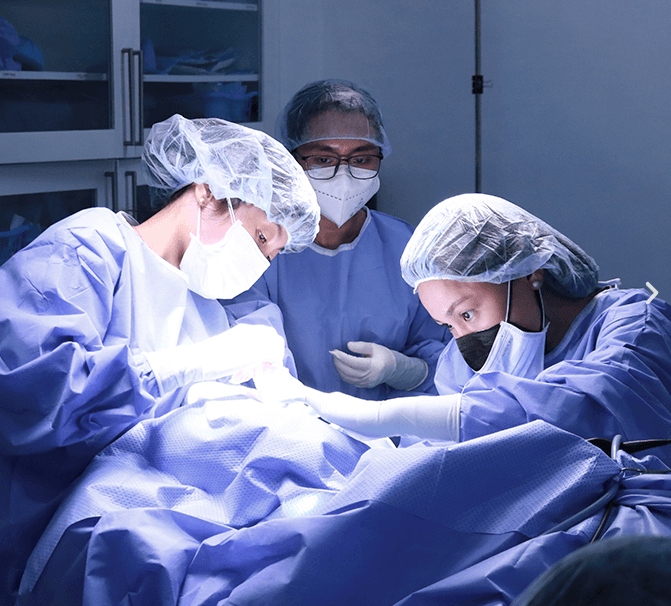
When debridement is recommended, the selected technique is performed by appropriately trained healthcare professionals. Patient comfort and safety remain important considerations.
Step 5: Continue With Wound Management
Debridement is only one possible component of wound care. Follow-up treatment may include appropriate dressings, monitoring, patient education, pressure management, infection-related care, or advanced therapies.
Why Wound Debridement Should Be Part of a Complete Wound Care Plan
A common misconception is that removing unhealthy tissue alone will solve a chronic wound problem. Wound healing is more complex.
A comprehensive wound care plan may address:
- Wound-bed condition
- Infection concerns
- Dressing selection
- Pressure relief
- Blood glucose management
- Circulation
- Nutrition and hydration
- Mobility
- Patient education
- Caregiver education
- Follow-up assessments
- Additional wound treatment options
This broader approach aligns with KALINGAP Wound Care Clinic’s mission of delivering holistic, patient-centered care.
For patients looking for Wound Debridement Manila, choosing a wound care provider that considers the complete patient may help create a more appropriate and coordinated treatment experience.
Negative Pressure Wound Therapy and Other Advanced Wound Treatments
Some complex wounds may require treatment beyond conventional dressing changes. Negative pressure wound therapy is one advanced option that may be considered for selected wounds.
KALINGAP Wound Care Clinic offers advanced wound care approaches such as ultrasonic debridement and negative pressure wound therapy. Treatment selection depends on the patient’s wound characteristics and clinical assessment.
No single treatment works for every wound. A personalized approach helps healthcare professionals select care based on the patient’s needs rather than applying one method universally.
Why Choose KALINGAP Wound Care Clinic for Wound Care in Quezon City?
KALINGAP Wound Care Clinic was established around a simple but meaningful idea: wound care should combine professional medical treatment with genuine human care.
The clinic aims to become a trusted referral center for wound care across Quezon City and serve patients who may otherwise have difficulty accessing specialized treatment.
Holistic Patient Care
KALINGAP looks beyond the visible wound. Its care philosophy considers underlying health concerns that may affect healing.
This approach is particularly valuable for patients with chronic wounds associated with diabetes, immunocompromised conditions, or venous insufficiency.
Advanced Wound Care Technology
KALINGAP incorporates advanced treatment options such as ultrasonic debridement and negative pressure wound therapy when clinically appropriate.
These approaches complement professional assessment, wound monitoring, and patient education.
Compassionate Filipino-Centered Care
The name KALINGAP reflects two Filipino values: kalinga, or care, and lingap, or nurture.
These principles shape the clinic’s patient experience. Rather than treating wound care as a purely clinical task, KALINGAP aims to support patients emotionally while helping them understand their condition and treatment plan.
Commitment to Accessible Care
Financial limitations can cause people to postpone medical attention. KALINGAP recognizes this challenge and aims to help bridge access gaps through outreach programs, community partnerships, and affordability strategies.
This commitment supports the clinic’s goal of making quality wound care more accessible to patients and communities across Metro Manila.
Wound Debridement Manila: Why Professional Care Matters
Searching for Wound Debridement Manila can bring up many treatment options, but patients should look beyond a single procedure.
Professional wound care should begin with proper assessment. A healthcare professional needs to determine what type of wound is present, whether unhealthy tissue exists, whether debridement is appropriate, and what other factors may affect healing.
Attempting to cut, scrape, or remove wound tissue without professional guidance may cause bleeding, additional tissue damage, infection, or delayed healing.
A specialized wound care clinic can provide structured assessment and follow-up while helping patients understand their care plan.
For Quezon City residents and patients from nearby Metro Manila communities, KALINGAP Wound Care Clinic provides a patient-focused setting for specialized wound care.
How to Prepare for a Wound Care Consultation
A little preparation can help make a wound care consultation more productive.
Patients may want to bring:
- Relevant medical records
- A current list of medications
- Information about existing health conditions
- Details about how long the wound has been present
- Information about previous wound treatments
- Details about dressing products previously used
- Photos showing changes over time, when available
- Questions about treatment options
- A family member or caregiver when additional support would be helpful
Be open with the healthcare team about symptoms, previous treatment, pain, drainage, and changes noticed around the wound.
Accurate information can help the healthcare team develop a more appropriate treatment plan.
Can Wound Debridement Be Done at Home?
Professional wound debridement should not be confused with routine wound cleaning.
Patients should not attempt to cut, scrape, or remove tissue from a wound without appropriate clinical training and guidance. A person may accidentally damage healthy tissue, cause bleeding, introduce infection, or worsen an existing wound.
Home wound care should follow instructions provided by the patient’s healthcare professional.
For anyone searching for Wound Debridement Manila, professional assessment is a safer starting point than attempting tissue removal without medical supervision.
When Should You Seek Urgent Medical Attention for a Wound?
Some wound symptoms require prompt medical evaluation.
Seek urgent medical attention for symptoms such as:
- Rapidly worsening redness or swelling
- Severe or rapidly increasing pain
- Fever or significant weakness
- Heavy bleeding
- Rapid deterioration of the wound
- Major changes in skin color
- Significant swelling
- Symptoms that may suggest a serious infection
Patients with diabetes or other conditions that can affect wound healing should take new or worsening wounds seriously.
Frequently Asked Questions About Wound Debridement Manila
What is wound debridement?
Wound debridement is a medical procedure used to remove dead, damaged, infected, or otherwise unhealthy tissue from selected wounds. A healthcare professional determines whether the procedure is appropriate after assessing the wound.
Is wound debridement painful?
The experience varies depending on the wound, the technique selected, tissue condition, and individual sensitivity. Patients can discuss comfort and pain-management options with their healthcare provider before treatment.
Does every chronic wound need debridement?
No. Some wounds may not require debridement. Treatment depends on wound characteristics, tissue condition, patient health, and other clinical factors.
Can I perform wound debridement at home?
Patients should not attempt to cut or remove wound tissue at home without professional direction. Improper tissue removal can cause additional injury, bleeding, infection, and delayed healing.
How often may wound debridement be needed?
There is no universal schedule. The need for repeat debridement depends on wound condition, tissue development, treatment response, and the overall wound care plan.
Can people with diabetes receive wound debridement?
Yes, debridement may form part of care for selected diabetic wounds. Patients with diabetes should receive professional assessment because diabetes can affect wound healing and may increase the risk of complications.
What advanced wound treatments are available at KALINGAP?
KALINGAP Wound Care Clinic offers advanced wound care approaches such as ultrasonic debridement and negative pressure wound therapy, subject to clinical assessment and treatment suitability.
Where can I find Wound Debridement Manila services?
Patients searching for Wound Debridement Manila can consider KALINGAP Wound Care Clinic, a Quezon City wound care provider focused on compassionate, accessible, and advanced wound management.
Takeaway
Wound debridement can play an important role when unhealthy or nonviable tissue interferes with wound management. However, it should never be viewed as a one-size-fits-all procedure. Proper assessment is essential for determining whether debridement is appropriate and which treatment method best suits the patient.
For patients searching for Wound Debridement Manila, KALINGAP Wound Care Clinic offers a combination of professional wound assessment, advanced treatment options, education, and compassionate support.
Guided by the Filipino values represented by Kalinga and Lingap, KALINGAP aims to care for the whole person—not just the wound. Its commitment to accessibility, advanced wound treatment, community support, and patient-centered care makes specialized wound management more approachable for patients and families across Quezon City and Metro Manila.
If you or a loved one has a wound that remains open, repeatedly returns, drains persistently, or shows signs of worsening, professional evaluation is an important next step. Contact KALINGAP Wound Care Clinic to discuss your wound care needs and determine whether debridement or another treatment approach may be appropriate.