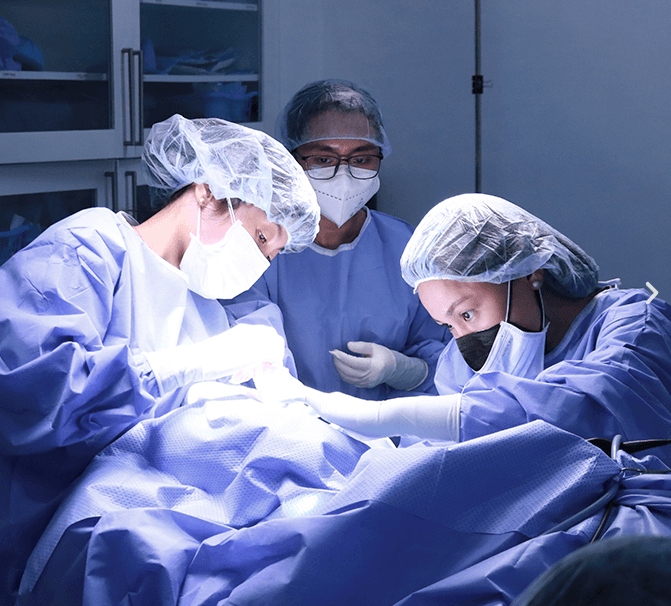

Knee replacement surgery can provide major pain relief for people whose knee damage has made walking, working, exercising, or completing everyday tasks difficult. Yet surgery also carries drawbacks that deserve careful consideration before a patient makes a treatment decision.
Understanding the disadvantages of knee replacement surgery helps patients develop realistic expectations about surgery, recovery, rehabilitation, possible complications, and long-term implant care. Knee replacement may offer substantial benefits, but no surgical procedure can promise identical results for every patient.
Potential concerns range from infection and blood clots to stiffness, persistent pain, implant wear, and the possible need for another operation later. Serious complications remain uncommon for many patients, yet awareness allows patients and families to prepare for recovery and discuss personal risk factors with an orthopedic surgeon. The American Academy of Orthopaedic Surgeons notes that serious complications such as knee joint infection occur among a small percentage of patients after total knee replacement.
What Is Knee Replacement Surgery?
Knee replacement surgery replaces damaged surfaces of a knee joint with artificial components. Surgeons remove damaged cartilage and portions of underlying bone before positioning components designed to restore smoother joint movement.
Osteoarthritis represents one common reason patients consider knee replacement. Rheumatoid arthritis, severe joint damage after trauma, and advanced degenerative changes may also cause pain, stiffness, and loss of mobility severe enough for surgery to become an option.
The main goal usually centers on reducing pain and improving daily function. Knee replacement may help patients walk more comfortably, perform routine activities, and regain greater independence. Still, understanding the disadvantages of knee replacement surgery remains essential because a replaced knee has physical limits and carries surgical risks.
Why Patients Should Consider the Disadvantages of Knee Replacement Surgery
A successful knee replacement can make everyday movement easier, yet the operation should not be viewed as a guaranteed cure for every form of knee discomfort. Some patients may continue to experience stiffness, pain, or difficulty bending the knee after surgery. NHS guidance notes that ongoing pain, stiffness, instability, and bending problems can occur following knee replacement.
Recovery also demands active participation. Physical therapy, prescribed exercises, follow-up appointments, wound care, medication management, and temporary activity restrictions may become part of everyday life for several weeks or months.
Another consideration involves expectations. An artificial joint may improve movement greatly without feeling exactly like a natural knee. Patients should understand what surgery can realistically achieve based on age, overall health, knee damage, physical condition, lifestyle, and rehabilitation progress.
Risk of Infection After Knee Replacement Surgery
Possible infection ranks among the more serious disadvantages of knee replacement surgery. Infection can affect the surgical wound or deeper tissues surrounding the artificial joint. Most patients never experience a deep joint infection, but cases that do occur can require significant treatment.
A superficial wound infection may respond to antibiotics and wound care. A deeper infection surrounding an implant can require additional surgery. AAOS states that joint replacement infection may produce symptoms ranging from redness and swelling to much more serious illness.
Patients should follow wound-care directions carefully and report concerning symptoms promptly. Fever, worsening drainage, increasing redness, unusual warmth, or worsening pain should receive medical attention rather than being ignored.
Personal health factors may also affect infection risk. A surgeon can evaluate medical history and recommend steps aimed at reducing preventable risks before surgery.
Blood Clots and Pulmonary Embolism
Blood clots represent another important concern associated with knee replacement surgery. Deep vein thrombosis, commonly called DVT, occurs when a clot develops within a deep vein, often within the leg.
A clot can become especially serious when part of it travels toward the lungs, producing a pulmonary embolism. NHS guidance identifies DVT and pulmonary embolism among possible complications after knee replacement.
Surgeons may prescribe blood-thinning medication, compression devices, movement exercises, or other preventive measures based on a patient’s risk profile. Early movement after surgery may also form part of postoperative care.
Warning signs can include calf pain, tenderness, redness, or unusual swelling. Sudden shortness of breath or chest pain can signal a medical emergency and requires urgent medical care. AAOS lists these symptoms among warning signs associated with blood clots after knee replacement.
Nerve, Blood Vessel, and Surrounding Tissue Damage
Nearby nerves, blood vessels, ligaments, and soft tissues sit close to the surgical area. Damage to these structures is uncommon but remains possible.
Nerve injury can lead to numbness, weakness, altered sensation, or pain. Mayo Clinic lists nerve damage among recognized knee replacement risks and notes that nerve injury may cause numbness, weakness, or pain.
Some symptoms improve as tissues recover, while other cases may require further assessment. Patients experiencing new weakness, severe numbness, unusual foot symptoms, or circulation concerns after surgery should contact their medical team.
This possibility adds another factor to consider when weighing the disadvantages of knee replacement surgery against expected pain relief and improved function.
Pain May Continue After Knee Replacement Surgery
Pain relief represents a major reason people choose knee replacement, yet surgery cannot guarantee complete elimination of discomfort.
Some patients experience persistent knee pain even when surgery appears technically successful. Possible causes vary and may relate to stiffness, scar tissue, nerve irritation, infection, instability, implant-related concerns, or another source of pain.
Persistent symptoms should receive a proper orthopedic assessment rather than being accepted automatically as part of recovery. Mayo Clinic advises medical evaluation for ongoing pain after knee replacement because an orthopedic surgeon can assess possible complications or problems related to the artificial joint.
Patients researching the disadvantages of knee replacement surgery should therefore understand that substantial pain reduction may be possible without a promise of a completely pain-free knee.
Recovery Can Require Several Months
Knee replacement recovery involves far more than allowing a surgical wound to close. Muscles need strengthening, joint motion needs practice, swelling must gradually decrease, and patients must rebuild confidence with walking and everyday tasks.
Early recovery may involve pain, swelling, fatigue, sleep difficulties, limited mobility, and reliance on walking aids. Stairs, bathing, dressing, household work, driving, and employment duties can temporarily become harder.
Recovery speed varies greatly. Age, physical condition before surgery, medical conditions, surgical factors, rehabilitation participation, and home support can affect progress.
For many people, this recovery commitment represents one of the practical disadvantages of knee replacement surgery. Patients who understand the rehabilitation demands before surgery can plan work leave, transportation, household assistance, and follow-up care more effectively.
Physical Therapy Requires Time and Consistency
Rehabilitation plays a major role after knee replacement surgery. Therapy often focuses on improving knee motion, rebuilding leg strength, supporting safe walking, and returning gradually to everyday activities.
Exercises may initially feel uncomfortable because the joint remains swollen and surrounding muscles are recovering. Patients may need repeated practice with bending, straightening, standing, walking, and strengthening activities.
Skipping rehabilitation or repeatedly exceeding recommended activity levels may make recovery more difficult. Patients should follow the program prescribed by their orthopedic and rehabilitation team rather than comparing progress with another person’s recovery.
The time and effort required for therapy should be counted among the disadvantages of knee replacement surgery, especially for patients with demanding work responsibilities or limited support at home.
Knee Stiffness and Reduced Range of Motion
Some patients have difficulty achieving the knee movement they expected after surgery. The knee may remain stiff, difficult to bend, or difficult to straighten fully.
NHS guidance recognizes ongoing stiffness and bending difficulties as possible problems after knee replacement. Physiotherapy and prescribed exercises may help address these concerns.
Scar tissue, swelling, muscle weakness, pain, or other joint factors can affect motion. Severe stiffness may require further medical assessment.
A patient who expects completely unrestricted movement after surgery may become disappointed. Discussing realistic movement goals with the orthopedic surgeon before surgery can help set clearer expectations.
An Artificial Knee May Feel Different From a Natural Knee
Artificial knee components are designed to restore useful joint function, but they cannot reproduce every sensation or movement characteristic of a natural knee.
Some people become aware of mechanical sensations during certain movements. Kneeling may feel uncomfortable. Certain positions may feel different, while activities that once felt natural may require adjustment.
These differences do not automatically mean the surgery has failed. A patient may experience major pain relief and better mobility while still noticing that the replaced knee feels different.
This distinction matters when discussing the disadvantages of knee replacement surgery because satisfaction often depends partly on expectations established before treatment.
Some Activities May Need Modification
People who enjoy very demanding physical activities should discuss future goals with their orthopedic surgeon before choosing knee replacement.
Repeated high-impact loading can place substantial stress on an artificial joint. Activity recommendations vary according to implant type, patient health, surgical outcome, strength, balance, and prior activity level.
Walking and other lower-impact forms of exercise may suit many patients after medical clearance. More demanding sports or activities require individual discussion with the orthopedic team.
Patients should therefore consider not only whether surgery may reduce pain, but also what activities they want to perform several years after surgery.
Knee Implants Can Wear or Loosen
Artificial knee components are durable, but they are not permanent biological tissue. Wear can develop over time, while loosening or other mechanical problems can occasionally occur.
A patient’s age, body weight, activity level, bone quality, implant position, and other factors may influence long-term performance.
Mechanical problems may produce pain, instability, swelling, or reduced function. Such symptoms require orthopedic assessment rather than self-diagnosis.
Implant wear represents one of the major long-term disadvantages of knee replacement surgery, especially for younger patients who may live with the artificial joint for many years.
Revision Knee Replacement May Be Needed
A knee replacement that develops significant problems may eventually require revision surgery. Revision surgery removes or replaces one or more components from a previous knee replacement.
Possible reasons can include infection, loosening, wear, instability, fracture around the implant, stiffness, or other mechanical complications. AAOS lists infection, stiffness, wound-healing problems, bleeding, and other complications among issues relevant to revision knee replacement.
Revision procedures can be more complex than a first knee replacement because bone loss, scar tissue, previous implants, or other structural changes may need to be addressed.
The possibility of future revision surgery does not mean every patient will require another operation. It simply represents an important long-term consideration when reviewing the disadvantages of knee replacement surgery.
Swelling and Ongoing Discomfort Can Affect Recovery
Swelling is common during early recovery, and improvement often occurs gradually rather than overnight. Some patients notice stiffness after prolonged sitting, increased activity, or rehabilitation sessions.
Persistent or rapidly worsening swelling deserves medical review, especially when accompanied by severe pain, wound changes, calf symptoms, fever, breathing difficulty, or sudden loss of function.
Patients should learn which symptoms form part of expected recovery and which require urgent care. Clear postoperative instructions can make that distinction easier.
Managing swelling, discomfort, medication schedules, exercises, and daily activity can make recovery feel demanding, adding to the short-term disadvantages of knee replacement surgery.
Factors That Can Affect Surgical Risk
Knee replacement risk is not identical for every patient. Medical history, current health, body weight, circulation, smoking status, diabetes, heart or lung problems, previous knee procedures, bone quality, medications, and physical conditioning may affect surgical planning or recovery.
A thorough pre-surgical assessment allows the orthopedic team to identify concerns that may require attention before an operation.
Patients should provide complete information about medications, supplements, previous surgeries, allergies, chronic medical conditions, and past problems with anesthesia or blood clots.
Personal risk assessment offers far greater value than relying only on general statistics about the disadvantages of knee replacement surgery.
How Orthopedic Teams Work to Reduce Complications
Possible complications cannot be reduced to zero, but careful preparation and postoperative care can lower preventable risks.
Preoperative evaluation may involve medical history review, physical examination, imaging, laboratory work, medication assessment, and discussion of health conditions that could affect surgery.
After surgery, care may include blood clot prevention, wound monitoring, pain control, rehabilitation, walking progression, and scheduled follow-up appointments. Blood-thinning medicines are commonly used for selected patients to reduce clot risk after knee replacement.
Patients also play a major role by following medication directions, caring for the wound properly, attending follow-up visits, completing prescribed exercises, and reporting concerning symptoms quickly.
When Knee Replacement May Still Be Worth Considering
Learning about the disadvantages of knee replacement surgery should not automatically discourage someone from considering the procedure.
Many patients with severe arthritis or major joint damage reach a point where knee pain affects walking, sleep, work, recreation, and overall independence. When non-surgical care no longer provides enough relief, knee replacement may become a reasonable treatment option.
AAOS describes total knee replacement as a procedure that can relieve pain and help patients return to everyday activities when severe knee damage has affected function.
The better question is not simply whether knee replacement has disadvantages. Patients should ask whether the likely benefits outweigh personal risks based on their condition, goals, health status, and previous treatment response.
Alternatives to Consider Before Knee Replacement
Some patients may have non-surgical or less extensive treatment options before knee replacement becomes necessary.
Depending on the diagnosis, options may involve activity changes, weight management, physical therapy, prescribed medication, injections, or other orthopedic procedures.
Hyaluronic acid injections or platelet-rich plasma treatment may be discussed for selected patients, while other knee problems may require a different approach altogether. Treatment choice should depend on diagnosis rather than choosing a procedure solely because another patient had good results.
TEC Orthopedics provides orthopedic consultations for joint pain, sports-related conditions, and other musculoskeletal concerns, allowing patients to discuss available treatment paths before committing to surgery.
Questions to Ask Before Knee Replacement Surgery
Patients considering surgery may benefit from preparing questions before meeting an orthopedic surgeon.
Ask what is causing the knee pain and whether imaging or other tests support a diagnosis severe enough to justify replacement. Ask which non-surgical treatments remain reasonable and whether delaying surgery could affect future function.
Patients should also ask about personal complication risks, expected recovery, rehabilitation requirements, likely range of motion, work restrictions, driving, exercise, implant longevity, and signs of postoperative complications.
Other useful questions cover the possibility of persistent pain, infection prevention, blood clot prevention, revision surgery, and realistic expectations for daily activities.
These conversations help put the disadvantages of knee replacement surgery within personal context rather than treating every patient as though the same risks and outcomes apply.
Discuss Knee Replacement Options With TEC Orthopedics
Choosing knee replacement deserves careful assessment rather than a rushed decision. TEC Orthopedics provides orthopedic care for patients dealing with joint pain, mobility problems, sports injuries, and other musculoskeletal conditions. Its published materials identify Dr. Lou Mervyn Tec as a board-certified orthopedic surgeon with a focus that covers hip and knee care.
A consultation allows patients to discuss symptoms, previous treatments, activity goals, medical history, imaging findings, and concerns about the disadvantages of knee replacement surgery.
For some patients, surgery may offer the strongest opportunity for meaningful pain relief and better function. Others may still have non-surgical options worth considering. The appropriate choice depends on a careful evaluation of the knee and the patient’s broader health needs.
Educational information can help patients prepare useful questions, but it should not replace a personal assessment by a qualified orthopedic professional.
Frequently Asked Questions About the Disadvantages of Knee Replacement Surgery
What is the biggest disadvantage of knee replacement surgery?
No single disadvantage applies equally to every patient. Major considerations include surgical complications, lengthy rehabilitation, possible persistent pain, stiffness, implant wear, and the possibility of revision surgery later. Personal medical factors determine which concerns deserve the greatest attention.
Can knee replacement surgery cause permanent problems?
Long-lasting complications can occur, although most patients do not experience every possible problem. Persistent stiffness, pain, nerve symptoms, instability, infection-related damage, or implant problems may require continued treatment. NHS guidance lists ongoing pain, stiffness, instability, nerve or tissue damage, infection, and blood clots among possible complications.
Can knee pain remain after knee replacement?
Yes. Knee replacement aims to reduce pain substantially, but some patients continue to experience discomfort. Persistent pain should receive medical assessment because several causes are possible, such as stiffness, infection, instability, nerve-related symptoms, or implant concerns.
How long does knee replacement recovery take?
Recovery varies from person to person. Healing speed depends on health status, age, physical condition, surgical factors, rehabilitation progress, and everyday activity demands. Patients should follow recovery milestones provided by their own surgeon rather than relying on another person’s timeline.
Can a knee replacement wear out?
Yes. Artificial components can wear, loosen, or develop mechanical problems over time. Longevity differs across patients, which makes implant durability one of the long-term disadvantages of knee replacement surgery.
What happens when a knee replacement develops serious problems?
An orthopedic surgeon will assess the cause through examination, imaging, laboratory testing, or other studies as needed. Serious implant problems, infection, loosening, instability, or extensive wear may lead to consideration of revision knee replacement.
Is knee replacement worth the risks?
For many people with severe knee damage and major limitations, the potential pain relief and improved function may outweigh the disadvantages of knee replacement surgery. Other patients may benefit from delaying surgery or trying additional non-surgical care first. A personal orthopedic assessment offers the best basis for that decision.
Are there alternatives to knee replacement surgery?
Possible options may include physical therapy, activity changes, weight management, prescribed medication, injections, and selected orthopedic procedures. Suitability depends on the cause and severity of knee damage, age, health, symptoms, and treatment history.
Should every patient with knee arthritis have knee replacement surgery?
No. Arthritis severity, pain level, mobility loss, response to previous care, general health, and personal goals all matter. Knee replacement is one treatment option rather than an automatic choice for every person with arthritis.
Why should patients learn about the disadvantages of knee replacement surgery before deciding?
Knowledge helps patients compare expected benefits with possible risks, prepare for rehabilitation, ask better questions, and establish realistic expectations. A well-planned decision should consider pain relief, function, recovery demands, surgical risks, future activity goals, and long-term implant care.