Children are naturally active. Running, climbing, jumping, and playing sports help them stay healthy, but these activities also increase the chance of falls, injuries, and conditions that affect growing bones and joints. While many minor aches improve with rest, some symptoms should never be ignored. Pain that continues, difficulty walking, or visible changes to a child’s posture or movement may point to an orthopedic condition that deserves medical attention.
Families searching for pediatric orthopedic Naga services often want answers about whether their child’s condition is part of normal growth or something that requires treatment. A timely evaluation helps identify the cause of pain or limited movement and guides the most appropriate care based on the child’s age, activity level, and overall health.
Lao Orthopedic Services provides orthopedic care for patients with bone, joint, ligament, and sports-related conditions. Led by Dr. Lawrence Lao, the clinic offers personalized treatment plans designed to restore mobility and improve quality of life through evidence-based orthopedic care.
What Is Pediatric Orthopedic Care?
Pediatric orthopedic care focuses on diagnosing and treating conditions that affect the bones, joints, muscles, tendons, and ligaments of infants, children, and teenagers. Because children continue to grow, their orthopedic needs differ from those of adults.
Parents looking for pediatric orthopedic Naga care often seek medical advice after noticing pain, limping, swelling, unusual walking patterns, or injuries during sports and recreational activities. Some concerns may resolve naturally as children grow, while others require monitoring or treatment to prevent future complications.
How Children’s Bones Are Different From Adults’
Children’s bones contain growth plates, which are areas of developing cartilage near the ends of long bones. These structures allow bones to lengthen during childhood and adolescence. Since growth plates remain softer than mature bone, they can become injured more easily after falls or sports accidents.
Children also heal differently than adults. Many fractures heal more quickly, yet proper alignment remains important because incorrect healing may affect future bone growth. Joint flexibility and muscle development also change throughout childhood, making accurate evaluation valuable whenever persistent symptoms occur.
Conditions Commonly Evaluated
A clinic offering pediatric orthopedic Naga services may evaluate children with a wide variety of conditions, including:
- Bone fractures
- Joint pain
- Ligament injuries
- Walking abnormalities
- Sports-related injuries
- Growth plate injuries
- Limb alignment concerns
- Shoulder, knee, and ankle problems
Early assessment helps determine whether observation, rehabilitation, or additional treatment is appropriate.
Signs Your Child May Need a Pediatric Orthopedic Doctor
Children may not always describe pain clearly. Parents often notice changes through behavior, walking patterns, or activity levels.
Watch for these warning signs.
Persistent Bone or Joint Pain
Occasional soreness after physical activity is common. Pain that continues for several days, becomes worse, or interrupts sleep deserves medical evaluation.
Limping Without a Clear Reason
A child who suddenly begins limping without an obvious injury may have an underlying bone, muscle, or joint condition that requires assessment.
Difficulty Walking or Running
Struggling to keep up with other children, avoiding physical activity, or showing an unusual walking pattern may indicate orthopedic concerns.
Swollen or Painful Joints
Swelling around the knee, ankle, shoulder, or elbow following an injury should be evaluated, especially when accompanied by limited movement.
Visible Arm or Leg Deformity
Changes to the shape or alignment of an arm or leg after trauma should receive immediate medical attention.
Limited Movement After a Fall
Children who cannot fully bend or straighten a joint after an accident should undergo an orthopedic examination.
Pain That Returns During Sports
Repeated pain during basketball, volleyball, football, dance, martial arts, or running should never be dismissed as “growing pains” without proper assessment.
These symptoms commonly lead parents to search for pediatric orthopedic Naga services for expert evaluation.
Common Pediatric Orthopedic Conditions
Several orthopedic conditions affect children during different stages of growth. Proper diagnosis helps determine whether observation, rehabilitation, or surgery offers the most appropriate treatment.
Broken Bones (Fractures)
Fractures remain among the most common childhood injuries. Falls from playground equipment, bicycle accidents, sports injuries, and road accidents frequently result in broken bones.
Children usually recover well with proper treatment, but fractures involving growth plates deserve careful evaluation because they may influence future bone development.
Growth Plate Injuries
Growth plate injuries require prompt attention because these areas control bone growth.
Symptoms may include:
- Swelling
- Pain
- Difficulty moving the affected limb
- Tenderness around a joint
Early diagnosis helps reduce the chance of long-term growth problems.
Knock Knees and Bowed Legs
Many young children naturally experience bowed legs during infancy or knock knees during early childhood. These alignment changes often improve as growth continues.
Medical evaluation becomes appropriate when the condition appears severe, affects only one leg, worsens over time, or causes pain and walking difficulties.
Parents searching for pediatric orthopedic Naga care frequently ask whether these changes represent normal development or require treatment.
Flat Feet
Flat feet occur when the arch appears low or absent while standing.
Many children have flexible flat feet that cause no discomfort. Others may experience:
- Foot pain
- Fatigue during walking
- Difficulty participating in sports
- Poor balance
Treatment depends on symptoms rather than appearance alone.
Toe Walking
Many toddlers briefly walk on their toes while learning to walk. Persistent toe walking beyond the expected developmental stage deserves evaluation because it may relate to muscle tightness or other orthopedic or neurological conditions.
Scoliosis
Scoliosis refers to an abnormal sideways curvature of the spine.
Parents may notice:
- Uneven shoulders
- Uneven hips
- Clothing that hangs unevenly
- One shoulder blade appearing more prominent
Regular monitoring helps determine whether observation, bracing, or other treatment becomes necessary.
Sports Injuries Among Children
Youth sports continue to grow across Naga and nearby communities. Although regular exercise provides many health benefits, sports participation also increases injury risk.
Common pediatric sports injuries include:
- ACL injuries
- Meniscus injuries
- Shoulder injuries
- Knee pain
- Ankle sprains
- Muscle strains
Families searching for pediatric orthopedic Naga services often seek care after children experience injuries during organized sports or recreational activities.
Sports Injuries Among Young Athletes
Children who participate in basketball, volleyball, football, badminton, martial arts, dance, gymnastics, and running place repeated stress on developing joints.
Most sports injuries respond well to early treatment, rehabilitation, and gradual return to activity.
When Knee Pain Should Not Be Ignored
Knee pain lasting several days or returning during physical activity deserves medical attention.
Possible causes include:
- Ligament injuries
- Tendon irritation
- Cartilage injuries
- Growth-related conditions
- Overuse injuries
Early diagnosis allows treatment before symptoms become more severe.
ACL Injuries Among Teen Athletes
The anterior cruciate ligament, commonly called the ACL, plays an important role in knee stability.
ACL injuries may occur after sudden twisting movements, awkward landings, or rapid changes of direction during sports.
Lao Orthopedic Services offers evaluation and treatment for ACL injuries. When surgery becomes appropriate, ACL reconstruction may help restore knee stability using established orthopedic techniques together with rehabilitation.
How Pediatric Orthopedic Problems Are Diagnosed
Every child presents differently, making careful evaluation essential.
During an orthopedic consultation, the physician may review:
- Medical history
- Previous injuries
- Current symptoms
- Activity level
- Family history
A physical examination typically includes assessing:
- Joint movement
- Muscle strength
- Walking pattern
- Balance
- Limb alignment
Imaging studies such as X-rays or other diagnostic tests may be recommended when additional information is needed to confirm the diagnosis.
Parents searching for pediatric orthopedic Naga care should understand that every treatment plan begins with a thorough evaluation rather than assumptions based solely on symptoms.
Treatment Options
Treatment depends on the child’s diagnosis, age, overall health, and activity level.
Many orthopedic conditions improve without surgery.
Non-Surgical Care
Non-surgical treatment may include:
- Observation
- Physical therapy
- Bracing
- Activity modification
- Pain management
- Home exercise programs
These approaches help reduce discomfort while supporting safe recovery.
Surgical Treatment
Certain injuries or structural conditions may require surgery when non-surgical treatment cannot adequately restore function.
Lao Orthopedic Services provides advanced orthopedic procedures involving:
- Knee surgery
- Sports surgery
- Arthroscopy
- Hip and knee reconstruction
- Shoulder procedures
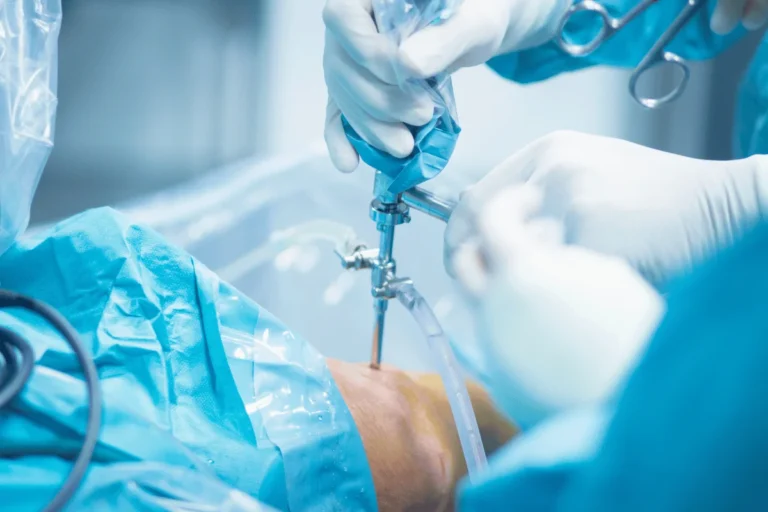
Arthroscopy uses small instruments and specialized cameras to examine and treat certain joint conditions through smaller incisions than traditional open surgery.
Every surgical recommendation follows careful evaluation and discussion with the patient and family regarding expected benefits, possible risks, and recovery.
How Parents Can Help Protect Their Child’s Bones and Joints
Parents play a major role in supporting healthy bone and joint development.
Helpful habits include:
- Providing calcium-rich foods
- Encouraging adequate vitamin D
- Promoting regular physical activity
- Teaching proper sports techniques
- Using appropriate protective equipment
- Scheduling rest days between intense activities
- Encouraging stretching before exercise
- Seeking medical evaluation after significant injuries
Parents searching for pediatric orthopedic Naga services often ask whether waiting several weeks before seeking treatment is acceptable. Persistent pain, swelling, limping, or reduced movement should always receive professional evaluation rather than prolonged observation at home.
Why Families Across Naga and Bicol Choose Lao Orthopedic Services
Families throughout Naga, Camarines Sur, Legazpi, and neighboring communities seek orthopedic care for children and adults experiencing bone, joint, and sports-related conditions.
Lao Orthopedic Services offers care covering:
- Hip conditions
- Knee conditions
- Shoulder problems
- Sports injuries
- Arthroscopic procedures
- Joint reconstruction
Dr. Lawrence Lao has more than 16 years of medical experience. He completed specialty training in Orthopedic Traumatology at East Avenue Medical Center, followed by advanced fellowship training focused on Hip and Knee Reconstruction at Chang Gung University in Taipei, Taiwan. Additional fellowship training in Sports Surgery and Arthroscopy was completed at Thammasat University, Thailand.
This combination of training supports comprehensive evaluation and treatment for orthopedic conditions affecting patients across different age groups.
Parents searching for pediatric orthopedic Naga care can benefit from timely orthopedic assessment whenever symptoms interfere with a child’s daily activities, sports participation, or overall mobility.
Takeaway
Children rely on healthy bones and joints to learn, play, participate in sports, and enjoy everyday activities. While many minor injuries improve with rest, persistent pain, limping, swelling, or reduced movement should never be overlooked. Early assessment helps identify the cause of symptoms and supports appropriate treatment based on each child’s unique needs.
Families searching for pediatric orthopedic Naga services can benefit from professional evaluation whenever concerns arise about fractures, growth plate injuries, scoliosis, sports injuries, knee pain, or other orthopedic conditions. Timely care allows children to return to school, sports, and daily activities as safely as possible while supporting healthy growth and long-term mobility.
Frequently Asked Questions
Is pediatric orthopedic care only for broken bones?
No. Pediatric orthopedic care also addresses joint pain, ligament injuries, growth plate injuries, scoliosis, walking concerns, sports injuries, and many other musculoskeletal conditions affecting children.
Can children recover without surgery?
Yes. Many pediatric orthopedic conditions improve with observation, physical therapy, bracing, activity modification, or other non-surgical treatment. Surgery becomes an option only when medically appropriate.
What age should a child see an orthopedic specialist?
Children of any age may benefit from orthopedic evaluation when persistent pain, limping, swelling, reduced movement, or visible bone or joint changes occur.
Can sports injuries affect bone growth?
Certain injuries involving growth plates may influence future bone development if left untreated. Early evaluation helps determine whether additional treatment or monitoring is necessary.
When should knee pain be evaluated?
Knee pain should be evaluated when it lasts several days, returns during sports, causes limping, limits normal activities, or follows a significant injury.
Are growing pains always harmless?
Many growing pains improve without treatment, but pain that occurs regularly, affects only one leg, causes swelling, or limits normal movement deserves medical evaluation to rule out other orthopedic conditions.