
Clear vision plays a significant role in everyday life, from reading and driving to recognizing faces and enjoying favorite activities. When vision starts becoming cloudy or blurry, cataracts may be the cause. A cataract evaluation exam in Naga is the first step toward identifying the condition and determining the most suitable treatment plan.
Many people feel uncertain about what happens during their first eye examination for cataracts. Understanding the process can help reduce anxiety and make the experience more comfortable. This guide explains everything first-time patients need to know about a cataract evaluation exam in Naga and why Lee Tan Eye Center is a trusted choice for professional eye care.
What Is a Cataract Evaluation Exam?
Understanding Cataracts
A cataract is a condition where the natural lens of the eye becomes cloudy, causing vision to become blurry or dim. Cataracts commonly develop as part of the aging process, but they can also result from injury, certain medical conditions, prolonged exposure to ultraviolet light, or long-term use of specific medications.
As cataracts progress, they can interfere with daily activities and reduce overall quality of life.
Purpose of a Cataract Evaluation Exam
A cataract evaluation exam in Naga helps eye specialists determine whether cataracts are present and assess their severity. The examination also identifies any other eye conditions that may affect vision or influence treatment recommendations.
The results provide valuable information that allows doctors to recommend the most appropriate course of action, whether monitoring the condition or considering surgery.
Who Should Schedule a Cataract Evaluation Exam in Naga?
Common Symptoms to Watch For
Several symptoms may indicate the presence of cataracts. Individuals experiencing the following signs should consider scheduling a cataract evaluation exam in Naga:
- Blurred or cloudy vision
- Difficulty seeing at night
- Increased sensitivity to bright lights
- Glare from headlights while driving
- Colors appearing faded or yellowish
- Frequent changes in eyeglass prescriptions
- Double vision in one eye
Risk Factors for Cataracts
Although cataracts are often associated with aging, certain factors may increase the likelihood of developing the condition, including:
- Advancing age
- Diabetes
- Smoking
- Excessive sun exposure
- Previous eye injuries
- Family history of cataracts
- Long-term steroid medication use
Patients with these risk factors may benefit from regular eye examinations to detect cataracts early.
Preparing for Your First Cataract Evaluation Exam in Naga
Documents and Information to Bring
Preparing for your appointment can help ensure a smooth and productive visit. Consider bringing:
- Valid identification
- Current eyeglasses or contact lenses
- Previous eye examination records
- List of medications
- Relevant medical history information
Providing accurate information allows the eye specialist to conduct a more comprehensive assessment.
Questions to Ask Your Eye Specialist
A cataract evaluation exam in Naga is an excellent opportunity to learn more about your eye health. Helpful questions may include:
- How advanced are my cataracts?
- Do I need treatment immediately?
- What symptoms should I monitor?
- How often should I return for follow-up exams?
- Is cataract surgery recommended for my condition?
Asking questions can help patients feel more confident about their treatment options.
What Happens During a Cataract Evaluation Exam?
Medical and Vision History Review
The appointment usually begins with a discussion about symptoms, vision concerns, medical conditions, medications, and family eye health history. This information helps the eye specialist understand factors that may affect vision.
Comprehensive Eye Examination
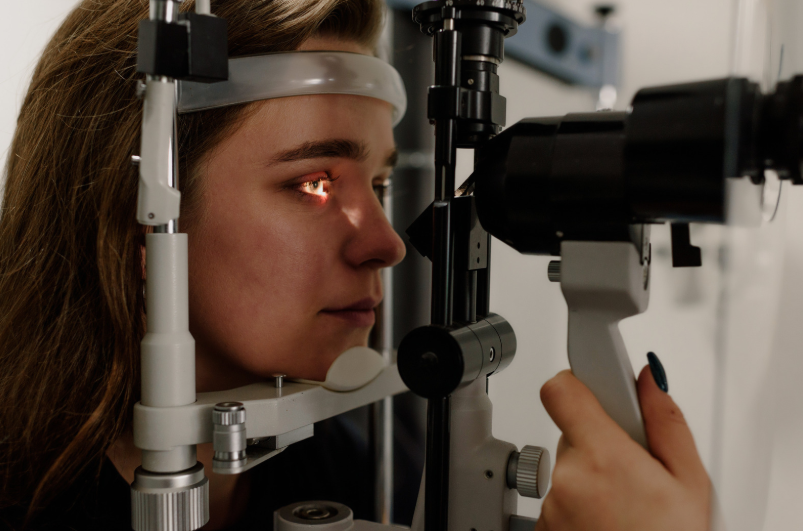
A cataract evaluation exam in Naga typically includes several diagnostic tests designed to assess eye health and visual function.
These may include:
- Visual acuity testing
- Refraction testing for eyeglass prescriptions
- Eye pressure measurement
- Examination of the retina and optic nerve
- Lens assessment to evaluate cataract development
Each test provides important information about the condition of the eyes.
Pupil Dilation Examination
Eye drops are often used to dilate the pupils. Dilation allows the specialist to obtain a clearer view of the internal structures of the eye.
While the process is painless, patients may experience temporary sensitivity to light and blurred near vision for a few hours afterward.
How Long Does a Cataract Evaluation Exam Take?
Typical Appointment Duration
Most patients can expect a cataract evaluation exam in Naga to take between 45 minutes and 90 minutes. The exact duration depends on the complexity of the examination and whether additional diagnostic tests are needed.
Post-Exam Considerations
Following pupil dilation, vision may remain temporarily blurry. Patients are often advised to bring sunglasses and arrange transportation if they are uncomfortable driving after the appointment.
The eye specialist will explain the results and discuss recommended next steps before the visit concludes.
Understanding Your Cataract Evaluation Results
Severity Levels of Cataracts
After a cataract evaluation exam in Naga, the eye specialist will determine the stage of cataract development.
Mild Cataracts
Vision may be only slightly affected, and routine monitoring may be recommended.
Moderate Cataracts
Symptoms become more noticeable and may interfere with daily activities.
Advanced Cataracts
Vision loss becomes significant, and cataract surgery may be strongly recommended.
Recommended Next Steps
Depending on the findings, treatment recommendations may include:
- Regular monitoring
- Updated eyeglass prescriptions
- Lifestyle adjustments
- Cataract surgery consultation
The goal is to preserve vision and maintain quality of life.
Benefits of Getting a Cataract Evaluation Exam in Naga Early
Preserving Vision Quality
Early detection allows eye specialists to track cataract progression and recommend timely interventions. Addressing vision concerns before they worsen can help patients continue performing daily activities comfortably.
Preventing Further Vision Complications
A cataract evaluation exam in Naga may also identify other eye conditions that require treatment. Early diagnosis can contribute to better long-term eye health and improved visual outcomes.
Why Choose a Trusted Eye Clinic for a Cataract Evaluation Exam in Naga?
Importance of Experienced Eye Specialists
Accurate diagnosis is essential when evaluating cataracts. Experienced eye specialists can identify subtle changes in vision and recommend the most suitable treatment plan.
Modern Diagnostic Technology
Advanced diagnostic equipment provides detailed images and measurements that help support precise assessments. Modern technology also improves patient comfort and examination accuracy.
Patient-Centered Care
Quality eye care involves more than technology. Patients benefit from clear communication, personalized attention, and compassionate support throughout the evaluation process.
Why Lee Tan Eye Center Is a Trusted Choice for Cataract Evaluation Exam in Naga
Comprehensive Eye Care Services
Lee Tan Eye Center provides thorough cataract assessments designed to evaluate vision and overall eye health. Patients receive detailed examinations and professional guidance regarding available treatment options.
Advanced Diagnostic Equipment
The clinic utilizes modern diagnostic tools to support accurate evaluations and effective treatment planning. These technologies help specialists identify cataracts and other eye conditions with precision.
Commitment to Patient Satisfaction
Lee Tan Eye Center is recognized for its patient-focused approach and dedication to delivering quality eye care. Patients receive personalized attention, professional service, and comprehensive support throughout their eye health journey.
For individuals seeking a reliable cataract evaluation exam in Naga, Lee Tan Eye Center remains a trusted choice for expert diagnosis and care.
Takeaway
A cataract evaluation exam in Naga is an important step toward protecting vision and maintaining eye health. Early diagnosis allows patients to understand their condition, explore treatment options, and take action before vision problems become more severe.
Frequently Asked Questions About Cataract Evaluation Exam in Naga
Is a cataract evaluation exam painful?
No. A cataract evaluation exam in Naga is generally painless. Most tests involve looking through instruments while the eye specialist examines your vision and eye health.
How often should I have a cataract evaluation exam?
The frequency depends on your age, symptoms, and overall eye health. Your eye specialist can recommend an appropriate schedule.
Can cataracts be treated without surgery?
Early-stage cataracts may be managed with updated eyeglasses and lifestyle adjustments. However, surgery remains the only definitive treatment for removing cataracts.
How do I know if I need cataract surgery?
If cataracts significantly affect daily activities such as reading, driving, or working, surgery may be recommended.
Will my eyes be dilated during the examination?
Yes, pupil dilation is commonly performed during a cataract evaluation exam in Naga to allow a thorough examination of the eye.
How much does a cataract evaluation exam in Naga typically cost?
Costs vary depending on the clinic, diagnostic tests required, and consultation fees. Contacting the clinic directly can provide accurate pricing information.
Can I drive after the exam?
Because dilation may temporarily blur vision and increase light sensitivity, some patients prefer arranging transportation after the appointment.