Vaginismus is a condition that affects many women, yet it often goes unspoken. Pain, muscle tightness, and fear associated with vaginal penetration can create challenges that impact physical health, emotional well-being, relationships, and daily life. Many women struggle silently for months or even years before seeking help because they are unsure about the cause of their symptoms or the treatment options available.
Fortunately, effective treatment for vaginismus is available. Physical therapy offers a non-surgical and medication-free approach designed to address the root causes of symptoms while helping women regain comfort, confidence, and control over their bodies. At Osteopractic Physical Therapy of Central Indiana, patients receive personalized care focused on identifying movement dysfunctions, improving pelvic floor function, and restoring overall quality of life.
Understanding Vaginismus and Why It Happens
What Is Vaginismus?
Vaginismus refers to the involuntary tightening or contraction of the pelvic floor muscles surrounding the vaginal opening. These muscle contractions can occur when penetration is attempted, whether during intercourse, tampon insertion, or medical examinations. The tightening is not something a person consciously controls, which can make the condition frustrating and confusing.
Many women seeking treatment for vaginismus describe symptoms ranging from mild discomfort to severe pain that prevents penetration entirely. The condition can affect women of all ages and backgrounds.
Common Symptoms Women Experience
Symptoms can vary from person to person. Some women experience mild discomfort, while others encounter significant pain that affects their quality of life.
Common symptoms include:
- Pain during sexual intercourse
- Difficulty inserting tampons
- Discomfort during pelvic exams
- Burning or stinging sensations
- Pelvic floor tightness
- Anxiety related to penetration attempts
- Fear of pain during intimacy
Recognizing these symptoms is often the first step toward finding the right treatment for vaginismus.
Possible Causes and Contributing Factors
Several factors may contribute to the development of vaginismus. Physical and emotional influences often work together, making comprehensive evaluation important.
Potential contributing factors include:
- Pelvic floor muscle dysfunction
- Previous pelvic injuries
- Childbirth-related changes
- Chronic pelvic pain conditions
- Scar tissue
- Anxiety or stress
- Previous painful experiences
- Musculoskeletal imbalances affecting the pelvis and hips
Because every individual is different, successful treatment for vaginismus begins with understanding the specific factors contributing to symptoms.
Why Early Treatment for Vaginismus Matters
Physical Effects of Untreated Vaginismus
Without proper care, vaginismus may lead to ongoing muscle tension and discomfort. Tight pelvic floor muscles can create additional strain on surrounding structures, leading to persistent symptoms.
Women may begin avoiding activities that trigger discomfort, which can contribute to further muscle guarding and reduced mobility.
Emotional and Relationship Challenges
The effects of vaginismus often extend beyond physical discomfort. Women may experience feelings of frustration, embarrassment, anxiety, or isolation. Relationships can also be affected when intimacy becomes associated with pain.
Seeking treatment for vaginismus can help address these concerns by improving physical function while building confidence and reducing fear associated with symptoms.
Benefits of Seeking Professional Help Sooner
Early intervention offers several advantages, including:
- Faster identification of contributing factors
- Improved symptom management
- Reduced muscle tension
- Greater confidence during recovery
- Better long-term outcomes
Addressing symptoms sooner often allows patients to return to normal activities more comfortably and efficiently.
How Physical Therapy Supports Treatment for Vaginismus
Comprehensive Evaluation and Assessment
A successful treatment for vaginismus plan starts with a thorough evaluation. At Osteopractic Physical Therapy of Central Indiana, therapists focus on understanding the whole picture rather than simply addressing symptoms.
The evaluation may include:
- Medical history review
- Symptom discussion
- Movement analysis
- Postural assessment
- Pelvic floor examination when appropriate and with patient consent
- Functional mobility assessment
This process helps identify the factors contributing to discomfort and guides the development of a personalized treatment strategy.
Identifying the Root Cause of Symptoms
One of the primary goals of physical therapy is identifying the underlying reasons for pain and muscle dysfunction. Pelvic floor symptoms often involve more than a single muscle group.
Issues involving the hips, lower back, core, posture, breathing patterns, and movement mechanics can all contribute to symptoms. Treatment for vaginismus becomes more effective when these contributing factors are properly addressed.
Creating a Personalized Recovery Plan
Every patient experiences vaginismus differently. A personalized plan ensures that treatment aligns with individual symptoms, goals, and comfort levels.
Therapists work closely with patients throughout the recovery process, making adjustments as progress occurs and ensuring each step feels manageable and supportive.
Key Techniques Used During Treatment for Vaginismus
Pelvic Floor Physical Therapy
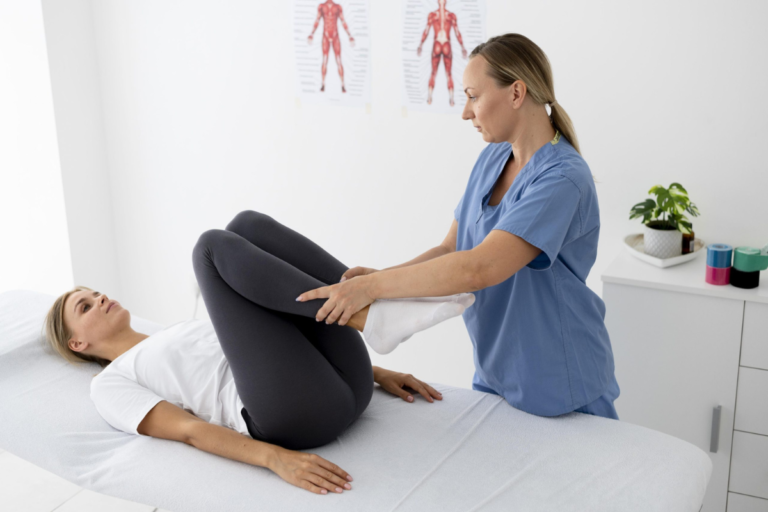
Pelvic floor physical therapy serves as a cornerstone of treatment for vaginismus. This specialized approach focuses on improving awareness, coordination, flexibility, and control of the pelvic floor muscles.
Patients learn how these muscles function and how to reduce excessive tension while improving muscle performance.
Manual Therapy Techniques
Manual therapy may be used to reduce muscle tightness and improve tissue mobility. These hands-on techniques are always performed with patient comfort and consent as top priorities.
Benefits may include:
- Reduced muscle guarding
- Improved tissue flexibility
- Increased circulation
- Better movement quality
- Decreased discomfort
Manual therapy often complements other components of treatment for vaginismus.
Breathing and Relaxation Strategies
Breathing patterns play an important role in pelvic floor function. Many individuals unknowingly hold tension throughout their abdomen and pelvic region during periods of stress or anxiety.
Therapists teach breathing techniques that promote relaxation and improve coordination between the diaphragm and pelvic floor muscles. These strategies can become valuable tools during daily activities and recovery.
Stretching and Mobility Exercises
Restricted mobility within the hips, pelvis, and lower back may contribute to pelvic floor dysfunction.
Therapeutic exercises may focus on:
- Hip flexibility
- Pelvic mobility
- Core stability
- Lower back movement
- Functional movement patterns
These exercises support the overall goals of treatment for vaginismus while helping patients regain confidence with movement.
Progressive Desensitization Techniques
For some patients, gradual desensitization strategies may be incorporated into treatment. These techniques help individuals build comfort and confidence over time while reducing fear and anxiety associated with penetration.
Progress occurs at a pace that respects each patient’s comfort level and goals.
What Makes Osteopractic Physical Therapy Different?
A Natural Approach Without Medication or Surgery
Many women searching for treatment for vaginismus want options that address the root cause of symptoms without relying on medications or invasive procedures.
Osteopractic Physical Therapy of Central Indiana focuses on restoring movement, improving muscle function, and promoting long-term wellness through evidence-based physical therapy techniques.
Individualized Care Focused on Your Goals
No two patients are exactly alike. Therapists create individualized treatment plans based on personal goals, lifestyle factors, medical history, and physical findings.
Whether the goal is reducing pain, improving intimacy, increasing confidence, or returning to specific activities, care remains focused on achieving meaningful results.
A Supportive and Comfortable Environment
Many women feel nervous discussing pelvic health concerns. Creating a welcoming environment is an important part of successful treatment.
Patients are treated with compassion, respect, and understanding throughout every stage of care.
What to Expect During Your First Visit
Initial Consultation
The first appointment typically begins with a conversation about symptoms, concerns, and personal goals. Patients are encouraged to ask questions and share any information that may help guide treatment.
Physical Assessment Process
Assessments are designed to identify movement dysfunctions and contributing factors. Therapists explain every step before proceeding and ensure patient comfort throughout the evaluation.
The focus remains on gathering information needed to create an effective treatment for vaginismus plan.
Development of Your Personalized Treatment Plan
After the assessment, therapists develop a customized plan tailored to the patient’s unique needs.
Patients receive guidance regarding:
- Therapy recommendations
- Home exercises
- Recovery expectations
- Activity modifications when necessary
- Long-term wellness strategies
How Long Does Treatment for Vaginismus Take?
Factors That Affect Recovery Time
Recovery timelines vary from person to person. Several factors can influence how quickly progress occurs.
These may include:
- Symptom severity
- Duration of symptoms
- Muscle tension levels
- Consistency with therapy
- Overall health and mobility
Milestones Patients Often Experience
Many patients notice gradual improvements such as:
- Reduced pain
- Improved pelvic floor awareness
- Better muscle control
- Increased confidence
- Greater comfort during daily activities
Each milestone represents meaningful progress toward recovery.
Importance of Staying Consistent
Consistency plays a major role in successful treatment for vaginismus. Attending appointments, completing recommended exercises, and maintaining open communication with therapists can help maximize results.
Small improvements often build into significant long-term success.
Lifestyle Tips That Can Support Treatment for Vaginismus
Managing Stress and Anxiety
Stress can contribute to muscle tension throughout the body, including the pelvic floor. Finding healthy ways to manage stress can support recovery.
Helpful options may include:
- Deep breathing exercises
- Meditation
- Gentle stretching
- Regular physical activity
- Mindfulness practices
Maintaining Healthy Movement Habits
Daily movement supports overall physical function and wellness.
Patients are encouraged to:
- Stay physically active
- Avoid prolonged sitting
- Practice good posture
- Follow therapist recommendations
- Maintain flexibility and strength
Communicating With Healthcare Providers and Partners
Open communication can help reduce anxiety and create a stronger support system throughout recovery.
Patients should feel comfortable discussing symptoms, concerns, and progress with healthcare professionals and trusted partners.
Why Women Choose Osteopractic Physical Therapy of Central Indiana for Treatment for Vaginismus
Women seeking treatment for vaginismus often choose Osteopractic Physical Therapy of Central Indiana because of the clinic’s commitment to personalized care and whole-body healing. Therapists focus on identifying the source of symptoms rather than simply managing discomfort.
The clinic’s mission centers on helping patients reach their highest physical potential through individualized treatment plans, compassionate care, and evidence-based physical therapy techniques. Patients receive support throughout every phase of recovery while working toward improved comfort, function, and confidence.
Take the First Step Toward Lasting Relief
Living with vaginismus can feel overwhelming, but effective help is available. Physical therapy offers a safe, natural, and personalized path toward recovery without relying on surgery or medication.
Treatment for vaginismus can help reduce pain, improve pelvic floor function, restore confidence, and support a healthier quality of life. Seeking professional guidance can make a meaningful difference and provide the tools needed for lasting improvement.
Osteopractic Physical Therapy of Central Indiana is dedicated to helping patients find the root cause of their symptoms, restore movement, and return to the activities that matter most.
Frequently Asked Questions About Treatment for Vaginismus
Can physical therapy help with vaginismus?
Yes. Physical therapy is one of the most effective approaches for treatment for vaginismus because it addresses pelvic floor dysfunction, muscle tension, mobility restrictions, and movement patterns contributing to symptoms.
Is treatment for vaginismus painful?
Treatment is designed to improve comfort and reduce pain. Therapists work at a pace that feels appropriate for each patient and prioritize communication throughout the process.
Do I need a referral to see a physical therapist for vaginismus?
Requirements vary by state and insurance provider. Contacting the clinic directly can help determine whether a referral is necessary.
How many physical therapy sessions are usually needed?
The number of sessions depends on symptom severity, contributing factors, and individual goals. Some patients experience improvement relatively quickly, while others may benefit from longer treatment plans.
Can vaginismus return after treatment?
Many patients achieve long-lasting improvements. Continuing recommended exercises and maintaining healthy movement habits can help reduce the likelihood of symptoms returning.
Is physical therapy a good alternative to medication or surgery for vaginismus?
For many women, physical therapy serves as an effective first-line treatment for vaginismus because it addresses the underlying causes of symptoms while promoting natural healing and improved function.