Wound treatment plays an important role in restoring health, preventing complications, and improving quality of life for patients with injuries, chronic conditions, and post-surgical wounds. Many individuals delay proper wound treatment due to lack of access, limited information, or financial concerns, which often leads to infection and slower recovery.
KALINGAP Wound Care Clinic in Quezon City provides structured and compassionate wound treatment designed for Filipino patients who need safe, effective, and specialized care. The clinic focuses on medical precision paired with a caring approach that supports both physical healing and patient comfort.
Proper wound treatment requires more than basic cleaning or dressing. It involves assessment, infection control, and consistent monitoring to ensure the wound heals correctly and does not worsen over time.
What Is Wound Treatment and Why It Matters
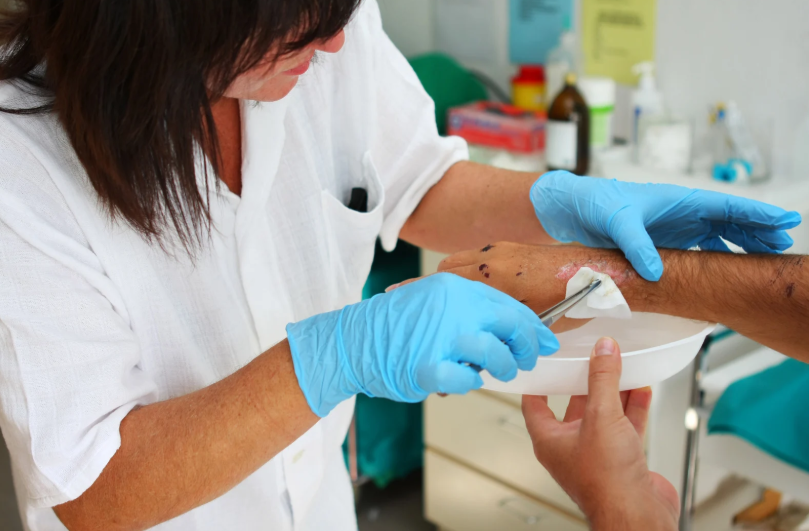
Wound treatment refers to the medical care provided to injuries that affect the skin and underlying tissues. It includes cleaning, removing damaged tissue, preventing infection, and supporting tissue repair.
Basic home care is often not enough for moderate to severe cases. Professional wound treatment ensures that the wound receives proper evaluation and appropriate intervention based on its severity.
Wound treatment matters because untreated wounds can lead to complications such as infections, tissue death, and long-term damage. Proper care reduces these risks and supports faster recovery.
At KALINGAP Wound Care Clinic, wound treatment is designed to address both visible damage and hidden issues such as poor circulation or underlying disease conditions.
Common Types of Wounds Requiring Professional Wound Treatment
Different conditions require different approaches to wound treatment. Some wounds heal quickly, while others need long-term care.
Diabetic foot wounds are among the most common cases requiring specialized wound treatment. These wounds heal slowly due to reduced blood flow and nerve damage.
Pressure ulcers develop when prolonged pressure restricts blood flow, often affecting bedridden patients. These wounds require consistent wound treatment to avoid worsening.
Venous and arterial ulcers occur due to circulation problems. Effective wound treatment focuses on improving blood flow and preventing infection.
Post-surgical wounds may also require wound treatment if healing does not progress normally or if infection develops.
Infected wounds require immediate medical wound treatment to prevent the spread of bacteria and tissue damage.
Causes of Delayed Healing in Wound Treatment
Several factors can slow down wound treatment progress and delay healing.
Poor circulation limits oxygen and nutrient delivery to the wound area. This makes wound treatment more difficult and slower.
Diabetes is a major factor that affects wound treatment outcomes. High blood sugar levels reduce the body’s ability to heal and fight infection.
Infection is another key issue. When bacteria enter a wound, wound treatment becomes more complex and requires careful medical management.
Improper cleaning or dressing of wounds can also delay wound treatment progress. Using incorrect materials or techniques may worsen the condition.
Nutrition also plays a role. Lack of essential nutrients affects tissue repair and reduces the effectiveness of wound treatment.
Advanced Wound Treatment Methods at KALINGAP Wound Care Clinic
KALINGAP Wound Care Clinic provides modern wound treatment methods designed to support faster and safer healing outcomes.
Ultrasonic Debridement in Wound Treatment
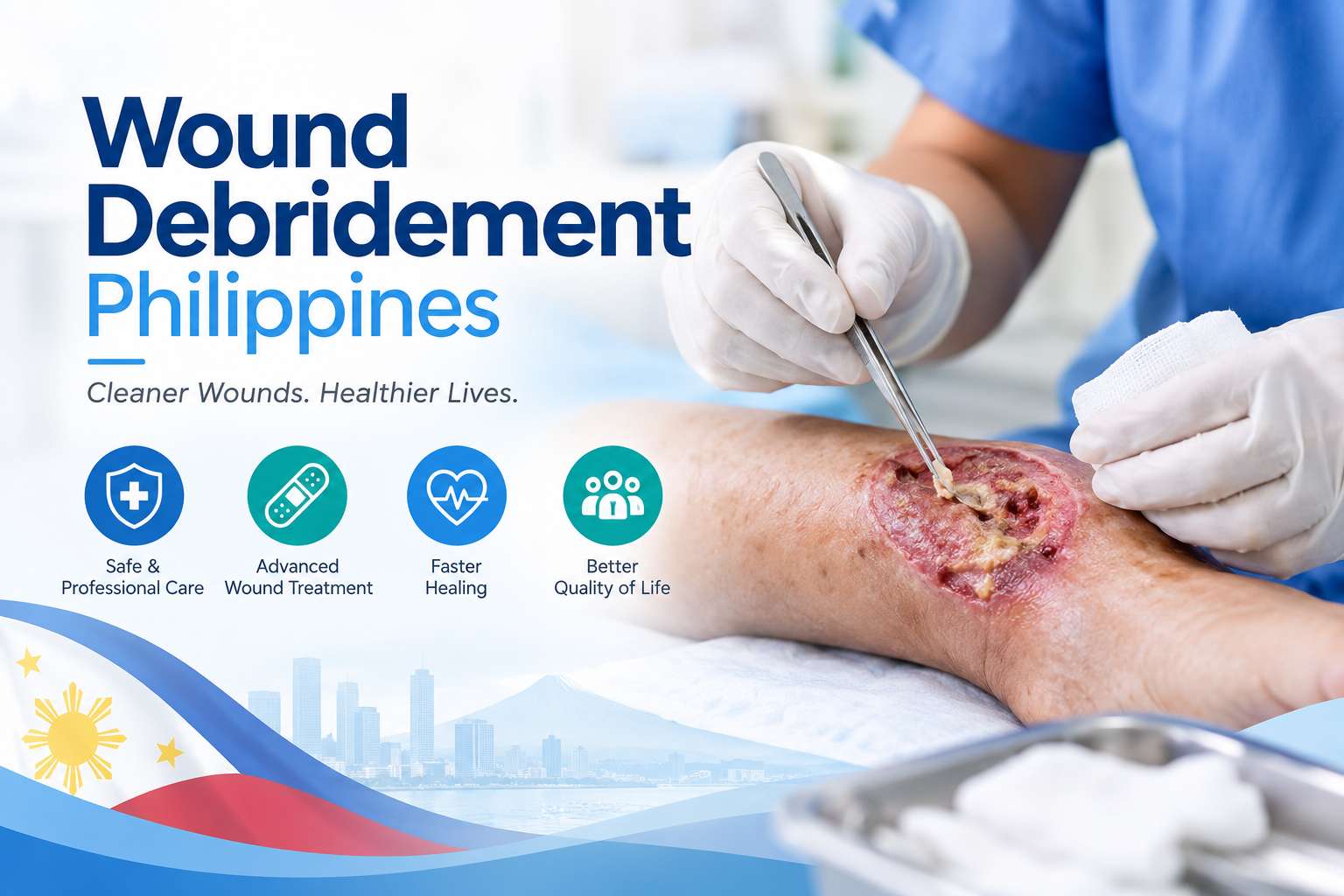
Ultrasonic debridement is a method used in wound treatment to remove damaged or dead tissue using controlled ultrasonic energy. This helps prepare the wound for healing by clearing debris that can block recovery.
This form of wound treatment reduces infection risk and improves the condition of the wound bed, allowing healthy tissue to grow more effectively.
Negative Pressure Wound Therapy
Negative pressure wound treatment applies controlled suction to the wound area. This helps remove excess fluid and improves blood flow around the wound.
This method of wound treatment supports faster tissue regeneration and reduces swelling. It is often used for complex or deep wounds that require advanced care.
Modern Dressing Techniques
Proper dressing is an essential part of wound treatment. It protects the wound from bacteria while maintaining a suitable healing environment.
Modern wound treatment dressings are designed to keep the wound moist without causing infection. The type of dressing depends on the condition and stage of the wound.
Holistic Approach to Wound Treatment at KALINGAP
Wound treatment at KALINGAP Wound Care Clinic focuses on both the wound and the underlying health condition of the patient.
Many wounds do not heal properly because of conditions like diabetes, poor circulation, or infection. Effective wound treatment must address these factors together.
Pain management is also part of wound treatment to ensure patient comfort during procedures. The clinic provides careful monitoring to reduce discomfort during each stage of care.
Patient education is another important part of wound treatment. Patients receive guidance on how to care for their wounds at home and how to avoid complications.
Importance of Early Wound Treatment
Early wound treatment can prevent many complications. When wounds are treated at an early stage, the risk of infection is lower and healing is faster.
Delayed wound treatment may lead to deeper infection, tissue damage, or long-term health problems. Early care reduces the likelihood of hospitalization or surgical intervention.
Timely wound treatment also reduces long-term costs because smaller wounds require less intensive care compared to advanced cases.
KALINGAP encourages early consultation to ensure proper wound treatment before conditions worsen.
What Patients Can Expect During Wound Treatment at KALINGAP
Patients undergoing wound treatment at KALINGAP Wound Care Clinic follow a structured care process.
The first step is a detailed assessment of the wound. This helps determine the severity and the appropriate wound treatment plan.
After assessment, a personalized wound treatment plan is created based on the patient’s condition and health background.
Regular monitoring is part of the wound treatment process to track healing progress and adjust care when needed.
Each wound treatment session is performed with care and attention to patient comfort, ensuring a safe and supportive environment.
Community-Based Wound Treatment Support in Quezon City
Access to wound treatment remains a challenge for many individuals in Quezon City due to financial limitations and lack of awareness.
KALINGAP Wound Care Clinic supports the community by providing accessible wound treatment options and outreach programs.
The clinic works with local communities to improve awareness about proper wound treatment and early intervention.
Education programs help patients understand how wound treatment works and why early care is important for better outcomes.
Preventive Care and Long-Term Wound Management
Proper wound treatment does not end after the wound heals. Preventive care is essential to avoid recurrence.
Good hygiene practices support long-term wound treatment success. Keeping the skin clean and protected reduces the risk of new wounds.
Nutrition also supports healing and strengthens the body’s ability to respond to future injuries. Balanced meals improve the effectiveness of wound treatment.
Managing chronic conditions such as diabetes is also important for long-term wound treatment success. Stable health conditions reduce the chance of wound recurrence.
Patients are encouraged to seek medical advice when early signs of skin damage appear to support timely wound treatment.
Why Choose KALINGAP for Wound Treatment
KALINGAP Wound Care Clinic provides specialized wound treatment designed for Filipino patients in Quezon City.
The clinic focuses on safe, effective, and patient-centered wound treatment supported by trained healthcare professionals.
Modern wound treatment methods such as ultrasonic debridement and negative pressure therapy are available for complex cases.
Each wound treatment plan is tailored to the patient’s condition, ensuring careful attention and consistent monitoring.
The clinic also maintains a caring environment where patients feel supported throughout their wound treatment journey.
Frequently Asked Questions About Wound Treatment
What is wound treatment?
Wound treatment refers to medical care provided to injuries, infections, or skin damage to support proper healing and prevent complications.
When should I seek wound treatment?
Wound treatment should be sought when a wound shows signs of infection, does not heal within a few days, or becomes painful, swollen, or discolored.
Is professional wound treatment necessary for minor wounds?
Minor wounds may heal on their own, but professional wound treatment helps reduce the risk of infection and improves healing quality.
How long does wound treatment take?
The duration of wound treatment depends on the severity of the wound, overall health, and presence of underlying conditions.
Can diabetes affect wound treatment results?
Diabetes can slow healing and make wound treatment more complex due to reduced blood flow and immune response.
What makes advanced wound treatment different?
Advanced wound treatment includes specialized techniques and equipment designed to support faster healing and reduce complications.