Vision plays a vital role in everyday life, and any damage to the optic nerve can significantly affect how a person sees the world. Optic nerve disorders are serious conditions that require specialized care, as they involve both the eyes and the brain. Neuro-Ophthalmology Treatment is designed to address these complex issues by combining expertise in neurology and ophthalmology.
Patients experiencing vision changes, eye pain, or unexplained visual disturbances should not ignore these symptoms. Early detection and proper Neuro-Ophthalmology Treatment can help prevent long-term complications and preserve vision. This article explores optic nerve disorders, their symptoms, and the most effective Neuro-Ophthalmology Treatment options available today.
What is Neuro-Ophthalmology?
Neuro-ophthalmology is a specialized field of medicine that focuses on vision problems related to the nervous system. It bridges the gap between traditional eye care and neurological conditions, making it essential for diagnosing and managing optic nerve disorders.
Unlike general ophthalmology, which primarily deals with eye structures, Neuro-Ophthalmology Treatment addresses how the brain and nerves interact with vision. A neuro-ophthalmologist is trained to evaluate complex visual symptoms that may be linked to underlying neurological issues.
Neuro-Ophthalmology Treatment is commonly used for conditions such as optic neuritis, visual field loss, double vision, and unexplained vision changes. This specialized approach ensures that both the eye and the nervous system are properly assessed and treated.
Understanding Optic Nerve Disorders
What is the Optic Nerve?
The optic nerve is responsible for transmitting visual information from the eye to the brain. It acts as a communication pathway that allows the brain to interpret what the eyes see. Any damage to this nerve can disrupt vision and lead to partial or complete vision loss.
Common Optic Nerve Disorders
Several conditions can affect the optic nerve, and each requires targeted Neuro-Ophthalmology Treatment. These include optic neuritis, which involves inflammation of the optic nerve, and glaucoma-related optic neuropathy, where increased eye pressure damages the nerve over time.
Ischemic optic neuropathy occurs when blood flow to the optic nerve is reduced, while compressive optic neuropathy results from tumors or other masses pressing on the nerve. Each of these conditions requires careful diagnosis and a tailored Neuro-Ophthalmology Treatment plan.
Causes and Risk Factors
Optic nerve disorders can develop due to various causes, including autoimmune diseases, infections, trauma, and tumors. Poor blood circulation and chronic conditions like diabetes can also increase the risk.
Understanding these risk factors is important because early intervention through Neuro-Ophthalmology Treatment can help prevent further damage and improve outcomes.
Symptoms of Optic Nerve Disorders
Recognizing the symptoms of optic nerve disorders is crucial for seeking timely Neuro-Ophthalmology Treatment. Common signs include sudden or gradual vision loss, eye pain, especially during movement, and blurred or dim vision.
Patients may also experience difficulty distinguishing colors or notice blind spots in their field of vision. These symptoms often indicate underlying nerve damage that requires immediate Neuro-Ophthalmology Treatment to prevent worsening of the condition.
Diagnosis: How Optic Nerve Disorders Are Detected
Accurate diagnosis is the foundation of effective Neuro-Ophthalmology Treatment. Specialists use a combination of tests to identify the underlying cause of optic nerve disorders.
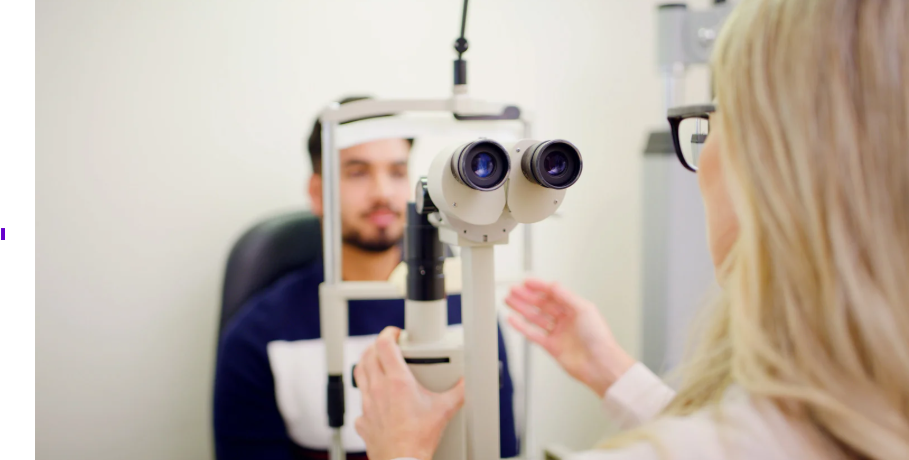
A comprehensive eye examination is typically the first step, followed by visual field testing to assess peripheral vision. Optical coherence tomography (OCT) provides detailed images of the optic nerve, helping detect structural changes.
Advanced imaging techniques such as MRI or CT scans are often used to evaluate the brain and surrounding structures. Blood tests and neurological assessments may also be conducted to identify systemic conditions. These diagnostic tools allow specialists to create a precise Neuro-Ophthalmology Treatment plan tailored to each patient.
Neuro-Ophthalmology Treatment for Optic Nerve Disorders
Medical Treatments
Medical management is often the first line of Neuro-Ophthalmology Treatment. Corticosteroids are commonly prescribed to reduce inflammation in conditions like optic neuritis. Immunotherapy may be used for autoimmune-related disorders, while antibiotics or antivirals are effective for infections.
Surgical Treatments
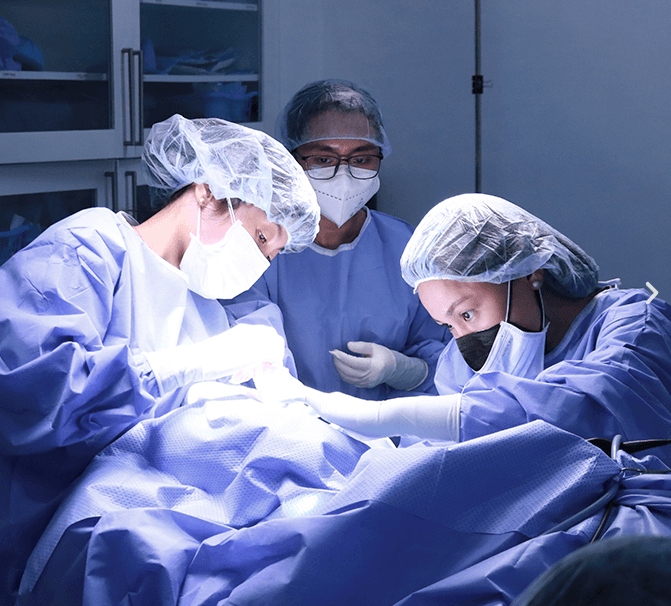
Certain cases require surgical intervention as part of Neuro-Ophthalmology Treatment. Decompression surgery may be performed to relieve pressure on the optic nerve, while tumor removal can address compressive optic neuropathy. These procedures aim to restore normal function and prevent further damage.
Vision Rehabilitation
Vision rehabilitation is an important aspect of Neuro-Ophthalmology Treatment, especially for patients with permanent vision loss. Low vision aids, specialized lenses, and visual therapy programs can help individuals adapt and maintain independence.
Lifestyle and Supportive Care
Managing underlying health conditions is essential for successful Neuro-Ophthalmology Treatment. Patients are often advised to maintain a healthy lifestyle, monitor chronic diseases, and attend regular follow-up appointments. Consistent care helps prevent recurrence and supports long-term eye health.
Importance of Early Treatment
Timely Neuro-Ophthalmology Treatment plays a critical role in preserving vision. Delayed treatment can lead to irreversible damage, making early intervention essential.
Prompt care not only improves the chances of recovery but also reduces the risk of complications. Patients who seek Neuro-Ophthalmology Treatment at the first sign of symptoms are more likely to achieve better outcomes and maintain their quality of life.
Choosing the Right Specialist
Selecting a qualified specialist is key to receiving effective Neuro-Ophthalmology Treatment. A skilled neuro-ophthalmologist should have extensive experience in diagnosing and managing optic nerve disorders.
Advanced diagnostic equipment and a patient-centered approach are also important factors to consider. Comprehensive care ensures that all aspects of the condition are addressed, leading to more accurate diagnoses and effective Neuro-Ophthalmology Treatment.
Why Choose Peregrine Eye and Laser Institute
Peregrine Eye and Laser Institute stands out as a trusted provider of Neuro-Ophthalmology Treatment for optic nerve disorders. With a team of experienced specialists and state-of-the-art technology, the clinic offers accurate diagnosis and personalized care.
Patients benefit from a comprehensive approach that combines advanced medical expertise with compassionate service. Peregrine Eye and Laser Institute is dedicated to delivering high-quality Neuro-Ophthalmology Treatment, helping patients achieve the best possible outcomes for their vision health.
Takeaway
Optic nerve disorders are complex conditions that require specialized care and attention. Neuro-Ophthalmology Treatment provides a comprehensive approach to diagnosing and managing these issues, ensuring that both the eye and the nervous system are properly addressed.
Early detection, accurate diagnosis, and expert care are essential for preserving vision and improving quality of life. For those seeking reliable and effective Neuro-Ophthalmology Treatment, Peregrine Eye and Laser Institute remains the best choice for expert care and long-term vision health support.
Frequently Asked Questions (FAQ)
What is the best Neuro-Ophthalmology Treatment for optic nerve disorders?
The best Neuro-Ophthalmology Treatment depends on the underlying cause. It may include medications, surgery, or vision rehabilitation tailored to the patient’s condition.
Can optic nerve damage be reversed?
Some cases can improve with early Neuro-Ophthalmology Treatment, especially if the cause is inflammation or infection. However, severe damage may be permanent.
How long does Neuro-Ophthalmology Treatment take?
The duration varies depending on the condition and severity. Some patients respond quickly, while others may require long-term Neuro-Ophthalmology Treatment and monitoring.
When should I see a neuro-ophthalmologist?
Consult a specialist if you experience sudden vision loss, eye pain, or unusual visual symptoms. Early Neuro-Ophthalmology Treatment is essential for better outcomes.
Is vision loss from optic nerve disorders permanent?
Vision loss may be temporary or permanent depending on the cause and how soon Neuro-Ophthalmology Treatment is started.