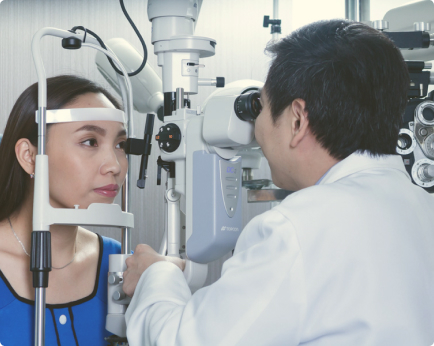
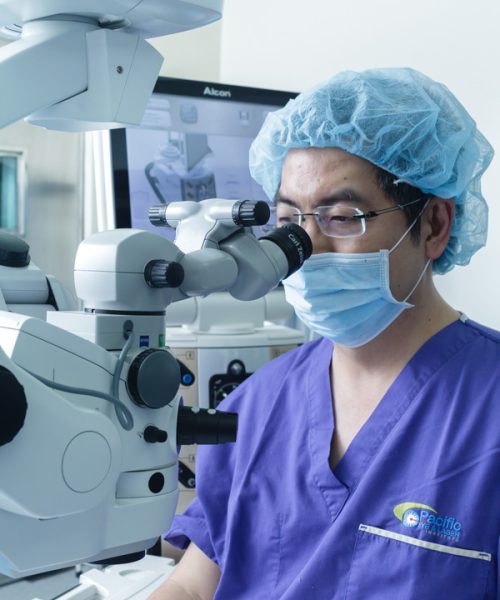
Oculoplastic & Reconstructive Surgery is a specialized field that combines the precision of ophthalmology with the artistry of plastic surgery, focusing on the eyelids, tear ducts, eye socket, and surrounding facial structures. Many patients seek these procedures for both functional and aesthetic reasons. Whether correcting droopy eyelids, repairing injuries, or enhancing the appearance of the eye area, Oculoplastic & Reconstructive Surgery ensures optimal outcomes while protecting vision.
The eyes are not only a central feature of the face but also critical for vision. Even minor structural issues can affect sight, comfort, and confidence. Oculoplastic & Reconstructive Surgery addresses these concerns with treatments designed to restore natural function, improve appearance, and promote overall eye health.
What is Oculoplastic & Reconstructive Surgery?
Oculoplastic & Reconstructive Surgery is a subspecialty of ophthalmology that deals with disorders affecting the eyelids, orbit, lacrimal system, and surrounding facial areas. Unlike general plastic surgery, this subspecialty is uniquely equipped to manage procedures that may impact vision, making it the safest option for patients requiring surgical or non-surgical intervention around the eyes.
Reconstructive procedures focus on repairing and restoring normal structure and function, often after trauma, congenital abnormalities, or disease. Cosmetic procedures aim to enhance appearance by correcting drooping eyelids, under-eye bags, or hollow areas around the eyes. Many patients seek Oculoplastic & Reconstructive Surgery to combine these benefits, achieving a result that is both functional and aesthetically pleasing.
Common Conditions Treated
Oculoplastic & Reconstructive Surgery addresses a wide range of conditions affecting the eyes and surrounding areas.
Eyelid disorders are among the most common concerns. Ptosis, or drooping of the upper eyelid, can interfere with vision and create a fatigued or aged appearance. Other eyelid issues include deformities from congenital conditions, scarring, or previous surgeries. Oculoplastic & Reconstructive Surgery corrects these issues while maintaining eyelid function and a natural look.
Orbital disorders involve the eye socket and surrounding tissues. Thyroid eye disease, for example, can cause protrusion, swelling, or discomfort in the eyes. Tumors of the eyelids or orbit also require careful surgical intervention to remove growths without compromising vision or eye movement. Oculoplastic & Reconstructive Surgery provides solutions for these complex conditions.
Lacrimal system problems, such as tear duct obstruction, can lead to chronic tearing, discomfort, or infection. Specialized Oculoplastic & Reconstructive Surgery techniques can restore proper tear drainage, improving comfort and reducing risk of complications.
Trauma or injuries to the eye area often require immediate and precise reconstruction. Fractures around the orbit or damage to eyelids can affect both appearance and vision. Oculoplastic & Reconstructive Surgery repairs these injuries, often combining multiple procedures to achieve the best functional and cosmetic outcome.
Procedures and Treatments
Oculoplastic & Reconstructive Surgery offers both surgical and non-surgical treatments tailored to patient needs.
Surgical options include blepharoplasty, which removes excess skin and fat from the eyelids to restore a youthful appearance while improving vision when drooping eyelids obstruct sight. Eyelid reconstruction repairs deformities, scarring, or damage from trauma or tumors. Orbital tumor removal addresses growths in the eye socket safely, protecting vision and surrounding structures. Anophthalmic reconstruction provides functional and aesthetic restoration for patients who have lost an eye, ensuring a natural contour and proper support for prosthetic eyes.
Non-surgical enhancements are also part of Oculoplastic & Reconstructive Surgery. Botox and facial fillers can smooth fine lines, lift drooping areas, or restore volume around the eyes. These treatments offer subtle improvements with minimal downtime and complement surgical results.
Reconstructive approaches often combine multiple techniques. Patients recovering from trauma or surgery may require eyelid repair, orbital reconstruction, and tear duct restoration. Oculoplastic & Reconstructive Surgery integrates these procedures to achieve optimal outcomes for both function and appearance.
Why Choose a Specialist Oculoplastic Surgeon
Oculoplastic & Reconstructive Surgery is highly specialized. Surgeons in this field are ophthalmologists with additional training in plastic and reconstructive procedures around the eyes. This dual expertise ensures they can safely perform delicate surgeries that affect vision while achieving precise cosmetic results.
Choosing a specialist is critical. Procedures near the eye carry unique risks, including changes in vision, eyelid function, or eye movement. Oculoplastic & Reconstructive Surgery experts are trained to anticipate and manage these challenges, providing comprehensive care before, during, and after surgery. They can also address any underlying eye conditions, making them uniquely qualified for patients seeking both functional repair and aesthetic improvement.
Peregrine Eye and Laser Institute Advantage
Peregrine Eye and Laser Institute (PELI) provides world-class Oculoplastic & Reconstructive Surgery in Metro Manila, offering patients expertise, advanced technology, and compassionate care. Founded by Mr. Jimmy Tan, Dr. Harvey Uy, and Dr. Pik Sha Chan Uy, PELI has established three key facilities in Makati, Manila, and Quezon City to make advanced eye care accessible.
PELI surgeons have trained at prestigious institutions such as Harvard Medical School, Johns Hopkins University, UCLA, California Pacific Medical Center, University of Wisconsin, and Singapore National Eye Center. Their extensive experience ensures patients receive the highest standard of care for Oculoplastic & Reconstructive Surgery.
The institute is equipped with state-of-the-art ophthalmic technology and modern operating theaters. This enables precise and safe procedures, from routine blepharoplasty to complex reconstructive surgeries. Patients benefit from a seamless experience that combines expert medical care with patient-focused service.
PELI emphasizes comfort and convenience. Clinics are designed to be welcoming and efficient, with advanced IT systems that simplify appointment scheduling and treatment coordination. Allied medical staff receive ongoing training to provide friendly, knowledgeable support at every stage of care.
Takeaway
Oculoplastic & Reconstructive Surgery provides patients with solutions that restore function, improve appearance, and protect vision. Whether addressing medical concerns, injuries, or cosmetic goals, this specialized field ensures results that are safe, natural, and long-lasting. Peregrine Eye and Laser Institute delivers world-class care, combining experienced surgeons, advanced technology, and a patient-centered approach to offer unmatched expertise in Oculoplastic & Reconstructive Surgery. Scheduling a consultation with a qualified surgeon is the first step toward healthier, more confident eyes.
Frequently Asked Questions
What is Oculoplastic & Reconstructive Surgery?
Oculoplastic & Reconstructive Surgery is a subspecialty of ophthalmology that focuses on the eyelids, tear ducts, eye socket, and surrounding facial areas. It combines functional repair with cosmetic enhancement.
Who is a candidate for Oculoplastic & Reconstructive Surgery?
Patients with drooping eyelids, tear duct problems, orbital tumors, trauma, or cosmetic concerns around the eyes may benefit. A specialist can determine suitability based on individual needs and eye health.
What procedures are included in Oculoplastic & Reconstructive Surgery?
Procedures include blepharoplasty, eyelid reconstruction, orbital tumor removal, tear duct restoration, anophthalmic reconstruction, and non-surgical enhancements like Botox and fillers.
Is Oculoplastic & Reconstructive Surgery safe?
Yes. Surgeons are ophthalmologists with additional training in plastic and reconstructive techniques around the eyes. This expertise ensures procedures are performed safely, protecting vision and function.
What is the recovery time?
Recovery depends on the procedure. Surgical treatments may require one to three weeks for swelling and bruising to resolve, while non-surgical treatments often have minimal downtime. Patients receive detailed post-operative instructions to ensure proper healing.
Why choose Peregrine Eye and Laser Institute?
PELI offers expert Oculoplastic & Reconstructive Surgery, modern technology, and compassionate care. Surgeons have trained at top international institutions, and clinics are designed for patient comfort and efficiency.