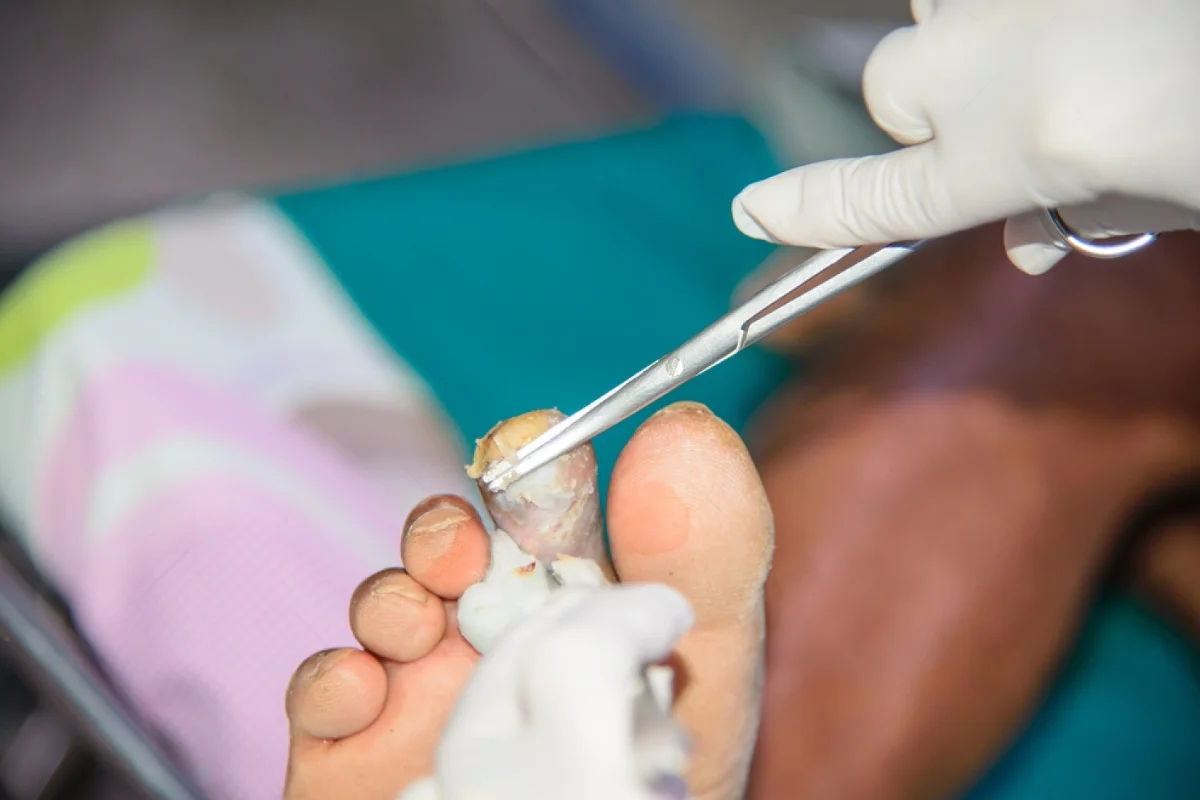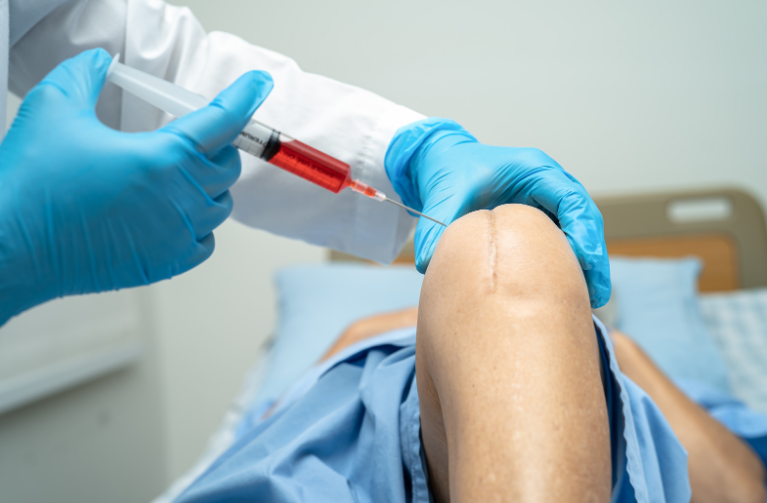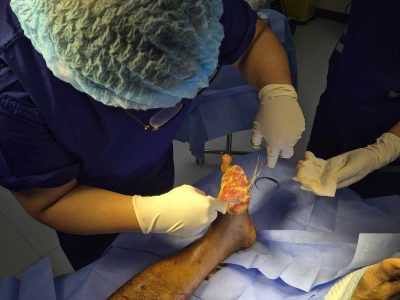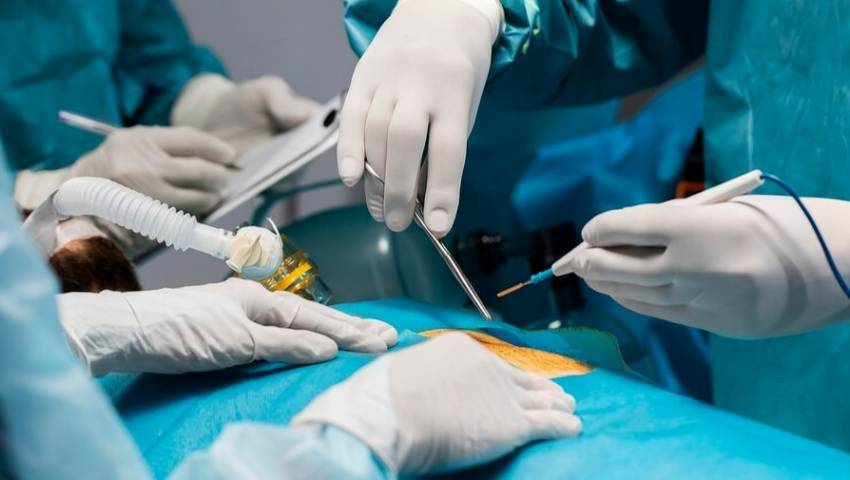
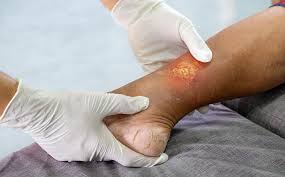
Wound debridement is a critical medical procedure designed to remove dead, damaged, or infected tissue from a wound to promote faster healing and reduce the risk of complications. Proper wound debridement helps restore healthy tissue, improves blood circulation, and creates an environment conducive to recovery. Individuals with chronic wounds, diabetic ulcers, or surgical wounds can particularly benefit from professional care. Partnering with experts like Kalingap Wound Care ensures the procedure is conducted safely and effectively.
Why Wound Debridement is Essential
The primary goal of wound debridement is to eliminate necrotic tissue that can harbor bacteria and delay healing. Without proper debridement, wounds are more likely to become infected, leading to prolonged recovery and potential complications. Wound debridement also allows healthcare providers to accurately assess the wound, monitor its progress, and apply appropriate treatments. By clearing away unhealthy tissue, the body can focus on regenerating healthy skin and reducing inflammation.
Types of Wound Debridement
Wound debridement can be performed using several methods depending on the wound type and patient condition.
- Surgical Debridement: Involves the precise removal of necrotic tissue using surgical instruments. It is often used for deep or severe wounds.
- Autolytic Debridement: Uses the body’s natural enzymes and moisture to break down dead tissue, often assisted with special dressings.
- Mechanical Debridement: Involves physical removal of tissue using methods like wet-to-dry dressings or irrigation.
- Enzymatic Debridement: Uses topical agents to chemically digest necrotic tissue.
- Sharp Debridement: Quick removal of dead tissue with a scalpel or scissors, typically performed by trained medical professionals.
Choosing the right type of wound debridement ensures safety and optimal healing. Kalingap Wound Care offers expertise in all these methods, tailoring the procedure to each patient’s needs.
Step-by-Step Wound Debridement Procedure
Following a structured process is essential for successful wound debridement.
Step 1: Assessment of the Wound – The wound is carefully examined to determine its size, depth, tissue condition, and potential signs of infection. Proper assessment guides the selection of the appropriate debridement method.
Step 2: Cleaning the Wound Area – The area around the wound is thoroughly cleaned using antiseptics to reduce bacterial contamination and prepare for safe tissue removal.
Step 3: Choosing the Appropriate Debridement Method – Healthcare professionals select the method most suitable for the wound type, patient condition, and desired healing outcome.
Step 4: Removal of Necrotic Tissue – Dead or infected tissue is removed with precision to prevent further damage to healthy skin. This may involve surgical excision, enzymatic application, or mechanical techniques.
Step 5: Managing Bleeding and Exudate – Any bleeding is controlled, and fluid exudate is managed to maintain a clean wound environment.
Step 6: Dressing and Post-Care Instructions – After wound debridement, the wound is covered with an appropriate dressing to protect it and support healing. Patients are instructed on care routines, such as changing dressings and monitoring for infection.
Step 7: Monitoring and Follow-Up – Wound progress is closely monitored to ensure proper healing. Repeat debridement may be scheduled if necessary. Kalingap Wound Care provides thorough follow-up care to maximize recovery outcomes.
Common Mistakes to Avoid During Wound Debridement
Improper wound debridement can lead to infection, delayed healing, or tissue damage. Avoid self-debridement, use of unsterilized tools, and ignoring medical guidance. Always seek professional services like Kalingap Wound Care, where experienced practitioners ensure that the wound is treated safely and efficiently.
Recovery and Healing After Wound Debridement
Healing after wound debridement requires careful monitoring and adherence to medical guidance. Most wounds show improvement within a few days, but recovery depends on the wound type, patient health, and consistency of care. Proper nutrition, hygiene, and follow-up visits enhance healing. Using the right dressings and maintaining a clean environment are critical steps recommended by Kalingap Wound Care to ensure optimal recovery.
Choosing the Right Wound Care Specialist
Selecting a trusted provider for wound debridement is crucial. Experienced specialists at Kalingap Wound Care assess each wound individually, choose the safest debridement method, and provide personalized care. Their expertise reduces complications, supports faster healing, and provides peace of mind for patients and families. Professional wound debridement services ensure that every step is performed accurately and safely.
Takeaway
Wound debridement is a vital step for effective wound management, reducing complications, and promoting faster recovery. Professional care ensures that every step, from assessment to follow-up, is performed safely. Choosing experts like Kalingap Wound Care guarantees precise, reliable, and compassionate wound debridement services tailored to individual needs. Proper wound care leads to better healing outcomes and improved overall health.
FAQ Section
Q: How often should wound debridement be performed?
A: The frequency depends on the wound type and healing progress. Chronic wounds may require regular sessions, while acute wounds may need only one procedure. Experts at Kalingap Wound Care determine the schedule based on individual needs.
Q: Is wound debridement painful?
A: Pain levels vary depending on the method and wound severity. Local anesthesia or numbing agents are often used for patient comfort. Kalingap Wound Care ensures minimal discomfort during the procedure.
Q: Can wound debridement prevent infections?
A: Yes, by removing necrotic tissue, wound debridement significantly lowers the risk of infection and supports faster healing.
Q: What are signs that a wound is healing properly?
A: Signs include reduced swelling, healthy tissue growth, minimal discharge, and decreased pain. Kalingap Wound Care monitors these indicators closely.