
Knee pain can affect nearly every aspect of daily life. Walking, climbing stairs, exercising, and even standing for extended periods may become difficult when the knee joint is no longer functioning properly. For many active adults, the source of discomfort is not always severe arthritis. Poor alignment, uneven joint loading, and early cartilage wear can place excessive stress on one side of the knee, leading to pain and reduced mobility.
Tibial Osteotomy is a joint-preserving surgical procedure designed to address these problems by correcting alignment and redistributing weight across the knee. Rather than replacing the joint, Tibial Osteotomy helps protect healthy cartilage and reduce pressure on damaged areas. This makes Tibial Osteotomy an important treatment option for younger and active individuals who wish to maintain their natural knee joint for as long as possible.
At Lao Orthopedic Clinic, patients throughout Bicol, Naga City, Legazpi City, Camarines Sur, and nearby communities have access to advanced orthopedic evaluation and treatment for knee conditions. Tibial Osteotomy is one of several specialized procedures offered to help patients improve function, reduce pain, and return to activities with greater confidence.
What Is Tibial Osteotomy?
Tibial Osteotomy is a surgical procedure that reshapes and realigns the upper portion of the tibia, commonly known as the shinbone. The goal of Tibial Osteotomy is to shift body weight away from the damaged side of the knee and distribute pressure more evenly across the joint.
Many patients who require Tibial Osteotomy have bowlegged alignment, also called genu varum. This alignment causes excessive force to pass through the inner portion of the knee during walking and other activities. Over time, this increased pressure may contribute to cartilage damage, pain, and the development of arthritis.
During Tibial Osteotomy, the surgeon carefully adjusts the position of the tibia to improve alignment. Specialized plates and screws are often used to stabilize the bone while healing occurs. Once alignment has been corrected, the knee can function more efficiently with reduced stress on the affected compartment.
Tibial Osteotomy is considered a joint-preserving procedure because it focuses on maintaining the patient’s natural knee rather than replacing it with artificial components. For properly selected patients, Tibial Osteotomy may provide significant pain relief and improved mobility while postponing the need for knee replacement surgery.
Why Knee Alignment Matters
The knee is designed to distribute body weight evenly across its surfaces. When alignment changes, certain portions of the joint absorb more force than others. Even small alignment problems can gradually increase wear on cartilage and supporting structures.
Bowlegged alignment is one of the most common reasons patients are considered for Tibial Osteotomy. With this condition, the knees remain farther apart when standing, creating excessive loading along the inner compartment of the joint.
Over many years, this uneven distribution of force may lead to:
- Progressive cartilage damage
- Chronic knee pain
- Joint stiffness
- Swelling after activity
- Reduced athletic performance
- Difficulty walking long distances
Tibial Osteotomy addresses the underlying mechanical problem rather than simply treating symptoms. By improving alignment, Tibial Osteotomy helps create a healthier environment for the knee joint and may slow the progression of arthritis.
Conditions Treated with Tibial Osteotomy
Tibial Osteotomy is commonly recommended for several conditions that affect knee alignment and joint function.
Medial Compartment Osteoarthritis
Medial compartment osteoarthritis affects the inner portion of the knee joint. Patients often experience pain during walking, standing, and physical activity. Because the damage is concentrated on one side of the knee, Tibial Osteotomy may help redistribute weight toward healthier cartilage.
For selected patients, Tibial Osteotomy provides an alternative to immediate knee replacement while preserving normal joint structures.
Bowlegged Knee Alignment (Genu Varum)
Genu varum places additional stress on the inside of the knee. This condition may develop naturally, result from previous injury, or become more noticeable as arthritis progresses.
Tibial Osteotomy corrects bowlegged alignment by adjusting the position of the tibia. Once proper alignment has been restored, pressure across the knee becomes more balanced.
Knee Pain from Uneven Joint Loading
Not all knee pain is caused by advanced arthritis. Some patients experience discomfort because weight is concentrated on one area of the knee. Athletes and physically active individuals may notice worsening symptoms during exercise, running, or prolonged standing.
Tibial Osteotomy addresses this mechanical imbalance and may improve overall knee function.
Who Is a Good Candidate for Tibial Osteotomy?
Patient selection plays a major role in the success of Tibial Osteotomy. Not every individual with knee pain requires this procedure. A comprehensive orthopedic evaluation is necessary to determine whether Tibial Osteotomy is the most appropriate treatment option.
Candidates for Tibial Osteotomy often include:
- Active adults seeking to maintain their natural knee joint
- Patients with bowlegged alignment
- Individuals with arthritis affecting only one compartment of the knee
- Patients who continue to experience symptoms despite conservative treatment
- People who wish to delay knee replacement surgery
Age alone does not determine candidacy. Activity level, cartilage condition, overall health, knee stability, and alignment measurements are all important considerations.
At Lao Orthopedic Clinic, detailed assessments help determine whether Tibial Osteotomy can provide meaningful improvement for each patient.
Benefits of Tibial Osteotomy
Tibial Osteotomy offers several potential benefits for appropriately selected patients.
Pain Reduction
One of the primary goals of Tibial Osteotomy is reducing pain caused by excessive pressure on damaged cartilage. Correcting alignment can significantly decrease stress within the affected portion of the knee.
Preservation of the Natural Knee
Unlike knee replacement surgery, Tibial Osteotomy maintains the patient’s own joint structures. This may be particularly appealing to younger individuals who wish to remain physically active.
Improved Mobility
Many patients notice improvements in walking, stair climbing, and recreational activities following successful Tibial Osteotomy and rehabilitation.
Delayed Need for Knee Replacement
For patients with early arthritis and alignment-related problems, Tibial Osteotomy may postpone the need for knee replacement surgery for several years.
Support for an Active Lifestyle
Sports participation, fitness activities, and physically demanding occupations may become more manageable after recovery from Tibial Osteotomy, depending on individual circumstances and rehabilitation progress.
What Happens During Tibial Osteotomy Surgery?
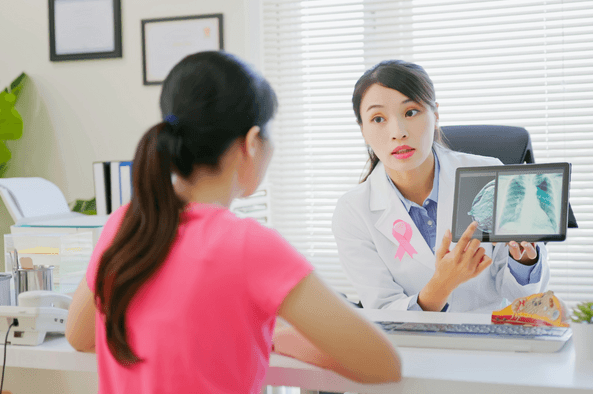
Successful Tibial Osteotomy begins with careful planning. Detailed imaging studies allow the surgeon to calculate the degree of correction required to improve alignment.
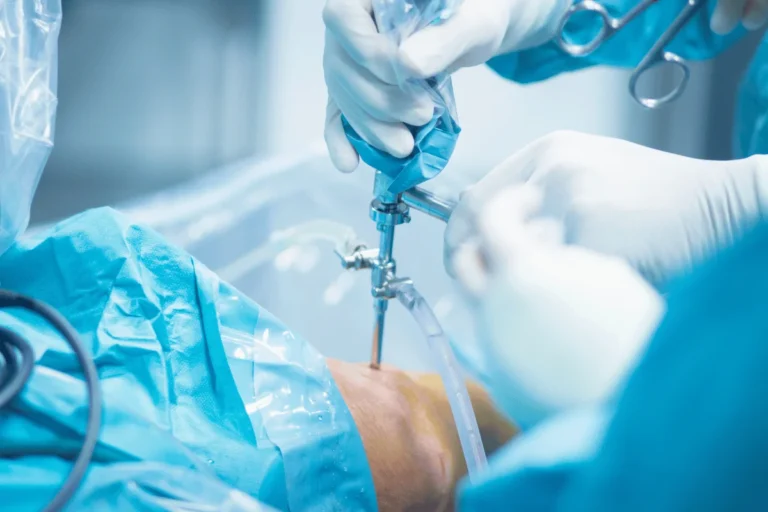
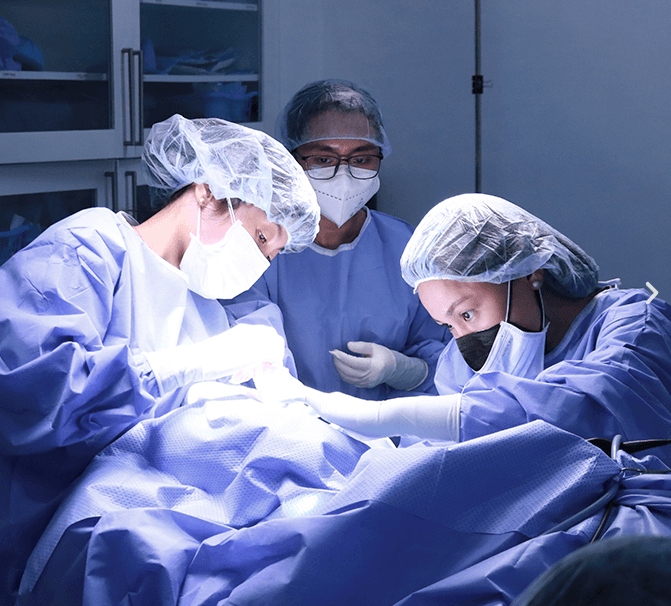
During the procedure, a controlled cut is made within the upper portion of the tibia. The bone is then adjusted to achieve the desired alignment. Depending on the surgical plan, a small gap may be created or a wedge of bone may be removed.
Once the correction has been completed, specialized plates and screws secure the bone while healing takes place. These implants help maintain alignment throughout the recovery process.
After surgery, patients are closely monitored and receive detailed instructions regarding mobility, weight-bearing restrictions, and rehabilitation.
Recovery and Rehabilitation After Tibial Osteotomy
Recovery is an essential part of successful Tibial Osteotomy treatment. Healing times vary based on the extent of correction, bone healing rates, overall health, and adherence to rehabilitation recommendations.
The early recovery period often focuses on:
- Protecting the surgical correction
- Managing swelling
- Controlling discomfort
- Maintaining safe mobility
- Preventing stiffness
Physical therapy plays a major role throughout recovery. Treatment programs are designed to restore strength, flexibility, balance, and functional movement patterns.
As healing progresses, patients gradually return to daily activities under the guidance of their orthopedic team.