Glaucoma and Its Impact on Vision Health
Glaucoma refers to a group of eye conditions that damage the optic nerve, often due to increased pressure inside the eye. This nerve plays a critical role in transmitting visual information from the eye to the brain, making its health essential for clear sight. When glaucoma develops, the damage typically occurs slowly, and many people do not notice changes until significant vision loss has already taken place. This gradual progression makes glaucoma one of the leading causes of irreversible blindness worldwide.
There are several types of glaucoma, each presenting different risks and progression patterns. Open-angle glaucoma is the most common and develops gradually over time. Angle-closure glaucoma is less common but can occur suddenly and requires urgent medical attention. Normal-tension glaucoma occurs even when eye pressure is within a normal range, which can make it more difficult to detect without proper screening. Congenital glaucoma affects infants and young children and requires early medical intervention.
In the Bicol region, understanding glaucoma is especially important due to varying access to healthcare services. Many individuals may not prioritize eye care until symptoms become severe. However, recognizing the nature of glaucoma and its potential impact can encourage earlier action. Protecting vision begins with awareness, and knowledge about this condition empowers individuals to seek timely care and avoid preventable vision loss.
Why Glaucoma Screening and Diagnosis in Bicol Matter
Glaucoma screening and diagnosis in Bicol are essential for identifying the condition before it progresses to advanced stages. Early detection allows healthcare providers to intervene with treatments that can slow or prevent further damage to the optic nerve. Without screening, glaucoma may remain undiagnosed for years, leading to permanent vision impairment that could have been avoided.
In Bicol, several factors influence the need for consistent screening. These include population growth, aging demographics, and the increasing prevalence of chronic conditions such as diabetes and hypertension. These factors contribute to a higher risk of developing glaucoma, making routine eye examinations even more important. Additionally, many residents may not have immediate access to specialized eye care, which further emphasizes the importance of community awareness.
Screening also plays a role in reducing the long-term burden on healthcare systems. Treating advanced glaucoma often requires more complex and costly interventions. By focusing on early diagnosis, individuals can maintain better vision and avoid complications that affect daily life. Promoting glaucoma screening and diagnosis in Bicol helps create a healthier, more informed community.
Identifying Individuals Who Need Screening
Not everyone faces the same level of risk when it comes to glaucoma, but certain groups should be especially vigilant about regular screenings. Age is one of the most significant factors, as the likelihood of developing glaucoma increases after the age of 40. Family history is another key consideration, as individuals with relatives who have glaucoma are more likely to develop the condition themselves.
Chronic health conditions also play a role in increasing risk. People with diabetes, hypertension, or other vascular conditions should prioritize regular eye exams. In addition, lifestyle factors such as prolonged exposure to sunlight or limited access to nutritious food may contribute to overall eye health concerns in the Bicol region. Even individuals who feel their vision is normal should not assume they are free from risk.
Symptoms of glaucoma are often subtle or nonexistent in the early stages. Some individuals may notice gradual peripheral vision loss or difficulty adjusting to low light. These signs should prompt immediate evaluation by an eye care professional. By understanding who needs screening, more residents in Bicol can take proactive steps toward protecting their eyesight.
Techniques Used in Glaucoma Screening and Diagnosis in Bicol
Eye care professionals rely on a combination of tests to accurately diagnose glaucoma. Each method provides unique insights into the condition of the eye and helps build a complete picture of a patient’s eye health. A comprehensive eye exam typically serves as the foundation for glaucoma screening, allowing doctors to assess vision and identify potential warning signs.
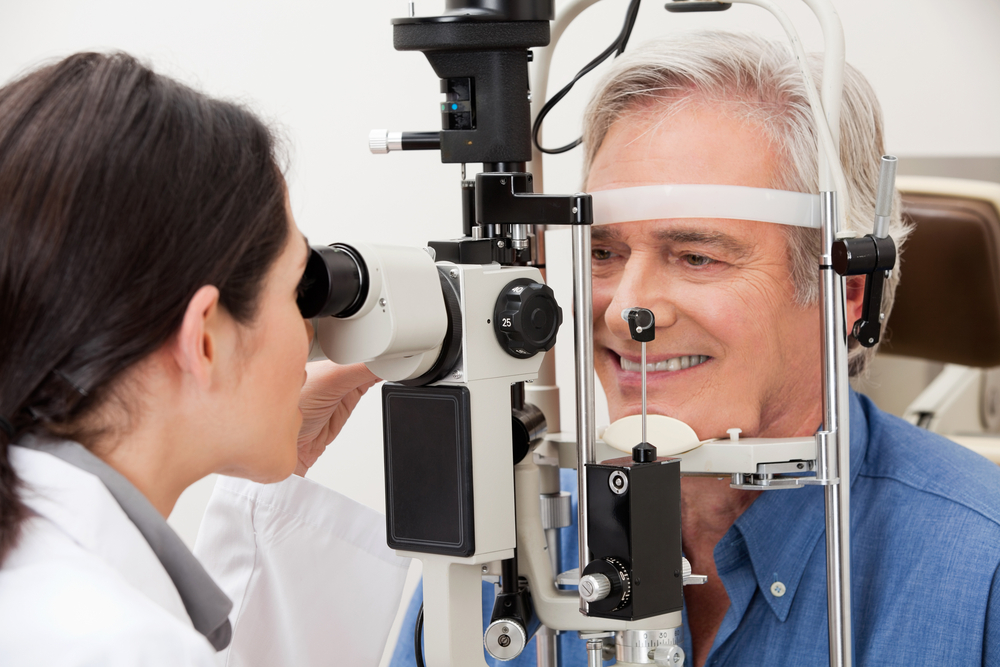
Tonometry is one of the most commonly used tests, measuring the pressure inside the eye. Elevated pressure can indicate a higher risk of glaucoma, though it is not the only factor considered. Ophthalmoscopy enables the doctor to examine the optic nerve for signs of damage, such as changes in shape or color. Visual field testing helps detect blind spots or areas of reduced vision, which are often early indicators of glaucoma.
More advanced tools are also used in many clinics throughout Bicol. Optical coherence tomography provides detailed images of the optic nerve, allowing for earlier and more precise detection. Pachymetry measures corneal thickness, which can influence eye pressure readings and improve diagnostic accuracy. These combined techniques ensure that glaucoma screening and diagnosis in Bicol are thorough and effective.
What Happens During a Glaucoma Screening Visit
A glaucoma screening visit is designed to be simple, efficient, and comfortable for patients. The process usually begins with a discussion about the patient’s medical history and any symptoms they may have noticed. This information helps guide the selection of tests and provides context for interpreting the results.
During the screening, patients may undergo several tests to evaluate different aspects of eye health. These tests are generally quick and do not require any invasive procedures. Eye drops may be used to dilate the pupils, allowing for a clearer view of the optic nerve. While this may cause temporary light sensitivity, it is a routine part of the examination process.
The appointment typically lasts less than an hour, depending on the number of tests performed. After the evaluation, the eye care professional will explain the findings and recommend next steps. This may include scheduling follow-up visits, starting treatment, or simply maintaining regular check-ups. Understanding the process can help reduce hesitation and encourage more people in Bicol to seek screening.
Access to Glaucoma Screening Services Across Bicol
Access to glaucoma screening services varies across the Bicol region, with urban areas generally offering more options than rural communities. Private clinics and hospitals in cities often have advanced diagnostic equipment and specialized professionals. Public healthcare facilities also provide essential services, often at a lower cost, making them accessible to a wider population.
In more remote areas, access to eye care may be limited. However, mobile clinics and outreach programs are helping address this gap by bringing services directly to underserved communities. These initiatives are vital in expanding the reach of glaucoma screening and diagnosis in Bicol, ensuring that more individuals receive the care they need.
Local governments and organizations continue to play an important role in promoting eye health. Awareness campaigns, free screening events, and educational programs are helping increase participation in regular eye exams. By improving access to services, more residents can benefit from early detection and effective treatment.
Barriers to Effective Glaucoma Diagnosis in Bicol
Several challenges continue to affect the effectiveness of glaucoma diagnosis in Bicol. One major issue is the limited availability of specialized equipment in certain areas. Without access to advanced diagnostic tools, early detection becomes more difficult, especially in rural communities. This can lead to delayed diagnosis and more severe outcomes.
Another challenge is the shortage of trained eye care professionals. Patients may need to travel long distances to receive proper care, which can discourage regular screenings. Cultural beliefs and misconceptions about eye health also play a role, as some individuals may not recognize the importance of preventive care.
Financial constraints further complicate access to screening and treatment. Not all individuals can afford routine eye exams, particularly in private facilities. Addressing these barriers requires coordinated efforts from healthcare providers, government agencies, and community organizations. By overcoming these challenges, glaucoma care in Bicol can become more accessible and effective.
How Technology Enhances Glaucoma Detection
Technological advancements are transforming the way glaucoma is detected and managed. Modern diagnostic tools allow for more accurate and earlier identification of the condition, improving patient outcomes. In Bicol, these technologies are gradually becoming more available, particularly in well-equipped clinics and hospitals.
Telemedicine has also emerged as a valuable tool for expanding access to eye care. Through remote consultations, patients in distant areas can receive guidance from specialists without the need for extensive travel. Digital record-keeping further enhances patient care by allowing doctors to monitor changes over time and adjust treatment plans as needed.
These innovations are helping bridge gaps in healthcare delivery and making glaucoma screening and diagnosis in Bicol more efficient. As technology continues to evolve, it is expected to play an even greater role in improving eye health across the region.
Living with Glaucoma and Managing the Condition
Managing glaucoma requires a long-term commitment to treatment and regular monitoring. Once diagnosed, patients must follow their prescribed treatment plan to prevent further damage to the optic nerve. This may include using medicated eye drops, undergoing laser therapy, or considering surgical options in more advanced cases.
Consistency is key when it comes to treatment. Missing doses or skipping follow-up appointments can lead to worsening of the condition. Patients are encouraged to stay informed about their diagnosis and actively participate in their care. This includes asking questions and understanding the purpose of each treatment.
Lifestyle adjustments can also support overall eye health. Maintaining a balanced diet, staying physically active, and managing chronic conditions can contribute to better outcomes. By taking a proactive approach, individuals living with glaucoma in Bicol can preserve their vision and maintain a good quality of life.
Promoting Eye Health and Preventive Practices
Preventive care is one of the most effective ways to reduce the impact of glaucoma. Regular eye examinations allow for early detection and timely intervention, which can significantly slow the progression of the disease. Public awareness plays a crucial role in encouraging individuals to prioritize their eye health.
Healthy habits can also support vision and reduce risk factors associated with glaucoma. Proper nutrition, regular exercise, and effective management of chronic illnesses are all important components of eye health. Education campaigns in Bicol are helping spread awareness about these practices and encouraging community participation.
Adopting simple yet effective habits can make a significant difference:
- Schedule routine eye check-ups based on age and risk level
- Maintain a balanced diet rich in vitamins and antioxidants
- Manage conditions like diabetes and hypertension consistently
- Protect eyes from excessive sunlight exposure
- Stay informed about local screening programs and services
These practices empower individuals to take control of their eye health and reduce the likelihood of vision loss.
Understanding the Cost of Screening and Diagnosis
The cost of glaucoma screening and diagnosis in Bicol can vary depending on the healthcare provider and the complexity of the tests involved. Public hospitals and clinics typically offer more affordable options, while private facilities may charge higher fees for advanced services. Understanding these differences can help individuals make informed decisions about their care.
Insurance coverage and government programs can help offset the cost of screening and treatment. Some organizations also provide free or low-cost screening events, making eye care more accessible to those with limited financial resources. Taking advantage of these opportunities can make a significant difference in early detection.
Investing in regular screenings can prevent more expensive treatments in the future. Early diagnosis allows for simpler and more cost-effective management, reducing the financial burden on patients and their families. Prioritizing eye health is not only beneficial for vision but also for long-term financial well-being.
Selecting a Trusted Eye Care Provider in Bicol
Choosing the right eye care provider is essential for receiving accurate diagnosis and effective treatment. Patients should look for professionals with the appropriate qualifications and experience in managing glaucoma. Access to modern diagnostic equipment is also an important factor to consider when selecting a clinic.
Reputation and patient feedback can provide valuable insights into the quality of care offered by a provider. Asking questions during the initial visit can help establish trust and ensure that the patient feels comfortable with the chosen professional. Building a long-term relationship with an eye care provider supports consistent monitoring and better outcomes.
Reliable care is a cornerstone of successful glaucoma management. By selecting a trusted provider, individuals can feel confident in their glaucoma screening and diagnosis in Bicol and take meaningful steps toward preserving their vision.
Frequently Asked Questions
How often should glaucoma screening be done?
Most adults over 40 should have an eye exam every one to two years, while high-risk individuals may need more frequent screenings.
Are the tests used in screening uncomfortable?
Most procedures are painless, though some may involve slight pressure or temporary light sensitivity.
Is vision loss from glaucoma reversible?
Vision loss caused by glaucoma cannot be reversed, but early detection can help prevent further damage.
Do rural areas in Bicol have access to screening services?
Yes, through outreach programs and mobile clinics, although availability may vary.
How long does a typical screening take?
The process usually takes between 30 minutes to an hour, depending on the tests performed.
What treatments are available after diagnosis?
Treatment options include eye drops, laser procedures, and surgery, depending on the severity.
Are there affordable screening options available?
Yes, public healthcare facilities and certain programs offer low-cost or free screenings.
Takeaway
Glaucoma screening and diagnosis in Bicol remain vital in preventing avoidable vision loss and supporting long-term eye health. With increased awareness, improved access to care, and the integration of modern technology, more individuals can benefit from early detection and timely treatment. Making eye care a regular priority ensures that vision is protected and quality of life is preserved for years ahead.