Overview of PRP for Sports Injuries
PRP for sports injuries is a regenerative medical treatment that uses a concentrated portion of a patient’s own blood to support healing in damaged muscles, tendons, and ligaments. This therapy has gained attention in sports medicine because it focuses on stimulating the body’s natural repair systems rather than masking symptoms. Athletes and physically active individuals often experience repetitive stress injuries that can become chronic over time, making PRP a useful option in selected cases. The treatment is widely used in orthopedic clinics to support recovery in both acute injuries and long-term degenerative conditions. PRP for sports injuries is considered minimally invasive, which makes it appealing for individuals who want to avoid surgery. It is commonly integrated into rehabilitation programs alongside physical therapy and controlled exercise. Its increasing use reflects a broader shift toward biologic and regenerative treatment methods.
Types of injuries commonly treated
PRP for sports injuries is most often used for soft tissue problems that involve inflammation or micro-tearing. These injuries are frequently seen in both competitive athletes and active individuals.
- Tendon irritation and chronic tendon degeneration
- Ligament sprains and partial tearing
- Muscle strain injuries from overuse
- Joint pain linked to repetitive movement
- Long-term sports-related inflammation
These conditions often respond slowly to traditional treatment, which is why regenerative approaches are being explored. PRP for sports injuries is particularly relevant in areas of the body with limited blood supply. This makes natural healing more difficult without additional biological support.
How PRP Supports the Healing Process
PRP for sports injuries works by delivering a high concentration of platelets directly to the injured area. Platelets are rich in growth factors that play an essential role in tissue repair and regeneration. Once injected, these growth factors signal the body to begin a structured healing response. This includes inflammation regulation, new blood vessel formation, and collagen production. The goal is to improve tissue quality and restore function over time. The process does not create artificial healing but enhances the body’s own biological response. This makes PRP part of the field of regenerative medicine.
Biological repair activity
The healing effect of PRP for sports injuries is driven by multiple growth factors working together. These signals activate cells responsible for rebuilding damaged tissue.
- Platelet-derived growth factor promotes tissue cell growth
- Transforming growth factor supports structural repair
- Vascular endothelial growth factor improves circulation in damaged areas
- Fibroblast activity strengthens connective tissue formation
- Natural anti-inflammatory signals help regulate prolonged irritation
This combination of biological activity supports gradual tissue regeneration. The effectiveness of PRP for sports injuries depends on proper preparation and accurate injection placement. It is not an instant fix but part of a longer healing cycle.
Sports Conditions Commonly Treated with PRP for Sports Injuries
PRP for sports injuries is used across a wide range of orthopedic and athletic conditions. These injuries often result from repetitive strain, sudden impact, or prolonged overuse. The therapy is especially helpful when traditional rest and medication have not fully resolved symptoms. It is commonly applied in both upper and lower body injuries. The treatment is customized depending on the location and severity of the injury. Its versatility makes it useful in many sports-related conditions.
Frequently targeted injury areas
PRP for sports injuries is often used for conditions that affect mobility and performance. These injuries can significantly impact daily function and athletic ability.
- Shoulder tendon injuries including rotator cuff damage
- Knee pain conditions such as patellar tendon irritation
- Elbow strain commonly associated with repetitive motion
- Achilles tendon inflammation in runners and jumpers
- Hamstring and quadriceps muscle injuries
These conditions are frequently seen in sports involving running, jumping, lifting, or throwing. PRP for sports injuries is often part of a broader recovery strategy. It is rarely used in isolation and is typically combined with rehabilitation programs.
How the PRP Procedure Is Done
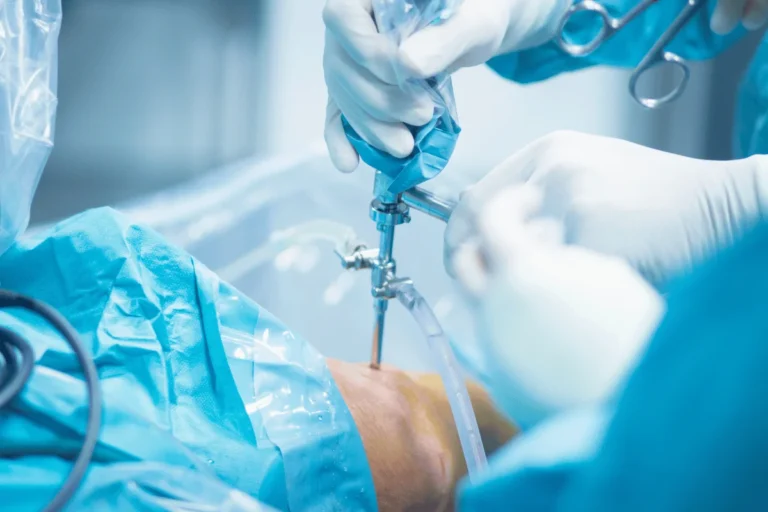
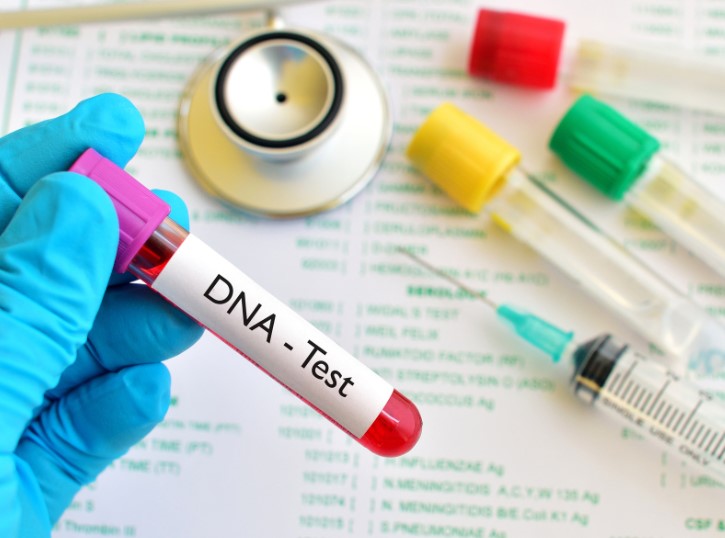
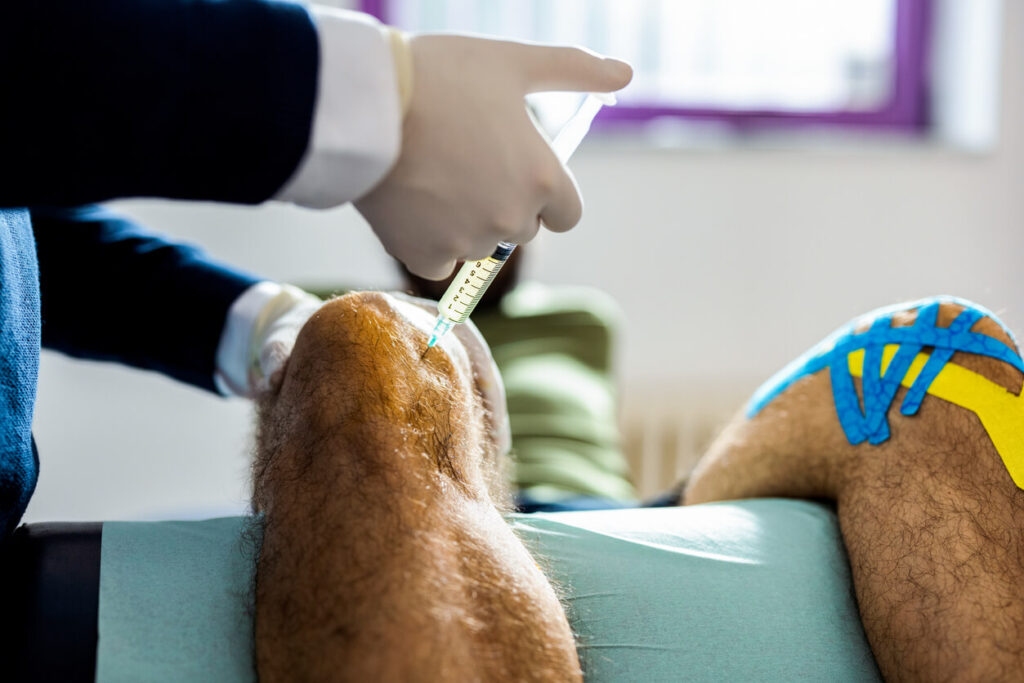
PRP for sports injuries begins with a medical evaluation to confirm whether the patient is a suitable candidate. A small blood sample is drawn from the patient and processed using a centrifuge machine. This process separates platelets from other blood components, creating a concentrated plasma solution. The prepared PRP is then injected into the injured area using precise medical guidance. Imaging tools such as ultrasound may be used to improve accuracy. The procedure is typically done in an outpatient setting and does not require hospitalization. Most patients return home shortly after treatment.
Step-by-step treatment process
The procedure for PRP for sports injuries follows a structured medical protocol designed for safety and effectiveness.
- Blood sample collection from the patient
- Separation of platelets using centrifugation
- Preparation of concentrated platelet-rich plasma
- Targeted injection into injured tissue
- Post-treatment monitoring and recovery instructions
Each step is important to ensure proper concentration and delivery. The accuracy of injection plays a key role in treatment success. PRP for sports injuries relies heavily on proper clinical technique.
Recovery Experience After PRP for Sports Injuries
Recovery following PRP for sports injuries varies depending on the severity of the condition. Some patients experience mild soreness after the injection, which is part of the natural healing response. Over time, inflammation helps activate tissue repair mechanisms. Improvement is usually gradual and may take several weeks or months. Physical therapy is often recommended to support movement and strength during recovery. Activity modification is also important to avoid reinjury. The healing process is progressive rather than immediate.
Healing progression stages
The recovery timeline for PRP for sports injuries typically follows a structured pattern. Each phase reflects tissue repair activity.
- Initial soreness or mild swelling after injection
- Early inflammatory response activating repair processes
- Gradual reduction in pain and stiffness
- Improvement in mobility and function
- Return to controlled physical activity
These stages help guide recovery expectations. PRP for sports injuries works best when combined with rehabilitation efforts. Consistency in therapy and exercise is important for long-term improvement.
Benefits of PRP for Sports Injuries
PRP for sports injuries provides several potential advantages for individuals seeking non-surgical treatment options. It is widely used because it supports natural healing mechanisms. The treatment uses the patient’s own biological material, which reduces the risk of adverse reactions. It is minimally invasive compared to surgical procedures. Many patients choose it when conservative treatments have not fully worked. Its regenerative focus makes it distinct from pain-relief injections. It continues to gain popularity in sports medicine.
Key advantages of treatment
PRP for sports injuries offers several benefits that contribute to its clinical use.
- Enhances natural tissue repair processes
- Reduces need for invasive surgical procedures
- Supports tendon and ligament regeneration
- Uses patient’s own blood components safely
- May help reduce long-term discomfort
These benefits make PRP for sports injuries a valuable option in selected cases. It is often used as part of a comprehensive rehabilitation plan. Its effectiveness depends on correct diagnosis and treatment planning.
Limitations of PRP for Sports Injuries
PRP for sports injuries is not effective for all types of conditions. Some injuries respond better than others depending on severity and chronicity. The preparation method can also influence results. There is still no universal standard for PRP protocols. Insurance coverage is often limited, which affects accessibility for some patients. Results may take time and vary from person to person. It is not intended as a quick fix for all injuries.
Important considerations
Before undergoing PRP for sports injuries, several factors should be considered.
- Outcomes vary based on injury type and severity
- Multiple treatments may be necessary
- Clinical protocols differ between providers
- Not suitable for all medical conditions
- Requires commitment to rehabilitation
These considerations help set realistic expectations. PRP for sports injuries is best used as part of a structured treatment plan. Proper evaluation is essential before proceeding.
Ideal Candidates for PRP for Sports Injuries
PRP for sports injuries is typically recommended for individuals with chronic or persistent soft tissue injuries. It is often used when other conservative treatments have not provided sufficient relief. Active individuals and athletes are common candidates. It is also suitable for people seeking alternatives to surgery. Medical evaluation is necessary to determine suitability. The treatment is personalized based on injury type and health status. Not all patients are ideal candidates.
Suitable patient profiles
PRP for sports injuries is often considered for individuals with the following conditions.
- Chronic tendon pain or degeneration
- Repetitive strain injuries from sports activity
- Persistent joint discomfort without structural rupture
- Patients avoiding surgical intervention
- Individuals not responding to standard therapy
These profiles help guide treatment decisions. PRP for sports injuries is most effective when appropriately selected. Proper diagnosis is essential for success.
Comparison with Other Treatment Options
PRP for sports injuries is often compared with other medical treatments used in sports medicine. Corticosteroid injections focus mainly on reducing inflammation and pain. Physical therapy improves strength and mobility but may not directly repair tissue. Surgery is reserved for severe injuries but involves longer recovery time. PRP offers a regenerative approach that supports biological healing. It is often positioned between conservative care and surgical intervention. Treatment selection depends on injury severity and patient goals.
Treatment comparison overview
Different treatment methods serve different purposes in recovery.
- PRP supports tissue regeneration and healing
- Steroid injections reduce inflammation and pain
- Physical therapy restores strength and movement
- Surgery repairs structural damage
- Regenerative therapies aim to improve tissue quality
PRP for sports injuries is often combined with rehabilitation strategies. It is not always used alone. Its role depends on clinical evaluation.
Risks and Side Effects
PRP for sports injuries is generally considered safe because it uses the patient’s own blood. However, mild side effects may occur after treatment. These effects are usually temporary and resolve on their own. Proper sterile technique reduces the risk of complications. Most patients tolerate the procedure well. Medical supervision ensures safety throughout the process. Serious complications are rare.
Possible side effects
Some temporary reactions may occur after PRP for sports injuries.
- Mild swelling or soreness at injection site
- Temporary stiffness in treated area
- Light bruising following injection
- Short-term inflammatory response
- Rare risk of infection
These effects are generally mild and manageable. PRP for sports injuries is considered a low-risk procedure when performed correctly.
Cost Considerations for PRP for Sports Injuries
The cost of PRP for sports injuries varies depending on several factors. These include clinic location, provider experience, and treatment complexity. Some patients may require multiple sessions, which increases total cost. Insurance coverage is often limited or unavailable. Despite this, some individuals choose PRP due to its potential long-term benefits. Pricing varies widely between providers. Patients should discuss costs during consultation.
Factors affecting cost
- Number of treatment sessions required
- Type of injury being treated
- Use of imaging guidance during injection
- Clinic reputation and location
- Provider expertise and specialization
Scientific Research and Clinical Use
PRP for sports injuries continues to be studied in orthopedic and sports medicine research. Some studies show positive results for tendon-related conditions. Other research indicates mixed outcomes depending on application. The variability is often linked to differences in preparation methods. Clinical interest in regenerative medicine continues to grow. More standardized protocols are being developed.
Current findings
- Strong evidence in tendon healing support
- Variable outcomes in ligament injuries
- Growing use in clinical sports medicine
- Need for standardized treatment methods
- Increasing research in regenerative therapy
Recovery Optimization After PRP for Sports Injuries
Recovery after PRP for sports injuries can be improved through proper rehabilitation. Physical therapy plays an important role in restoring function. Nutrition supports tissue repair and healing. Rest and controlled activity help prevent reinjury. Hydration also contributes to recovery efficiency. Medical guidance ensures safe progression. Consistency is essential for long-term improvement.
Helpful recovery practices
- Structured physical therapy programs
- High-protein balanced nutrition
- Gradual return to physical activity
- Adequate rest between sessions
- Monitoring of symptoms and progress
Frequently Asked Questions
What is PRP for sports injuries used for?
PRP for sports injuries is used to treat tendon, ligament, and muscle injuries by promoting natural healing through concentrated platelets.
How long does recovery take?
Recovery varies but typically takes several weeks to months depending on injury severity and response to treatment.
Is PRP painful?
Most patients experience mild discomfort during or after the procedure, which usually resolves quickly.
How many treatments are needed?
Some patients require only one session, while others may need multiple treatments.
Can PRP replace surgery?
In some cases, PRP for sports injuries may reduce the need for surgery, but severe injuries may still require surgical treatment.
Takeaway
PRP for sports injuries is a regenerative treatment that supports natural tissue healing in athletes and active individuals. It is widely used for tendon, ligament, and muscle conditions that require enhanced biological repair. While it offers promising benefits, its effectiveness depends on proper diagnosis, technique, and rehabilitation support.