Pain during intercourse can affect physical comfort, emotional well-being, relationships, and overall quality of life. Although many people experience discomfort during sexual activity, persistent pain should not be ignored. Dyspareunia is a condition involving pain before, during, or after intercourse, and finding effective solutions often requires understanding the underlying physical factors contributing to symptoms.
Among the available dyspareunia treatments, physical therapy has become an important option for addressing pelvic muscle dysfunction, improving mobility, and helping individuals regain comfort and confidence. For those seeking specialized care, Osteopractic Physical Therapy of Central Indiana provides expert services focused on identifying and treating musculoskeletal factors that may contribute to pelvic pain and painful intercourse.
Understanding Dyspareunia and Its Impact
Dyspareunia refers to recurring or persistent pain associated with sexual intercourse. The discomfort may occur at the vaginal opening, deeper within the pelvis, or after sexual activity. Symptoms can include burning, aching, pressure, tightness, sharp pain, or muscle discomfort.
Many individuals delay seeking help because they believe painful intercourse is something they simply have to tolerate. However, effective dyspareunia treatments can address many of the physical contributors behind these symptoms. Receiving appropriate care can improve comfort, reduce anxiety related to intimacy, and support a better quality of life.
Dyspareunia can affect people differently. Some may experience symptoms after childbirth, surgery, hormonal changes, or pelvic injuries, while others may develop pain due to muscle tension, pelvic floor dysfunction, or chronic pain conditions.
Common Causes of Dyspareunia
Understanding the cause of painful intercourse is an important step in selecting the right dyspareunia treatments. Because multiple factors may contribute to symptoms, a thorough evaluation is often necessary.
Pelvic Floor Muscle Dysfunction
The pelvic floor muscles play an important role in supporting pelvic organs, controlling movement, and contributing to sexual function. When these muscles become overly tight, weak, or poorly coordinated, they may contribute to pain during intercourse.
A common issue associated with dyspareunia is excessive pelvic floor muscle tension. Muscles that remain contracted or have difficulty relaxing may create discomfort, sensitivity, and pain with penetration.
Physical Changes and Medical Factors
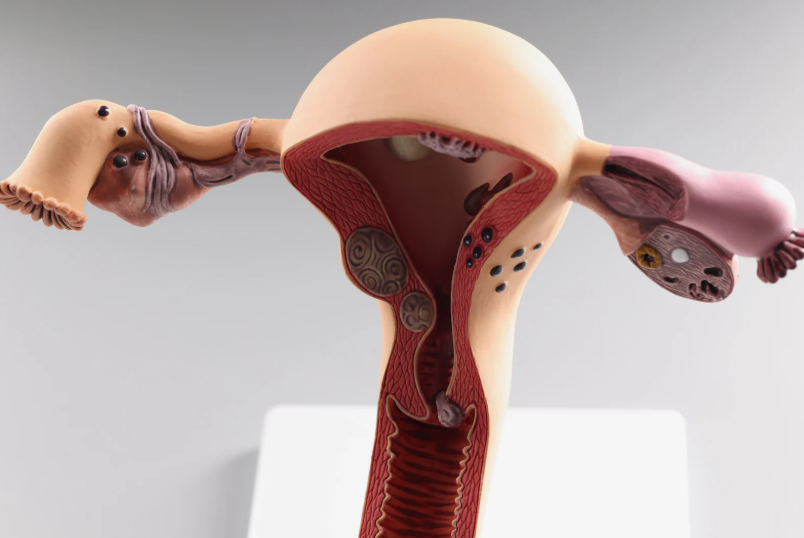
Several physical conditions may contribute to dyspareunia, including:
- Scar tissue following childbirth or surgery
- Pelvic injuries
- Endometriosis
- Hormonal changes affecting tissues
- Pelvic inflammation or irritation
- Previous trauma affecting movement patterns
Because the causes of dyspareunia vary, individualized dyspareunia treatments are often more effective than a one-size-fits-all approach.
Stress, Pain Responses, and Muscle Tension
The body’s response to pain can also influence symptoms. Stress, fear of discomfort, and previous painful experiences may cause muscles to tighten protectively. This cycle can contribute to ongoing discomfort and make relaxation more difficult.
Physical therapy can help address the physical components of this cycle while supporting improved awareness and control of the pelvic muscles.
How Physical Therapy Supports Dyspareunia Treatments
Physical therapy is a valuable part of many dyspareunia treatments because it focuses on improving muscle function, reducing tension, and restoring healthy movement patterns.
Osteopractic Physical Therapy of Central Indiana specializes in advanced physical therapy approaches designed to identify movement limitations and address musculoskeletal sources of pain. Their individualized care plans help patients work toward improved comfort and function.
Pelvic Floor Assessment
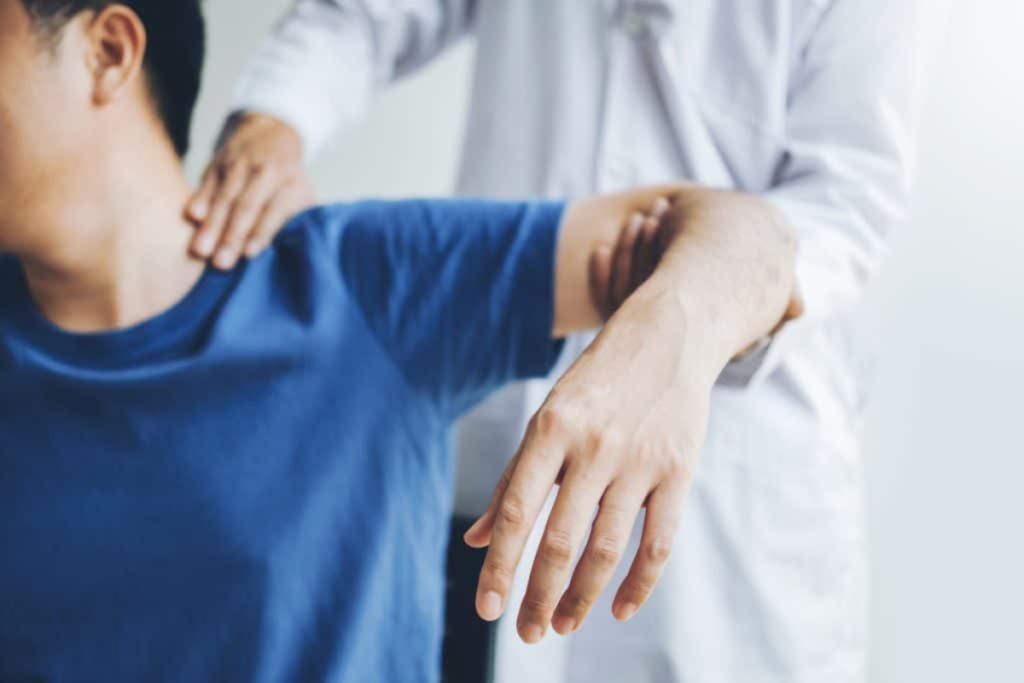
A physical therapist begins by evaluating factors that may contribute to pain, including pelvic floor muscle function, posture, movement patterns, flexibility, strength, and areas of tension.
This assessment helps create personalized dyspareunia treatments based on the individual’s symptoms and goals. Understanding the source of discomfort allows therapy to focus on the specific factors affecting pain.
Reducing Pelvic Floor Muscle Tension
For individuals with overly tight pelvic muscles, treatment may focus on helping these muscles relax and function properly. Techniques may include:
- Manual therapy
- Soft tissue techniques
- Breathing strategies
- Relaxation exercises
- Mobility exercises
These approaches may help decrease muscle guarding and improve comfort during daily activities and intimacy.
Improving Muscle Coordination
Effective pelvic floor function depends on coordination, not just strength. Some individuals experiencing dyspareunia may need to learn how to properly relax and control these muscles.
Physical therapy can teach body awareness techniques that help patients recognize muscle tension and develop improved control. This is an important component of many successful dyspareunia treatments.
Addressing Weakness and Stability Issues
While some people experience pain from excessive muscle tightness, others may have weakness or poor pelvic support. Physical therapists can determine whether strengthening exercises are appropriate.
A customized exercise program may help improve pelvic stability, muscle endurance, and overall function.
Managing Scar Tissue and Movement Restrictions
Scar tissue from childbirth, surgery, or injury may restrict movement and contribute to discomfort. Specialized physical therapy techniques can help improve tissue mobility and reduce restrictions that may be affecting comfort.
What to Expect During Physical Therapy for Dyspareunia
Many people feel uncertain about beginning pelvic health therapy. Understanding the process can make treatment feel more approachable.
The first appointment typically includes a discussion about symptoms, medical history, lifestyle factors, and personal goals. A physical therapist may evaluate posture, movement, muscle function, and areas contributing to discomfort.
After the evaluation, the therapist creates a personalized treatment plan. Dyspareunia treatments may include in-office techniques, education, relaxation strategies, mobility exercises, and a home program designed around the patient’s needs.
Progress depends on several factors, including the cause of pain, how long symptoms have been present, and consistency with treatment recommendations. Every person’s recovery timeline is different.
Benefits of Physical Therapy for Dyspareunia
Physical therapy can provide several benefits as part of comprehensive dyspareunia treatments, including:
- Reduced pelvic discomfort
- Improved pelvic muscle relaxation
- Better muscle coordination
- Increased confidence with intimacy
- Improved movement and body awareness
- Support for long-term pain management
By addressing physical contributors rather than only managing symptoms, physical therapy can help individuals work toward lasting improvements.
Exercises That May Support Dyspareunia Treatments
A physical therapist can recommend exercises based on individual needs. Common approaches may include:
- Diaphragmatic breathing to encourage relaxation
- Gentle pelvic mobility movements
- Hip and pelvic stretching
- Pelvic floor relaxation exercises
Exercises should be performed correctly and comfortably. Working with a qualified provider ensures that exercises support healing rather than increase discomfort.
When to Consider Physical Therapy for Dyspareunia
Seeking professional guidance may be beneficial if you experience:
- Ongoing pain during intercourse
- Avoidance of intimacy due to discomfort
- Pelvic muscle tightness or spasms
- Pain after childbirth or surgery
- Symptoms that affect daily activities or emotional well-being
Early evaluation can help identify contributing factors and determine appropriate dyspareunia treatments.
Choosing Osteopractic Physical Therapy of Central Indiana for Dyspareunia Treatments
Finding a knowledgeable provider is an important part of managing pelvic pain. Osteopractic Physical Therapy of Central Indiana offers specialized physical therapy services focused on improving function, reducing pain, and creating individualized care plans.
Their approach emphasizes identifying the underlying causes of discomfort and providing targeted treatments designed around each patient’s goals. For individuals exploring dyspareunia treatments, working with an experienced physical therapy team can provide valuable guidance and support.
Takeaway
Dyspareunia can have a significant impact on comfort, confidence, and quality of life, but effective treatment options are available. Physical therapy provides a targeted approach by addressing pelvic muscle dysfunction, movement restrictions, and other physical factors that may contribute to pain.
Frequently Asked Questions About Dyspareunia Treatments
Can physical therapy help with dyspareunia?
Yes. Physical therapy can be an effective component of dyspareunia treatments, especially when pelvic floor muscle tension, weakness, coordination problems, or movement restrictions contribute to pain.
What type of physical therapy treats painful intercourse?
Pelvic floor physical therapy is commonly used as part of dyspareunia treatments. It focuses on evaluating and improving pelvic muscle function, reducing tension, and restoring proper movement patterns.
Are dyspareunia treatments painful?
Treatment should be performed within a comfortable range and adjusted based on individual needs. A qualified physical therapist will work with you to ensure techniques are appropriate and manageable.
How long do dyspareunia treatments take?
The timeline varies depending on the cause and severity of symptoms. Some individuals notice improvement within a few sessions, while others may require a longer treatment plan.
Should I seek medical care for painful intercourse?
Persistent pain during intercourse should be evaluated by a healthcare professional. A proper assessment can help determine the most appropriate dyspareunia treatments and identify possible underlying causes.