
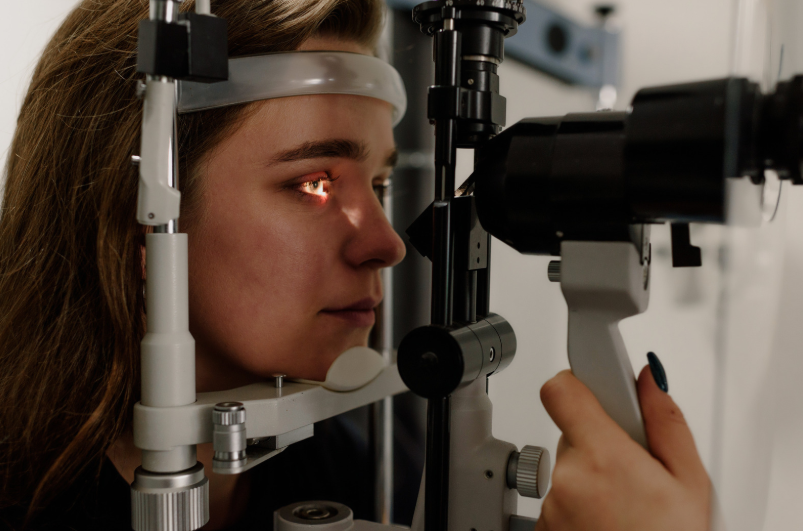
Clearer sight after cataract surgery depends on more than the procedure alone. Care at home also plays a major role, especially correct use of prescribed medication. Eye drops after cataract surgery in Bicol may help control swelling, lower infection risk, ease discomfort, and support steady healing. Each prescription plan may differ based on the patient’s eye health, surgical method, age, medical history, and response during follow-up care.
Lee Tan Eye Clinic supports patients across Bicol through careful assessment, cataract care, and personal recovery guidance. Led by Dr. Lee Tan, a board-certified ophthalmologist with advanced glaucoma fellowship training at the University of the Philippines–Philippine General Hospital, the clinic places strong value on prevention, early detection, and step-by-step eye care.
Patients should follow their own written instructions rather than copy another person’s schedule. Cataract recovery plans are not identical, even among relatives who had surgery close together.
Why Eye Drops Matter After Cataract Surgery
Cataract surgery removes the cloudy natural lens and replaces it with a clear artificial lens. Although the procedure is commonly done as outpatient surgery, the operated eye still needs time to recover. Prescription drops help support that process.
The National Eye Institute states that eye doctors give drops after cataract surgery to help the eye heal. Patients may also need an eye shield and temporary activity limits while recovery continues.
Eye drops after cataract surgery in Bicol commonly serve one or more of these purposes:
- Lower the chance of bacterial infection.
- Control redness and swelling.
- Reduce pain or light sensitivity.
- Support comfort while the eye surface recovers.
- Reduce risk linked with postoperative swelling near the retina for selected patients.
A doctor may prescribe one bottle, several bottles, or a combined preparation. Brand names, dose frequency, and treatment length can vary. The label and written medication chart should always match the ophthalmologist’s directions.
Common Types of Postoperative Eye Drops
Several medication groups may form part of cataract aftercare. A patient may receive one group or a combination based on clinical findings.
Antibiotic Drops
Antibiotic drops may be prescribed for a limited period to reduce bacterial infection risk. Treatment length depends on the surgeon’s chosen plan and the condition of the eye. Patients should never extend, shorten, or restart an antibiotic course without medical advice.
Using antibiotic drops exactly as prescribed helps maintain the planned level of protection throughout the early recovery period. Missing several doses or ending treatment early may affect the doctor’s postoperative care strategy.
Steroid Drops
Steroid drops help control postoperative swelling and irritation. Some schedules start with frequent doses, followed by a gradual reduction. That reduction is often called tapering.
Patients should follow the exact schedule provided since sudden changes may allow swelling to return. Feeling comfortable or seeing more clearly does not always mean the eye has fully recovered.
Certain patients may need closer eye-pressure checks while using steroid medication. This can be especially important for people with glaucoma or a history of pressure changes.
Nonsteroidal Anti-Inflammatory Drops
NSAID eye drops may be prescribed to manage pain, redness, or swelling after cataract surgery. Certain patients may receive them because of added concern about retinal swelling.
MedlinePlus notes that medicines such as ketorolac, nepafenac, diclofenac, and bromfenac may be used for pain or swelling after cataract surgery.
The chosen medicine, dose frequency, and treatment period depend on the ophthalmologist’s assessment. Patients should not substitute one anti-inflammatory drop for another without approval.
Lubricating Drops
Artificial tears may help dryness, grittiness, or mild surface irritation. Patients should ask their surgeon which product is suitable and whether a fresh, unopened bottle is needed.
The American Academy of Ophthalmology advises use of a new sterile bottle when lubricant drops are started after surgery.
Preservative-free artificial tears may be recommended for certain patients, especially those who have sensitive eyes or need frequent lubrication. The treating doctor should choose the most suitable option.
How Long Are Eye Drops Usually Needed?
Many patients use postoperative medication for several weeks. NHS guidance notes that drops are often needed for about four weeks to support healing and prevent infection, though the surgeon’s personal directions take priority.
Eye drops after cataract surgery in Bicol may follow a shorter or longer plan due to factors such as:
- The amount of postoperative swelling
- Diabetes
- Glaucoma
- Dry eye
- A prior eye operation
- Retinal disease
- Corneal concerns
- A complex cataract procedure
- Sensitivity or allergy to medication
Patients with glaucoma need special attention because some postoperative medicines may affect eye pressure. Existing glaucoma drops may also require review.
Dr. Tan’s glaucoma training supports careful monitoring for patients who need both cataract recovery care and long-term pressure control.
A patient should not assume that every bottle must be stopped on the same day. One medicine may be used briefly, while another may continue for several weeks with a gradual dose reduction.
How to Apply Eye Drops Correctly
Good technique helps the medicine reach the eye while keeping the bottle tip clean. The American Academy of Ophthalmology recommends tilting the head back, looking upward, gently pulling the lower lid down, and placing the drop without letting the bottle touch the eye or lashes.
Follow these steps unless the clinic gives different instructions:
- Wash hands with soap and clean water.
- Dry hands using a clean towel.
- Check the bottle name and scheduled time.
- Shake the bottle only when the label says to do so.
- Tilt the head back or lie down.
- Look upward.
- Pull the lower eyelid down gently to form a small pocket.
- Hold the bottle above the eye without touching the lashes, lid, skin, or eye surface.
- Place one drop inside the lower-lid pocket.
- Close the eye softly. Do not squeeze hard.
- Press gently near the corner beside the nose for about one minute when advised.
- Wipe extra liquid from the cheek with clean tissue.
- Close the bottle right away.
- Wash hands again when needed.
One properly placed drop is usually enough because the eye cannot hold a large amount of fluid. Extra drops may simply spill onto the cheek.
MedlinePlus advises careful handwashing before and after eye-drop use and warns patients to avoid getting soap or water directly onto the operated eye during early recovery.
Using More Than One Bottle
Some patients receive several bottles with different schedules. Rushing from one bottle to another may wash the first medicine away.
Leave a gap between different drops based on the clinic’s directions. Several hospital aftercare guides recommend roughly three to five minutes between separate medicines.
A simple written chart can help:
- Write each bottle name.
- Note the cap color.
- Record each required time.
- Place a check after every dose.
- Ask a family member to assist when hand control or eyesight makes application difficult.
- Keep the chart beside the medicine, not inside a humid bathroom.
Eye drops after cataract surgery in Bicol should never be shared with another person. A bottle prescribed for the operated eye should also not be used for an unrelated eye problem unless the ophthalmologist approves it.
Patients should confirm which bottle goes first when several products share the same scheduled time. Clear labeling may help prevent confusion, especially for older adults.
Safe Storage and Bottle Care
Storage instructions vary by product. Some bottles stay at room temperature, while others may need refrigeration. Read the pharmacy label and ask the clinic whenever the directions are unclear.
Safe handling habits include:
- Keep bottle tips clean.
- Replace each cap promptly.
- Do not wipe the tip with fingers, cloth, or tissue.
- Keep medicine away from heat and direct sunlight.
- Do not use a bottle past its expiry date.
- Do not transfer medicine to another container.
- Do not keep bottles inside a hot vehicle.
- Keep all medicines away from children.
- Report a cloudy solution, damaged seal, unusual odor, or changed color before use.
A dropped bottle should be checked for cracks or possible contamination. When the tip touches a dirty surface, ask the clinic whether a replacement is needed.
Patients travelling from another part of Bicol should carry their drops inside a clean pouch. Medication should remain protected from heat, rain, dust, and direct sunlight throughout the trip.
What Patients May Notice During Early Recovery
Mild grittiness, watering, temporary blur, light sensitivity, or slight redness may occur after surgery. These symptoms should generally become less noticeable as healing progresses.
The National Eye Institute notes that mild itchiness, discomfort, and sensitivity may occur, with improvement often starting after one or two days.
Blur may also come from pupil-dilating medicine, surface dryness, corneal swelling, or adjustment to the new lens. Vision may clear at a different pace for each person.
Eye drops after cataract surgery in Bicol can sometimes cause a brief sting, odd taste, temporary blur, or mild watering. A short-lived sensation may be expected with certain medicines.
Strong burning, facial swelling, rash, breathing trouble, or worsening redness needs prompt medical advice. Patients should write down when the reaction started and which bottle was used before the symptoms appeared.
Warning Signs That Need Urgent Eye Care
Patients should not wait for a routine follow-up when serious symptoms appear. Contact the eye surgeon or seek urgent eye care for:
- Sudden loss of sight
- Rapidly worsening blur
- Severe pain that does not improve
- Marked or growing redness
- New flashes of light
- A sudden shower of floaters
- A dark curtain or shadow across vision
- Thick or sticky discharge
- Major eyelid swelling
- Nausea or headache with severe eye pain
- An eye injury during recovery
The National Eye Institute advises immediate contact for vision loss, severe persistent pain, very red eyes, flashes, or many new floaters.
NHS guidance also treats sudden floaters, flashes, a dark curtain, or sudden blur as urgent symptoms because they may signal retinal detachment.
Severe symptoms should never be treated by adding extra eye drops without medical advice. Prompt assessment helps the ophthalmologist determine whether infection, retinal trouble, pressure changes, or another complication may be present.
Common Mistakes to Avoid
Recovery problems may happen when medication is missed, mixed up, contaminated, or stopped too early. Common errors include using the wrong bottle, touching the tip, taking several drops at once, forgetting the required gap, and changing the schedule without approval.
Other mistakes include:
- Using old drops left from a past eye problem
- Borrowing medicine from a relative
- Applying drops to the wrong eye
- Removing labels from bottles
- Storing medication beside cooking heat
- Doubling a dose after a missed application without asking
- Stopping steroid drops once the eye feels better
- Missing postoperative reviews
When a dose is forgotten, follow the clinic’s written advice or contact the clinic. Do not automatically double the next dose.
Patients should also avoid guessing based on bottle-cap color alone. Cap colors may look similar, especially when eyesight remains blurry. Reading the label or asking a caregiver to check it can reduce medication errors.
Recovery Habits That Support the Medication Plan
Drops work best as part of a complete aftercare routine. Patients may be asked to wear an eye shield, avoid rubbing, keep dirty water away from the eye, delay swimming, and pause heavy lifting or strenuous activity.
Both NEI and NHS guidance support temporary eye protection and activity limits after cataract surgery.
Helpful habits may include:
- Wear sunglasses outdoors when light feels harsh.
- Sleep with the protective shield as directed.
- Keep hands away from the operated eye.
- Use a clean cloth around the face without pressing the eye.
- Avoid eye makeup until cleared.
- Do not drive until the ophthalmologist says vision is safe.
- Attend every planned review.
- Bring all bottles and the medication chart to each visit.
Bicol’s heat, humidity, rain, road dust, and travel conditions may affect day-to-day recovery planning. Patients should keep medicines dry, cool, protected from sunlight, and easy to access during travel.
A small clean pouch can help keep bottles upright and separated from personal items. Patients travelling long distances should bring enough medication to avoid missing scheduled doses.
Special Care for Patients With Glaucoma
Cataract and glaucoma can occur together, especially among older adults. Patients already using pressure-lowering drops should not stop them unless their ophthalmologist gives clear directions.
A postoperative plan may adjust bottle timing, eye selection, or pressure checks. Patients should confirm whether regular glaucoma drops and postoperative drops need a time gap.
Eye drops after cataract surgery in Bicol may need closer review for a person with glaucoma because steroid medicines can raise eye pressure among some patients. Follow-up testing allows the doctor to check pressure, swelling, wound healing, and visual progress.
Dr. Lee Tan’s fellowship training at UP–PGH supports focused care for patients whose cataract recovery overlaps with glaucoma management. A careful plan may help protect remaining vision while the operated eye heals.
Patients should bring all glaucoma bottles to each review, even when the cataract surgery was performed only on one eye.
Why Follow-Up Visits Matter
A successful operation does not remove the need for postoperative checks. Follow-up allows the ophthalmologist to examine the surgical wound, cornea, eye pressure, artificial lens position, retinal health, and response to medication.
Patients should bring:
- Every current eye-drop bottle
- The printed schedule
- A list of missed doses
- Notes about side effects
- A list of other medicines
- Questions about work, driving, bathing, exercise, or glasses
Eye drops after cataract surgery in Bicol may be reduced, changed, or stopped after an examination. Such changes should come from the treating ophthalmologist, not from guesswork.
Follow-up appointments also give patients an opportunity to report symptoms that seem minor but have persisted. Ongoing grittiness, repeated blur, light sensitivity, or trouble applying drops should be discussed.
Cataract Aftercare at Lee Tan Eye Clinic
Lee Tan Eye Clinic provides comprehensive eye care guided by patient needs, prevention, and early action. Dr. Lee Tan completed medical education and ophthalmology residency through the University of the Philippines and UP–PGH, followed by five years of general ophthalmology practice and advanced glaucoma fellowship training.
That background supports cataract care for patients who may also have glaucoma, diabetes-related eye concerns, dry eye, or age-related visual changes. The clinic’s stepwise approach aims to preserve useful vision, reduce avoidable disability, and guide patients through each stage of recovery.
Patients seeking advice about Eye drops after cataract surgery in Bicol can receive a plan based on their own operation, eye condition, and follow-up findings.
Clear instructions, proper technique, regular reviews, and early reporting of warning signs can support safer healing. Patients should ask questions whenever the medication schedule, bottle order, treatment length, or recovery restrictions remain unclear.
Frequently Asked Questions About Eye Drops After Cataract Surgery in Bicol
How many weeks will I need postoperative drops?
Many patients use drops for several weeks, often close to four weeks, but the exact period varies. Follow the schedule given by your ophthalmologist.
One bottle may be stopped earlier than another, so each medication should be checked separately.
Can I stop the drops once my vision becomes clear?
No. Clearer sight does not always mean swelling has fully settled. Continue the prescribed course until the doctor changes the plan.
What should I do when a dose is missed?
Check the written directions or contact the clinic. Do not double the next dose unless your ophthalmologist specifically tells you to do so.
Is one drop enough?
Usually, yes. A correctly placed single drop is generally enough. More liquid often spills out rather than giving added benefit.
Why must I wait between different bottles?
A short gap helps prevent the second drop from washing away the first. Follow the timing listed on your medication chart.
Can a family member apply my drops?
Yes. A trusted family member may help, especially when hand tremors, weak grip, poor near vision, or anxiety makes application difficult. Both people should wash their hands before handling the bottle.
Can I use my regular glaucoma drops?
Do not stop regular glaucoma medicine unless the ophthalmologist says so. Bring every bottle to your cataract review so the full schedule can be checked.
Is temporary stinging normal?
A mild, brief sting may occur with some medicines. Strong pain, worsening redness, facial swelling, rash, or breathing difficulty requires prompt medical advice.
Can I reuse an old bottle of artificial tears?
Ask the surgeon first. A fresh sterile bottle may be safer after eye surgery, especially when the previous bottle has been open for some time.
What happens when the bottle tip touches my eye?
Do not wipe the tip with your fingers. Close the bottle and contact the clinic or pharmacy for advice because the tip may have become contaminated.
Should I use drops on both eyes?
Use each medicine only on the eye listed by the ophthalmologist. Some regular medicines may be needed for both eyes, while postoperative drops may be prescribed only for the operated eye.
Can I travel while using postoperative drops?
Travel may be possible after approval from the ophthalmologist. Bring enough medication, keep bottles protected from heat and dirt, and avoid missing follow-up appointments.
When should I contact Lee Tan Eye Clinic urgently?
Seek urgent help for severe pain, sudden vision loss, rapidly worsening blur, marked redness, new flashes, many new floaters, a curtain-like shadow, thick discharge, or major eyelid swelling.