Cloudy eyesight can slowly change daily life. Reading small text may feel harder. Night driving may cause more glare. Colors may look dull. Faces may seem less sharp. Many people first blame age, tired eyes, or old eyeglasses, yet cataracts may already be affecting the natural lens of the eye.
Dropless cataract surgery in Naga gives patients a chance to ask about a cataract care approach that may reduce the need for multiple eye drops after surgery. For many older adults, remembering several drop schedules can be stressful. Some patients also struggle with hand tremors, poor aim, sensitive eyes, or lack of a family member who can help with drop placement. A dropless approach may make recovery easier for properly selected patients.
Lee Tan Eye Clinic offers cataract evaluation and ophthalmology care for patients from Naga City and nearby areas across Bicol. Led by Dr. Lee Tan, a board-certified ophthalmologist with advanced Glaucoma fellowship training from UP–PGH, the clinic focuses on careful eye assessment, clear patient education, and treatment plans based on each person’s vision goals.
Dropless cataract surgery in Naga does not mean every patient will automatically avoid every eye drop after surgery. Rather, it refers to a surgical plan where medication may be placed by the eye surgeon during or near the end of the procedure to reduce the need for several post-operative drops. The safest plan depends on a complete eye check-up, overall health, medication history, and the doctor’s recommendation.
What Is Dropless Cataract Surgery?
Dropless cataract surgery is a cataract treatment approach that aims to simplify post-surgery care. Traditional cataract surgery often requires patients to use several eye drops after the procedure. These drops may help control swelling, reduce infection risk, and support comfort while the eye heals.
With dropless cataract surgery in Naga, the surgeon may place medication inside or near the eye during surgery. This medication may help provide post-operative support without requiring the same number of daily drops that some patients would otherwise need. The goal is to reduce confusion, missed doses, and difficulty with drop placement.
Patients should understand that the word “dropless” can vary based on the surgeon’s method and the patient’s eye condition. Some patients may still need a limited number of drops after surgery. Others may need extra medication if healing requires closer support. The final plan should always come from the ophthalmologist after a complete evaluation.
Dropless cataract surgery in Naga may be especially helpful for patients who find eye drops hard to manage. This can include older adults, people with arthritis, patients with shaky hands, people who live alone, or those who already use several medications daily. A simpler routine may make recovery feel less stressful.
How Cataracts Affect Daily Vision
A cataract happens when the eye’s natural lens becomes cloudy. A healthy lens helps focus light clearly. When cataracts develop, light no longer passes through as cleanly, which can cause blurry, foggy, or dim vision.
Many people describe cataract vision as looking through a dirty window. Others notice that bright light causes glare or halos. Reading may require more light than before. Night driving may become uncomfortable because headlights look too bright or scattered. Colors may lose their brightness, and white objects may appear yellowish.
Cataracts can also affect safety. Poor vision may make it harder to see steps, uneven floors, curbs, or obstacles. Older adults may feel less confident walking outside or moving around the house. Work tasks, cooking, phone use, sewing, reading medicine labels, and watching television can become frustrating.
Patients searching for dropless cataract surgery in Naga are often looking for more than a procedure. They want a clearer explanation of what is happening to their eyesight and what can be done to help restore daily comfort.
How Cataract Surgery Helps Restore Clearer Sight
Cataract surgery removes the cloudy natural lens and replaces it with a clear artificial lens called an intraocular lens, or IOL. This lens stays inside the eye permanently and does not require daily cleaning or maintenance.
The surgery is commonly performed as an outpatient procedure. This means many patients go home the same day after preparation, surgery, and recovery monitoring. The exact process, timing, and recovery plan depend on the patient’s eye condition and the surgeon’s guidance.
Dropless cataract surgery in Naga follows the same core goal as standard cataract surgery: remove the cloudy lens and replace it with a clear IOL. The difference focuses on the medication plan used to support healing afterward. Rather than relying fully on several patient-administered eye drops, the surgeon may use medication placement during surgery to reduce drop burden.
Cataract surgery can help patients see more clearly, but results depend on several factors. These include cataract severity, retina health, cornea condition, eye pressure status, dry eye, diabetes-related eye changes, and the chosen IOL. A careful eye check-up helps set realistic expectations before surgery.
Why Some Patients Ask About Dropless Cataract Surgery in Naga
Many patients worry about what happens after cataract surgery. They may feel ready to fix blurry vision but nervous about post-surgery instructions. Eye drops can be a common concern.
Some patients forget doses. Some touch the eye or eyelashes with the drop bottle by mistake. Others place drops on the cheek instead of the eye. A few patients feel burning, stinging, or anxiety when using drops. Family members may also have busy schedules, making daily support harder.
Dropless cataract surgery in Naga may offer a more manageable recovery plan for selected patients. By reducing the number of drops, it may help patients focus on rest, follow-up visits, eye protection, and basic recovery reminders.
This approach may also support patients who take several medicines for other health concerns. A person already managing tablets for blood pressure, diabetes, or other long-term conditions may find several eye drop schedules confusing. A simpler plan can help reduce mistakes.
Even so, dropless cataract surgery in Naga should never be chosen only for convenience. The ophthalmologist must confirm whether the patient’s eyes and health history make this approach appropriate.
Is Dropless Cataract Surgery Right for Everyone?
Not every patient is automatically suited for dropless cataract surgery. A full eye assessment is needed before any recommendation.
The ophthalmologist may check several factors, such as eye pressure, glaucoma risk, cataract density, cornea health, retinal status, dry eye, diabetes-related eye changes, medication allergies, current eye inflammation, and past eye surgery. These details help the doctor decide whether a dropless plan is safe and reasonable.
Patients with glaucoma or eye pressure concerns may need special care. This is where Dr. Lee Tan’s advanced Glaucoma fellowship training from UP–PGH is meaningful for cataract planning. Cataract patients with pressure-related concerns need careful screening before surgery, plus monitoring after surgery.
Dropless cataract surgery in Naga may still be possible for some patients with other eye conditions, but the decision must be individualized. A patient with diabetes, for example, may need a retinal check before surgery. A patient with dry eye may need treatment before accurate IOL measurements. A patient with glaucoma may need close eye pressure monitoring.
The safest cataract care plan is never one-size-fits-all. It should match the patient’s eyes, health background, daily needs, and healing risks.
What Happens During a Cataract Evaluation at Lee Tan Eye Clinic?
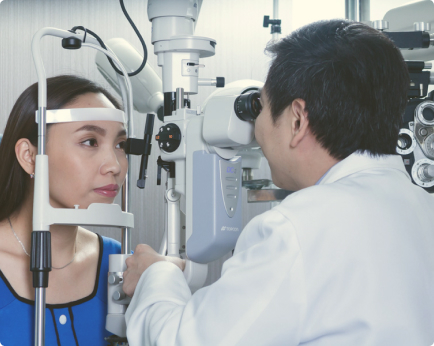
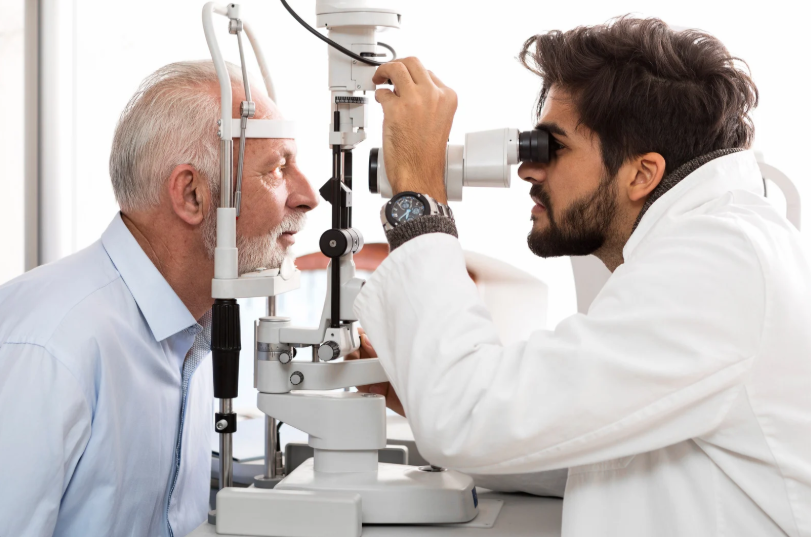
A cataract evaluation is the first step before dropless cataract surgery in Naga. This visit helps determine whether cataracts are causing the vision problem and whether surgery is already needed.
The evaluation may include a vision check, eye pressure reading, cataract grading, corneal assessment, retina review, and measurements for the artificial lens. The doctor may also ask about medical conditions, current medications, past eye surgery, allergies, work needs, hobbies, reading habits, and driving concerns.
This step matters because blurry vision does not always come from cataracts alone. Other eye conditions can cause similar symptoms. Glaucoma, diabetic eye disease, macular changes, dry eye, corneal problems, and prescription changes may also affect sight.
Lee Tan Eye Clinic focuses on explaining findings clearly so patients can make informed decisions. A patient should understand what cataracts are, how advanced the cataract is, what surgery can help with, what risks may exist, and what type of recovery plan may be recommended.
Patients asking about dropless cataract surgery in Naga can use this consultation to discuss whether a reduced-drop plan may suit their case.
Lens Choices Matter: Understanding IOL Options
During cataract surgery, the cloudy natural lens is replaced with an artificial lens. This lens is called an IOL. Choosing the right IOL is an important part of cataract surgery planning.
A monofocal IOL is commonly used to give clear focus at one main distance, often distance vision. Patients with this lens may still need reading glasses for near work. This option may suit patients who are comfortable wearing glasses for reading or phone use.
A toric IOL may be considered for patients with astigmatism. Astigmatism can blur vision because of the shape of the cornea or lens. When suitable, a toric lens may help sharpen distance vision and reduce dependence on glasses for certain tasks.
Some patients may ask about multifocal or extended-depth lenses. These lenses may reduce dependence on glasses across more than one viewing range, but they are not right for everyone. Some patients may notice glare, halos, or contrast changes. Eye health, lifestyle, and expectations must be reviewed carefully.
Dropless cataract surgery in Naga focuses on the medication plan after surgery, while IOL selection focuses on how the patient may see after the cloudy lens is removed. Both topics should be discussed before surgery.
The best lens choice depends on eye health, budget, job tasks, hobbies, night driving needs, reading habits, and overall visual goals.
Dropless Cataract Surgery Recovery: What Patients Can Expect
Recovery after cataract surgery is usually manageable, but patients must follow their doctor’s instructions. A dropless approach may reduce the number of drops, but it does not remove the need for proper care.
After dropless cataract surgery in Naga, patients may be asked to rest, avoid rubbing the eye, wear protective eyewear as advised, avoid dusty areas, and attend follow-up visits. The doctor may also give activity guidelines, such as when to return to reading, screen use, work, exercise, or driving.
Some patients notice clearer vision within a short period, while others need more time for the eye to adjust. Mild scratchiness, watery eyes, glare, or blurry vision may occur during early healing. These symptoms should improve, but patients should report severe pain, sudden vision loss, heavy redness, flashes of light, or many new floaters right away.
Dropless cataract surgery in Naga may make the medication routine simpler, but follow-up care remains essential. The ophthalmologist still needs to check healing, eye pressure, inflammation, comfort, and visual progress.
Patients should not compare healing too closely with relatives or friends. Each eye heals at its own pace, especially when other conditions such as glaucoma, diabetes, dry eye, or retinal issues are present.
Safety, Follow-Up Care, and Realistic Expectations
Cataract surgery is one of the most commonly performed eye procedures, but every surgery carries possible risks. Good outcomes depend on proper evaluation, skilled surgical care, correct IOL planning, and post-surgery monitoring.
Dropless cataract surgery in Naga should be discussed with realistic expectations. It may reduce drop burden for selected patients, but it is not a promise of zero medication, perfect vision, or faster healing for every case.
Patients with healthy eyes apart from cataracts may have different outcomes from patients with glaucoma, diabetes-related eye disease, macular problems, or corneal concerns. A patient with a dense cataract may also need a different discussion from someone with an early cataract.
Follow-up visits allow the doctor to check whether the eye is healing well. These visits also help detect concerns early. If extra drops or treatment are needed, the doctor can adjust the plan.
Lee Tan Eye Clinic’s patient-centered approach helps patients understand each step. Clear guidance can reduce fear and confusion, especially for first-time surgical patients.
Why Choose Lee Tan Eye Clinic for Cataract Care at Naga City and Bicol?
Lee Tan Eye Clinic provides cataract evaluation and ophthalmology care for patients from Naga City and the Bicol Region. The clinic is led by Dr. Lee Tan, a board-certified ophthalmologist and experienced eye surgeon with advanced Glaucoma fellowship training from the University of the Philippines–Philippine General Hospital.
Dr. Tan’s background supports careful assessment of both cataracts and eye pressure concerns. This is valuable because cataract patients may also have glaucoma risk or other eye conditions that must be checked before surgery.
Patients considering dropless cataract surgery in Naga can expect a care process that starts with proper diagnosis. The clinic does not focus only on removing cataracts. It also looks at the patient’s full eye health, vision needs, safety, and long-term visual function.
Lee Tan Eye Clinic’s care philosophy centers on preventive, personalized, and patient-focused ophthalmology. This means recommendations are based on the patient’s specific findings rather than a generic plan.
For people across Naga City and Bicol, access to cataract care close to home can make treatment easier. Travel, follow-up visits, and family support may be more manageable when care is available locally.
When Should You Have a Cataract Check-Up?
A cataract check-up is recommended when cloudy vision begins to affect daily life. You do not need to wait until vision becomes severely poor before asking for help.
Consider a cataract evaluation if reading takes more effort, driving at night feels unsafe, glare bothers you, colors look dull, eyeglasses no longer help enough, or daily tasks feel harder because of your eyesight.
Patients from Bicol searching for dropless cataract surgery in Naga may already be at the point where vision affects comfort and safety. A check-up can show whether cataracts are the cause and whether surgery is already appropriate.
Some symptoms need urgent eye care. Sudden vision loss, severe eye pain, eye injury, flashes of light, many new floaters, or redness with major vision change should be checked promptly. These may point to conditions other than cataracts and should not be ignored.
Regular eye exams are also important for older adults, people with diabetes, people with a family history of glaucoma, and those with past eye problems.
Preparing for Your Cataract Surgery Consultation
Before your visit, it can help to prepare a short list of symptoms and questions. Note when blurry vision started, which eye feels worse, whether glare affects driving, and whether reading or work has become harder.
Bring your current eyeglasses, medication list, and any previous eye records if available. Tell your doctor about diabetes, high blood pressure, allergies, past eye surgery, or current eye drops.
Patients asking about dropless cataract surgery in Naga should mention any difficulty using eye drops. This includes shaky hands, arthritis, poor aim, lack of assistance, or past problems with eye drop side effects. These details may help the doctor decide whether a reduced-drop plan is worth considering.
The consultation is also a good time to discuss IOL options. Patients who drive often, read for long periods, work on screens, or want less dependence on glasses should share these goals with the doctor.
Good preparation helps the visit become more productive and helps the doctor create a plan that fits the patient’s actual needs.
Life After Cataract Surgery
Clearer vision can make daily life feel easier. Many patients look forward to reading with less strain, seeing faces more clearly, moving around with better confidence, and enjoying brighter colors again.
After dropless cataract surgery in Naga, patients should still protect the eye and follow recovery instructions. Healing is a process. Even when vision improves quickly, the eye still needs time to recover.
Family support can also help. A companion may assist with transportation, reminders, meal preparation, or follow-up visits during early recovery. Patients who live alone should ask the clinic what support may be helpful after surgery.
Long-term eye care remains important after cataract surgery. Cataracts do not return once the cloudy natural lens has been removed, but other eye conditions can still develop. Regular eye check-ups help monitor eye pressure, retina health, dry eye, and overall vision.
Dropless Cataract Surgery in Naga and Patient Comfort
Many patients feel nervous before any eye procedure. This is normal. Fear often comes from not knowing what to expect. Clear explanations can make the process feel less stressful.
Dropless cataract surgery in Naga may appeal to patients who want a simpler post-surgery routine, but comfort begins before surgery. Patients need to know what cataracts are, why surgery is recommended, what will happen during the procedure, how the IOL works, and what recovery may feel like.
Lee Tan Eye Clinic supports patients through careful consultation and practical guidance. The goal is to help each patient make a confident decision based on accurate eye findings and realistic expectations.
For some patients, the best plan may be dropless cataract surgery. For others, standard cataract surgery with eye drops may be more suitable. The right choice depends on the eye doctor’s evaluation.
Choosing a Trusted Ophthalmologist for Cataract Surgery
Cataract surgery should be handled by a qualified ophthalmologist who can assess more than the cataract itself. The eye is a complex organ, and several conditions can affect the final result.
A trusted ophthalmologist checks the cataract, eye pressure, cornea, retina, medical history, and lens measurements before recommending surgery. This complete view helps reduce avoidable problems and supports better planning.
Patients looking for dropless cataract surgery in Naga should choose a clinic that explains both benefits and limits. A responsible eye doctor will not promise that dropless surgery is perfect for everyone. Instead, the doctor will explain whether it matches the patient’s eye condition and recovery needs.
Lee Tan Eye Clinic brings together cataract care, glaucoma awareness, and patient-centered guidance for people at Naga City and across Bicol. This makes the clinic a reliable choice for patients who want clear answers before deciding on surgery.
Frequently Asked Questions About Dropless Cataract Surgery in Naga
Does dropless cataract surgery mean I will not need any eye drops?
Not always. Dropless cataract surgery may reduce the number of drops needed after surgery, but some patients may still need extra drops based on healing, comfort, eye pressure, or other eye conditions. Your ophthalmologist will explain the plan after checking your eyes.
Is dropless cataract surgery safe?
Dropless cataract surgery may be safe for properly selected patients, but it is not automatically right for everyone. Safety depends on eye health, medication choice, allergy history, surgical planning, and follow-up care.
Who may benefit from dropless cataract surgery in Naga?
Patients who have trouble remembering eye drop schedules, placing drops correctly, or managing several medications may ask about dropless cataract surgery in Naga. Older adults, patients with hand tremors, or those living alone may also find a reduced-drop plan helpful if approved by the ophthalmologist.
Can patients with glaucoma have cataract surgery?
Many patients with glaucoma or glaucoma risk can have cataract surgery, but they need careful assessment. Eye pressure should be checked before and after surgery. Dr. Lee Tan’s advanced Glaucoma fellowship training supports detailed evaluation for patients with pressure-related concerns.
How long does cataract surgery take?
The surgical portion is often brief, but the total visit includes preparation, anesthesia drops, monitoring, and recovery time. Your doctor will explain what to expect based on your case.
Will cataract surgery remove my need for glasses?
This depends on the IOL selected, your eye health, and your visual goals. Some patients still need glasses for reading or certain tasks. Others may reduce dependence on glasses with certain lens options, if suitable.
Can cataracts come back after surgery?
The removed cloudy natural lens does not grow back. Some patients may later develop cloudiness behind the lens implant, called posterior capsular opacification. This can often be treated with a laser procedure if needed.
Where can I ask about dropless cataract surgery in Naga?
Patients from Naga City and nearby Bicol communities can visit Lee Tan Eye Clinic for cataract evaluation. Dr. Lee Tan can check your eyes, explain lens choices, discuss recovery options, and determine whether dropless cataract surgery in Naga may suit your condition.