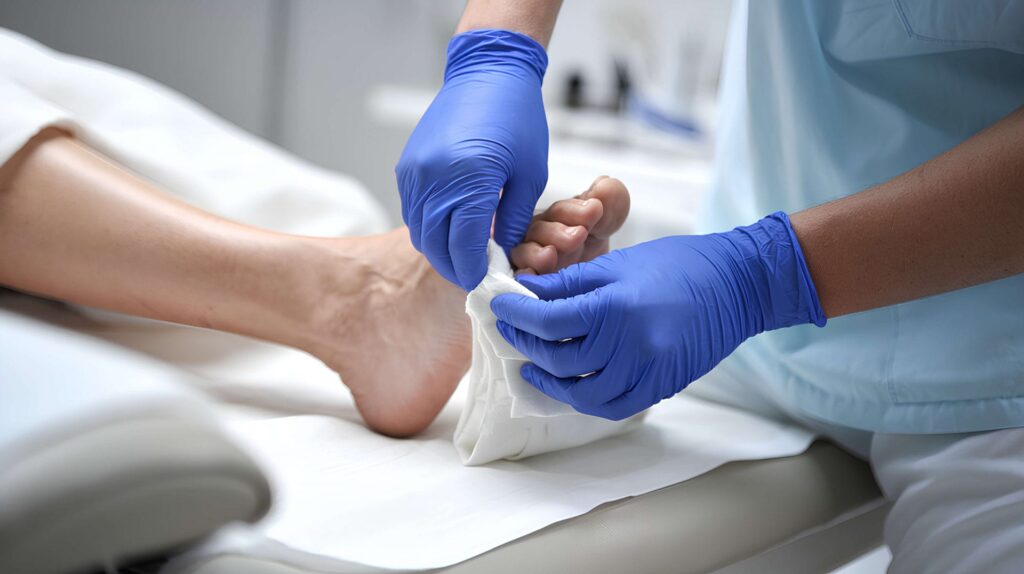
Proper wound care is essential for preventing infections, accelerating healing, and improving quality of life. Many chronic wounds, such as diabetic ulcers, pressure sores, and venous ulcers, require specialized treatment to remove dead tissue and promote recovery. Wound debridement Philippines provides an effective solution for patients who need professional care and advanced medical technology to restore health and comfort. Kalingap Wound Care Clinic in Quezon City offers both advanced therapies and compassionate, patient-centered care, ensuring that individuals receive treatment tailored to their needs.
What is Wound Debridement?
Wound debridement is the process of removing dead, damaged, or infected tissue from a wound to help it heal more efficiently. The presence of non-viable tissue can slow recovery, increase infection risk, and prolong discomfort. Proper debridement encourages new tissue growth, reduces complications, and allows other wound treatments to work effectively.
There are several methods used in wound debridement. Surgical debridement involves precise removal of tissue by a healthcare professional, while enzymatic and mechanical debridement use chemical agents or physical methods to clean the wound. Ultrasonic debridement, a minimally invasive technique, uses high-frequency sound waves to gently remove dead tissue while preserving healthy cells. Patients in need of professional wound care often benefit from combining these methods with advanced therapies such as negative pressure wound therapy. Choosing a clinic that offers multiple options ensures the right approach for each patient.
Who Needs Wound Debridement?
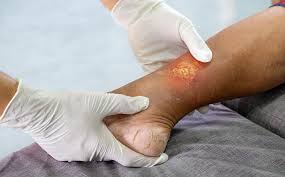
Not all wounds require debridement, but chronic or complicated wounds often do. Patients with diabetic ulcers, pressure sores, venous ulcers, or wounds that do not heal naturally may require professional intervention. Individuals with weakened immunity or underlying health conditions are particularly vulnerable to infection and slower recovery.
Kalingap Wound Care Clinic emphasizes a holistic approach, treating both the wound and the patient as a whole. Proper assessment considers underlying conditions, nutrition, and lifestyle factors to ensure optimal healing. Emotional support and patient education are also key components of the clinic’s approach, allowing patients to actively participate in their recovery.
Methods of Wound Debridement at Kalingap
Ultrasonic Debridement
Ultrasonic debridement is a modern technique that removes non-viable tissue gently and efficiently using high-frequency sound waves. This method promotes faster healing, reduces the risk of infection, and minimizes discomfort for patients. Ultrasonic debridement is especially effective for diabetic foot ulcers, chronic wounds, and wounds with biofilm buildup. Patients in Metro Manila seeking wound debridement Philippines benefit from this minimally invasive approach, which is safe and precise.
Negative Pressure Wound Therapy
Negative pressure wound therapy (NPWT) involves using a vacuum-assisted device to remove fluid, decrease swelling, and stimulate new tissue growth. NPWT accelerates healing, reduces hospital stays, and improves overall outcomes for patients with complex wounds. At Kalingap, NPWT is applied by trained healthcare professionals who ensure the treatment is comfortable, safe, and customized to each patient’s condition.
Traditional and Other Methods
Surgical and mechanical debridement remain essential options for certain wounds that require immediate or more aggressive removal of tissue. These methods are effective for large or heavily infected wounds. Kalingap’s healthcare team carefully evaluates each patient to determine the most appropriate method for their wound type and overall health. Combining traditional methods with advanced therapies ensures comprehensive care.
Why Choose Kalingap Wound Care Clinic
Kalingap Wound Care Clinic is a trusted provider of wound debridement Philippines, offering care that is both advanced and compassionate. The clinic combines evidence-based medical practices with a distinctly Filipino approach that emphasizes family, community, and genuine care.
Kalingap addresses not only the wound but also underlying health conditions, which is particularly important for patients with diabetes, vascular issues, or compromised immunity. Affordable and accessible services ensure that more individuals in Quezon City and Metro Manila can receive professional wound care without financial strain. Community outreach programs and patient education initiatives further support the clinic’s mission to make wound care inclusive and patient-centered.
The Healing Process
The healing journey begins with a comprehensive assessment to determine the type and severity of the wound. Once the appropriate debridement method is selected, advanced therapies such as ultrasonic debridement or negative pressure wound therapy are applied to promote healing. Follow-up care ensures that the wound continues to improve, underlying conditions are managed, and complications are prevented.
Kalingap emphasizes emotional support and patient education throughout the healing process. Patients learn how to care for their wounds at home, maintain hygiene, and make lifestyle adjustments that aid recovery. This holistic approach helps individuals regain independence, confidence, and dignity during the healing journey.
Tips for Patients Before and After Debridement
Proper preparation before wound debridement can improve outcomes. Patients should maintain good nutrition, hydration, and hygiene, as well as manage underlying health conditions such as diabetes.
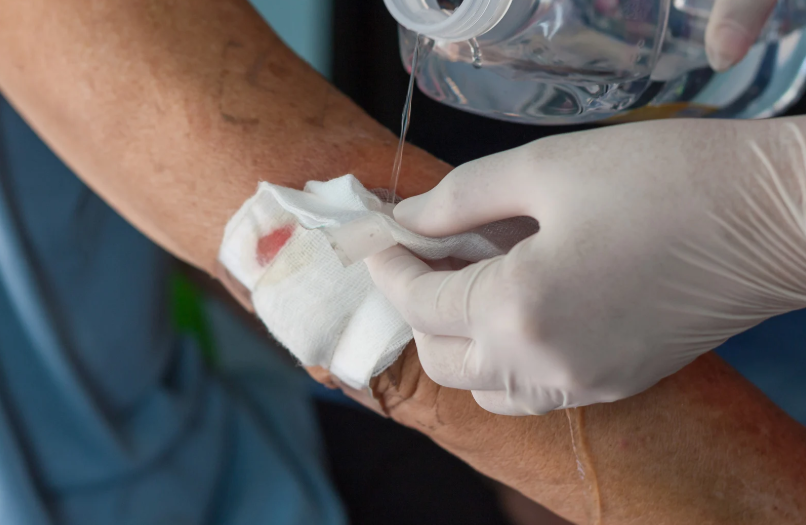
After debridement, it is important to follow care instructions carefully. Regular wound cleaning, monitoring for signs of infection, and attending follow-up appointments are critical steps. Patients are encouraged to seek support from healthcare providers and family members, which reinforces Kalingap’s focus on holistic, community-centered care.
Lifestyle adjustments, including quitting smoking, managing blood sugar, and avoiding pressure on the affected area, help ensure long-term healing. By combining medical treatment with daily care practices, patients can experience faster recovery and fewer complications.
Takeaway
Wound debridement is a critical component of chronic wound care, ensuring faster healing, preventing infections, and improving quality of life. Patients seeking professional care in the Philippines can rely on Kalingap Wound Care Clinic for wound debridement Philippines. The clinic combines advanced medical techniques with compassionate, patient-focused care that respects Filipino values of family, nurturing, and community support.
Scheduling a consultation with Kalingap ensures that every patient receives personalized care tailored to their wound type and overall health. With advanced therapies, affordable options, and dedicated healthcare professionals, Kalingap is committed to helping patients heal safely, comfortably, and effectively.
Frequently Asked Questions (FAQs)
Is wound debridement painful?
Wound debridement can cause some discomfort, but modern techniques such as ultrasonic debridement minimize pain. Kalingap ensures patients receive careful, compassionate care throughout the procedure.
How long does healing take after debridement?
Healing time varies depending on the wound type, size, and underlying health conditions. Chronic wounds may require multiple sessions and follow-up treatments for optimal results.
Is wound debridement affordable in Metro Manila?
Kalingap Wound Care Clinic offers accessible and affordable options for patients seeking wound debridement Philippines, including community programs and flexible payment plans.
What is the difference between ultrasonic and traditional debridement?
Ultrasonic debridement uses sound waves to gently remove dead tissue, while traditional methods may involve surgical or mechanical removal. Ultrasonic techniques are minimally invasive and reduce discomfort.
Who should consider negative pressure wound therapy?
Patients with chronic, large, or slow-healing wounds often benefit from NPWT. It promotes tissue regeneration, decreases fluid buildup, and supports faster recovery.