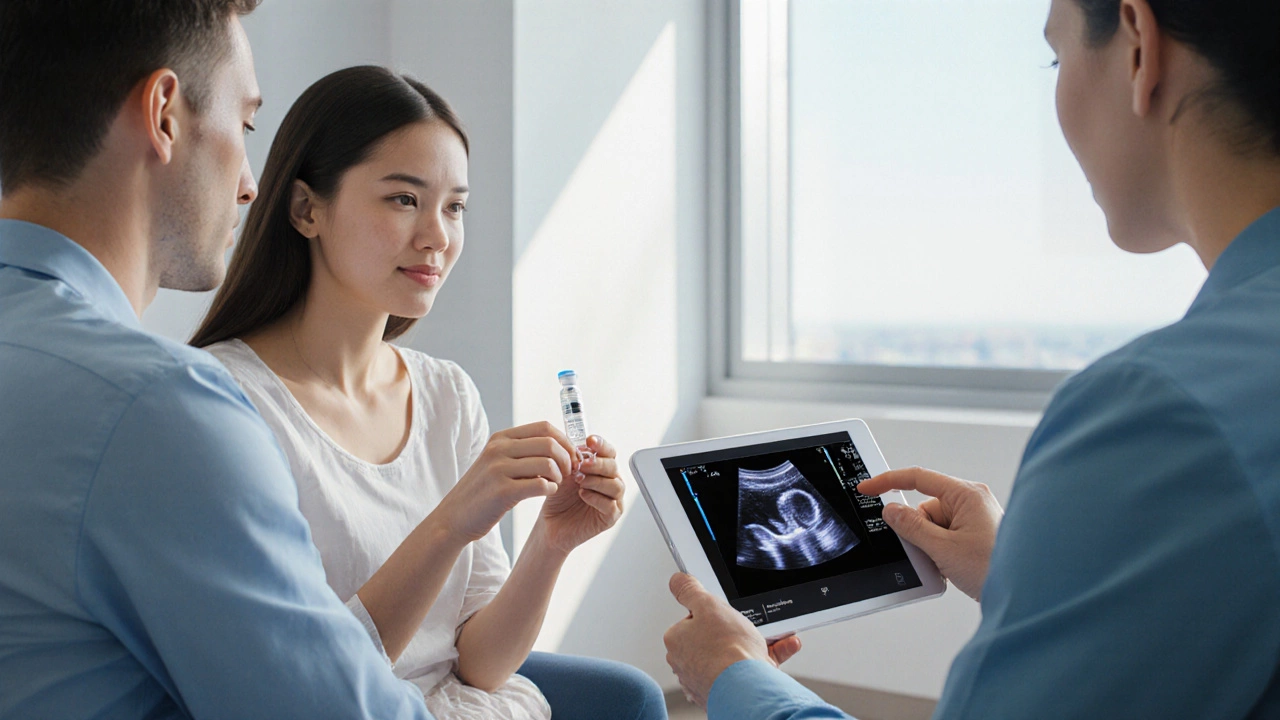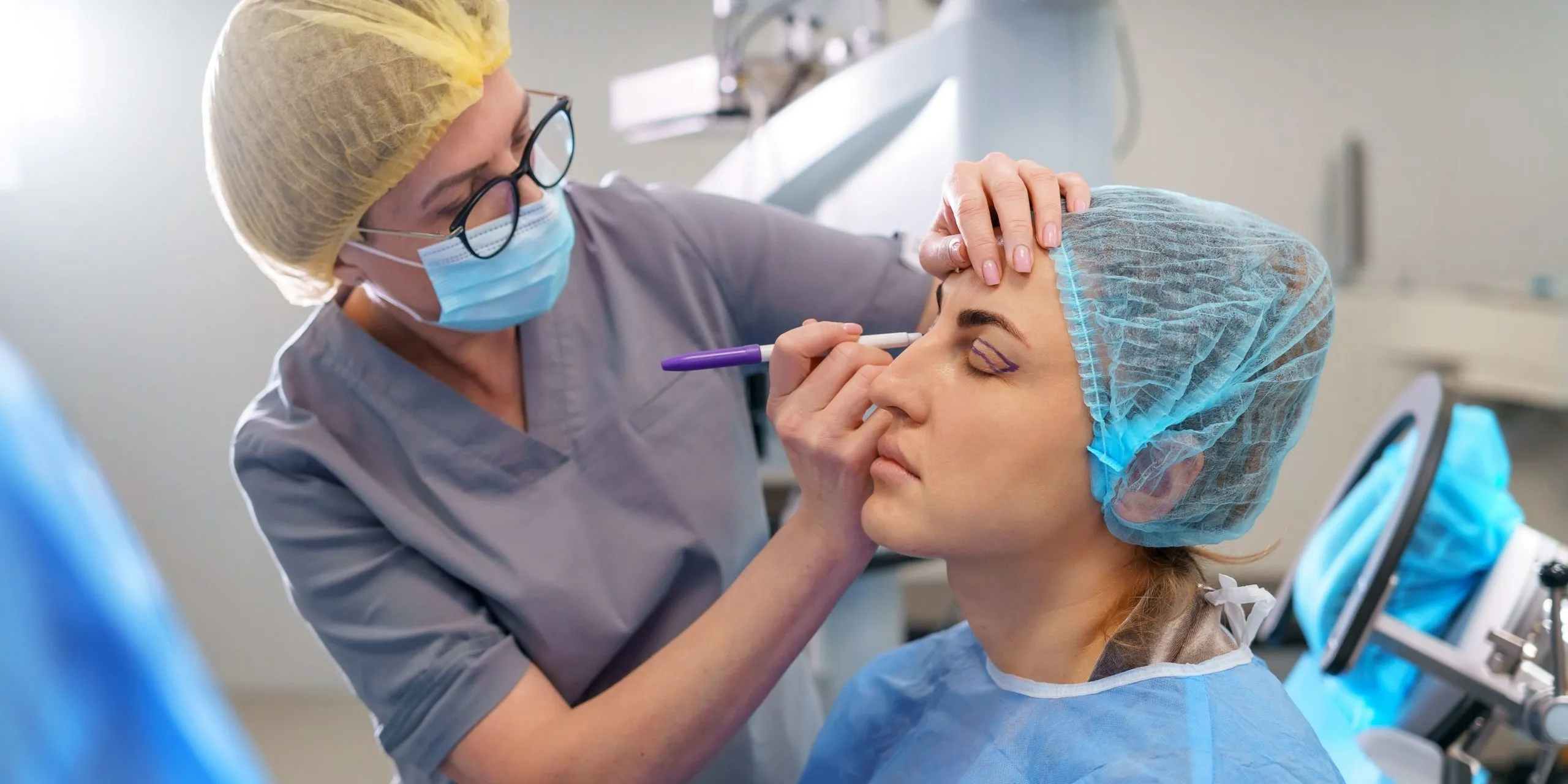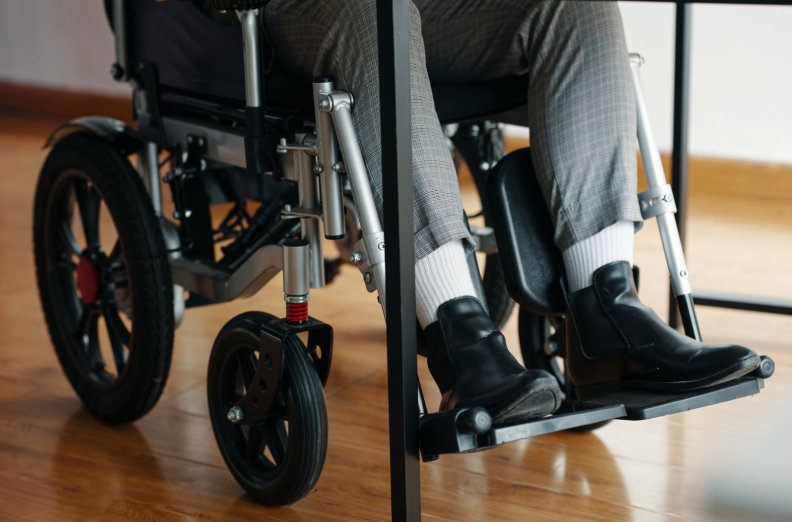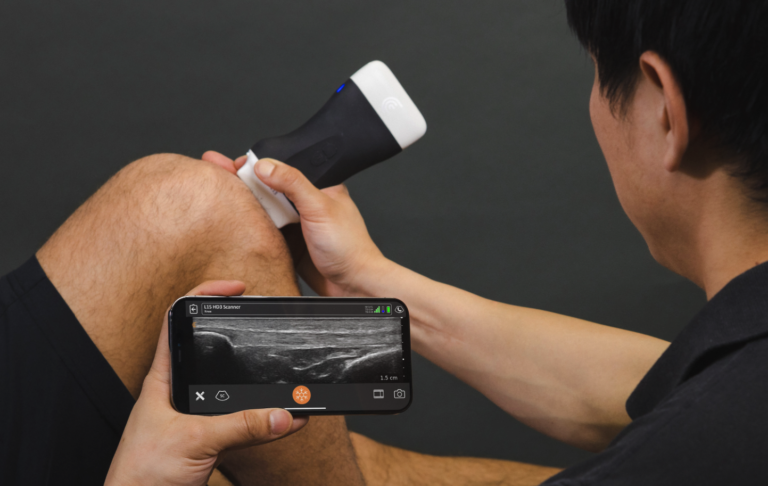

A wound care nurse is a specialized healthcare professional who focuses on assessing, treating, and managing a wide range of wounds. Unlike general nurses who provide broader patient care, wound care nurses have advanced training in wound healing techniques and preventive care strategies. They work with patients suffering from chronic wounds, surgical wounds, diabetic ulcers, pressure injuries, and traumatic wounds. Their expertise ensures wounds heal efficiently while reducing complications like infections or delayed recovery. Wound care nurses also play a vital role in educating patients and caregivers about proper wound management, hygiene, and lifestyle adjustments that support healing. They collaborate closely with physicians, surgeons, physical therapists, and other healthcare providers to create individualized care plans. Their work is crucial in improving patient outcomes and enhancing quality of life for those dealing with persistent or complex wounds.
Responsibilities and Daily Duties
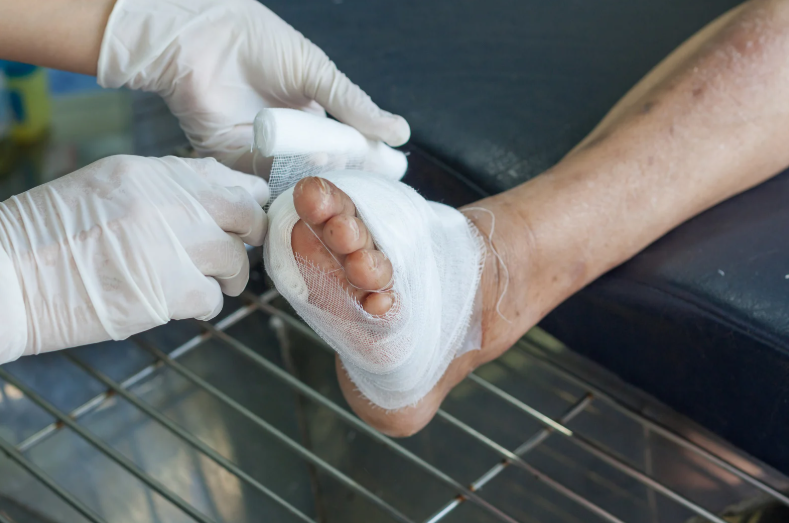
Wound care nurses are responsible for a variety of tasks that ensure wounds heal effectively and safely. They assess the severity and type of wound, identifying signs of infection, poor circulation, or other complications. Daily duties often include cleaning and dressing wounds, applying specialized treatments, and monitoring healing progress. They develop personalized wound care plans based on patient needs, medical history, and type of wound. Patient education is a significant part of their work, teaching proper hygiene, nutrition, and techniques to prevent further injury. Collaboration with healthcare teams ensures that any changes in the patient’s condition are addressed promptly. They also document progress meticulously, keeping accurate records for ongoing treatment and insurance purposes.
Required Education and Certifications
To become a wound care nurse, a registered nurse (RN) license is required, typically obtained through a nursing degree such as an Associate’s or Bachelor of Science in Nursing (BSN). After becoming a licensed nurse, additional certifications in wound care are highly recommended to develop specialized expertise. Certifications like Wound, Ostomy, and Continence Nurse (WOCN) or Certified Wound Specialist (CWS) provide advanced knowledge in wound management techniques. Continuing education is essential because wound care practices evolve with new research, technology, and evidence-based protocols. Nurses may also attend workshops, conferences, and online courses to refine their skills. Hospitals and healthcare organizations often support professional development to maintain high standards of patient care. Pursuing certifications can also lead to career advancement and higher earning potential.
Essential Skills and Qualities
A wound care nurse needs a combination of technical skills, critical thinking, and personal qualities to succeed. They must be proficient in wound assessment, cleaning, dressing, and infection control techniques. Critical thinking helps them decide the most effective treatment plan for each patient. Effective communication is essential, as they need to educate patients and collaborate with doctors and other medical staff. Compassion and empathy ensure patients feel supported during sometimes painful or stressful treatments. Attention to detail is crucial for monitoring subtle changes in wounds that could indicate complications. They also need time management skills to handle multiple patients efficiently while maintaining high-quality care. Adaptability allows wound care nurses to stay updated with the latest treatment protocols and technologies.
Common Types of Wounds Managed
Wound care nurses treat a wide variety of wounds, each requiring specialized attention and techniques. Acute wounds, like surgical incisions or traumatic cuts, need careful monitoring to prevent infection and promote fast healing. Chronic wounds, such as diabetic foot ulcers or venous leg ulcers, require long-term management and specialized care. Pressure ulcers, often found in immobile or elderly patients, demand meticulous prevention and treatment strategies. Burns, skin grafts, and post-surgical wounds also fall under their expertise. Some wounds are complicated by underlying conditions like poor circulation, diabetes, or immune disorders, making treatment more challenging. Proper assessment and documentation are essential for tracking healing progress and adjusting care as needed.
Wound Care Procedures and Technologies
Modern wound care combines advanced procedures, technologies, and evidence-based practices. Negative pressure wound therapy (NPWT) uses suction to promote faster healing by removing excess fluids and stimulating tissue growth. Hyperbaric oxygen therapy enhances oxygen supply to damaged tissues, accelerating repair. Wound care nurses also use advanced dressings, antiseptics, and topical treatments tailored to each wound type. Infection prevention techniques, such as proper hand hygiene and sterile dressing changes, are critical. Electronic wound documentation allows nurses to track progress, set reminders, and share information with the healthcare team. Some facilities use telehealth to monitor wounds remotely, enabling timely interventions and reducing hospital visits. Staying informed about emerging wound care technologies allows nurses to provide the best possible treatment.
Challenges in Wound Care Nursing
Wound care nursing can be highly demanding due to the complexity of wounds and patient needs. Non-healing wounds are particularly challenging, often requiring multiple interventions and extended care periods. Emotional strain is common, as nurses work with patients experiencing pain, frustration, or fear. Time management is critical, especially in hospitals or clinics with high patient volumes. Wound care nurses must continuously update their knowledge to keep pace with new treatment methods and guidelines. Coordination with multiple healthcare professionals adds another layer of responsibility. Dealing with infections or complications requires quick problem-solving skills. Despite these challenges, wound care nursing is highly rewarding because of its direct impact on patient health and recovery.
Career Opportunities and Work Settings
Wound care nurses have diverse career options across healthcare settings. Hospitals, outpatient clinics, long-term care facilities, and home healthcare services employ specialized wound care nurses. Some nurses focus on education, training new nurses in wound care techniques. Others work in research, developing new treatments, dressings, and technologies. Management roles are available for experienced nurses overseeing wound care programs and teams. The demand for wound care nurses continues to grow due to an aging population and increased prevalence of chronic conditions like diabetes. Career advancement often comes with higher responsibility, specialized certifications, and opportunities for teaching or consultancy. Work settings vary, but all allow nurses to make a significant difference in patient recovery and overall healthcare outcomes.
Benefits of Having a Wound Care Nurse
Having a dedicated wound care nurse benefits patients and healthcare providers alike. Patients experience faster and more effective healing, reducing pain and discomfort. Proper wound management prevents complications, lowering hospital readmissions and additional medical costs. Nurses provide valuable education, helping patients and families maintain proper wound care at home. Timely interventions can prevent infections and promote overall health. Wound care nurses enhance healthcare efficiency by coordinating with medical teams and ensuring consistent treatment. They also support preventive measures, such as pressure relief techniques and lifestyle modifications. Overall, their expertise improves the quality of life for patients dealing with complex or chronic wounds.
Patient Tips for Working with a Wound Care Nurse
Effective collaboration with a wound care nurse can accelerate healing and improve outcomes. Patients should communicate openly about any pain, discomfort, or changes in their wounds. Following prescribed care routines at home, including dressing changes and hygiene practices, is essential. Monitoring and reporting any unusual symptoms, such as redness, swelling, or discharge, ensures timely intervention. Patients should understand treatment timelines and realistic expectations, knowing some wounds may take weeks or months to heal. Proper nutrition, hydration, and lifestyle adjustments support recovery. Asking questions and actively engaging in education sessions enhances understanding and compliance. Building trust with the wound care nurse encourages more effective care and faster healing.
Frequently Asked Questions
Q1: What is the difference between a wound care nurse and a general nurse?
A1: Wound care nurses specialize in assessing, treating, and managing wounds using advanced techniques, while general nurses provide broader medical care without specialized wound management training.
Q2: How long does it take to become a certified wound care nurse?
A2: After obtaining an RN license, nurses can pursue certifications like WOCN or CWS, which typically require additional coursework, clinical hours, and exams, taking several months to a year.
Q3: Are wound care nurses only for hospital patients?
A3: No, wound care nurses also work in outpatient clinics, long-term care facilities, and home healthcare, helping patients manage wounds outside of hospital settings.
Q4: What types of wounds can be treated at home under a wound care nurse’s guidance?
A4: Chronic wounds, pressure ulcers, surgical incisions, diabetic foot ulcers, and minor traumatic wounds can often be managed at home with professional guidance.
Q5: How often should a wound be monitored or dressed?
A5: The frequency depends on the wound type and severity; some wounds require daily dressing changes, while others may be monitored several times a week.
Takeaway
Wound care nurses are indispensable in modern healthcare, providing specialized care that accelerates healing, prevents complications, and improves patient quality of life. Their expertise, education, and compassionate approach make them essential partners for patients and families navigating complex wound treatment. Patients benefit not only from faster recovery but also from education and guidance that empower them to manage their health effectively. With growing demand, advanced technologies, and opportunities for professional growth, the field of wound care nursing continues to be both rewarding and impactful.