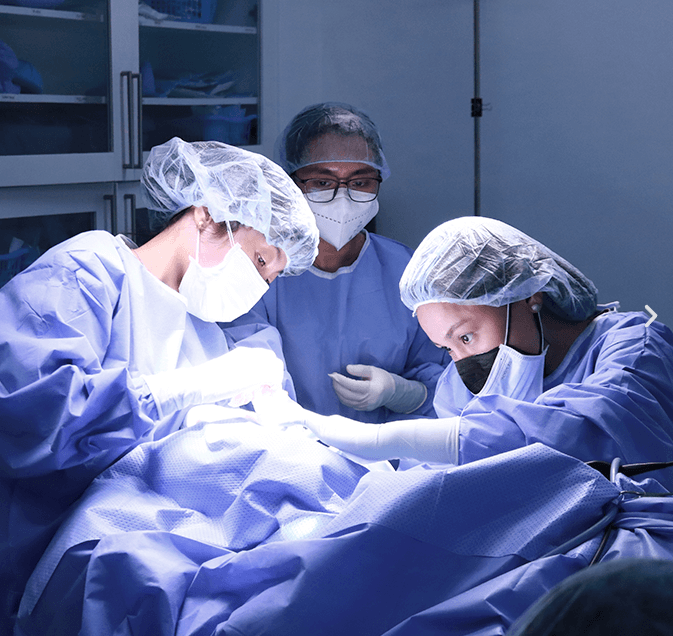
Orchidopexy is a surgical procedure designed to correct undescended testicles, a condition medically known as cryptorchidism. This condition occurs when one or both testicles fail to descend into the scrotum during infancy or early childhood. If left untreated, undescended testicles can increase the risk of infertility, testicular cancer, and other complications later in life. Early evaluation and treatment are crucial for ensuring proper development, long-term health, and peace of mind for families. The Specialist Surgery and Cancer Center (TSSCC) in Quezon City provides safe, precise, and patient-focused Orchidopexy services, helping children achieve the best possible outcomes.
Orchidopexy is widely recognized as the standard surgical solution for this condition. At TSSCC, experienced pediatric surgeons perform the procedure using advanced techniques that promote healing, minimize discomfort, and prevent complications. Families from Metro Manila and surrounding areas trust the center for its commitment to affordable, high-quality care that supports both children and their caregivers.
What is Orchidopexy?
Orchidopexy is a procedure that repositions an undescended testicle into the scrotum and secures it to prevent future displacement. This surgery is generally performed on children between six months and two years of age, although older children and even adults may undergo the procedure if necessary.
The main goal of Orchidopexy is to correct the position of the testicle to ensure normal growth, function, and hormone production. Proper placement also makes it easier to monitor testicular health and reduces the risk of potential complications. During the procedure, surgeons carefully handle the testicle, freeing any tissues that may be preventing descent and anchoring it within the scrotum. Orchidopexy can be performed as a minimally invasive procedure, depending on the location of the testicle, which supports faster recovery and minimal scarring.
Orchidopexy is not only a physical correction but also plays a role in emotional and psychological health, especially as children grow older. Correcting the condition early helps children avoid potential self-consciousness, enhances confidence, and allows parents to feel assured about their child’s long-term well-being.
Causes and Risk Factors for Undescended Testicles
Undescended testicles can result from several factors, including premature birth, genetic influences, or hormonal imbalances during fetal development. Boys born before 37 weeks of gestation have a higher likelihood of experiencing cryptorchidism, as testicular descent may not occur fully in premature infants. Family history can also play a role, with some boys inheriting a predisposition for the condition.
Hormonal or anatomical issues may interfere with the natural descent of testicles. For instance, insufficient testosterone levels during pregnancy can affect the testicles’ movement into the scrotum. Certain syndromes or congenital conditions may also be associated with undescended testicles.
Early medical evaluation is important for identifying these risk factors and planning treatment. Parents and caregivers are encouraged to schedule a consultation with pediatric surgeons at TSSCC if they notice any abnormalities. Proper care and timely Orchidopexy help prevent complications such as testicular torsion, infertility, and increased cancer risk.
Symptoms and Diagnosis
Parents may notice that one or both testicles are missing from the scrotum, particularly during routine diaper changes or physical examinations. The testicle may be located in the groin or abdomen, or it may move in and out of the scrotum. Some children may not display obvious symptoms, making it essential to have regular check-ups during infancy and early childhood.
Doctors diagnose undescended testicles through physical examination, sometimes combined with imaging tests such as ultrasound or MRI. These tools help determine the exact location of the testicle and identify any anatomical issues that may affect treatment. Accurate diagnosis is critical for planning a successful Orchidopexy procedure.
The specialists at TSSCC evaluate each child individually, taking into account age, overall health, and the position of the testicle. This careful approach ensures that the procedure is both safe and effective, allowing children to recover quickly and with minimal risk of complications.
How Orchidopexy is Performed
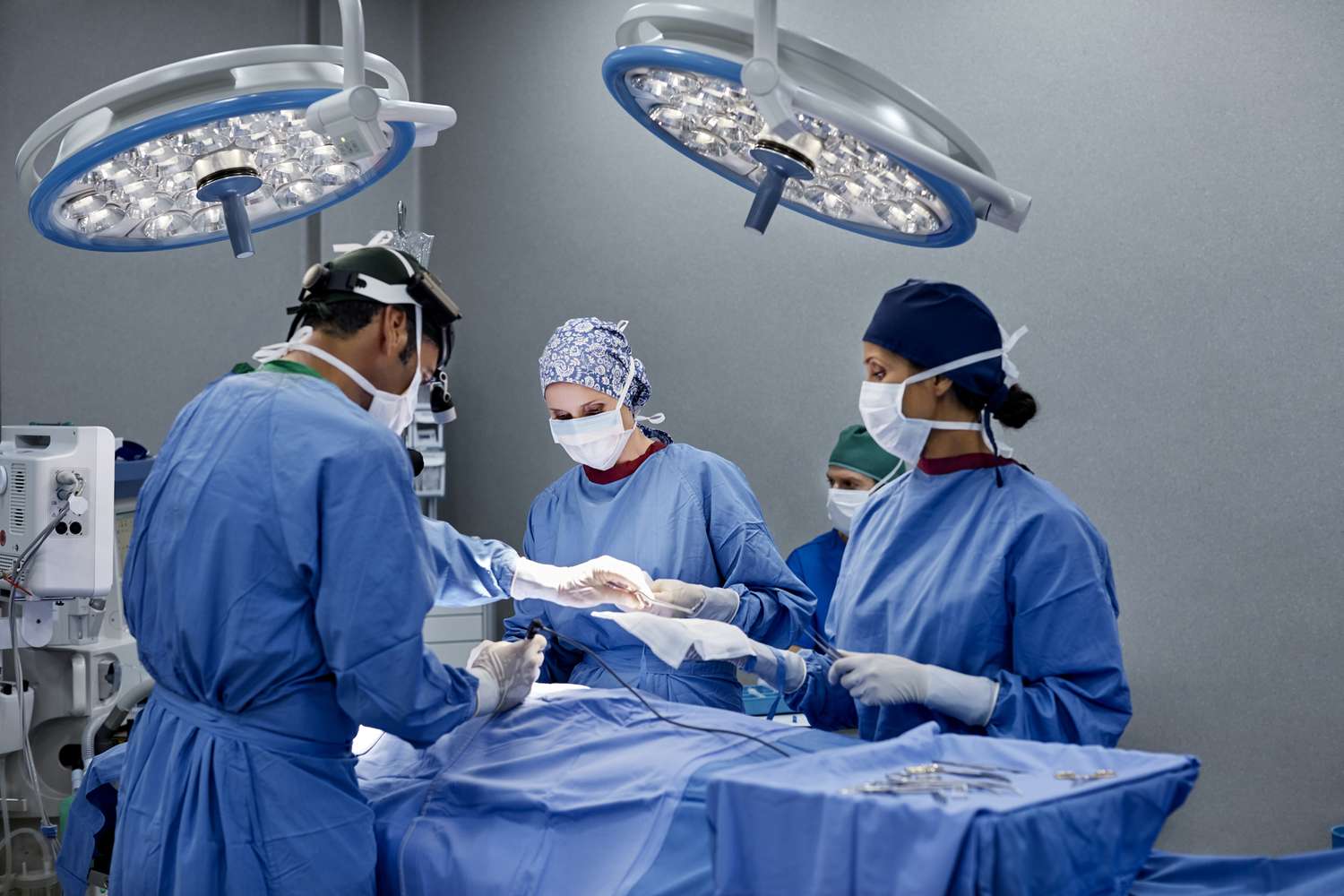
Orchidopexy is typically performed under general anesthesia to ensure comfort and safety for young patients. The procedure begins with careful preparation, including sterile cleaning and monitoring of vital signs. Surgeons make a small incision in the groin or scrotum to access the undescended testicle.
Once the testicle is located, any tissue preventing proper descent is gently released. The testicle is then guided into the scrotum and secured in place with sutures to prevent movement. If both testicles are undescended, surgeons may perform bilateral Orchidopexy in the same session.
Minimally invasive techniques, such as laparoscopic Orchidopexy, may be used if the testicle is located higher in the abdomen. This approach involves smaller incisions, less pain, and faster recovery. Surgeons at TSSCC prioritize careful handling of tissues to maintain blood supply and support healthy testicular function.
After surgery, patients are monitored until fully awake and stable. Parents receive instructions for home care, including pain management, activity limitations, and follow-up appointments to ensure proper healing. Orchidopexy at TSSCC is performed with a focus on patient comfort, safety, and long-term success.
Benefits of Orchidopexy
Orchidopexy provides multiple benefits for children with undescended testicles. One of the most important advantages is the reduction of long-term health risks. Correct placement of the testicle lowers the chances of testicular cancer and improves the potential for normal fertility in adulthood.
The procedure also helps prevent complications such as testicular torsion, which occurs when the testicle twists on its blood supply, causing severe pain and potentially permanent damage. Orchidopexy ensures that the testicle remains in the correct position, allowing for routine monitoring and early detection of any issues.
Orchidopexy also supports physical and emotional development. Children benefit from normal appearance and function, while parents gain reassurance that their child’s condition has been effectively addressed. The procedure can be life-changing, preventing future discomfort and medical complications while promoting confidence and well-being.
Recovery and Aftercare
Recovery from Orchidopexy is typically straightforward, especially when performed using minimally invasive techniques. Most children return home on the same day, making it an outpatient-friendly procedure. Postoperative care includes keeping the incision area clean, monitoring for swelling or signs of infection, and managing mild pain with prescribed medications.
Children should avoid strenuous activities for several weeks to allow proper healing. Follow-up visits with the surgeon are essential to ensure that the testicle remains in the correct position and that healing progresses as expected.
Parents are encouraged to observe their child closely and contact the surgical team at TSSCC if they notice unusual swelling, redness, or discomfort. The center’s focus on personalized care and follow-up support helps families feel confident throughout the recovery process.
Who Needs Orchidopexy?
Orchidopexy is recommended for children diagnosed with undescended testicles, usually between six months and two years of age. Early treatment is essential to prevent complications and support normal growth and function.
Children whose testicles do not descend naturally or who have previously failed conservative management are ideal candidates for Orchidopexy. In some cases, older children or adults with undescended testicles may also require the procedure to correct anatomical issues or address fertility concerns.
Parents are encouraged to seek professional evaluation promptly. Timely Orchidopexy can make a significant difference in health outcomes and reduce the risk of long-term complications.
Why Choose The Specialist Surgery & Cancer Center
The Specialist Surgery & Cancer Center offers experienced pediatric surgeons who specialize in Orchidopexy. The center provides affordable, high-quality care in a patient-friendly environment, making it accessible to families in Quezon City, Metro Manila, and surrounding areas.
TSSCC focuses on outpatient procedures that allow children to recover comfortably at home while minimizing exposure to hospital-acquired infections. The center’s approach emphasizes personalized attention, short waiting times, and clear communication with parents throughout the treatment journey. Families can trust TSSCC for expert surgical care that prioritizes safety, comfort, and long-term health.
Takeaway
Orchidopexy is a safe and effective solution for children with undescended testicles. Early evaluation, timely treatment, and skilled surgical care are key to achieving the best outcomes. The Specialist Surgery & Cancer Center in Quezon City provides compassionate, patient-focused care with experienced surgeons, affordable treatment, and comprehensive follow-up support. Families can trust TSSCC to guide them through every step of the Orchidopexy process, ensuring comfort, safety, and long-term health for their children.
Frequently Asked Questions
Is Orchidopexy safe for children?
Yes, Orchidopexy is a safe and well-established procedure when performed by experienced pediatric surgeons. Complications are rare, and careful follow-up ensures proper healing.
At what age should Orchidopexy be performed?
The ideal age for Orchidopexy is between six months and two years. Early treatment improves outcomes, supports fertility, and reduces the risk of complications.
How long is recovery after Orchidopexy?
Most children recover within a few weeks. Mild swelling or discomfort may occur, but outpatient procedures allow children to return home the same day. Parents receive detailed instructions for postoperative care.
Does Orchidopexy affect fertility?
Early and successful Orchidopexy can significantly improve fertility potential. Correcting undescended testicles ensures proper function and development of reproductive tissues.
Can adults have Orchidopexy?
While it is most commonly performed in children, adults with undescended testicles may undergo Orchidopexy for anatomical correction or fertility-related concerns.
How do parents know if a child needs Orchidopexy?
A physical examination by a pediatric surgeon is the most reliable method to determine the need for Orchidopexy. Parents should seek evaluation if a testicle cannot be located in the scrotum.