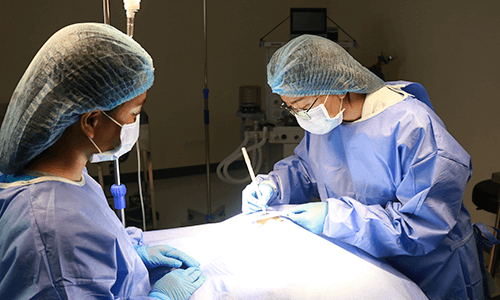
Puncture wounds can appear minor at first, but they carry significant risks if left untreated. These types of wounds often result from nails, animal bites, or sharp objects that penetrate deep into the skin. Proper care is essential to prevent infections, abscesses, and chronic complications. Kalingap Wound Care Clinic in Quezon City provides professional Puncture Wound Care with advanced medical treatment and compassionate service grounded in Filipino values of kalinga (care) and lingap (nurture). Patients across Metro Manila trust the clinic for expert assessment, treatment, and long-term support for wound healing.
Kalingap Wound Care Clinic focuses on both immediate treatment and long-term recovery. Every patient receives personalized care designed to address the specific causes and severity of their puncture wounds. This approach helps prevent complications and ensures that the healing process proceeds efficiently and safely.
What is a Puncture Wound?
Puncture wounds occur when a pointed object penetrates the skin and underlying tissues. Common causes include stepping on nails, being bitten by animals, handling sharp tools, or accidental injuries from machinery. Unlike cuts or abrasions, puncture wounds can introduce bacteria deep into tissue, making them more susceptible to infection. Patients may experience pain, swelling, redness, and sometimes bleeding that appears minor on the surface but masks deeper tissue damage.
Complications from untreated puncture wounds can include infection, abscess formation, delayed healing, and in severe cases, tetanus or systemic infection. Chronic wounds can develop if proper care is not administered, particularly for patients with diabetes, compromised immunity, or poor circulation. Professional Puncture Wound Care addresses both the immediate injury and the long-term prevention of complications, which is why early treatment is crucial.
Why Professional Puncture Wound Care Matters
Treating puncture wounds at home without medical guidance can be risky. Home remedies often fail to remove foreign material completely or address infection risk effectively. Professional Puncture Wound Care ensures proper cleaning, assessment, and treatment that reduces complications. Clinics like Kalingap Wound Care Clinic provide patients with care that is both medically advanced and compassionate, reflecting Filipino values of kalinga and lingap.
Early professional care minimizes the risk of infections, prevents deep tissue damage, and supports faster healing. Clinicians can determine if the wound requires advanced interventions such as debridement or negative pressure wound therapy (NPWT), which cannot be performed safely at home. Proper treatment also educates patients and caregivers on maintaining wound hygiene, ensuring recovery continues safely outside the clinic.
Meet the Specialist – Dr. Lou Mervyn Tec
Dr. Lou Mervyn Tec is a board-certified orthopedic surgeon and Certified Wound Specialist with extensive experience in treating puncture wounds, chronic wounds, and infected injuries. He has completed advanced training in Japan and Australia and holds a strong academic background from the University of the Philippines. Dr. Tec applies precise, evidence-based medical care while leading a team dedicated to patient-first service.
Patients receiving Puncture Wound Care under Dr. Tec benefit from his expertise in techniques such as ultrasonic-assisted debridement and negative pressure wound therapy. These approaches promote rapid healing, reduce infection risk, and support tissue regeneration for deep and complex wounds. Dr. Tec emphasizes personalized treatment, ensuring that every patient’s specific wound type, health condition, and lifestyle are considered.
Puncture Wound Care Services at Kalingap Wound Care Clinic
Advanced Wound Assessment
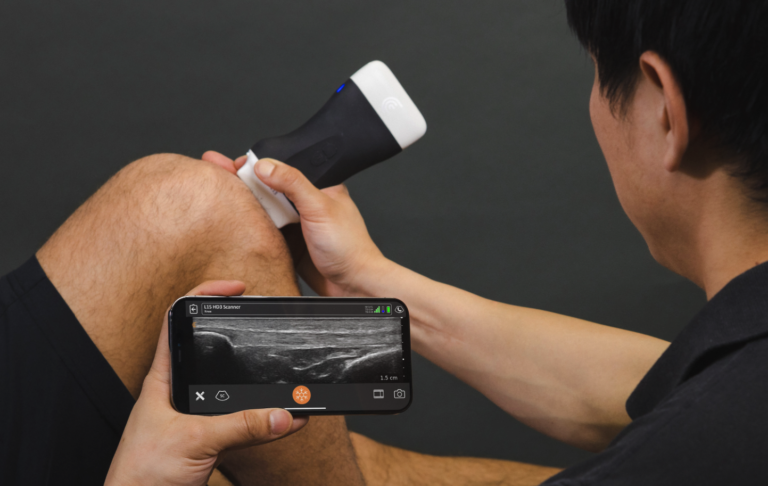
Proper assessment is the first step in effective Puncture Wound Care. The clinic performs a detailed evaluation of each wound, examining its depth, size, and any underlying tissue damage. Clinicians identify the presence of foreign objects, signs of infection, and potential complications. This careful evaluation allows for targeted treatment plans tailored to individual patients.
Debridement Services
Debridement involves the safe removal of dead tissue, debris, and any foreign material from the wound. This step is crucial for preventing infection and promoting faster healing. At Kalingap Wound Care Clinic, debridement is performed with precision and care, minimizing discomfort while ensuring that the wound environment supports regeneration and recovery.
Negative Pressure Wound Therapy (NPWT)
Negative pressure wound therapy is a modern technique used in Puncture Wound Care for deep or complex injuries. NPWT applies controlled vacuum pressure to the wound, which helps draw out fluid, reduce swelling, and stimulate tissue growth. This method accelerates healing and reduces the risk of infection, especially for puncture wounds that extend into deep tissue layers.
Infection Control and Management
Infections are among the most serious complications of puncture wounds. Kalingap Wound Care Clinic prioritizes early intervention, providing immediate treatment for infected wounds. This may include antibiotics, wound cleaning, and monitoring to prevent systemic infection. Rapid infection control is essential to avoid prolonged recovery and additional complications.
Pressure Ulcer and Decubitus Ulcer Treatment
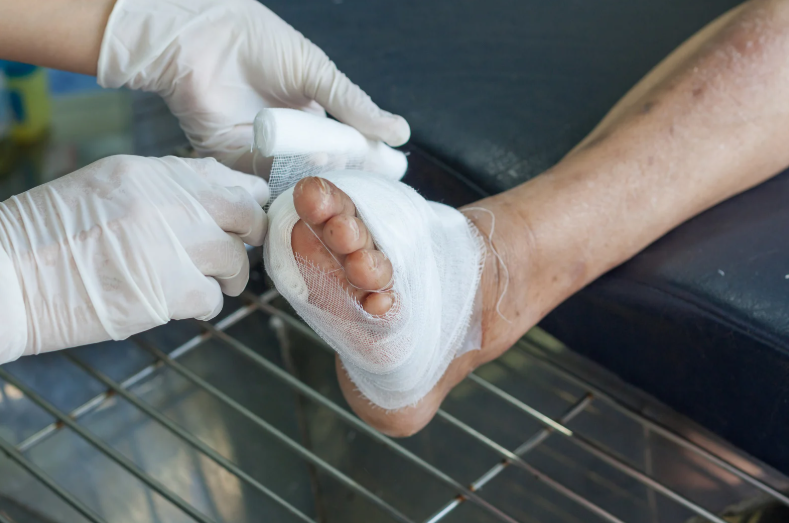
Some patients with puncture wounds may also have pressure ulcers or secondary injuries, particularly if they are bedridden or elderly. Kalingap Wound Care Clinic offers specialized care for these patients, combining Puncture Wound Care with treatments for chronic pressure-related injuries. This integrated approach supports overall healing and improves patient comfort and mobility.
Chronic Wound Management
Chronic wounds can develop if puncture wounds are left untreated or if underlying conditions like diabetes impair healing. The clinic provides ongoing care to manage chronic wounds and prevent recurrence. Regular monitoring, wound cleaning, and targeted therapies ensure that patients experience long-term recovery and maintain healthy skin integrity.
Education and Prevention Programs
Kalingap Wound Care Clinic also empowers families and caregivers with knowledge about proper wound care. Patients and their support systems learn how to clean wounds safely, recognize early signs of infection, and support recovery at home. This education is an essential part of comprehensive Puncture Wound Care, reducing the likelihood of complications and improving overall outcomes.
Tips for Puncture Wound Prevention and Home Care
Preventing puncture wounds starts with awareness and safety. Wearing proper footwear, handling sharp objects carefully, and keeping work areas clean can reduce the risk of injury. Immediate care for minor puncture wounds includes washing the area with clean water, applying antiseptic, and covering the wound with a sterile dressing. Seeking professional Puncture Wound Care is essential if the wound is deep, bleeding heavily, or shows signs of infection such as redness, swelling, or pus.
Patients with chronic conditions, such as diabetes, or those with weakened immune systems should take extra precautions. Prompt medical care ensures proper assessment and treatment before serious complications develop.
Why Choose Kalingap Wound Care Clinic
Kalingap Wound Care Clinic provides patients with advanced medical treatment and compassionate care for puncture wounds. The clinic is known for its modern techniques, expert staff, and patient-centered approach. By combining expertise with Filipino values, the clinic creates a supportive environment where patients feel cared for throughout their healing journey. The Quezon City location is accessible for residents across Metro Manila, making professional Puncture Wound Care convenient and reliable.
Patients trust Kalingap Wound Care Clinic not only for immediate wound treatment but also for education and guidance that prevent future injuries. The clinic’s integrated approach ensures that every patient receives complete care for faster healing and lasting recovery.
FAQs About Puncture Wound Care
How long does a puncture wound take to heal?
Healing time depends on the depth and severity of the wound, overall health, and promptness of treatment. Shallow wounds may heal within a week, while deep or infected wounds can take several weeks or months. Professional Puncture Wound Care can significantly reduce recovery time.
Can puncture wounds become chronic?
Yes, untreated or poorly managed puncture wounds can develop into chronic wounds. Factors like diabetes, infection, and poor circulation increase the risk. Continuous care from a specialized clinic can prevent chronic complications.
What is negative pressure wound therapy, and how does it help?
Negative pressure wound therapy uses controlled vacuum pressure to remove excess fluid, reduce swelling, and stimulate tissue growth. It is particularly effective for deep puncture wounds, accelerating healing and reducing the risk of infection.
When should I see a doctor for a puncture wound?
Seek professional care if the wound is deep, caused by a dirty or rusty object, shows signs of infection, or if the patient has a chronic condition. Immediate treatment ensures proper healing and reduces complications.
Is Puncture Wound Care different for elderly or bedridden patients?
Yes, elderly or bedridden patients may have additional risks like pressure ulcers or slower healing. Kalingap Wound Care Clinic provides specialized care tailored to these patients, integrating puncture wound treatment with chronic wound management.
Can home care alone heal a puncture wound?
Home care is essential for minor wounds but cannot replace professional assessment and treatment for deep, infected, or chronic puncture wounds. Professional Puncture Wound Care ensures proper cleaning, infection control, and long-term recovery.
What preventive measures can reduce puncture wound risk?
Proper footwear, careful handling of sharp objects, workplace safety, and hygiene are essential. Education on wound care and early treatment further reduces risks.