Vision is one of the most important senses, and inflammation inside the eye can quickly affect it if left untreated. Uveitis is a condition that causes inflammation of the uvea, the middle layer of the eye, but it can also impact surrounding eye structures. Symptoms such as red eyes, eye pain, sensitivity to light, floaters, and blurred vision may indicate the presence of this condition. Uveitis Treatment aims to reduce inflammation, prevent complications, and preserve vision. Prompt care can make a significant difference in outcomes, particularly for chronic or recurring cases.
Uveitis can affect anyone, regardless of age or health status. It may be caused by infections, autoimmune diseases, or other underlying medical conditions. Effective Uveitis Treatment addresses both the symptoms and the underlying cause, ensuring patients regain comfort and maintain their eyesight. Advanced care centers like Peregrine Eye and Laser Institute provide comprehensive solutions for uveitis patients through expert medical attention and state-of-the-art technology.
Understanding Uveitis
What Is Uveitis?
Uveitis is an inflammatory condition affecting the uvea, which includes the iris, ciliary body, and choroid. The uvea plays a crucial role in supplying blood to the eye and maintaining its function. When inflammation occurs, it can result in discomfort, impaired vision, and complications if left untreated. Uveitis Treatment focuses on relieving inflammation and preventing long-term damage.
Symptoms of uveitis can vary depending on severity and location within the eye. Common signs include red eyes, pain, increased sensitivity to light, floaters, and blurred vision. Some patients may notice sudden onset of these symptoms, while others may experience gradual changes. Proper diagnosis is essential for determining the most appropriate Uveitis Treatment plan.
Causes of Uveitis
Uveitis may develop for several reasons. Infections caused by bacteria, viruses, fungi, or parasites can trigger inflammation inside the eye. Autoimmune diseases such as lupus and rheumatoid arthritis can also play a role by causing the body’s immune system to attack its own tissues, including the eyes. In certain cases, trauma or other eye conditions may lead to uveitis.
Understanding the cause of uveitis is critical for successful Uveitis Treatment. Steroids are commonly used to control inflammation, but if an infection is responsible, antibiotics or antiviral medications become essential. This dual approach ensures that inflammation is managed while addressing the root cause, reducing the risk of recurrence and protecting vision over time.
Why Early Treatment Matters
Delaying care for uveitis increases the risk of chronic inflammation and permanent vision loss. Untreated uveitis can lead to complications such as glaucoma, cataracts, macular edema, or retinal damage. These complications can affect central vision, daily activities, and overall quality of life.
Early intervention through Uveitis Treatment allows doctors to control inflammation before it causes irreversible damage. Regular eye examinations are essential for detecting subtle changes in the eye, particularly in patients with autoimmune conditions or a history of recurrent eye inflammation. Early treatment not only protects vision but also reduces discomfort and improves daily functioning.
Uveitis Treatment Options
Medication-Based Care
The cornerstone of Uveitis Treatment is medication that reduces inflammation and addresses the underlying cause. Corticosteroids are commonly prescribed to manage inflammation. They may be administered as eye drops, oral medications, or injections, depending on the severity of the condition. Steroids work by calming the immune response and relieving pain, redness, and swelling.
For cases where infection is the root cause of uveitis, antibiotics, antivirals, or antifungals are necessary. Administering the correct antimicrobial agent is crucial to prevent worsening of the condition and preserve vision. Doctors determine the most suitable medication based on diagnostic tests and patient history, ensuring Uveitis Treatment is both safe and effective.
Monitoring and Follow-Up
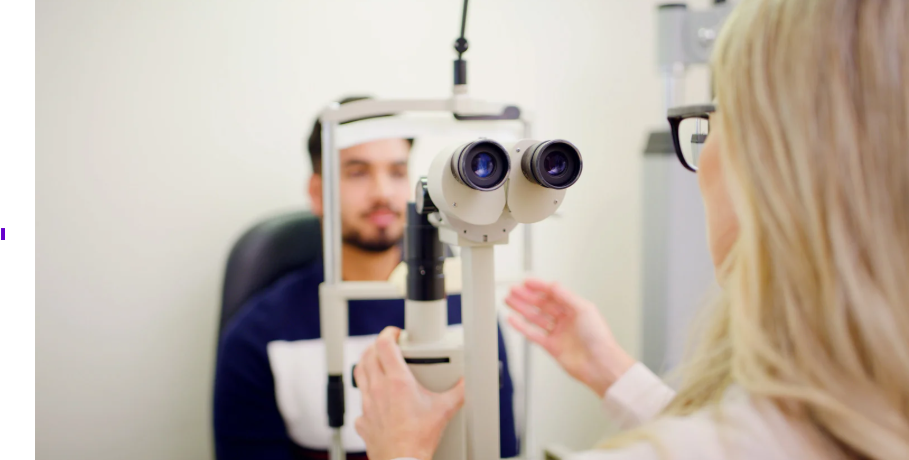
Effective Uveitis Treatment does not end with initial medication. Regular monitoring allows ophthalmologists to track progress, adjust medications, and prevent recurrence. Eye exams, imaging, and laboratory tests are part of a comprehensive follow-up plan. Patients benefit from a coordinated approach where specialists work together to provide long-term care.
At Peregrine Eye and Laser Institute, monitoring is paired with patient education. Doctors guide patients on recognizing early warning signs of flare-ups and provide instructions for medication adherence. This proactive approach helps maintain stable eye health and ensures Uveitis Treatment delivers lasting results.
Advanced Care at Peregrine Eye and Laser Institute
Peregrine Eye and Laser Institute offers world-class solutions for Uveitis Treatment. With clinics located in Makati, Manila, and Quezon City, patients have access to specialized ophthalmologists with training from institutions such as Harvard Medical School, Johns Hopkins University, and the Singapore National Eye Center. The team brings decades of experience in diagnosing and managing complex eye conditions.
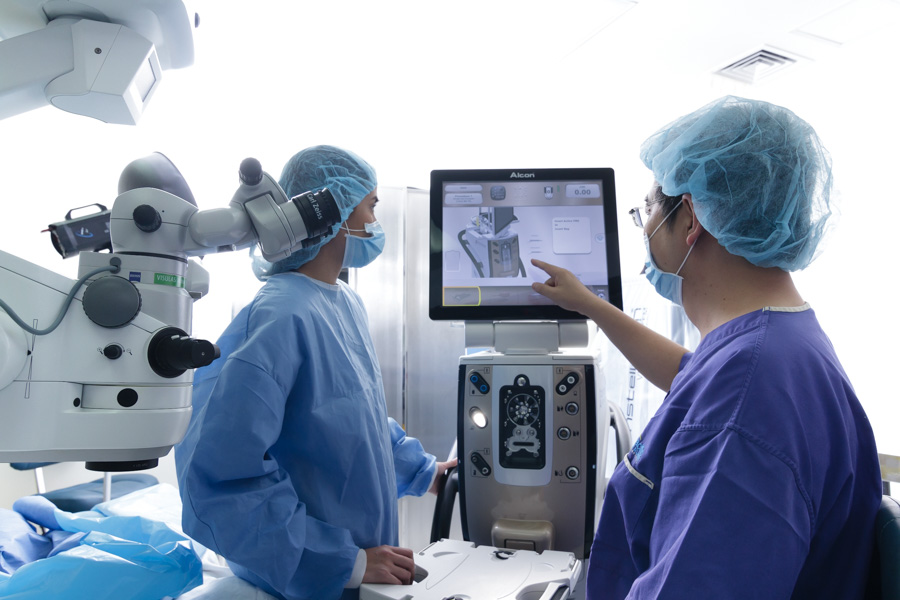
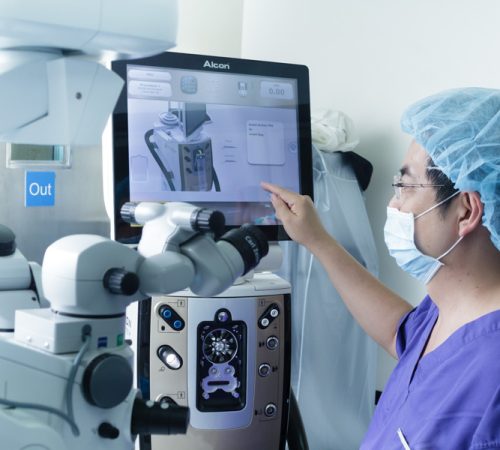
State-of-the-art diagnostic equipment, modern operating theaters, and advanced surgical tools enhance the accuracy and effectiveness of Uveitis Treatment. Patients receive tailored treatment plans that consider their unique medical history, lifestyle, and personal needs. The combination of expertise, technology, and compassionate care ensures the highest standard of treatment and support.
Patient Experience at Peregrine Eye and Laser Institute
Patient comfort and understanding are integral to successful Uveitis Treatment. Peregrine Eye and Laser Institute emphasizes a personalized approach, providing clear information and options for patients to make informed decisions about their care. Clinics are designed to be welcoming and efficient, supporting both medical and emotional well-being.
All staff undergo continuous training to maintain high standards in medical knowledge, technical skill, and patient communication. This ensures every patient receives timely attention and compassionate guidance. By prioritizing patient experience, Peregrine Eye and Laser Institute creates an environment where effective Uveitis Treatment can thrive.
Preventing Recurrence and Protecting Vision
Long-term eye health requires vigilance even after inflammation subsides. Patients undergoing Uveitis Treatment benefit from lifestyle adjustments, regular eye check-ups, and adherence to prescribed medications. Recognizing early signs of flare-ups, such as sudden redness or blurred vision, allows timely intervention and prevents chronic complications.
Doctors may also recommend strategies to strengthen overall eye health, including managing autoimmune conditions, maintaining a balanced diet, reducing eye strain, and protecting eyes from injury. These measures support Uveitis Treatment outcomes and help maintain vision over the long term.
Takeaway
Uveitis Treatment is essential for protecting vision, relieving discomfort, and preventing long-term complications. Prompt diagnosis, proper medication, and ongoing monitoring form the foundation of effective care. Advanced centers like Peregrine Eye and Laser Institute provide comprehensive solutions, combining medical expertise, modern technology, and patient-centered support. Patients who seek timely care for uveitis can maintain eye health and enjoy a higher quality of life.
FAQ – Uveitis Treatment
What is uveitis?
Uveitis is inflammation of the uvea, the middle layer of the eye, which can cause red eyes, eye pain, light sensitivity, floaters, and blurred vision.
What causes uveitis?
Uveitis may be caused by infections, autoimmune conditions like lupus or rheumatoid arthritis, trauma, or other eye diseases.
How is uveitis treated?
Treatment usually involves steroids to reduce inflammation and antibiotics or antivirals for infection-related cases. Regular monitoring is critical to prevent recurrence.
Can uveitis cause permanent vision loss?
Yes, untreated or chronic uveitis can lead to complications such as glaucoma, cataracts, or retinal damage, which may result in permanent vision loss.
Why choose Peregrine Eye and Laser Institute for uveitis care?
Peregrine offers specialized ophthalmologists, advanced diagnostic and surgical equipment, personalized treatment plans, and clinics in Makati, Manila, and Quezon City, ensuring effective Uveitis Treatment for all patients.
How can patients prevent uveitis from recurring?
Following prescribed medications, attending regular eye exams, monitoring early warning signs, and maintaining overall eye health help reduce the risk of recurrence.