A severe wound checkup plays a crucial role whenever a person experiences deep tissue damage, persistent pain, or a wound that refuses to heal as expected. Many individuals underestimate how quickly a minor injury can progress, especially when factors such as diabetes, poor circulation, or infection take hold. A structured assessment from a qualified wound care team greatly reduces risks and gives patients a clear path toward recovery. Severe wounds demand careful evaluation, and a dedicated checkup can prevent complications that may affect mobility, comfort, or long-term health.
The goal of a severe wound checkup goes beyond a simple visual inspection. It allows a specialist to examine tissue condition, potential infection, and underlying causes that delay healing. This process supports every patient’s safety, confidence, and recovery timeline.
What Defines a Severe Wound and Why Proper Checkups Are Critical
A severe wound is any type of injury where tissue damage extends beyond superficial layers or when natural healing slows down, stops, or worsens. These wounds may appear large, deep, or irregular, and they often show signs of infection or circulation issues. A severe wound checkup helps identify the true extent of the injury, something that cannot be accurately measured at home.
Common forms of severe wounds include lacerations from accidents, large abrasions, pressure sores, diabetic ulcers, burns, and chronic wounds that have been ignored or treated incorrectly. A severe wound checkup becomes essential once swelling, redness, foul odor, or prolonged pain appears. Once tissue begins to deteriorate, bacteria multiply rapidly. A structured checkup stops the spread of damage, supports faster healing, and reduces the risk of long-term complications.
Delays often lead to tissue necrosis, deeper infection, or trauma that becomes harder to treat. A timely severe wound checkup keeps patients safe and ensures that any underlying medical condition is managed early.Signs That You Need a Severe Wound Checkup Immediately
Knowing when to seek a severe wound checkup can protect a person from unnecessary discomfort or developing complications over time. Some wounds deteriorate silently, without obvious symptoms at first, and this makes professional evaluation even more important.
Common signs that require a severe wound checkup include:
- Continuous or worsening pain
- Fever or chills that may indicate infection
- Discoloration such as black or dark red patches
- Fluid discharge, especially if thick or foul-smelling
- Excessive swelling or warmth around the area
- Wound edges that pull apart instead of closing
- Lack of improvement after several days
- Numbness or reduced sensation around the wound
Even small wounds on high-risk individuals, such as patients with diabetes or poor circulation, can escalate quickly. A severe wound checkup ensures that symptoms are addressed early. Minor wounds can turn severe when bacteria enter deeper layers or when a person’s immune system struggles to battle infection. Medical assessment prevents minor concerns from turning into emergencies.
What Happens During a Severe Wound Checkup at a Professional Clinic
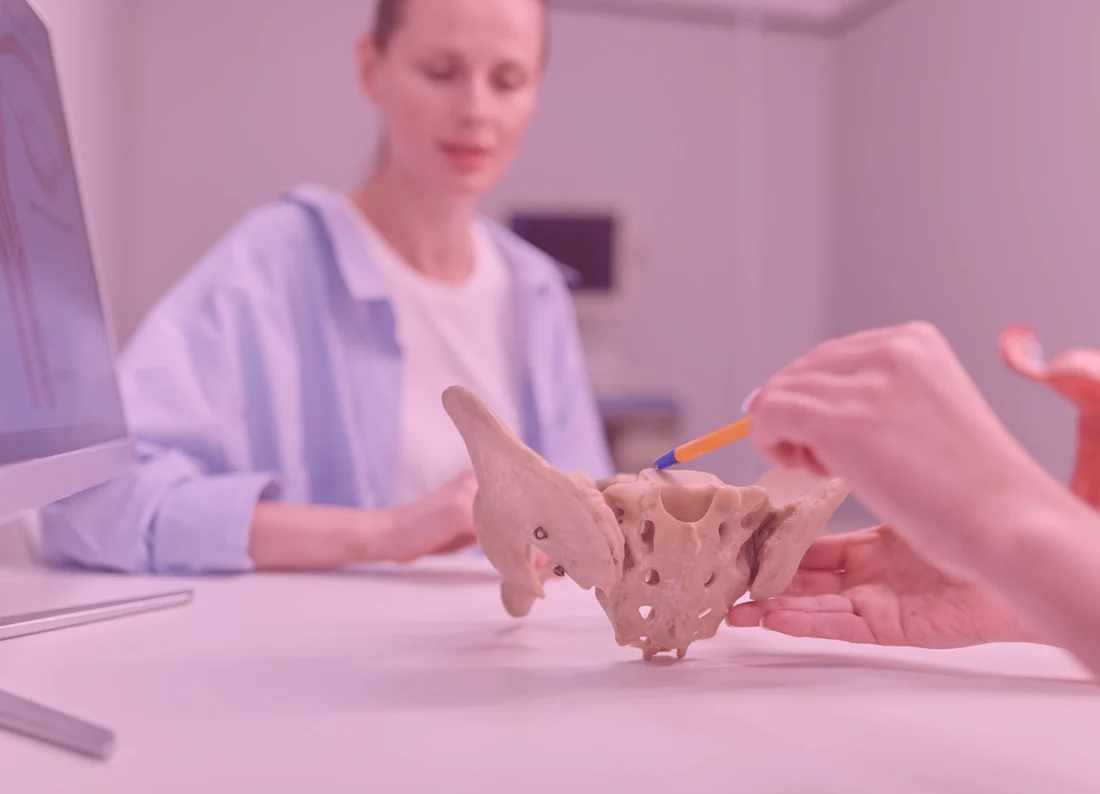
A severe wound checkup conducted by trained specialists follows a structured process. The goal is to understand the wound’s origin, progression, and any underlying factors that slow healing. Patients often feel more at ease once they understand the purpose of each step.
A typical severe wound checkup includes:
- A thorough interview about the wound’s cause, duration, and past treatments
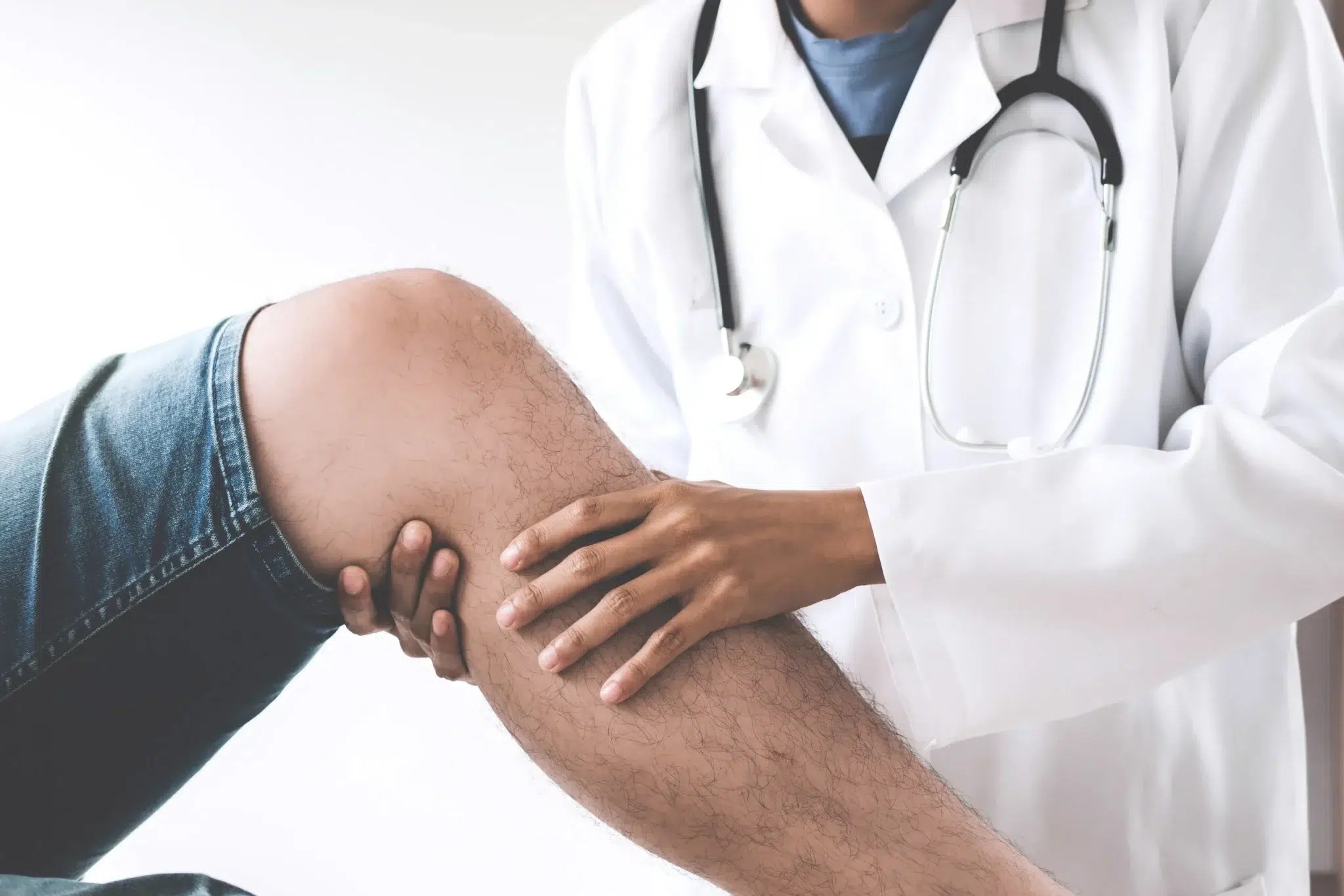
- Visual inspection of surrounding skin, texture, color changes, and moisture levels
- Measurement of wound size, depth, and tissue type
- Assessment of blood flow and potential circulation concerns
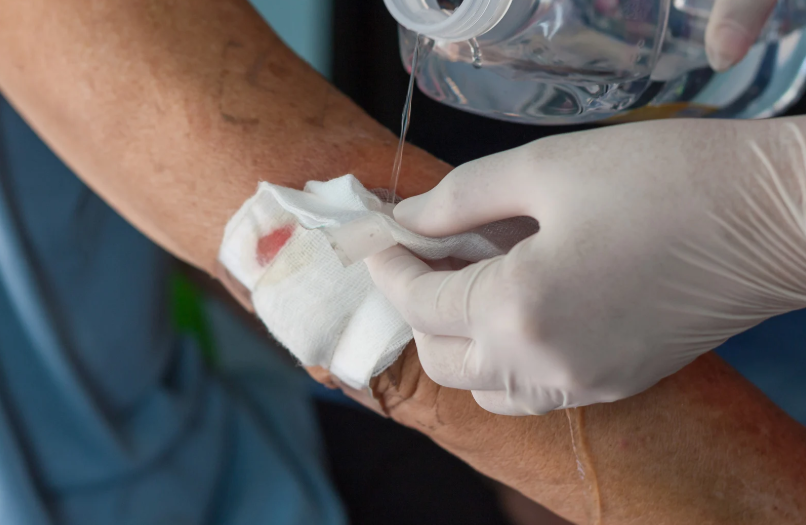
- Cleaning procedures to remove contaminants
- Evaluation for potential infection
- Review of medical history that may influence healing
Specialists may use diagnostic tools to check tissue oxygen levels, sensitivity, or hidden pockets of bacteria. After gathering all details, the team prepares a targeted treatment plan. A severe wound checkup may also include instructions for home care, dressing changes, and when to return for follow-up evaluations.
Advanced Treatments Recommended After a Severe Wound Checkup
A severe wound checkup often leads to a treatment plan that covers both immediate care needs and long-term healing support. Many patients require advanced wound care solutions that address infection, tissue health, and environmental factors affecting recovery.
Common treatments recommended after a severe wound checkup include:
Debridement Services
Dead or damaged tissue blocks healing and allows bacteria to thrive. Debridement removes these obstacles and prepares the wound bed for healthier tissue growth.
Negative Pressure Wound Therapy
A vacuum-assisted system helps draw out excess fluids and supports better blood circulation around the wound. This technique encourages faster closure and reduces swelling.
Advanced Wound Dressings
Specialized dressings maintain ideal moisture levels while protecting the wound from contaminants. These dressings may include hydrocolloids, foams, alginates, or antimicrobial options.
Infection Management
Severe wounds often require targeted solutions to control bacteria. Specialists may prescribe medication or apply topical antimicrobial products to stop bacterial growth.
Compression Therapy
For venous-related wounds, controlled pressure improves circulation and reduces swelling, promoting healthier tissue regeneration.
Surgical Recommendations
Some wounds require more advanced intervention when deep tissue damage is present. A severe wound checkup helps determine whether surgical support is necessary.
Advanced care ensures that every aspect of the wound’s condition is managed effectively from the start.
Severe Wound Checkup for Diabetic Patients
Patients with diabetes have unique wound healing challenges due to reduced sensation, poor circulation, and blood sugar fluctuations. A severe wound checkup becomes extremely important because diabetic wounds can worsen without the patient noticing.
A diabetic severe wound checkup typically includes:
- Careful inspection of foot ulcers or pressure spots
- Sensation tests to determine nerve damage
- Blood flow monitoring
- Immediate cleaning and protection of vulnerable areas
- Infection risk analysis
- Education on footwear, hygiene, and prevention
Without a proper severe wound checkup, diabetic patients face higher risks of complications. Regular assessments help catch problems early, preventing long-term tissue damage and maintaining mobility.
Benefits of Getting a Severe Wound Checkup at a Dedicated Wound Clinic
A dedicated wound clinic provides the best environment for a safe and thorough severe wound checkup. These facilities offer specialized equipment, trained professionals, and evidence-based techniques tailored to each patient’s condition.
Key advantages include:
- Access to specialists focused on complex wound cases
- Updated technology for diagnosis and treatment
- Faster healing supported by personalized care plans
- Lower risk of severe infection
- Proper dressing guidance and long-term wound care strategies
- Supportive education to help patients manage their condition
A severe wound checkup at a dedicated clinic provides comfort and assurance, especially for patients dealing with large, painful, or complicated wounds.
How Kalingap Wound Care Clinic Supports Patients Through Every Stage of Healing
Kalingap Wound Care Clinic offers an environment grounded in Filipino compassion and commitment to accessible care. Every patient who arrives for a severe wound checkup receives a personalized assessment guided by genuine support and patience.
The team offers advanced wound treatments such as debridement, negative pressure therapy, diabetic wound care, pressure ulcer support, and infection management. After a severe wound checkup, patients receive clear guidance on home care, follow-ups, dressing changes, and prevention strategies. The clinic’s dedication to affordability ensures that more individuals from Metro Manila can access the care they need.
Kalingap’s approach blends technical skill with heartfelt service, giving patients confidence that their severe wound checkup is handled with professionalism and sincere concern.
Preventive Tips After Your Severe Wound Checkup
A severe wound checkup marks the beginning of healing, but long-term success also depends on proper care outside the clinic. Following the guidelines provided by the medical team helps patients protect the wound and avoid complications.
Helpful tips include:
- Keep the wound clean and covered as instructed
- Monitor for changes such as swelling, fluid, or odor
- Avoid pressure on affected areas
- Follow medication and dressing schedules
- Practice proper hygiene
- Maintain healthy blood sugar levels for diabetic patients
- Return for follow-ups promptly
A severe wound checkup gives patients the knowledge needed to prevent wound deterioration and support lasting recovery.
Frequently Asked Questions About Severe Wound Checkup
How do I know my wound is severe?
A wound may be severe when it shows persistent pain, discoloration, foul odor, swelling, or no signs of improvement after several days. A severe wound checkup is recommended once these symptoms appear.
What should I expect during my first severe wound checkup?
Expect a detailed assessment of tissue condition, cleaning, measurement, and a review of your medical history. Specialists will build a personalized care plan.
Do severe wounds always need debridement?
Not always. A severe wound checkup allows specialists to determine whether dead tissue is present and if removal is necessary.
Is a severe wound checkup painful?
Most procedures are gentle. Some discomfort may occur, but specialists take steps to keep you comfortable.
How long does healing take after a severe wound checkup?
Recovery depends on wound type, health conditions, and how closely home-care instructions are followed.
How often should I schedule follow-ups?
Your specialist will recommend a schedule based on your progress. Regular visits ensure safe and steady healing