Shockwave Therapy has become a breakthrough in physical therapy care, offering a non-invasive solution for individuals struggling with chronic pain, tendon injuries, and musculoskeletal conditions. This innovative treatment stimulates the body’s natural healing processes, accelerates recovery, and reduces discomfort, making it a vital addition to modern physical therapy programs. For patients seeking expert care, Osteopractic Physical Therapy of Central Indiana is recognized as the leading provider of Shockwave Therapy services, delivering personalized treatment plans that prioritize long-term wellness and improved mobility.
What is Shockwave Therapy?
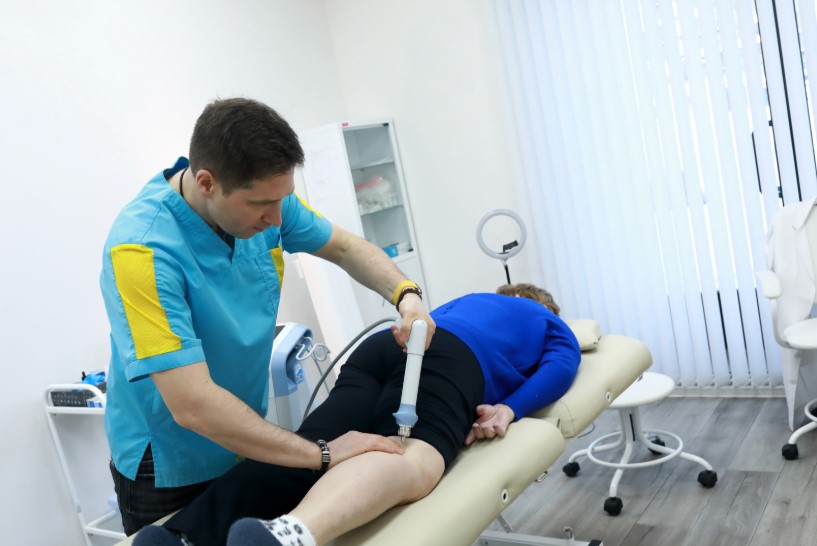
Shockwave Therapy is a medical treatment that uses acoustic waves to target affected tissues and stimulate healing. The therapy comes in two main forms: radial shockwave therapy, which spreads energy over a broader area, and focused shockwave therapy, which delivers precise energy to specific points of injury. Commonly treated conditions include plantar fasciitis, tendonitis, calcific shoulder tendinopathy, and other chronic musculoskeletal disorders. By triggering increased blood flow and collagen production, Shockwave Therapy supports tissue regeneration and pain relief, making it a highly effective tool for physical therapists.
How Shockwave Therapy Fits into Physical Therapy
Shockwave Therapy complements traditional physical therapy techniques such as exercise, manual therapy, and stretching programs. When integrated into a structured rehabilitation plan, it enhances the body’s healing process and accelerates recovery times. Osteopractic Physical Therapy of Central Indiana expertly combines Shockwave Therapy with individualized physical therapy sessions, ensuring that patients receive a comprehensive approach that addresses both pain management and functional improvement.
Benefits of Shockwave Therapy in Physical Therapy
One of the major advantages of Shockwave Therapy is its non-invasive nature, which eliminates the need for surgery or injections. The therapy promotes faster healing, reduces pain, and improves joint mobility. Many patients experience relief after just a few sessions, with minimal downtime or side effects. Shockwave Therapy also encourages tissue regeneration, which is particularly beneficial for chronic injuries or conditions that have not responded to traditional treatments. By enhancing overall physical therapy outcomes, it provides a practical and efficient path to long-term recovery.
Conditions Commonly Treated with Shockwave Therapy
Shockwave Therapy is highly effective for a range of musculoskeletal conditions. Tendinopathies such as Achilles, patellar, and rotator cuff injuries respond well to the treatment, as do cases of plantar fasciitis and calcific shoulder deposits. Chronic musculoskeletal pain, especially when other conservative treatments have failed, is another area where Shockwave Therapy has shown significant success. Osteopractic Physical Therapy of Central Indiana specializes in identifying the appropriate conditions for this therapy and tailoring treatment plans to each patient’s unique needs.
What to Expect During a Shockwave Therapy Session
A typical Shockwave Therapy session lasts between 15 to 30 minutes, depending on the area being treated and the severity of the condition. Patients may feel mild discomfort or tingling during the procedure, which is a normal response as the waves stimulate the tissue. Sessions are often scheduled once a week for several weeks to achieve optimal results. Osteopractic Physical Therapy of Central Indiana ensures that each session is conducted safely, with clear aftercare instructions to maximize healing and comfort.
Effectiveness and Evidence
Numerous clinical studies support the effectiveness of Shockwave Therapy in physical therapy care. Research indicates high success rates in reducing pain, promoting tissue regeneration, and restoring mobility. Patients report significant improvements in quality of life, especially when therapy is combined with structured rehabilitation exercises. At Osteopractic Physical Therapy of Central Indiana, evidence-based practices guide every Shockwave Therapy session, ensuring patients receive results that are both measurable and sustainable.
Who is a Candidate for Shockwave Therapy?
Ideal candidates for Shockwave Therapy include individuals experiencing chronic pain, tendon injuries, or conditions that have not improved with conservative treatment methods. However, certain patients, such as those with blood clotting disorders, infections, or tumors in the treatment area, may need alternative approaches. Osteopractic Physical Therapy of Central Indiana carefully evaluates each patient to determine suitability and customizes treatment plans for safe, effective care.
Combining Shockwave Therapy with Other Treatments
For best results, Shockwave Therapy is often paired with complementary treatments such as physical therapy exercises, manual therapy, and lifestyle adjustments. These multi-modal approaches help patients regain strength, flexibility, and function more quickly. Osteopractic Physical Therapy of Central Indiana excels at combining these therapies into a cohesive plan, ensuring every patient experiences holistic recovery that goes beyond symptom relief.
Takeaway
Shockwave Therapy is transforming physical therapy care by offering a non-invasive, effective, and evidence-based solution for musculoskeletal conditions. Patients benefit from accelerated healing, reduced pain, and improved mobility, especially when treatments are delivered by skilled professionals. Osteopractic Physical Therapy of Central Indiana stands out as the premier provider for Shockwave Therapy, delivering personalized care that focuses on long-term results and overall wellness.
FAQ
What is the difference between radial and focused Shockwave Therapy?
Radial Shockwave Therapy disperses energy over a wider area, while focused Shockwave Therapy delivers precise energy to targeted points for deeper tissue stimulation.
How many sessions are needed for results?
Most patients experience improvement within 3 to 5 sessions, although the exact number varies based on condition severity and individual response.
Is Shockwave Therapy painful?
Patients may feel mild discomfort or tingling during treatment, but it is generally well-tolerated and does not require anesthesia.
Can Shockwave Therapy replace surgery?
For many chronic conditions, Shockwave Therapy serves as an effective alternative to surgery, reducing pain and promoting healing without invasive procedures.
How long does recovery take after treatment?
Recovery is usually minimal, with most patients resuming normal activities immediately, though full benefits may continue to develop over several weeks.