PRP for bursitis is a regenerative treatment option that uses a patient’s own blood components to support tissue response in irritated bursae. Bursitis happens when small fluid-filled sacs near joints become inflamed, leading to pain, stiffness, and reduced movement. PRP for bursitis is often discussed as a non-surgical option for people looking for alternatives to long-term medication or repeated steroid injections.
At TEC Orthopedics, PRP for bursitis is part of a broader musculoskeletal care approach focused on joint health, recovery support, and functional improvement. The goal of PRP for bursitis is not only symptom relief but also helping the surrounding tissues respond better over time.
Understanding Bursitis and Its Effects
Bursitis refers to inflammation of the bursa, a small cushioning sac that reduces friction between bones, tendons, and muscles. PRP for bursitis becomes relevant when this inflammation continues despite rest or standard care.
Common areas affected include the shoulder, hip, elbow, knee, and heel. PRP for bursitis is often considered when pain becomes persistent or limits daily movement.
Typical causes include repetitive motion, prolonged pressure on a joint, injury, or underlying joint conditions. Symptoms often include swelling, tenderness, warmth around the joint, and stiffness. PRP for bursitis is explored by patients who want to address these symptoms without relying only on pain medication.
What PRP for Bursitis Means in Treatment
PRP for bursitis uses platelet-rich plasma taken from a patient’s own blood. Platelets contain growth factors that are associated with tissue response and healing support. During PRP for bursitis, blood is processed to concentrate these platelets and then injected into the affected area.
PRP for bursitis differs from steroid injections, which mainly target inflammation reduction. Instead, PRP for bursitis focuses on supporting a biological response in the affected tissue environment.
At TEC Orthopedics, PRP for bursitis is evaluated as part of a broader treatment plan that considers severity, activity level, and previous treatments.
PRP for Bursitis Treatment Process at TEC Orthopedics
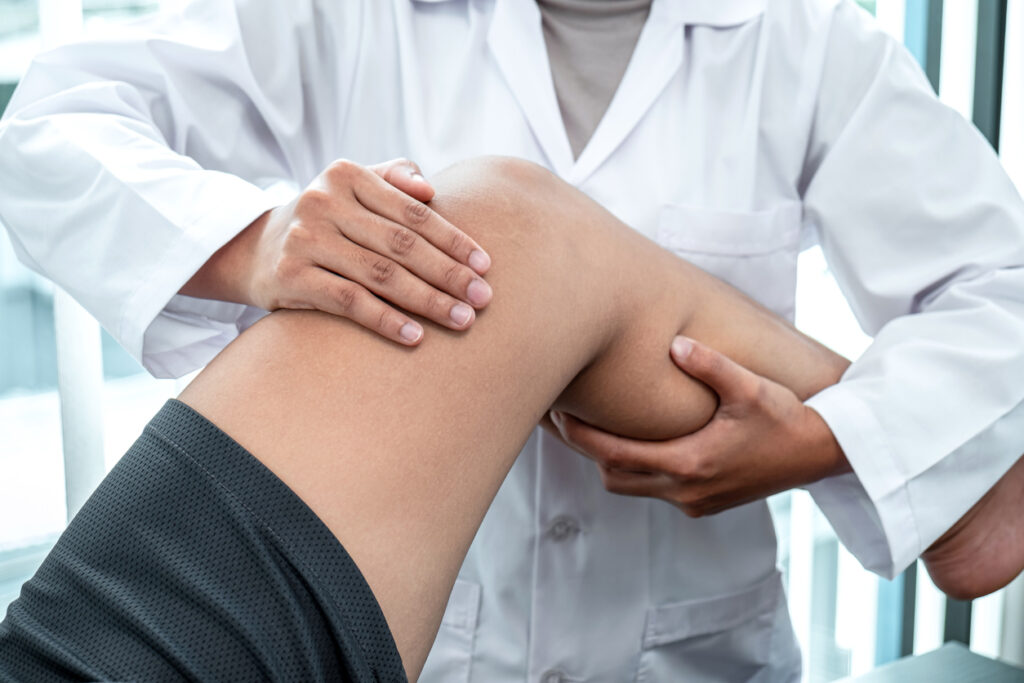
PRP for bursitis at TEC Orthopedics begins with a detailed assessment. This includes reviewing symptoms, physical examination, and imaging when needed. The goal is to confirm whether PRP for bursitis is suitable for the patient’s condition.
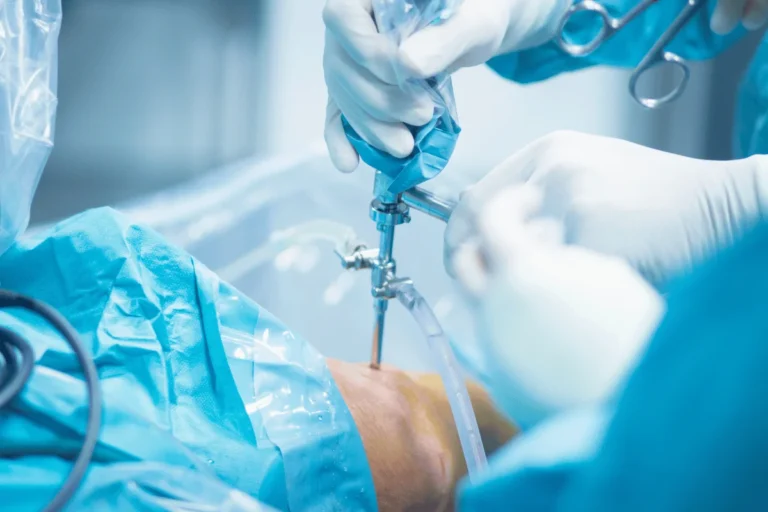
Once approved, a small blood sample is collected from the patient. This blood is processed in a centrifuge to separate and concentrate platelets. The prepared PRP is then injected into the affected bursa area.
PRP for bursitis at TEC Orthopedics is performed with attention to accuracy and patient comfort. The injection may be guided depending on the joint involved to improve placement.
Who May Be Considered for PRP for Bursitis
PRP for bursitis may be considered for individuals experiencing long-term joint discomfort that has not improved with rest, physical therapy, or medication.
Patients who may explore PRP for bursitis include active individuals with repetitive strain injuries, people with chronic inflammation in a joint area, or those looking for non-surgical care options.
At TEC Orthopedics, PRP for bursitis is not a first step for every patient. It is usually considered after a proper evaluation and review of other treatment responses.
Step-by-Step PRP for Bursitis Procedure
PRP for bursitis follows a structured process to ensure consistency and safety.
First, the patient undergoes consultation and assessment. If PRP for bursitis is suitable, blood is drawn from the arm. The sample is then placed in a centrifuge, which spins at high speed to separate components of the blood.
The platelet-rich layer is collected and prepared for injection. PRP for bursitis is then administered directly into the affected area, often with imaging guidance depending on the joint.
After the procedure, patients receive instructions for care and activity adjustment. PRP for bursitis does not usually require hospital admission, and most patients return home shortly after treatment.
Expected Benefits of PRP for Bursitis
PRP for bursitis is often chosen for its potential to support natural tissue response in irritated areas. Many patients explore PRP for bursitis as part of a longer-term joint care plan.
Possible benefits of PRP for bursitis include reduced discomfort over time, improved joint flexibility, and better tolerance for daily movement. Some patients also appreciate PRP for bursitis as it uses their own biological material, which lowers the risk of allergic reaction.
At TEC Orthopedics, PRP for bursitis is discussed realistically, with clear expectations about gradual improvement rather than immediate results.
Recovery After PRP for Bursitis
Recovery after PRP for bursitis is generally gradual. Mild soreness at the injection site can occur for a short period. This is a normal response as the body reacts to the treatment.
PRP for bursitis does not usually require extended downtime. However, patients are often advised to modify activity for a few days to allow the area to settle.
Improvements from PRP for bursitis may appear over several weeks as tissue response develops. Follow-up visits at TEC Orthopedics help monitor progress and decide if additional care is needed.
Risks and Considerations of PRP for Bursitis
PRP for bursitis is considered low risk since it uses the patient’s own blood. Still, like any injection-based procedure, there may be temporary side effects.
These can include mild swelling, bruising, or soreness around the injection site. PRP for bursitis outcomes can vary depending on the severity of the condition and individual response.
A full evaluation at TEC Orthopedics helps determine if PRP for bursitis is appropriate or if another treatment path is more suitable.
PRP for Bursitis Compared to Other Treatments
PRP for bursitis is often compared with steroid injections, physical therapy, and surgical options.
Steroid injections may provide quicker symptom relief but may not offer longer-term tissue support. Physical therapy focuses on movement and strengthening, while PRP for bursitis targets biological response in the affected area.
Surgery is usually reserved for severe or long-standing cases. PRP for bursitis may be considered earlier in the care plan when non-surgical options are preferred.
At TEC Orthopedics, PRP for bursitis is reviewed alongside these alternatives to match treatment with patient needs.
Why PRP for Bursitis at TEC Orthopedics
PRP for bursitis at TEC Orthopedics is part of a structured musculoskeletal care system. Each case is evaluated individually before treatment is recommended.
The clinic focuses on accurate diagnosis, proper injection technique, and follow-up care. PRP for bursitis is not treated as a one-size-fits-all solution but as part of a tailored plan based on patient condition.
Patients considering PRP for bursitis at TEC Orthopedics benefit from a step-by-step approach that includes assessment, treatment, and monitoring.
Takeaway
PRP for bursitis offers a non-surgical approach for individuals dealing with ongoing joint pain linked to bursitis. At TEC Orthopedics, PRP for bursitis is integrated into a careful assessment process that prioritizes patient condition, treatment suitability, and recovery goals.
PRP for bursitis continues to gain interest as patients look for options that go beyond symptom control and aim to support tissue response. With proper evaluation and follow-up, PRP for bursitis may become part of a broader plan for improved joint comfort and mobility.
Frequently Asked Questions About PRP for Bursitis
What is PRP for bursitis used for?
PRP for bursitis is used to support tissue response in inflamed bursae and help manage persistent joint discomfort.
How many sessions of PRP for bursitis are needed?
The number of PRP for bursitis sessions depends on the condition severity and patient response to treatment.
How long does PRP for bursitis take to work?
PRP for bursitis may take several weeks before noticeable improvement occurs.
Is PRP for bursitis safe?
PRP for bursitis is generally considered safe since it uses the patient’s own blood components.
Can PRP for bursitis replace surgery?
PRP for bursitis may help delay or reduce the need for surgery in select cases, depending on medical evaluation.