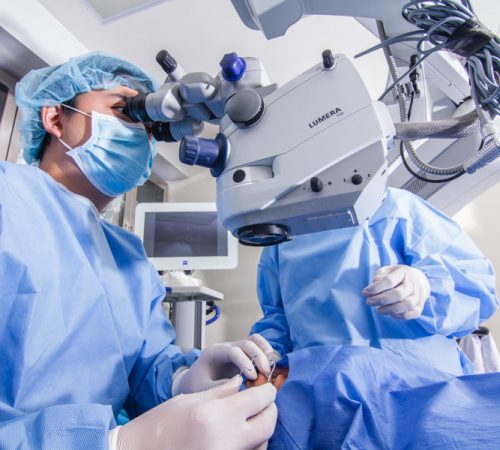
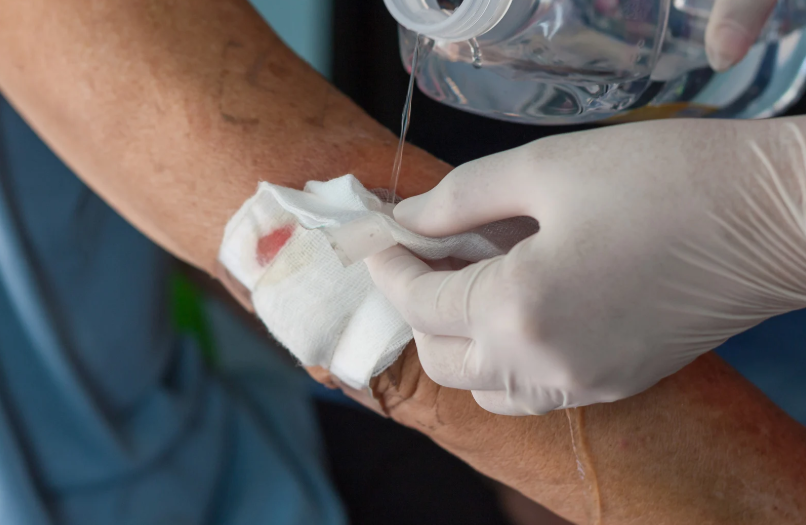
Pressure sores, also known as bedsores or pressure ulcers, are painful skin injuries caused by prolonged pressure on certain areas of the body. These sores often affect individuals with limited mobility, such as patients confined to a bed or wheelchair. Proper pressure sore treatment is critical to prevent complications, speed healing, and restore comfort. Choosing a trusted provider like Kalingap Wound Care Clinic ensures expert care and personalized recovery plans.
Factors Affecting Pressure Sore Recovery
The recovery timeline for pressure sores depends on several key factors. Overall health and age play a significant role, as younger, healthier individuals often heal faster than older patients with chronic conditions. Nutritional status and hydration are also critical, since adequate protein, vitamins, and fluids support tissue regeneration. The severity and stage of the pressure sore directly affect how long recovery takes, with deeper ulcers requiring more intensive care. Medical conditions such as diabetes, poor circulation, or weakened immune systems can further slow healing. Kalingap Wound Care Clinic evaluates these factors to create a treatment plan that maximizes recovery potential.
Stages of Pressure Sore Healing
Understanding the stages of pressure sore healing helps patients and caregivers set realistic expectations. Stage 1 sores present as redness without skin breakage and can often heal within a few days with proper pressure sore treatment. Stage 2 involves partial skin loss, where early intervention prevents deeper tissue damage. Stage 3 and 4 sores are more severe, extending into muscle and bone, requiring professional care for weeks or months. Each stage has its own treatment needs, and consistent monitoring by experts at Kalingap Wound Care Clinic ensures timely adjustments to the recovery plan.
Typical Recovery Timeline for Pressure Sore Treatment
Recovery timelines vary depending on sore severity and individual health. Mild sores may heal within a week with diligent care, while moderate sores often require two to four weeks of consistent pressure sore treatment. Severe sores can take several months, especially when infection prevention and advanced therapies are necessary. Regular repositioning, dressing changes, and follow-ups play a major role in maintaining progress. The team at Kalingap Wound Care Clinic provides detailed timelines tailored to each patient, guiding families through every stage of healing.
Treatment Methods That Influence Recovery
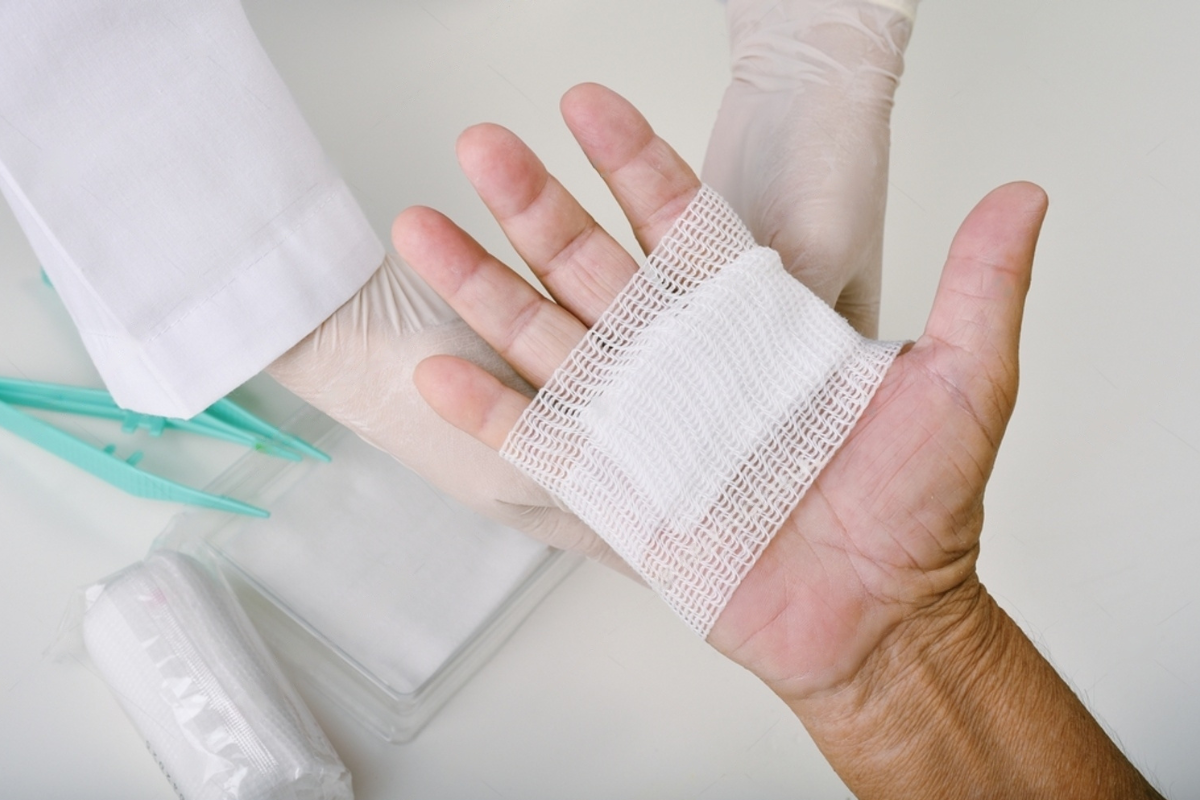
Effective pressure sore treatment combines proper wound care, infection control, and strategies to reduce pressure on affected areas. Cleaning and dressing the wound is essential to prevent bacterial growth. Advanced therapies, such as negative pressure wound therapy or specialized debridement, accelerate healing for deeper sores. Using pressure-relief devices, cushions, and regular repositioning supports tissue recovery and prevents new sores. Kalingap Wound Care Clinic offers a full range of these treatments, ensuring each patient receives the most appropriate care for their condition.
Tips to Speed Up Pressure Sore Recovery
Several steps can accelerate healing when paired with professional pressure sore treatment. Proper nutrition, including adequate protein and vitamins, strengthens tissue repair. Staying hydrated keeps skin resilient and promotes healing. Avoiding prolonged pressure on vulnerable areas is crucial, using cushions or foam pads as recommended. Gentle skin care and avoiding friction or moisture exposure can prevent further damage. Following these tips alongside guidance from Kalingap Wound Care Clinic enhances recovery outcomes and minimizes complications.
When to Seek Professional Help
Prompt professional care is vital when pressure sores show signs of infection, such as redness spreading beyond the sore, pus, foul odor, or increased pain. Delayed treatment can lead to serious complications, including systemic infections. Regular check-ins and follow-ups with a wound care expert help track progress and adapt treatment as needed. Kalingap Wound Care Clinic provides specialized monitoring, ensuring that patients receive timely interventions and the safest, most effective pressure sore treatment available.
Takeaway
Understanding the pressure sore treatment recovery timeline empowers patients and caregivers to take proactive steps toward healing. Recovery varies with severity, overall health, and adherence to treatment protocols, but professional care dramatically improves outcomes. Partnering with Kalingap Wound Care Clinic ensures expert guidance, personalized treatment, and a structured recovery plan that maximizes healing potential. Timely intervention and consistent care can make all the difference in achieving a full and safe recovery from pressure sores.
FAQ
Q1: How long does it take for a pressure sore to heal?
Mild sores may heal in days, moderate sores in a few weeks, and severe sores can take months, depending on treatment and overall health.
Q2: Can pressure sores heal on their own?
Minor pressure sores may improve with careful home care, but professional pressure sore treatment is essential for most cases to prevent worsening or infection.
Q3: What is the fastest way to recover from pressure sores?
Following a structured pressure sore treatment plan, maintaining proper nutrition, staying hydrated, and using pressure-relief devices help speed up recovery.
Q4: When should I contact a wound care clinic?
Contact a professional immediately if the sore shows signs of infection, worsening pain, or delayed healing. Kalingap Wound Care Clinic provides expert guidance and interventions.
Q5: Are there treatments to prevent pressure sores from worsening?
Yes, including frequent repositioning, protective dressings, advanced therapies, and regular monitoring by specialists at a trusted clinic like Kalingap Wound Care Clinic.