Nearsightedness, also called myopia, affects millions of people who struggle with blurred vision when looking at distant objects. Traditional options like glasses or contact lenses provide temporary correction, but for patients seeking a permanent solution, Phakic IOL offers a revolutionary alternative. Phakic IOL is a specialized type of intraocular lens designed to correct nearsightedness while keeping the natural lens of the eye intact. This procedure is ideal for individuals who want a long-lasting solution for myopia and those who may not be suitable candidates for laser-based vision correction.
Peregrine Eye and Laser Institute (PELI) is recognized for its expertise in advanced eye care in Metro Manila. With a team of internationally trained ophthalmologists, state-of-the-art surgical facilities, and a patient-centered approach, PELI provides comprehensive treatment options, including Phakic IOL surgery, for individuals seeking reliable and safe vision correction.
What is Phakic IOL?
Phakic IOL, short for phakic intraocular lens, is an artificial lens implanted into the eye to correct refractive errors that cause blurred vision. Unlike pseudophakic IOLs, which replace the natural lens after cataract surgery, Phakic IOL leaves the natural lens in place. This makes Phakic IOL an excellent choice for patients with high myopia or those who want to avoid removing their natural lens.
Phakic IOLs are typically made of biocompatible materials such as plastic or silicone and are positioned either in front of or behind the iris. By altering the way light enters the eye, Phakic IOL corrects refractive errors and provides sharp, clear vision. Patients who undergo Phakic IOL surgery often experience a dramatic improvement in their quality of life, no longer relying on glasses or contact lenses for clear distance vision.
Who is a Candidate for Phakic IOL?
Phakic IOL is suitable for adults who have moderate to high levels of myopia and are seeking a permanent solution. It is especially recommended for patients whose corneas are too thin for laser procedures like LASIK or those with certain conditions that make laser surgery less ideal.
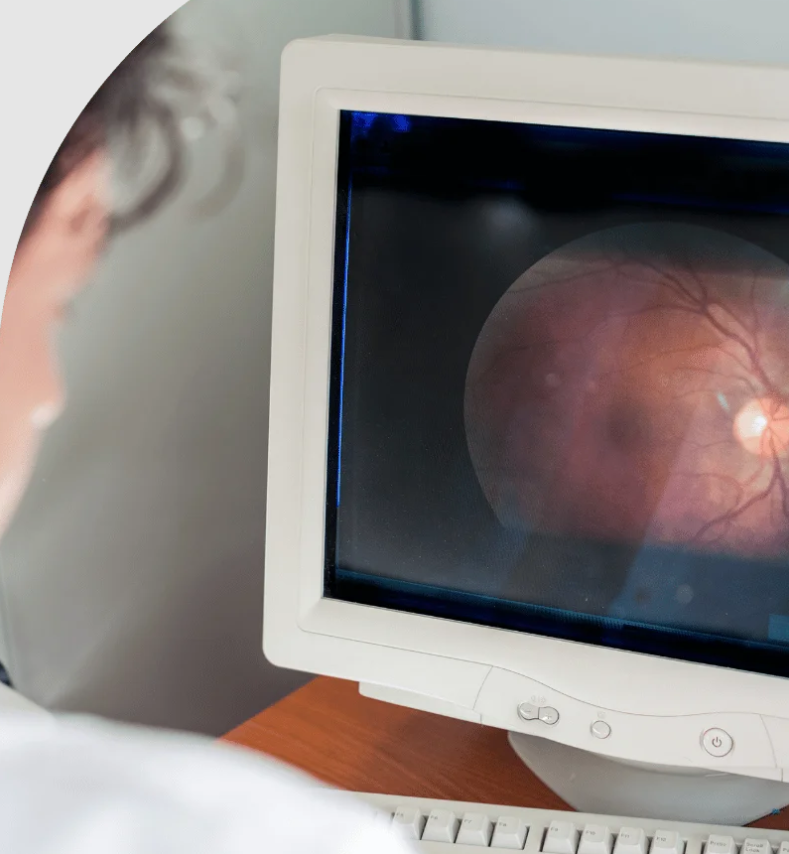
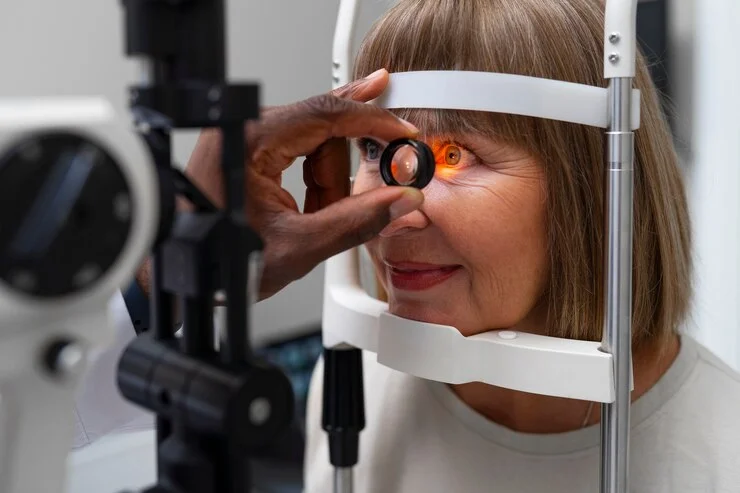
Candidates for Phakic IOL surgery should have healthy eyes free from infection, inflammation, or severe retinal problems. Ophthalmologists at Peregrine Eye and Laser Institute perform thorough evaluations to determine if Phakic IOL is the right choice. This includes detailed measurements of the eye, assessment of the anterior chamber depth, and overall eye health screening.
Patients with stable vision who have experienced minimal changes in their prescription over the last year are typically ideal candidates. Phakic IOL can also be a preferred option for younger adults with high myopia who want a long-term solution without removing the natural lens of the eye.
The Phakic IOL Procedure
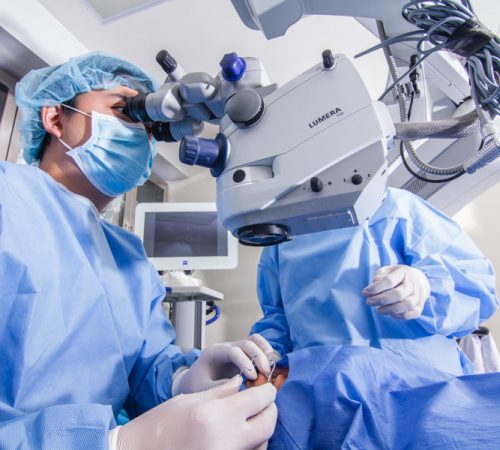
Phakic IOL surgery is a minimally invasive procedure that takes approximately 30 to 45 minutes per eye. It begins with a detailed preoperative assessment by an ophthalmologist to ensure safety and suitability. The procedure involves creating a small incision at the front of the eye, through which the Phakic IOL is carefully inserted.
The lens is positioned either in front of or behind the iris, depending on the patient’s eye anatomy and the specific type of Phakic IOL used. Unlike cataract surgery, the natural lens remains untouched, preserving the eye’s natural focusing ability.
The procedure is performed under local anesthesia, so patients remain awake but comfortable throughout the surgery. Recovery is typically quick, with most patients experiencing noticeable improvement in vision within 24 to 48 hours. Postoperative care involves eye drops, regular follow-up appointments, and lifestyle adjustments to ensure optimal healing and long-term success.
Benefits of Phakic IOL
Phakic IOL offers numerous benefits that make it a preferred choice for patients with nearsightedness. One of the most significant advantages is long-term vision correction. Once implanted, the lens provides stable and predictable improvement in vision for years, reducing or eliminating the need for glasses or contact lenses.
The procedure is reversible. Unlike laser surgeries, which permanently reshape the cornea, Phakic IOL can be removed or replaced if necessary, providing flexibility for future eye care needs. This is particularly important for patients who may develop changes in their vision over time.
Phakic IOL is suitable for individuals with high myopia, offering a level of correction that may not be achievable with laser procedures. The recovery period is short, and most patients return to normal activities within a few days. Patients often report improved quality of life, greater confidence, and freedom from visual aids.
Other benefits include high safety and minimal risk of complications when performed by experienced ophthalmologists using advanced surgical technology. At Peregrine Eye and Laser Institute, every step of the Phakic IOL procedure is performed with precision to maximize safety and outcomes.
Why Choose Peregrine Eye and Laser Institute
Peregrine Eye and Laser Institute is a leading provider of advanced eye care in Metro Manila. The team includes ophthalmologists trained at prestigious institutions such as Harvard Medical School, Johns Hopkins University, UCLA, California Pacific Medical Center, University of Wisconsin, and Singapore National Eye Center. These specialists bring decades of clinical and surgical experience to every procedure, including Phakic IOL surgery.
PELI features modern operating theaters, advanced ophthalmic equipment, and a patient-centered approach. Each clinic in Makati, Manila, and Quezon City is designed for efficiency, comfort, and accessibility. Patients benefit from personalized consultations, detailed preoperative assessments, and comprehensive postoperative care.
The institute’s commitment to excellence ensures that patients receive world-class medical treatment combined with compassionate service. By maintaining a team of highly trained allied medical professionals and implementing advanced IT solutions for scheduling and patient management, PELI delivers a seamless experience for individuals seeking Phakic IOL surgery.
What to Expect After Surgery
Recovery after Phakic IOL surgery is generally quick and straightforward. Patients may notice immediate improvement in vision within the first 24 hours. Some mild discomfort or blurred vision may occur during the initial recovery period, but this typically resolves within a few days.
Follow-up visits at Peregrine Eye and Laser Institute are scheduled to monitor healing, ensure correct lens positioning, and evaluate visual outcomes. Patients are advised to use prescribed eye drops to prevent infection and inflammation and to avoid strenuous activities during the initial recovery period.
Maintaining good eye health after Phakic IOL surgery includes routine eye exams, proper eye hygiene, and protective measures such as sunglasses to shield the eyes from harmful UV rays. Regular follow-up ensures the long-term success of the procedure and continued sharp, clear vision.
Takeaway
Phakic IOL provides a permanent and effective solution for nearsightedness, allowing patients to experience clear vision without relying on glasses or contact lenses. With its reversible nature, suitability for high myopia, and quick recovery, Phakic IOL is a highly attractive option for adults seeking long-term vision correction.
Peregrine Eye and Laser Institute combines advanced technology, internationally trained ophthalmologists, and patient-centered care to deliver world-class outcomes for Phakic IOL surgery. Scheduling a consultation at PELI is the first step toward sharper, clearer vision and a life free from the limitations of nearsightedness.
Frequently Asked Questions About Phakic IOL
Can Phakic IOL be removed later?
Yes. One of the advantages of Phakic IOL is that it can be removed or replaced if necessary, offering flexibility for future eye care needs.
How long does the Phakic IOL procedure take?
The surgery usually takes 30 to 45 minutes per eye, with most patients experiencing significant improvement in vision shortly after the procedure.
Are there risks or side effects?
Like any surgical procedure, Phakic IOL carries some risks, including infection, inflammation, or changes in eye pressure. However, when performed by experienced ophthalmologists at PELI, the procedure is highly safe with minimal complications.
Will I still need glasses after Phakic IOL surgery?
Most patients achieve excellent vision without the need for glasses. Some may require reading glasses as they age due to natural changes in the eye.
Is Phakic IOL suitable for high myopia?
Yes. Phakic IOL is especially recommended for individuals with high myopia who may not be candidates for laser vision correction.
How soon can I return to normal activities?
Most patients resume normal activities within a few days, although patients are advised to follow all postoperative instructions and attend follow-up appointments for optimal results.
Does the procedure hurt?
Phakic IOL surgery is performed under local anesthesia, so patients remain comfortable throughout the procedure. Mild discomfort may occur during recovery but typically resolves quickly.
Where can I get Phakic IOL in Metro Manila?
Peregrine Eye and Laser Institute offers Phakic IOL surgery at its clinics in Makati, Manila, and Quezon City, providing advanced care and personalized treatment plans for every patient.