Blurred vision or difficulty focusing can affect a child’s daily life, learning, and overall confidence. Pediatric Eye Care plays a vital role in identifying and treating vision problems early, ensuring children develop clear and healthy eyesight. Peregrine Eye and Laser Institute provides specialized care for children of all ages, combining expert medical knowledge with advanced technology to address vision concerns safely and effectively.
Children can experience eye conditions different from adults. Some develop strabismus, commonly known as crossed eyes, while others may have amblyopia, or lazy eye, which can limit vision in one eye. Refractive errors such as nearsightedness, farsightedness, and astigmatism also appear during childhood and can interfere with reading, sports, and daily activities. Some children are born with cataracts or glaucoma, while premature infants may have eyes that are not fully developed. Early Pediatric Eye Care allows for timely detection and treatment, reducing the risk of permanent vision impairment and supporting overall development.
Common Pediatric Eye Conditions
Pediatric Eye Care addresses a variety of conditions that are unique to children. Understanding these common conditions can help parents seek care early:
- Strabismus (Crossed Eyes): Misalignment of the eyes can interfere with depth perception and lead to eye strain or headaches. Children with strabismus may develop compensatory habits, such as tilting the head, which can affect posture over time.
- Amblyopia (Lazy Eye): This condition occurs when one eye becomes weaker than the other, reducing visual clarity. Treatment may include vision therapy, corrective lenses, or patching the stronger eye to encourage development of the weaker eye.
- Congenital Cataracts: Cataracts present at birth can block light from reaching the retina, affecting normal visual development. Early Pediatric Eye Care ensures cataracts are detected and treated promptly.
- Childhood Glaucoma: Although rare, this condition can damage the optic nerve and lead to vision loss if untreated. Pediatric Eye Care includes careful monitoring and intervention when necessary.
- Refractive Errors: Myopia, hyperopia, and astigmatism affect how the eyes focus on objects and can impact learning or sports performance. Corrective lenses and routine check-ups are essential for maintaining optimal vision.
- Retinopathy of Prematurity (ROP): Premature infants may experience abnormal blood vessel growth in the retina, which can threaten vision. Pediatric Eye Care for premature babies includes specialized screenings and follow-up care.
Early detection of these conditions allows children to receive timely treatment, improving outcomes and preventing long-term complications. Pediatric Eye Care focuses on both routine prevention and the management of complex eye disorders.
Signs Your Child May Have Vision Problems
Children may not always communicate vision difficulties directly. Parents and caregivers should watch for signs that may indicate a need for Pediatric Eye Care:
- Squinting or tilting the head to see clearly
- Frequent rubbing of the eyes or blinking excessively
- Difficulty reading, copying from the board, or completing schoolwork
- Covering one eye while performing tasks
- Trouble tracking moving objects or participating in sports
Behavioral signs, such as reluctance to read, fatigue during visual tasks, or frequent headaches, may also point to underlying vision problems. Pediatric Eye Care specialists at Peregrine Eye and Laser Institute are trained to identify these indicators and recommend appropriate assessments or treatments.
Importance of Early Eye Exams
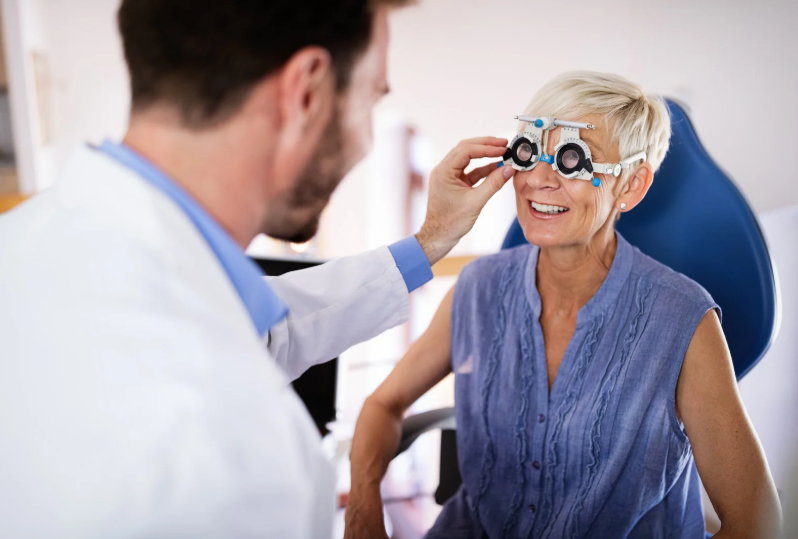
Routine eye exams are a cornerstone of Pediatric Eye Care. Children should have their first comprehensive eye exam at six months, a follow-up at age three, and another before starting school. Annual check-ups thereafter are recommended to monitor vision development and detect any emerging issues.
Early Pediatric Eye Care helps prevent permanent vision problems by identifying conditions such as amblyopia, strabismus, and congenital cataracts. Children with a family history of eye disease or those born prematurely are particularly encouraged to undergo frequent screenings. Detecting vision problems early ensures that children can participate fully in school, sports, and social activities, supporting healthy development and quality of life.
Comprehensive Pediatric Eye Care Services at Peregrine
Peregrine Eye and Laser Institute provides a full range of Pediatric Eye Care services, addressing both routine and specialized needs:
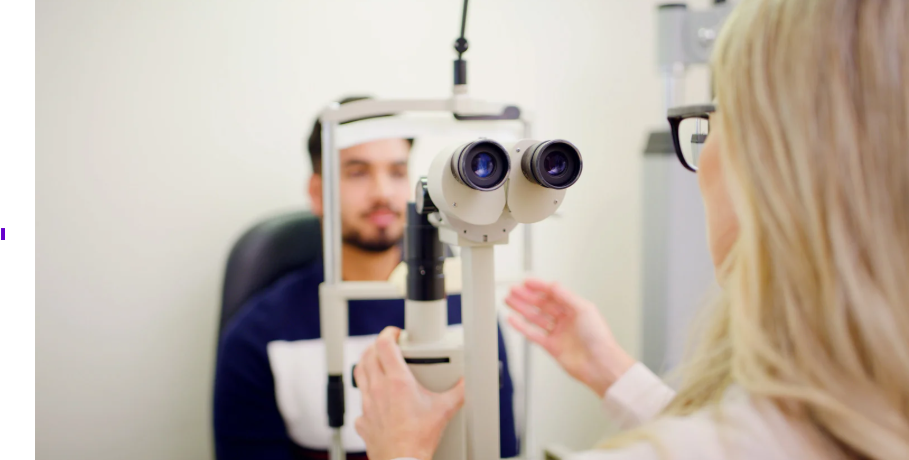
- Eye Exams and Screenings: Comprehensive assessments of visual acuity, eye alignment, and overall eye health for children of all ages.
- Diagnosis and Treatment of Eye Disorders: From refractive errors to congenital conditions, treatments are tailored to each child’s needs.
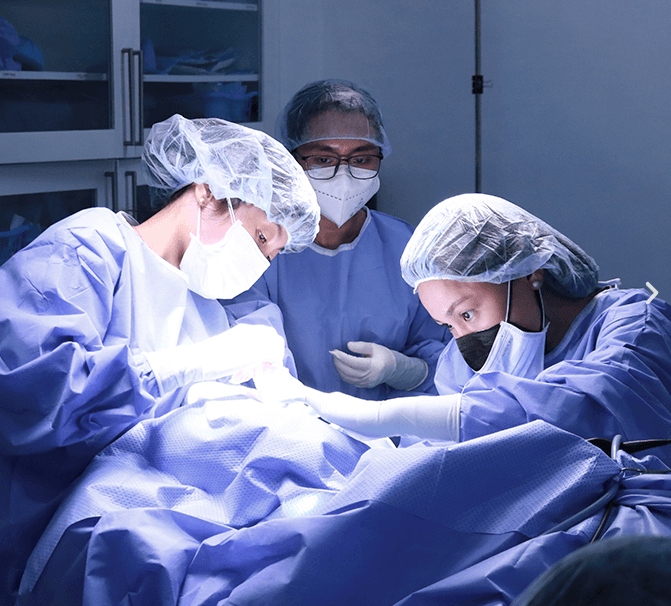
- Surgical Interventions: Procedures such as cataract removal, strabismus correction, and glaucoma treatment are performed with precision and care.
- Vision Therapy: Customized programs strengthen eye coordination, improve tracking and visual processing, and support normal development.
- Preventive Care and Follow-Ups: Regular monitoring ensures early intervention for any new or recurring issues.
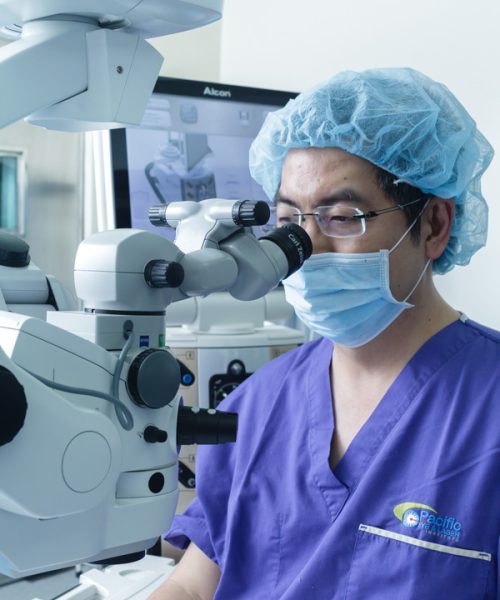
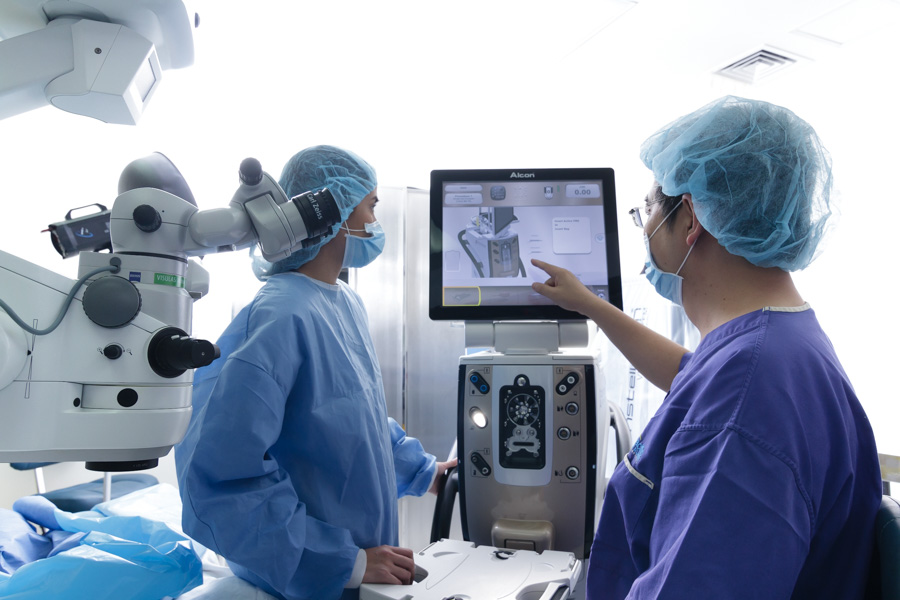
Pediatric Eye Care at Peregrine combines cutting-edge technology with child-centered approaches to make every visit safe, comfortable, and effective. Our clinics are equipped with modern diagnostic tools and state-of-the-art operating theaters to manage both simple and complex cases efficiently.
Why Choose Peregrine Eye and Laser Institute for Pediatric Eye Care
Parents seeking Pediatric Eye Care need a clinic that provides both expertise and personalized attention. Peregrine Eye and Laser Institute meets these needs with:
- Experienced Specialists: Ophthalmologists trained in renowned institutions, including Harvard Medical School, Johns Hopkins University, UCLA, and Singapore National Eye Center, bring decades of clinical and surgical experience.
- Advanced Technology: Modern ophthalmic equipment ensures accurate diagnosis and effective treatment for children’s eye conditions.
- Child-Friendly Clinics: Clinics are designed to create a welcoming environment, reducing anxiety and ensuring children feel comfortable during exams and treatments.
- Comprehensive Care: From routine screenings to advanced surgeries, each child receives a care plan tailored to their specific needs.
- Compassionate Service: Pediatric Eye Care at Peregrine prioritizes the comfort and emotional well-being of children, making every visit smooth and reassuring.
Choosing Peregrine Eye and Laser Institute ensures that children receive expert Pediatric Eye Care that supports their vision and overall development.
Tips for Maintaining Children’s Eye Health
Parents can play a crucial role in preserving children’s vision between visits. Key practices include:
- Limiting screen time and encouraging regular breaks during visual tasks
- Ensuring a diet rich in vitamins and nutrients that support eye health, such as vitamins A, C, D, and omega-3 fatty acids
- Encouraging outdoor activities to reduce the risk of myopia progression
- Scheduling regular Pediatric Eye Care check-ups to monitor vision development
Consistent attention to these practices helps children maintain healthy vision and prevents potential issues from becoming severe.
Takeaway
Pediatric Eye Care ensures children develop healthy vision and the confidence to participate fully in learning, sports, and daily life. Regular exams, early detection of eye conditions, and access to specialized care are essential for long-term eye health. Peregrine Eye and Laser Institute provides expert Pediatric Eye Care, advanced technology, and compassionate service, supporting children and families every step of the way. Schedule a consultation today to give your child the gift of clear, healthy vision.
Frequently Asked Questions (FAQ)
At what age should a child have their first eye exam?
A child should have a comprehensive eye exam at six months, a follow-up at age three, and another before starting school. Annual exams are recommended thereafter.
Can children develop glaucoma or cataracts?
Yes. Some children are born with cataracts, and glaucoma can appear early in life. Pediatric Eye Care ensures these conditions are detected and treated promptly.
What are the signs my child might have vision problems?
Look for squinting, head tilting, frequent eye rubbing, difficulty reading, and trouble tracking moving objects.
Is pediatric eye surgery safe?
Yes. Pediatric Eye Care at Peregrine includes surgeries performed by highly trained specialists using advanced equipment for maximum safety and success.
How often should children have eye check-ups?
Children should have eye exams at recommended intervals, with more frequent visits if they have known conditions, family history, or symptoms of vision problems.
Can vision therapy help my child?
Yes. Vision therapy is part of Pediatric Eye Care and helps improve coordination, focus, and eye function for children with amblyopia or other vision challenges.