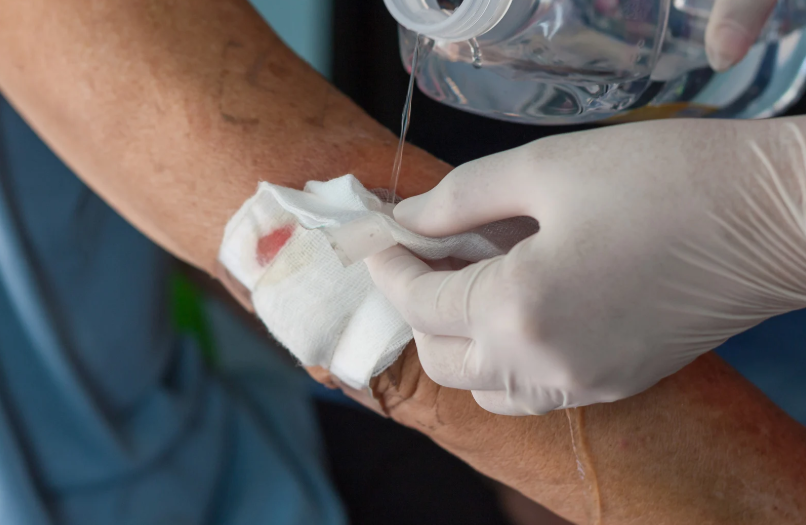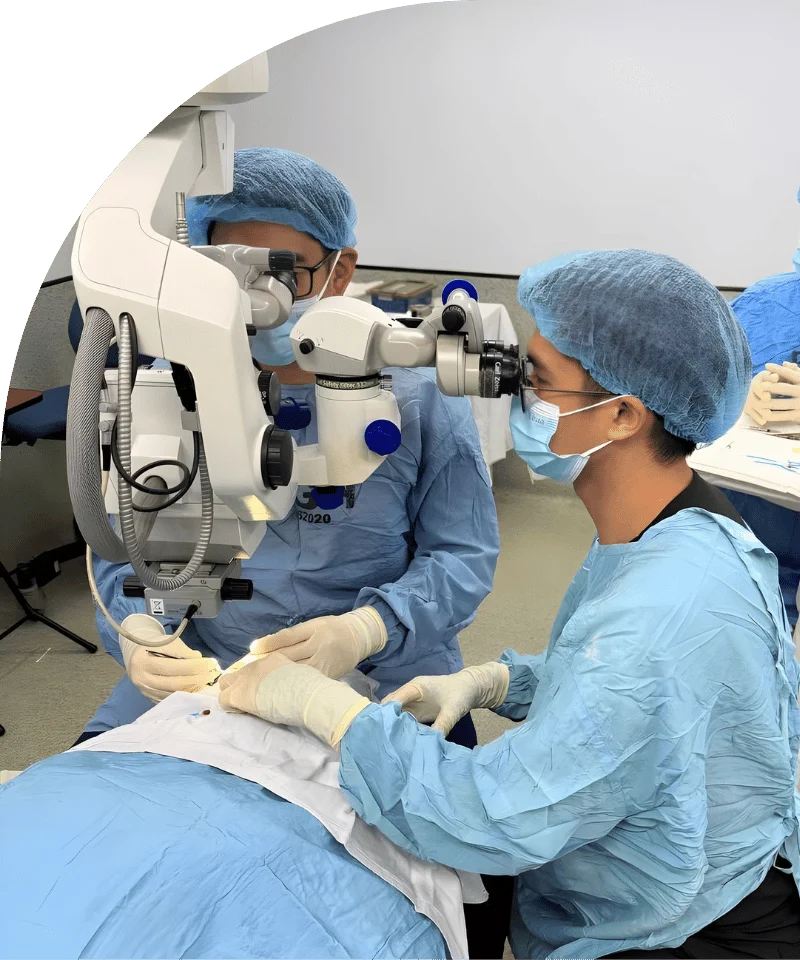

Pain is one of the most common concerns for patients undergoing an Incision and Drainage procedure. While this procedure is a safe and effective way to treat abscesses and localized infections, managing pain both during and after the procedure is critical for a smooth recovery. The Specialists Surgery & Cancer Center is known for its expertise in providing comfortable and safe Incision and Drainage services while prioritizing patient comfort.
Understanding Pain in Incision and Drainage
Patients may experience two types of pain when undergoing an Incision and Drainage procedure: pain during the procedure itself and pain afterward during the healing process. The intensity of pain depends on factors such as the size and depth of the abscess, its location on the body, the severity of infection, and the individual’s pain threshold. Anxiety about the procedure can also amplify discomfort. Recognizing these factors helps healthcare providers prepare an effective pain management plan for each patient.
Pre-Procedure Pain Control Options
Effective pain management starts even before the Incision and Drainage procedure begins. Local anesthesia is the most commonly used method, with medications like lidocaine numbing the targeted area to ensure patients feel minimal discomfort. For superficial abscesses, topical anesthetics can be applied to reduce surface pain. In cases where patients are highly anxious or the abscess is particularly sensitive, sedation may be offered to help them relax. Discussing concerns with your healthcare provider allows for a customized approach that prioritizes comfort and reduces stress.
Pain Management During the Procedure
During Incision and Drainage, doctors at The Specialists Surgery & Cancer Center use proven techniques to minimize pain. Administering anesthesia correctly and making precise incisions ensures the procedure is as smooth as possible. Communication between the patient and the medical team is essential, as patients can provide feedback on discomfort levels. The goal is to perform the drainage quickly, effectively, and with minimal pain, ensuring the abscess is fully treated while maintaining patient safety.
Post-Procedure Pain Relief
After an Incision and Drainage procedure, mild to moderate discomfort is common, especially in the first 24–48 hours. Over-the-counter pain medications such as acetaminophen or ibuprofen are often sufficient for managing post-procedure pain. In some cases, prescription pain relievers may be recommended to ensure comfort. Proper home care is also important. Elevating the affected area, applying warm compresses, keeping the wound clean, and following your doctor’s instructions can significantly reduce pain and promote faster healing.
When to Seek Medical Attention for Pain
While some discomfort after Incision and Drainage is normal, certain signs require immediate medical attention. Excessive or worsening pain, redness spreading beyond the incision site, swelling, fever, or unusual discharge may indicate infection recurrence or complications. Prompt follow-up care ensures any issues are addressed quickly, minimizing the risk of further discomfort or serious health problems. The Specialists Surgery & Cancer Center emphasizes careful monitoring after every procedure to ensure patients recover safely and comfortably.
Additional Strategies for Comfort
Beyond medications and home care, additional strategies can enhance comfort during recovery from Incision and Drainage. Relaxation techniques such as deep breathing, guided meditation, or listening to calming music can reduce perceived pain and stress. Maintaining proper hydration, rest, and nutrition supports the body’s natural healing processes. Educating patients about what to expect in terms of pain levels also sets realistic expectations, helping them manage discomfort more effectively.
Why Choose The Specialists Surgery & Cancer Center
Choosing the right provider for Incision and Drainage is essential for both effective treatment and pain management. The Specialists Surgery & Cancer Center combines expert medical care with compassionate patient support. Their team ensures every patient receives tailored pain management strategies, from pre-procedure preparation to post-procedure recovery guidance. With a focus on comfort, safety, and successful outcomes, they are the top choice for patients needing Incision and Drainage services.
Frequently Asked Questions (FAQ)
Does Incision and Drainage hurt?
Pain during the procedure is usually minimal thanks to local anesthesia. Some discomfort may be felt, but the procedure is designed to be as comfortable as possible.
How long does pain last after Incision and Drainage?
Most patients experience mild to moderate pain for 1–3 days after the procedure. Pain usually improves as the wound begins to heal.
What can I do to reduce pain after an abscess drainage?
Over-the-counter pain medications, elevating the affected area, using warm compresses, and following proper wound care instructions all help reduce post-procedure pain.
When should I contact my doctor for pain after Incision and Drainage?
Contact your healthcare provider if pain is severe, worsening, or accompanied by fever, spreading redness, or unusual discharge, as these may indicate complications.
Can pain be prevented entirely during Incision and Drainage?
While some minor discomfort is unavoidable, proper anesthesia, relaxation techniques, and following post-procedure care instructions can significantly minimize pain.