Living with persistent joint pain, limited mobility, or bone injuries can significantly affect daily life. Consulting an orthopedic physician is one of the most important steps to restore movement, reduce pain, and prevent long-term complications. An orthopedic physician specializes in diagnosing, treating, and managing conditions related to bones, joints, muscles, ligaments, and tendons. Their expertise allows patients to receive targeted care that addresses both immediate symptoms and long-term musculoskeletal health. Tec Orthopedics in Quezon City offers patients comprehensive orthopedic care, combining professional expertise with compassionate support.
Whether you are recovering from a sports injury, dealing with chronic joint pain, or considering surgical options, working with a skilled orthopedic physician ensures personalized care that aligns with your health goals.
What is an Orthopedic Physician?
An orthopedic physician is a medical doctor who focuses on musculoskeletal health. They evaluate, diagnose, and treat issues related to bones, joints, ligaments, tendons, and muscles. Unlike general practitioners, orthopedic physicians have specialized training that allows them to address complex conditions such as fractures, arthritis, spinal disorders, and sports injuries.
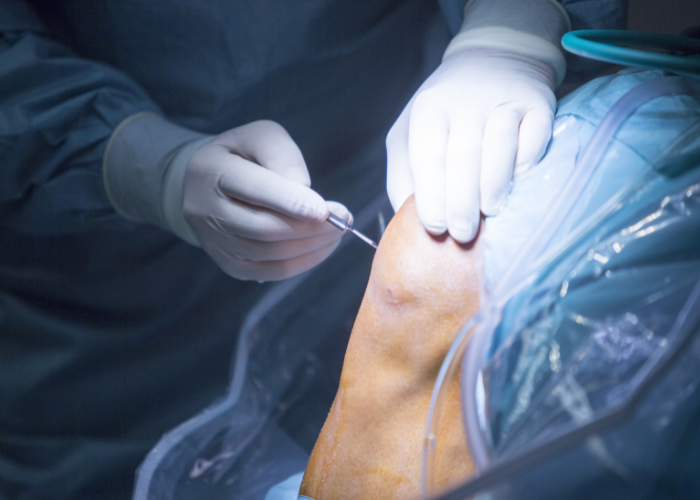
Orthopedic physicians treat a wide variety of conditions, including chronic joint pain, degenerative diseases, hand and wrist injuries, hip and knee disorders, and occupational deformities. They are also trained to perform surgical procedures, ranging from minimally invasive techniques to full joint replacements, depending on each patient’s needs.
A visit to an orthopedic physician goes beyond symptom relief. These specialists provide comprehensive care, including accurate diagnosis, personalized treatment plans, and rehabilitation strategies that restore mobility and improve overall quality of life.
Signs You Should See an Orthopedic Physician
Knowing when to consult an orthopedic physician can make a significant difference in outcomes. Persistent pain that affects daily activities, swelling or inflammation in joints, and stiffness that limits movement are all signs that professional evaluation is necessary.
Joint injuries from sports or accidents require immediate attention from an orthopedic physician to prevent long-term damage. Chronic conditions like arthritis, repetitive strain injuries, or back pain that worsens over time should also be evaluated promptly.
Other signs include difficulty performing regular tasks, numbness or tingling in extremities, and recurring injuries that prevent full recovery. Early consultation with an orthopedic physician not only addresses symptoms but also helps prevent more serious complications, ensuring patients maintain their independence and quality of life.
Services Provided by an Orthopedic Physician
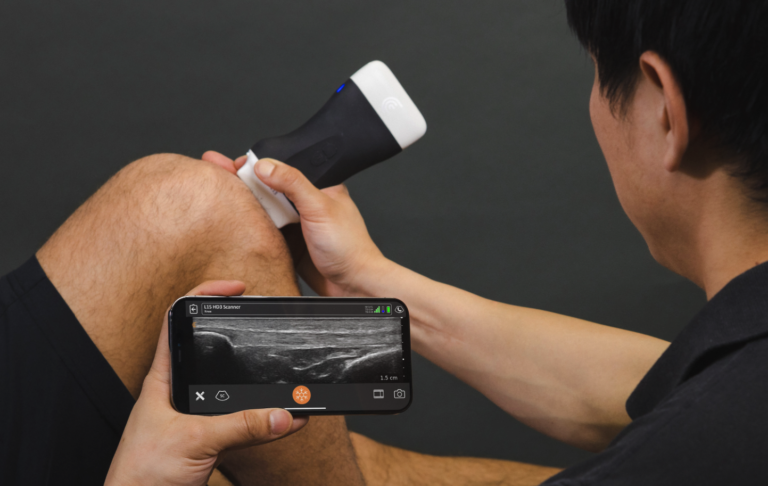
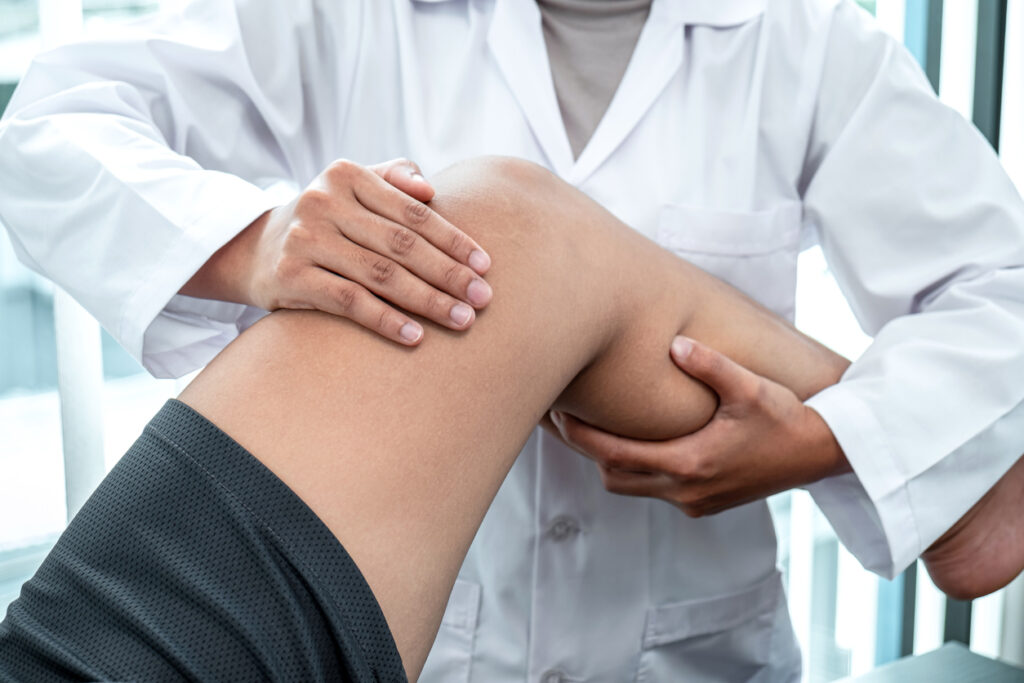
Orthopedic physicians provide a range of services to meet the diverse needs of patients. Their work includes thorough evaluation and diagnosis using advanced imaging, physical examinations, and detailed medical history assessments.
Treatment plans are tailored to each patient, considering the severity of the condition, lifestyle factors, and personal goals. Non-surgical treatments may include physical therapy, medications, injections, or custom braces to support recovery. Surgical procedures, when necessary, are performed using modern, minimally invasive techniques to reduce recovery time and enhance outcomes.
Orthopedic physicians also coordinate rehabilitation with skilled physical therapists to ensure patients regain full function and mobility. Education is a key part of care, as patients learn about their condition, treatment options, and recovery strategies to actively participate in their healing journey.
Why Tec Orthopedics Stands Out
Tec Orthopedics in Quezon City provides exceptional care guided by the expertise of Dr. Tec, a Board-Certified Orthopedic Physician with extensive international training. Dr. Tec completed advanced studies in Hand and Microsurgery in Nagato, Yamaguchi, Japan under Dr. Muramatsu and specialized in hip and knee preservation, replacement, and revision at Queensland Hips and Knees in Brisbane, Australia under Dr. Gamboa.
Dr. Tec graduated Cum Laude with a Bachelor’s degree in Biology from the University of the Philippines, majoring in Cell Biology. He earned his Doctor of Medicine degree from the University of the Philippines College of Medicine and completed residency training in orthopedic surgery at Philippine General Hospital and Ilocos Training and Regional Medical Center, consistently ranking among the top performers in annual exams.
Patients of Tec Orthopedics benefit from a physician-focused approach. Dr. Tec listens attentively to concerns, evaluates conditions thoroughly, and develops treatment plans tailored to each individual. The clinic emphasizes compassionate care and comprehensive rehabilitation to help patients regain function and independence. Tec Orthopedics also empowers patients with educational resources to understand their condition, treatment options, and recovery process.
How to Prepare for Your Visit to an Orthopedic Physician
Preparation can improve the quality and effectiveness of your consultation with an orthopedic physician. Bringing medical records, previous imaging results, and a list of current medications allows the physician to assess your condition accurately.
It is helpful to prepare questions about your symptoms, potential treatment options, and expected recovery timelines. Being open and honest about your medical history, lifestyle, and daily challenges ensures the orthopedic physician can create a treatment plan that fits your needs.
Patients should also discuss their goals for recovery, whether it involves returning to sports, resuming work activities, or achieving greater mobility. Clear communication helps the physician tailor care effectively and ensures patients understand the recommended interventions.
Recovery and Rehabilitation
Recovery after orthopedic treatment or surgery is as important as the treatment itself. Orthopedic physicians work with physical therapists to design rehabilitation programs that support gradual recovery, restore strength, and improve flexibility.
Rehabilitation may involve exercises to strengthen muscles, improve joint mobility, and prevent future injuries. Patients are encouraged to follow their recovery plan closely, attend follow-up appointments, and report any concerns promptly to their orthopedic physician.
Realistic goal-setting is a key part of rehabilitation. Patients and physicians collaborate to track progress, adjust treatment plans, and ensure recovery aligns with functional and lifestyle needs. A well-structured rehabilitation program improves outcomes and accelerates the return to daily activities and hobbies.
Tips for Choosing the Right Orthopedic Physician
Selecting the right orthopedic physician requires attention to experience, training, and patient approach. Look for board certification, specialized training in relevant procedures, and positive patient reviews.
Consider the physician’s communication style and willingness to involve you in treatment decisions. A physician who listens carefully, explains conditions clearly, and respects patient preferences helps build trust and ensures a smoother treatment journey.
Proximity and accessibility are also important, as ongoing rehabilitation and follow-up visits are part of effective orthopedic care. Tec Orthopedics provides convenient access for patients in Quezon City while maintaining high standards of professional care and personalized attention.
Benefits of Consulting an Orthopedic Physician
Consulting an orthopedic physician offers numerous benefits. Patients receive accurate diagnosis and targeted treatment, reducing the risk of chronic pain or complications. Professional guidance ensures safe surgical procedures, if necessary, and coordinated rehabilitation promotes faster recovery.
Orthopedic physicians also provide education and resources to help patients maintain bone and joint health over time. Preventive strategies, exercises, and lifestyle recommendations reduce the likelihood of recurring injuries and improve overall musculoskeletal wellness.
Choosing an orthopedic physician allows patients to take an active role in their health, supported by expertise and guidance at every stage of treatment and recovery.
Takeaway
Tec Orthopedics provides patients in Quezon City with expert care from a dedicated orthopedic physician. From accurate diagnosis and personalized treatment to comprehensive rehabilitation and education, Dr. Tec helps patients regain mobility, reduce pain, and improve quality of life. Scheduling a consultation with an orthopedic physician is the first step toward achieving better musculoskeletal health and returning to the activities you enjoy.
Frequently Asked Questions
What conditions does an orthopedic physician treat?
Orthopedic physicians treat bone fractures, joint injuries, arthritis, sports injuries, hand and wrist conditions, hip and knee problems, occupational deformities, and musculoskeletal trauma.
When should I see an orthopedic physician?
Consult an orthopedic physician if you experience persistent pain, swelling, stiffness, limited mobility, or recurring injuries. Early consultation can prevent long-term complications.
Do orthopedic physicians perform surgery?
Yes. Orthopedic physicians are trained to perform surgeries ranging from minimally invasive procedures to joint replacement and revision surgeries, depending on patient needs.
What should I bring to my first appointment?
Bring medical records, previous imaging results, a list of current medications, and any questions you have about your condition and treatment options.
How long does recovery take after orthopedic treatment?
Recovery time depends on the condition, type of treatment or surgery, and adherence to rehabilitation plans. Your orthopedic physician will provide an individualized timeline and guidance.
Can an orthopedic physician help with chronic pain?
Yes. Orthopedic physicians evaluate the underlying cause of chronic pain and create treatment plans that include medications, therapy, lifestyle adjustments, and, if necessary, surgical interventions.