Minor Excision – Cutaneous and Mucosal is a precise surgical procedure designed to remove abnormal growths, lesions, cysts, or suspicious tissue from the skin and mucosal areas. This procedure is essential for individuals experiencing lesions that cause discomfort, irritation, or cosmetic concerns, as well as those that require further investigation to rule out pre-cancerous or cancerous conditions. By targeting the affected area carefully, Minor Excision – Cutaneous and Mucosal ensures that healthy surrounding tissue remains intact while providing an accurate diagnosis and effective treatment.
Understanding how Minor Excision – Cutaneous and Mucosal works, who can benefit from it, and what to expect during and after the procedure can help patients make informed decisions and achieve optimal results.
Understanding Minor Excision – Cutaneous and Mucosal
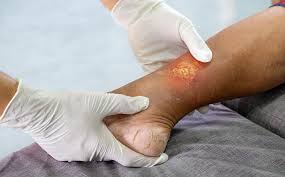
Minor Excision – Cutaneous and Mucosal involves the precise removal of tissue that is abnormal or potentially harmful. Cutaneous lesions refer to those found on the skin, while mucosal lesions occur on the lining of areas such as the mouth, lips, or other mucous membranes. Common conditions addressed with this procedure include cysts, nodules, warts, lipomas, and lesions that change in appearance or fail to heal.
Early detection and removal are crucial. Some lesions, even if initially harmless, may develop into more serious conditions if left untreated. Minor Excision – Cutaneous and Mucosal not only resolves current discomfort but also supports preventive care, ensuring that any potentially dangerous tissue is evaluated and treated promptly.
This procedure is suitable for patients who need outpatient care, allowing for a controlled, clinical environment without the need for hospitalization. The procedure is performed by trained specialists who prioritize patient safety and comfort while delivering effective results.
Who Needs Minor Excision?
Minor Excision – Cutaneous and Mucosal is recommended for individuals exhibiting certain warning signs or persistent conditions. Some of the most common reasons to consider this procedure include:
- Lesions that are changing in color, size, or shape
- Painful, irritated, or infected cysts or nodules
- Mucosal growths interfering with normal function, such as chewing, speaking, or swallowing
- Spots or lesions that require biopsy or cancer screening
- Skin or mucosal growths that affect appearance or self-confidence
- Lesions that bleed easily or fail to heal after standard treatments
Early intervention helps prevent complications and supports accurate diagnosis. Patients often seek Minor Excision – Cutaneous and Mucosal when over-the-counter treatments, home remedies, or conservative medical approaches do not resolve the problem.
The Minor Excision Procedure Explained
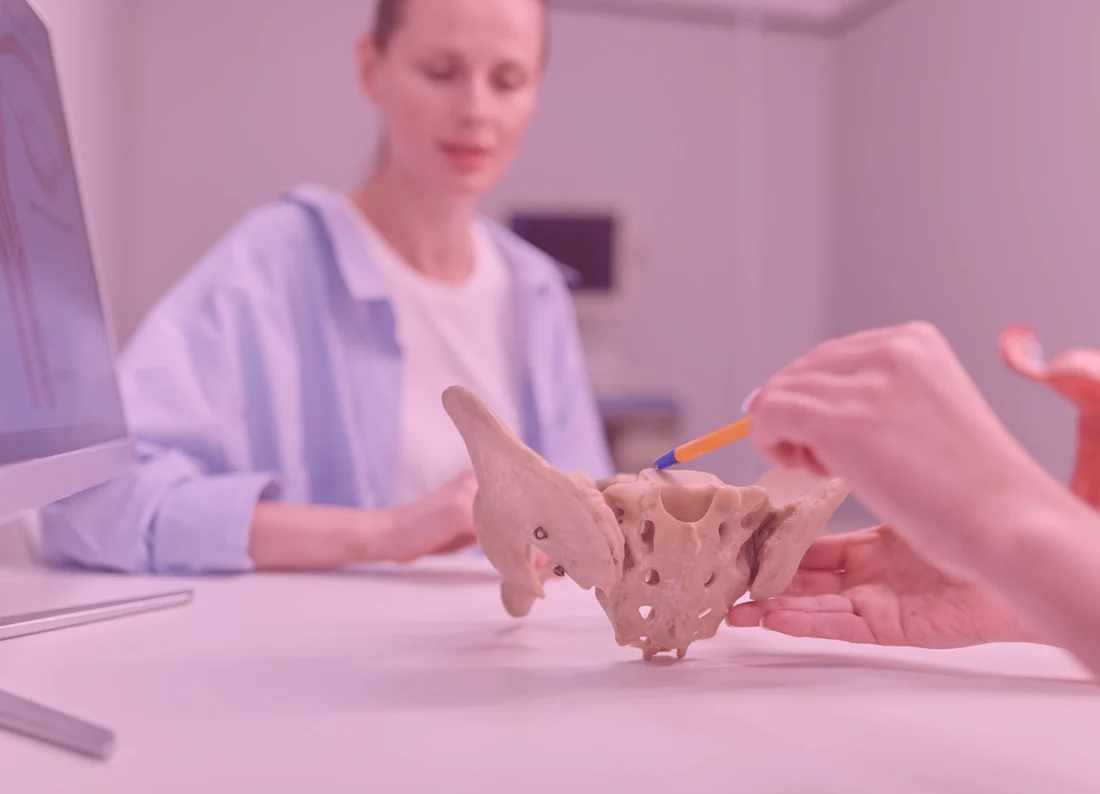
Minor Excision – Cutaneous and Mucosal is performed in a controlled clinical environment using careful surgical techniques. The procedure begins with a thorough evaluation by a qualified specialist, which may include reviewing medical history, conducting a physical examination, and analyzing diagnostic tests such as X-rays or ultrasounds when necessary.
During the procedure, local anesthesia is applied to numb the area, ensuring that patients experience minimal discomfort. The specialist then carefully excises the lesion while preserving surrounding healthy tissue. The removed tissue is often sent for histopathological analysis to determine whether it contains any pre-cancerous or cancerous cells.
Outpatient minor excision procedures offer several advantages. Patients benefit from reduced hospital exposure, quicker recovery, and a more relaxed environment. Most individuals can resume normal activities shortly after the procedure, with guidance on post-treatment care to promote healing and reduce the risk of infection.
Benefits of Minor Excision – Cutaneous and Mucosal
Patients who undergo Minor Excision – Cutaneous and Mucosal experience several benefits. First, the procedure allows for an accurate diagnosis through tissue analysis. This is particularly important for lesions that may be pre-cancerous or cancerous, as early identification increases the effectiveness of treatment.
Second, removal of problematic lesions alleviates discomfort caused by pain, irritation, or infection. Individuals with cysts, nodules, or lesions in sensitive areas often experience immediate relief following the procedure. Cosmetic improvement is another key benefit, as the removal of visible or unsightly lesions enhances confidence and appearance.
Additionally, Minor Excision – Cutaneous and Mucosal reduces the likelihood of further complications. By addressing abnormal growths early, the procedure prevents conditions from worsening and supports long-term skin and mucosal health.
Why Choose The Specialist Surgery and Cancer Center (TSSCC)
The Specialist Surgery and Cancer Center (TSSCC) in Quezon City, Metro Manila, has built a reputation for safe, reliable, and high-quality Minor Excision – Cutaneous and Mucosal procedures. Patients trust TSSCC for several reasons:
- Board-Certified Surgeons: Each procedure is performed by highly trained specialists with extensive experience in skin and mucosal lesion removal.
- Comfortable Outpatient Facilities: TSSCC offers a relaxed clinical environment, reducing stress and waiting times while promoting patient comfort.
- Affordable Surgical Solutions: Treatments are designed to encourage early intervention without unnecessary financial burden, supporting timely care.
- Early Detection and Prevention: The center emphasizes identifying and addressing lesions promptly to prevent further health complications.
- Accessible Locations: TSSCC operates clinics in East Avenue and Fairview, providing convenient access for patients from Metro Manila and nearby provinces.
Patients benefit from personalized attention and a comprehensive care approach that addresses both the immediate lesion removal and ongoing monitoring to maintain long-term health.
Preparing for Your Minor Excision
Proper preparation for Minor Excision – Cutaneous and Mucosal is essential to ensure safety and optimal outcomes. Patients should:
- Attend an initial consultation where the specialist evaluates the lesion, reviews medical history, and discusses the procedure.
- Follow pre-procedure instructions, such as avoiding certain medications or applying topical treatments as advised.
- Prepare questions regarding recovery, potential risks, and expected results to feel informed and confident.
Understanding what to expect before, during, and after the procedure helps reduce anxiety and promotes a smooth treatment experience.
Recovery and Aftercare
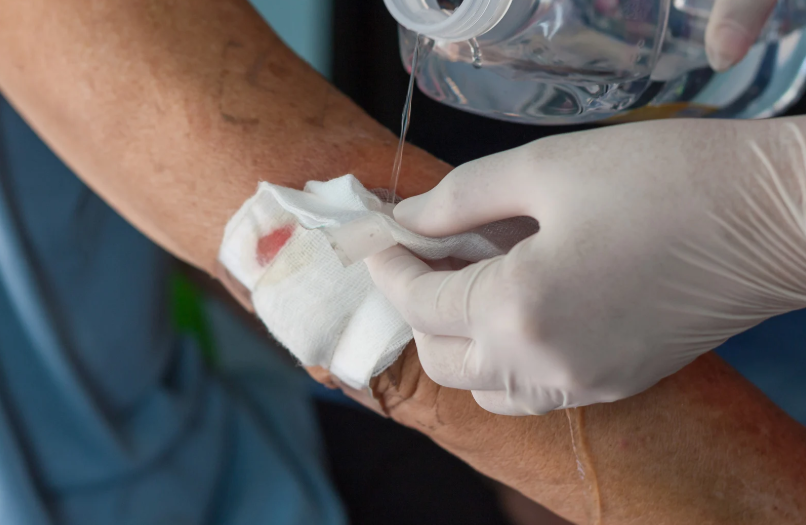
Recovery after Minor Excision – Cutaneous and Mucosal is generally straightforward. Most patients experience minor swelling or tenderness, which resolves within a few days. Proper wound care, including keeping the area clean and following the specialist’s instructions, helps prevent infection and supports faster healing.
Patients should monitor for any unusual symptoms, such as excessive redness, drainage, or prolonged pain, and contact their specialist if concerns arise. Follow-up appointments may be scheduled to assess healing and review biopsy results when applicable. With proper care, most individuals return to their normal activities quickly while enjoying improved comfort, function, and appearance.
Frequently Asked Questions (FAQ)
How long does Minor Excision – Cutaneous and Mucosal take?
The procedure typically takes 30 to 60 minutes, depending on the size and location of the lesion.
Is the procedure painful?
Local anesthesia is used to minimize discomfort during the procedure, and most patients report only mild soreness afterward.
Will there be scarring?
Specialized techniques aim to minimize scarring. Most patients experience small, well-healed scars that fade over time.
Can lesions return after removal?
While recurrence is rare, follow-up appointments ensure any new or residual lesions are detected and treated promptly.
How soon can I return to normal activities?
Most patients can resume daily activities within a few days, with certain restrictions depending on the procedure site and healing progress.
Is Minor Excision – Cutaneous and Mucosal safe for all ages?
Yes, the procedure can be performed safely on children, adults, and elderly patients when conducted by trained specialists.
Why is early removal important?
Early excision ensures accurate diagnosis, reduces the risk of complications, and improves both functional and cosmetic outcomes.