
Low Vision and diabetic eye disease are closely connected conditions that affect millions of people worldwide, especially those living with long-term diabetes. Low Vision refers to a level of vision loss that cannot be fully corrected with glasses, contact lenses, medication, or standard surgery. When combined with diabetic eye disease, the impact on daily life can be significant, making early detection and proper management essential.
Understanding Low Vision and Diabetic Eye Disease
Low Vision is a condition where a person experiences reduced visual ability that interferes with everyday activities such as reading, driving, or recognizing faces. Diabetic eye disease, on the other hand, is a group of eye problems caused by diabetes, including diabetic retinopathy, diabetic macular edema, cataracts, and glaucoma.
The connection between Low Vision and diabetic eye disease lies in the damage high blood sugar levels cause to the tiny blood vessels in the eyes. Over time, this damage can lead to irreversible vision loss, making Low Vision a common outcome if the condition is not treated early. Awareness and timely care play a major role in preventing severe complications.
How Diabetes Leads to Low Vision
What Happens to the Eyes in Diabetes
Diabetes affects the eyes by damaging the small blood vessels in the retina, the light-sensitive tissue at the back of the eye. These blood vessels can swell, leak, or close off completely, disrupting normal vision. As the condition progresses, abnormal new blood vessels may grow, further increasing the risk of vision loss and Low Vision.
Common Diabetic Eye Conditions
Several eye conditions linked to diabetes can result in Low Vision. Diabetic retinopathy is the most common, causing damage to retinal blood vessels. Diabetic macular edema leads to swelling in the central part of the retina, affecting sharp vision. Cataracts may develop earlier in diabetic patients, while glaucoma increases pressure inside the eye, potentially damaging the optic nerve.
Progression to Low Vision
Low Vision often develops when these conditions reach advanced stages and the damage becomes permanent. At this point, restoring normal eyesight may no longer be possible, but proper care can still improve visual function and quality of life.
Signs and Symptoms to Watch Out For
Recognizing the early signs of Low Vision and diabetic eye disease is crucial. Symptoms may include blurred or fluctuating vision, dark or empty spots in the visual field, difficulty seeing at night, and trouble reading or recognizing faces. Some individuals may also experience sudden vision loss, which requires immediate medical attention.
Risk Factors for Low Vision in Diabetic Patients
Certain factors increase the likelihood of developing Low Vision due to diabetic eye disease. Poor blood sugar control is one of the biggest risks, along with having diabetes for many years. High blood pressure, high cholesterol, and smoking also contribute to worsening eye health. Skipping regular eye check-ups further increases the risk of undetected damage.
Diagnosis and Eye Examinations
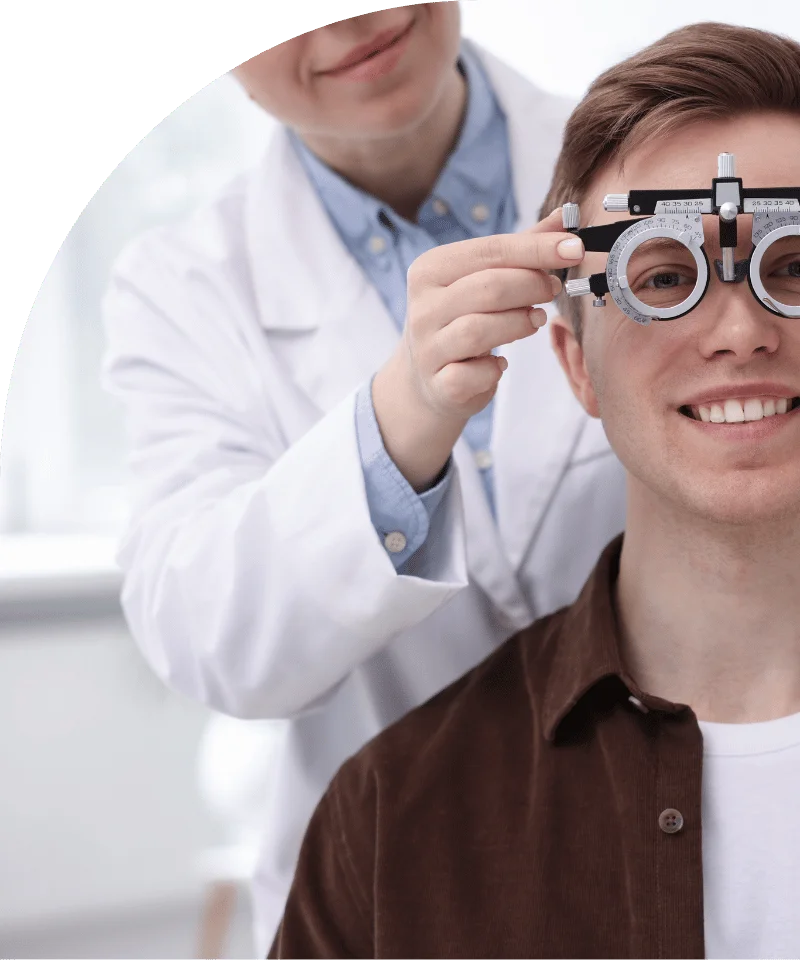
Regular eye examinations are essential for detecting diabetic eye disease before it progresses to Low Vision. A comprehensive dilated eye exam allows specialists to examine the retina and identify early signs of damage. Advanced imaging technologies such as optical coherence tomography (OCT) and retinal photography provide detailed views of the eye, helping in accurate diagnosis and monitoring.
Seeking care from trusted specialists like Peregrine Eye and Laser Institute ensures access to advanced diagnostic tools and experienced ophthalmologists who can detect issues early and recommend the most effective treatment plan.
Treatment Options for Diabetic Eye Disease
Medical Treatments
Treatment options vary depending on the severity of the condition. Anti-VEGF injections are commonly used to reduce swelling and prevent abnormal blood vessel growth. Laser therapy can seal leaking blood vessels and slow disease progression. In advanced cases, vitrectomy surgery may be required to remove blood or scar tissue from the eye.
Managing Diabetes to Protect Vision
Controlling blood sugar levels plays a critical role in preventing Low Vision. Maintaining a healthy diet, engaging in regular physical activity, and following prescribed medications can significantly reduce the risk of vision complications. Proper management of blood pressure and cholesterol is equally important.
Low Vision Rehabilitation and Support
Low Vision does not mean complete loss of independence. With proper rehabilitation, individuals can continue to perform daily tasks effectively. Low Vision rehabilitation focuses on maximizing remaining vision through specialized tools and techniques.
These may include magnifying devices, high-powered reading glasses, and electronic visual aids. Assistive technologies such as screen readers and mobile apps also help individuals adapt to vision challenges. Professional guidance is essential to determine the most suitable solutions.
Peregrine Eye and Laser Institute offers comprehensive Low Vision care programs designed to help patients regain confidence and improve their quality of life through personalized support and modern assistive solutions.
Preventing Vision Loss from Diabetes
Preventing Low Vision caused by diabetic eye disease starts with proactive care. Regular eye screenings allow early detection and timely intervention. Keeping blood sugar levels within target range helps protect the delicate blood vessels in the eyes.
A balanced diet rich in vitamins and antioxidants supports overall eye health, while regular exercise improves circulation. Avoiding smoking and managing stress further reduce the risk of complications. Early treatment remains the most effective way to prevent severe vision loss.
Why Choosing the Right Eye Care Provider Matters
Managing Low Vision and diabetic eye disease requires expertise, advanced technology, and personalized care. Choosing a reliable eye care provider ensures accurate diagnosis, effective treatment, and continuous support throughout the patient’s journey.
Peregrine Eye and Laser Institute stands out as a leading provider of eye care services, offering specialized treatment for diabetic eye disease and comprehensive Low Vision management. Their team of experienced ophthalmologists and state-of-the-art facilities make them a trusted choice for patients seeking high-quality care.
When to See an Eye Specialist Immediately
Immediate consultation with an eye specialist is necessary when experiencing sudden vision changes, eye pain, redness, flashes of light, or a sudden increase in floaters. Partial or complete vision loss should never be ignored, as prompt treatment can prevent further damage and reduce the risk of permanent Low Vision.
Takeaway
Low Vision and diabetic eye disease are serious conditions that require attention, awareness, and proactive care. Early diagnosis, proper treatment, and consistent management can make a significant difference in preserving vision and maintaining quality of life.
Partnering with a trusted provider like Peregrine Eye and Laser Institute ensures access to expert care, advanced treatments, and dedicated support for managing Low Vision effectively. Taking the first step toward better eye health today can help protect your vision for the future.
Frequently Asked Questions (FAQs)
Can diabetic eye disease be reversed?
Early stages of diabetic eye disease can be managed and sometimes improved with proper treatment and blood sugar control. However, advanced stages that lead to Low Vision may not be fully reversible, making early detection crucial.
Is Low Vision permanent?
Low Vision is often permanent, but it can be managed effectively with the right treatment and rehabilitation. Many individuals can still lead productive lives with appropriate support and visual aids.
How often should diabetics get eye exams?
People with diabetes are advised to have a comprehensive eye exam at least once a year. More frequent visits may be recommended for those already experiencing signs of diabetic eye disease or Low Vision.
Can lifestyle changes improve vision?
Healthy lifestyle choices, including proper diet, regular exercise, and good blood sugar control, can help prevent further damage and support overall eye health. While they may not fully restore vision, they play a vital role in managing Low Vision.
What are the best tools for Low Vision patients?
Common tools include magnifiers, specialized glasses, electronic reading devices, and assistive technologies like screen readers. A Low Vision specialist can recommend the most suitable options based on individual needs.