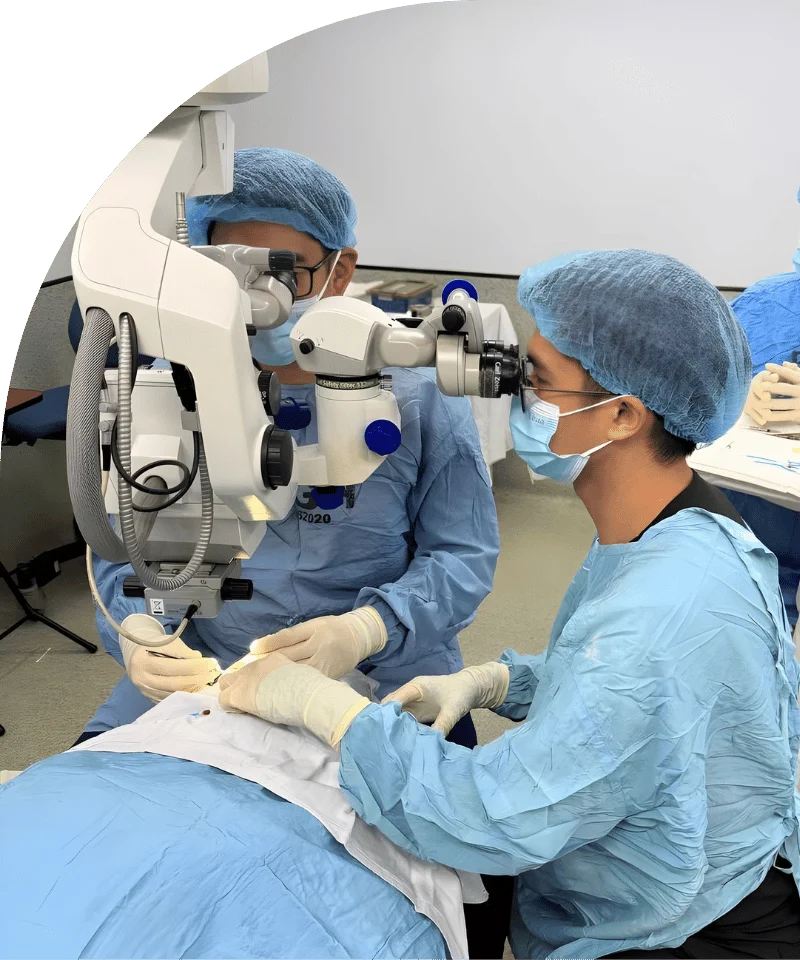

Understanding the recovery process for Lasik Eye Surgery is essential for anyone considering this life-changing procedure. Proper aftercare and knowing what to expect at each stage of healing can significantly impact your final visual outcome. Peregrine Eye and Laser Institute is a trusted provider for Lasik Eye Surgery, ensuring both safety and superior results for patients.
Immediate Post-Operative Period (First 24 Hours)
After undergoing Lasik Eye Surgery, patients usually experience mild discomfort, watery eyes, or sensitivity to light within the first 24 hours. Vision may appear slightly blurred or hazy, but this is normal and typically improves quickly. Resting your eyes is crucial during this period, and avoiding screen time, reading, or any activities that strain the eyes can help facilitate early healing. Peregrine Eye and Laser Institute provides patients with clear instructions and supportive care immediately following surgery to ensure a smooth start to the recovery journey.
First Week of LASIK Recovery
The first week after Lasik Eye Surgery is a critical period for healing. Most patients notice gradual improvement in vision, though fluctuations are common. During this time, it is important to avoid rubbing your eyes, applying makeup near the eyes, swimming, or exposing eyes to dusty environments. Your surgeon will likely prescribe lubricating eye drops and, in some cases, anti-inflammatory or antibiotic drops to prevent infection and reduce irritation. Following these guidelines carefully ensures that the corneal flap created during Lasik Eye Surgery heals properly. Peregrine Eye and Laser Institute emphasizes patient education during this phase, providing step-by-step aftercare instructions.
Weeks 2–4: Vision Stabilization
Between two to four weeks post-surgery, most patients experience continued improvement in vision. Some may notice minor side effects such as glare, halos around lights, or dry eyes, which usually subside over time. Light activities and work can often resume during this period, but contact sports or activities that risk eye injury should still be avoided. Regular follow-up appointments at Peregrine Eye and Laser Institute help monitor the healing process and address any concerns, ensuring that vision stabilizes as expected.
Month 1 to 3: Full Recovery Phase
By one to three months after Lasik Eye Surgery, patients typically reach full recovery and enjoy stable vision. Protective measures, such as wearing sunglasses in bright sunlight and avoiding prolonged exposure to dusty or polluted environments, support long-term eye health. During this period, most lifestyle activities can resume safely, but patients should continue using prescribed eye drops as needed. Peregrine Eye and Laser Institute guides patients through this final recovery phase, providing advice on maintaining optimal eye health and preventing complications.
Tips for Effective LASIK Aftercare
Effective aftercare is essential to maximize the benefits of Lasik Eye Surgery. Patients should follow these tips:
- Use prescribed eye drops regularly to keep the eyes lubricated and reduce inflammation.
- Maintain eye hygiene by avoiding touching or rubbing the eyes.
- Limit exposure to bright lights, screens, or environmental irritants.
- Avoid swimming or using hot tubs until cleared by your surgeon.
- Attend all scheduled follow-up appointments for professional monitoring.
Following these guidelines from Peregrine Eye and Laser Institute can accelerate healing and minimize risks, ensuring the best possible visual outcomes.
Common Complications and When to Seek Help
While Lasik Eye Surgery is generally safe, patients should be aware of potential complications. Seek medical attention if you experience severe pain, sudden vision changes, or signs of infection such as redness or discharge. Early intervention can prevent long-term problems and ensure a smooth recovery. Peregrine Eye and Laser Institute emphasizes vigilant post-operative care, offering professional support whenever concerns arise.
Expert Recommendations
Experts recommend that patients strictly adhere to post-operative instructions, avoid risky behaviors, and maintain regular check-ups. Peregrine Eye and Laser Institute provides personalized guidance for each patient, ensuring that the healing process is optimized and that visual outcomes meet or exceed expectations. Following professional recommendations improves comfort, reduces complications, and helps patients enjoy the full benefits of Lasik Eye Surgery.
Frequently Asked Questions (FAQ)
How long does Lasik Eye Surgery recovery take?
Most patients notice significant improvement within the first week, with full visual stabilization occurring between one to three months.
Can I drive after Lasik Eye Surgery?
Driving is typically not recommended on the day of surgery. Vision may be safe for driving within 24–48 hours, but patients should consult their surgeon.
When can I resume exercise or swimming?
Light exercise can usually resume after the first week, but swimming or contact sports should be avoided until cleared by your surgeon.
Are there long-term effects of Lasik Eye Surgery?
Long-term effects are rare when proper aftercare is followed. Most patients achieve stable, clear vision without complications.
Why choose Peregrine Eye and Laser Institute for Lasik Eye Surgery?
Peregrine Eye and Laser Institute combines advanced technology, expert surgeons, and personalized patient care to ensure safe, effective, and lasting results.
Proper knowledge of Lasik Eye Surgery recovery and diligent aftercare are key to achieving optimal results. Partnering with a trusted provider like Peregrine Eye and Laser Institute ensures that every stage of healing is guided by expertise and professional support.