Understanding Why Infected Cuts Are a Serious Concern for Diabetic Patients
Diabetic patients face unique challenges when dealing with even the smallest skin injuries. Elevated blood sugar levels interfere with the body’s natural ability to heal wounds efficiently. Poor circulation reduces the amount of oxygen and nutrients delivered to damaged tissue, which slows recovery. At the same time, a weakened immune response makes it easier for bacteria to grow in open cuts. Many diabetic patients also experience nerve damage, which limits pain sensation and delays noticing wounds. This combination makes infected cuts far more dangerous than they appear at first glance. Understanding why infected cut treatment is critical helps diabetic patients recognize the importance of early and proper care.
What Happens When a Cut Becomes Infected in a Diabetic Patient
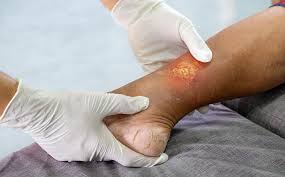
When a cut becomes infected, the body struggles to contain the bacteria effectively. Redness, swelling, warmth, and drainage are common warning signs, yet they may go unnoticed due to reduced sensation. Infection can quickly spread beyond the surface and reach deeper tissues. In diabetic patients, the healing process is already compromised, giving bacteria more time to multiply. Without infected cut treatment, the wound may enlarge and become increasingly painful or inflamed. Systemic infections can develop if bacteria enter the bloodstream. Addressing infection early is essential to avoid severe outcomes that can affect overall health.
The Science Behind Infected Cut Treatment for Diabetic Wounds
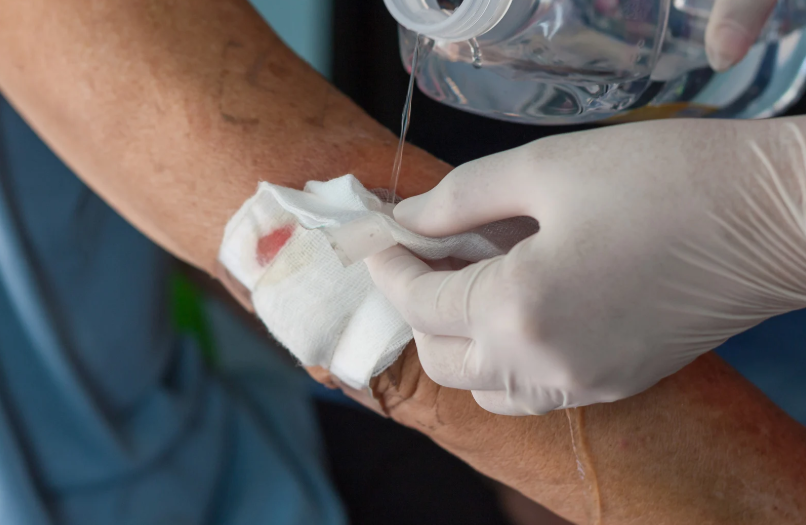
Infected cut treatment focuses on eliminating harmful bacteria while supporting the body’s ability to heal. Medical professionals carefully clean the wound to remove debris and infected tissue. This process reduces bacterial load and encourages healthy tissue growth. Antibiotic therapies may be applied topically or prescribed orally depending on severity. Maintaining a balanced wound environment is essential to promote cell regeneration. Blood sugar control is also monitored closely because glucose levels directly affect healing speed. The science behind these treatments ensures that diabetic wounds receive specialized care rather than general first aid.
Types of Infected Cut Treatment Commonly Used for Diabetic Patients
Several treatment options exist to address infected cuts in diabetic individuals. Healthcare providers choose therapies based on infection severity and patient health. Specialized dressings help maintain moisture while protecting the wound from bacteria. Advanced therapies may be used when standard methods are not effective. Infected cut treatment is often customized to prevent complications and promote consistent healing. Medical supervision ensures treatment adjustments are made when necessary. The goal is to support recovery while minimizing risks associated with diabetes.
How Early Infected Cut Treatment Prevents Severe Complications
Prompt infected cut treatment significantly reduces the risk of serious complications. Early care prevents bacteria from spreading into muscles or bones. This timely approach also lowers the chance of chronic ulcers forming. Diabetic patients who receive immediate treatment experience fewer hospital visits. Infection control helps preserve mobility and independence. Preventing escalation also reduces emotional stress and financial burden. Acting early makes a measurable difference in long term health outcomes.
Key benefits of early infected cut treatment include:
• Reduced risk of deep tissue infection
• Faster wound healing
• Lower likelihood of amputation
• Improved overall quality of life
The Role of Medical Professionals in Managing Infected Cuts
Medical professionals play a critical role in guiding infected cut treatment for diabetic patients. Doctors assess wound depth, infection severity, and circulation status. Podiatrists often focus on foot wounds, which are common among diabetic individuals. Wound care specialists design treatment plans that adapt to healing progress. Endocrinologists help manage blood sugar levels to support recovery. Regular checkups ensure complications are detected early. This team based approach improves outcomes and reassures patients.
Home Care Practices That Support Infected Cut Treatment
Home care is an essential part of successful infected cut treatment. Patients are encouraged to clean wounds gently and apply prescribed dressings consistently. Monitoring the wound daily helps identify changes early. Maintaining proper blood sugar levels enhances the body’s ability to heal. Adequate nutrition and hydration support tissue repair. Avoiding pressure on the affected area prevents further damage. These practices complement medical treatment and empower patients to participate actively in their care.
Emotional and Quality of Life Benefits of Proper Infected Cut Treatment
Proper infected cut treatment provides emotional reassurance for diabetic patients. Knowing that wounds are managed correctly reduces anxiety and fear of complications. Improved healing restores mobility and comfort in daily activities. Patients often regain confidence in their ability to care for themselves. Reduced pain and inflammation enhance overall well being. Preventing severe outcomes also protects independence. Emotional health is closely tied to physical recovery in diabetic wound care.
Common Mistakes Diabetic Patients Make When Treating Infected Cuts
Many diabetic patients underestimate the seriousness of small cuts. Delaying medical attention allows infection to progress unchecked. Some individuals rely solely on over the counter remedies without professional guidance. Ignoring blood sugar control during healing slows recovery. Skipping regular skin inspections increases the risk of unnoticed wounds. Improper dressing changes can introduce bacteria. Awareness of these mistakes helps patients make better decisions.
Preventive Strategies to Reduce the Need for Infected Cut Treatment
Prevention is a powerful tool for diabetic patients. Daily foot and skin inspections help identify injuries early. Wearing protective footwear reduces the risk of cuts and blisters. Proper nail care prevents accidental skin damage. Managing diabetes effectively supports immune function and circulation. Seeking medical advice promptly prevents minor wounds from becoming infected. Prevention strategies reduce reliance on extensive infected cut treatment.
Frequently Asked Questions
Why do infected cuts heal slower in diabetic patients?
Infected cuts heal slower because diabetes affects circulation and immune response. Reduced blood flow limits oxygen delivery to the wound. Elevated blood sugar levels impair white blood cell function. Nerve damage may delay detection of injuries. Bacteria have more time to multiply in this environment. Healing requires careful medical management. Understanding these factors highlights the importance of infected cut treatment.
When should a diabetic patient seek medical care for a cut?
Medical care should be sought as soon as redness or swelling appears. Persistent pain or drainage signals infection. Cuts that do not improve within a few days require evaluation. Fever or chills indicate a more serious infection. Early care prevents complications. Delaying treatment increases risks significantly. Prompt action supports safer healing.
Can infected cut treatment be done at home?
Minor wounds may be managed at home under medical guidance. Cleaning and dressing changes must follow professional instructions. Monitoring for signs of worsening infection is essential. Severe infections require clinical treatment. Antibiotics should only be used as prescribed. Home care complements medical oversight. Knowing limitations ensures safety.
How long does infected cut treatment usually take?
Healing time varies based on wound size and infection severity. Blood sugar control influences recovery speed. Some wounds heal within weeks while others take longer. Advanced therapies may shorten healing time. Regular followups ensure progress. Patience is necessary during recovery. Consistent care leads to better outcomes.
Can proper infected cut treatment prevent amputation?
Yes, early and appropriate treatment significantly reduces amputation risk. Controlling infection prevents tissue death. Maintaining circulation supports healing. Medical monitoring detects complications early. Patient education improves self care habits. Prevention is always preferable. Proper treatment protects limbs and quality of life.
Takeaway
How Infected Cut Treatment Helps Diabetic Patients goes beyond simple wound care. It addresses the unique challenges posed by diabetes and slow healing. Early treatment prevents serious complications and preserves mobility. Medical guidance combined with home care creates effective recovery pathways. Emotional well being improves when patients feel supported and informed. Prevention strategies further reduce risks. Consistent attention to infected cut treatment empowers diabetic patients to protect their health.