A severe wound checkup plays a vital role in helping patients avoid complications, speed up healing, and receive precise medical attention before a minor issue becomes a serious health concern. Many people try to manage large or complicated wounds at home, not realizing the risks or the amount of hidden damage that can form beneath the surface. A severe wound checkup offers clarity, clinical accuracy, and a structured plan that protects the patient’s overall well-being while addressing the wound with professional care. This is especially important for individuals with diabetes, circulation problems, mobility limitations, or long-standing wounds that do not improve with basic home remedies.
A severe wound checkup ensures that even the smallest sign of deterioration is detected early, giving patients access to advanced treatments that cannot be provided through home care. Whether the wound is caused by an accident, burn, infection, surgery, or chronic illness, timely evaluation can prevent long-term health issues and protect surrounding tissue from further breakdown. This is why wound experts strongly encourage patients to pay close attention to any wound that appears deep, painful, slow-healing, or unusual.
What Qualifies as a Severe Wound?
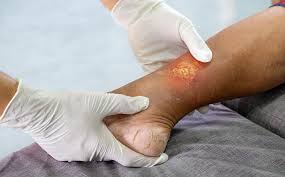
Understanding what makes a wound severe helps patients take the right step toward getting a proper severe wound checkup at the right time. A wound becomes severe when it shows signs of delayed healing, extensive tissue damage, or high risk of infection. This includes wounds that look deep, show visible fat or muscle, bleed repeatedly, or produce unusual discharge.
Large cuts from accidents or sharp objects, burns that affect multiple layers of skin, and wounds worsened by pressure or poor circulation often fall under the severe category. Diabetic wounds are also considered severe because individuals with diabetes may experience reduced sensation, poor blood flow, and slow healing, making them more prone to sudden complications. Pressure ulcers caused by long immobility also require urgent attention, as they can progress rapidly when left unassessed.
Anyone who sees redness spreading around the wound, notices persistent swelling, or experiences fever, bad odor, or increasing pain should schedule a severe wound checkup without delay. These signs often show that bacteria are spreading, and professional care is required to stop the condition from worsening.
Why a Severe Wound Checkup Is Critical for Every Patient
A severe wound checkup offers protection from complications and gives patients a clearer understanding of how far the wound has progressed. Some wounds appear minor on the surface but have deeper tissue involvement that only a trained professional can detect. A checkup allows experts to assess the depth, cause, and extent of the damage, ensuring the right treatment starts immediately.
The first advantage of a severe wound checkup is early infection control. Infections can develop quickly, especially in warm, moist, or unclean environments. A specialist identifies the presence of infection even before symptoms become too obvious, preventing bacteria from spreading further.
Another crucial benefit is proper wound classification. Wounds behave differently depending on their cause and severity. A severe wound checkup helps categorize the wound so the doctor can match it with the correct treatment technique. This prevents unnecessary treatments and supports faster recovery.
Home remedies and self-treatment often lack the accuracy needed for severe wounds. Many patients attempt to apply creams, powders, or herbal solutions, which can worsen irritation or trap bacteria inside the wound. A severe wound checkup guides patients toward safe and medically verified care instead of risky trial-and-error practices.
What Happens During a Severe Wound Checkup?
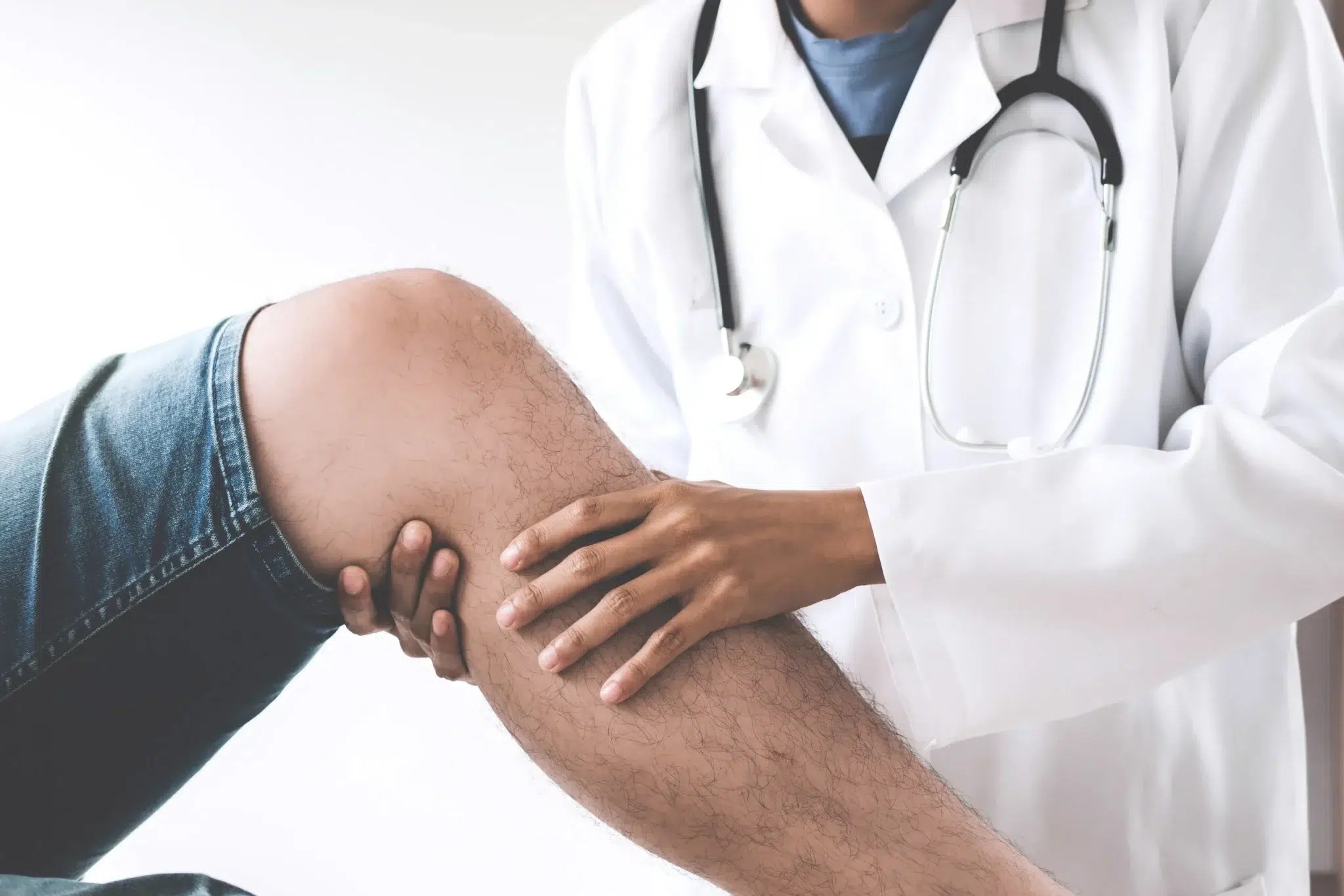
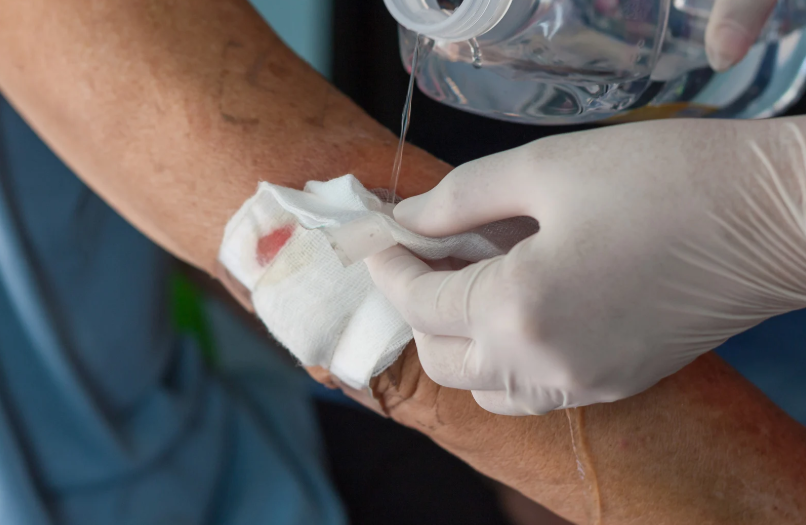
A severe wound checkup begins with a thorough visual and physical examination to determine the wound’s overall condition. The specialist evaluates color, depth, odor, drainage, and surrounding skin appearance. These details help identify whether the wound is improving, stagnating, or deteriorating.
Tissue assessment is also performed to determine which parts of the wound are healthy and which parts require cleaning or removal. This stage is important because dead or infected tissue prevents healing and increases the risk of complications.
The specialist then checks for signs of infection, including temperature changes, swelling, purulent discharge, or visible bacteria formation. They may also measure the wound using medical tools to monitor changes over time. This helps track progress and adjust treatments when needed.
A severe wound checkup often includes a review of the patient’s medication, health history, lifestyle factors, and chronic conditions. All these factors influence how the wound heals and what treatment strategy should be used. The specialist may also recommend diagnostic tests if the wound appears complicated or if underlying health issues are suspected.
Advanced Techniques Used During a Severe Wound Checkup
A severe wound checkup may involve modern treatment techniques designed to remove unhealthy tissue, prevent infection, and support rapid recovery. One of the most common procedures is debridement, where dead or infected tissue is removed. Techniques such as ultrasonic debridement or sharp debridement help prepare the wound bed, allowing fresh tissue to grow.
Negative Pressure Wound Therapy (NPWT) may also be evaluated during a severe wound checkup. This therapy uses controlled suction to remove excess fluids, improve blood circulation, and encourage faster healing. Patients with deep, chronic, or infected wounds often benefit from this method.
For wounds caused by poor circulation, such as venous ulcers, compression options may be recommended. These help reduce swelling, improve blood flow, and support long-term healing. Moisture-control dressings may also be applied to maintain the optimal environment for tissue repair.
Diabetic foot ulcers, pressure ulcers, surgical wounds, and traumatic injuries each require different approaches. A severe wound checkup helps determine the best technique for every wound type, ensuring that patients receive specialized care tailored to their condition.
When You Need a Severe Wound Checkup Immediately
Certain signs indicate that a severe wound checkup must be done as soon as possible. If redness spreads outward from the wound, this often signals infection. A foul odor or unusual, thick discharge suggests bacterial growth that must be addressed quickly.
A sudden rise in pain or swelling may indicate that the wound is not healing properly. Fever or chills can be a response to infection moving into the bloodstream, which requires immediate care. Wounds that remain open, stagnant, or worsen after several days of home care also require a severe wound checkup.
Individuals with diabetes, poor circulation, or limited mobility must be extra cautious. Their wounds may deteriorate faster, and symptoms may be harder to detect. A severe wound checkup protects them from complications that could lead to long-term disability.
Benefits of Professional Severe Wound Management
A severe wound checkup unlocks access to precise treatment that matches the wound’s needs. It ensures that the patient receives dressings, therapies, and medications suited to the severity and type of the wound. This reduces healing time and protects the patient from unnecessary discomfort.
Professional wound management minimizes the risk of infection, tissue death, and long-term scarring. The specialist monitors progress closely and adjusts treatment when needed. This structured approach is far safer and more effective than self-treatment.
Another benefit is patient education. A severe wound checkup teaches individuals how to care for their wound at home, what to avoid, and how to protect themselves from new complications. This guidance supports long-term health and prevents repeated injuries.
Why Kalingap Wound Care Clinic Is a Trusted Choice for Severe Wound Checkups
Kalingap Wound Care Clinic brings medical expertise and compassionate service to every severe wound checkup. The clinic provides accessible care for families in Quezon City and nearby communities. Patients receive support guided by Filipino values of care and nurture, ensuring comfort and confidence throughout the healing journey.
The clinic’s wound specialists are experienced in modern wound treatments, from debridement to advanced dressings and negative pressure therapy. Each severe wound checkup is done using accurate assessment tools to help patients recover safely and efficiently.
Kalingap Wound Care Clinic also educates patients on prevention, long-term management, and safe home practices. This patient-focused approach ensures that healing continues even after the visit.
How to Prepare for Your Severe Wound Checkup
A successful severe wound checkup starts with proper preparation. Patients should bring medical records, current medications, photographs of the wound’s earlier stages, or previous treatments used. These details help the specialist understand the wound’s progression.
Temporary protection of the wound should be done before visiting the clinic. Clean, gentle dressings prevent contamination while keeping the area safe during travel. Avoid applying creams or powders unless instructed by a professional.
Patients should also prepare questions or concerns they want addressed. A severe wound checkup becomes more effective when both patient and doctor communicate openly.
Preventive Care After Your Severe Wound Checkup
A severe wound checkup provides a strong foundation for healing, but preventive care helps maintain progress. Proper hand hygiene, dressing changes, and monitoring for new symptoms help protect the wound from setbacks. Patients are often advised to adjust certain lifestyle habits, such as avoiding pressure on the wound area or improving blood circulation through movement.
Regular follow-up visits help track healing. Severe wounds change over time, and consistent evaluation ensures that treatment remains effective.
Frequently Asked Questions About Severe Wound Checkups
What is considered a severe wound?
A severe wound is any wound that shows slow healing, deep tissue exposure, infection signs, or significant pain. A severe wound checkup helps identify the exact condition.
How soon should I visit a wound doctor?
A severe wound checkup is recommended as soon as you notice spreading redness, strong odor, pus, or lack of improvement within a short period.
Do severe wounds always require debridement?
Not always. A severe wound checkup determines whether debridement is necessary based on tissue health and infection levels.
How long does recovery take?
Recovery depends on the wound type, size, and the patient’s overall health. A severe wound checkup provides a personalized estimate.
Is a severe wound checkup painful?
Most assessments are gentle. Some discomfort may occur if the area is very sensitive, but specialists work to minimize pain.
Can severe wounds heal without medical care?
Most severe wounds require professional treatment. A severe wound checkup ensures proper healing and prevents complications.